Politicien
Carolina Herrera
1939 - aujourd'hui
FR.WIKIPEDIA PAGE VIEWS (PV)
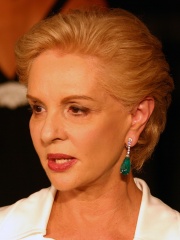

 Carolina Herrera
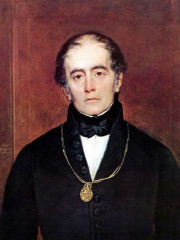
Sa biographie est disponible en 27 langues sur Wikipédia (en hausse par rapport à 23 en 2024). Carolina Herrera est la 4,517th politicien la plus populaire (en baisse du 3,793rd en 2024), la 12th biographie la plus populaire du Venezuela (en baisse du 8th en 2019), ainsi que la 5th politicien du Venezuela la plus populaire.
Memorability Metrics
570k
Page Views
Past 12 months
67.18
HPI
Historical Popularity Index
Page views of Carolina Herrera by language
Among Politiciens
Among politiciens, Carolina Herrera ranks 4,515 out of 19,576. Before her are Charles III, Duke of Parma, Antipater II of Macedon, Johann Wilhelm, Elector Palatine, John B. Kelly Sr., Oichi, and Kenneth Kaunda. After her are Ariovistus, Catherine I, Latin Empress, Pim Fortuyn, Mike DeWine, Theodore Komnenos Doukas, and Princess Friederike of Hesse-Darmstadt.
Most Popular Politiciens in Wikipedia
Go to all Rankings
Charles III, Duke of Parma
1823 - 1854
HPI: 67.18
Rank: 4,511

Antipater II of Macedon
400 BC - 287 BC
HPI: 67.18
Rank: 4,512
Johann Wilhelm, Elector Palatine
1658 - 1716
HPI: 67.18
Rank: 4,513
John B. Kelly Sr.
1889 - 1960
HPI: 67.18
Rank: 4,514

Oichi
1547 - 1583
HPI: 67.18
Rank: 4,515
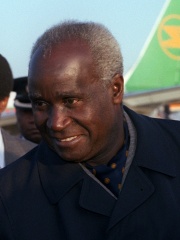
Kenneth Kaunda
1924 - 2021
HPI: 67.18
Rank: 4,516
Carolina Herrera
1939 - Present
HPI: 67.18
Rank: 4,517
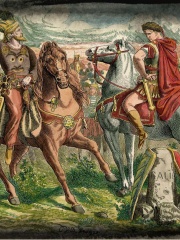
Ariovistus
101 BC - 54 BC
HPI: 67.18
Rank: 4,518
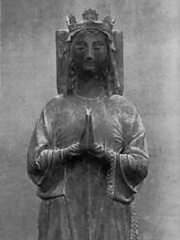
Catherine I, Latin Empress
1274 - 1307
HPI: 67.18
Rank: 4,519

Pim Fortuyn
1948 - 2002
HPI: 67.17
Rank: 4,520
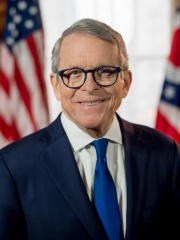
Mike DeWine
1947 - Present
HPI: 67.17
Rank: 4,521
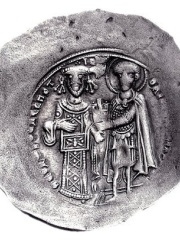
Theodore Komnenos Doukas
1180 - 1253
HPI: 67.17
Rank: 4,522
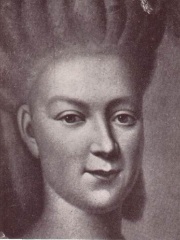
Princess Friederike of Hesse-Darmstadt
1752 - 1782
HPI: 67.17
Rank: 4,523

Contemporaries
Among people born in 1939, Carolina Herrera ranks 73. Before her are Chandra Bahadur Dangi, Joaquim Chissano, Emil Constantinescu, Pak Pong-ju, Daniel C. Tsui, and Milva. After her are Ruud Lubbers, Ricardo Bofill, Amancio Amaro, Bertrand Blier, Gangubai Kothewali, and Kim Jae-ryong.
Others Born in 1939
Go to all Rankings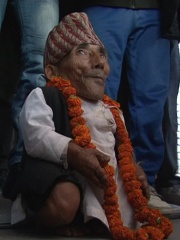
Chandra Bahadur Dangi
CELEBRITY
1939 - 2015
HPI: 67.39
Rank: 67
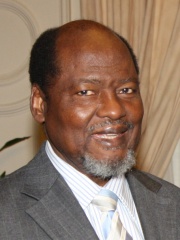
Joaquim Chissano
POLITICIAN
1939 - Present
HPI: 67.37
Rank: 68
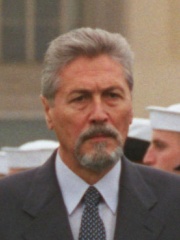
Emil Constantinescu
POLITICIAN
1939 - Present
HPI: 67.36
Rank: 69
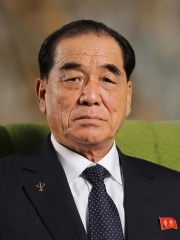
Pak Pong-ju
POLITICIAN
1939 - Present
HPI: 67.32
Rank: 70
Daniel C. Tsui
PHYSICIST
1939 - Present
HPI: 67.22
Rank: 71

Milva
SINGER
1939 - 2021
HPI: 67.19
Rank: 72
Carolina Herrera
POLITICIAN
1939 - Present
HPI: 67.18
Rank: 73
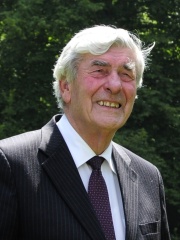
Ruud Lubbers
POLITICIAN
1939 - 2018
HPI: 67.03
Rank: 74
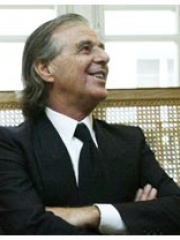
Ricardo Bofill
ARCHITECT
1939 - 2022
HPI: 66.83
Rank: 75
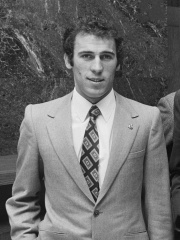
Amancio Amaro
SOCCER PLAYER
1939 - 2023
HPI: 66.70
Rank: 76
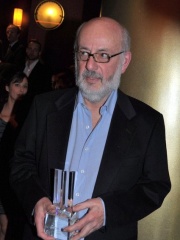
Bertrand Blier
FILM DIRECTOR
1939 - 2025
HPI: 66.58
Rank: 77
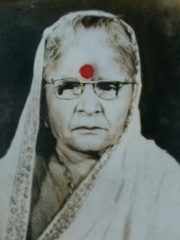
Gangubai Kothewali
SOCIAL ACTIVIST
1939 - 1977
HPI: 66.57
Rank: 78
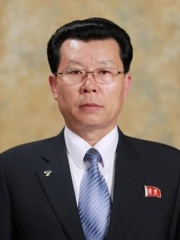
Kim Jae-ryong
POLITICIAN
1939 - Present
HPI: 66.53
Rank: 79
In Venezuela
Among people born in Venezuela, Carolina Herrera ranks 12 out of NaN. Before her are Cilia Flores (1956), Juan Vicente Pérez (1909), Antonio José de Sucre (1795), Francisco de Miranda (1750), Edmundo González (1949), and Reynaldo Hahn (1874). After her are Rafael Caldera (1916), Carlos Andrés Pérez (1922), Rómulo Betancourt (1908), José Antonio Páez (1790), Juan José Flores (1800), and Juan Vicente Gómez (1857).
Others born in Venezuela
Go to all Rankings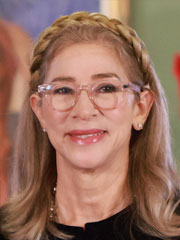
Cilia Flores
COMPANION
1956 - Present
HPI: 68.96
Rank: 6

Juan Vicente Pérez
RELIGIOUS FIGURE
1909 - 2024
HPI: 68.92
Rank: 7
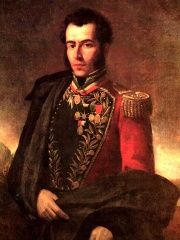
Antonio José de Sucre
POLITICIAN
1795 - 1830
HPI: 68.90
Rank: 8
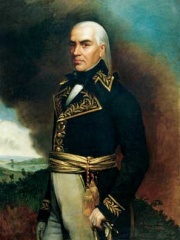
Francisco de Miranda
MILITARY PERSONNEL
1750 - 1816
HPI: 68.21
Rank: 9
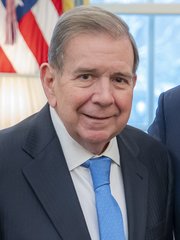
Edmundo González
DIPLOMAT
1949 - Present
HPI: 67.72
Rank: 10
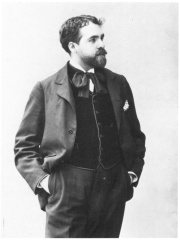
Reynaldo Hahn
COMPOSER
1874 - 1947
HPI: 67.66
Rank: 11
Carolina Herrera
POLITICIAN
1939 - Present
HPI: 67.18
Rank: 12
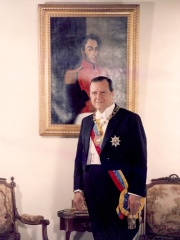
Rafael Caldera
POLITICIAN
1916 - 2009
HPI: 66.34
Rank: 13
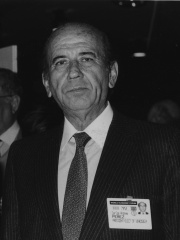
Carlos Andrés Pérez
POLITICIAN
1922 - 2010
HPI: 65.29
Rank: 14
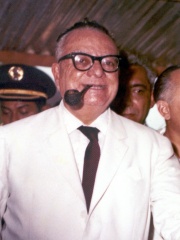
Rómulo Betancourt
POLITICIAN
1908 - 1981
HPI: 64.84
Rank: 15
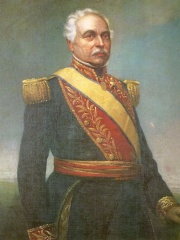
José Antonio Páez
POLITICIAN
1790 - 1873
HPI: 64.05
Rank: 16
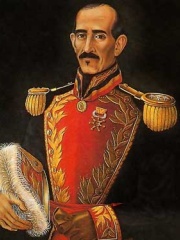
Juan José Flores
MILITARY PERSONNEL
1800 - 1864
HPI: 64.01
Rank: 17
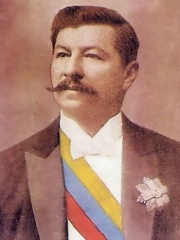
Juan Vicente Gómez
POLITICIAN
1857 - 1935
HPI: 63.82
Rank: 18
Among Politiciens In Venezuela
Among politiciens born in Venezuela, Carolina Herrera ranks 5. Before her are Simón Bolívar (1783), Hugo Chávez (1954), Nicolás Maduro (1962), and Antonio José de Sucre (1795). After her are Rafael Caldera (1916), Carlos Andrés Pérez (1922), Rómulo Betancourt (1908), José Antonio Páez (1790), Juan Vicente Gómez (1857), Marcos Pérez Jiménez (1914), and Andrés Bello (1781).
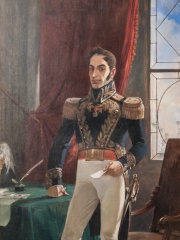
Simón Bolívar
1783 - 1830
HPI: 83.41
Rank: 1
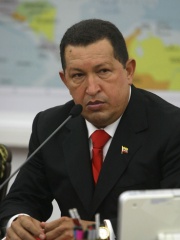
Hugo Chávez
1954 - 2013
HPI: 77.79
Rank: 2
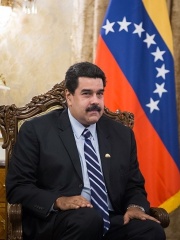
Nicolás Maduro
1962 - Present
HPI: 72.53
Rank: 3
Antonio José de Sucre
1795 - 1830
HPI: 68.90
Rank: 4
Carolina Herrera
1939 - Present
HPI: 67.18
Rank: 5
Rafael Caldera
1916 - 2009
HPI: 66.34
Rank: 6
Carlos Andrés Pérez
1922 - 2010
HPI: 65.29
Rank: 7
Rómulo Betancourt
1908 - 1981
HPI: 64.84
Rank: 8
José Antonio Páez
1790 - 1873
HPI: 64.05
Rank: 9
Juan Vicente Gómez
1857 - 1935
HPI: 63.82
Rank: 10
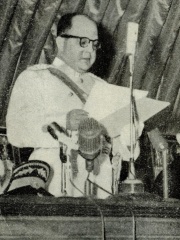
Marcos Pérez Jiménez
1914 - 2001
HPI: 63.77
Rank: 11
Andrés Bello
1781 - 1865
HPI: 62.84
Rank: 12




