Политик
Armando Guebuza
1943 - настоящее время
RU.WIKIPEDIA PAGE VIEWS (PV)
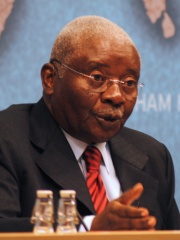
 Armando Guebuza
Его биография доступна на 44 различных языках в Википедии. Armando Guebuza занимает 7071-е место среди самых популярных политик (снижение с 5452-е места в 2024 году), занимает 9-е место среди самых популярных биографий из Мозамбика (снижение с 7-е места в 2019 году) и занимает 5-е место среди политик Мозамбик.
Memorability Metrics
37k
Page Views
Past 12 months
64.12
HPI
Historical Popularity Index
Page views of Armando Guebuza by language
Among Политик
Among политик, Armando Guebuza ranks 7,068 out of 19,576. Before him are Saman Khuda, Pyeongwon of Goguryeo, Emperor Murakami, Tigranes IV, Emperor Taizong of Jin, and Tugay Bey. After him are Al-Hakim I, Anna of Hohenstaufen, Maathorneferure, Fritz Thyssen, Maria Cristina of Naples and Sicily, and Gediminas Kirkilas.
Most Popular Политик in Wikipedia
Go to all Rankings

Saman Khuda
701 - Present
HPI: 64.13
Rank: 7,065
Pyeongwon of Goguryeo
501 - 590
HPI: 64.12
Rank: 7,066
Emperor Murakami
926 - 967
HPI: 64.12
Rank: 7,067
Tigranes IV
35 BC - 1
HPI: 64.12
Rank: 7,068
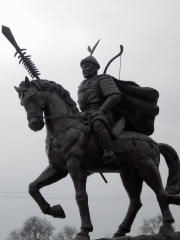
Emperor Taizong of Jin
1075 - 1135
HPI: 64.12
Rank: 7,069
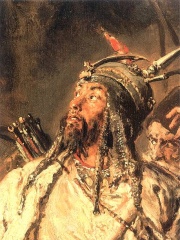
Tugay Bey
1601 - 1651
HPI: 64.12
Rank: 7,070
Armando Guebuza
1943 - Present
HPI: 64.12
Rank: 7,071

Al-Hakim I
1247 - 1302
HPI: 64.12
Rank: 7,072
Anna of Hohenstaufen
1230 - 1307
HPI: 64.12
Rank: 7,073
Maathorneferure
1250 BC - 1250 BC
HPI: 64.12
Rank: 7,074
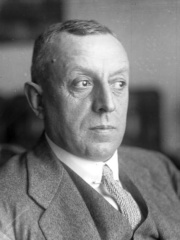
Fritz Thyssen
1873 - 1951
HPI: 64.12
Rank: 7,075
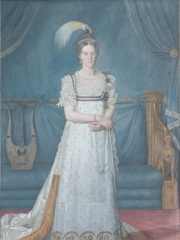
Maria Cristina of Naples and Sicily
1779 - 1849
HPI: 64.12
Rank: 7,076
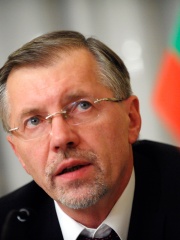
Gediminas Kirkilas
1951 - 2024
HPI: 64.12
Rank: 7,077

Contemporaries
Among people born in 1943, Armando Guebuza ranks 158. Before him are Jack Bruce, Chris Amon, Barış Manço, Edie Sedgwick, Tim Hunt, and Bob Woodward. After him are Abdul-Aziz ibn Abdullah Al ash-Sheikh, R. L. Stine, Czesława Kwoka, Dominik Duka, Ove Kindvall, and Mustafa Dzhemilev.
Others Born in 1943
Go to all Rankings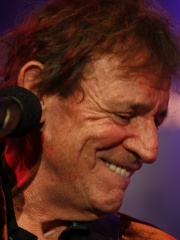
Jack Bruce
MUSICIAN
1943 - 2014
HPI: 64.27
Rank: 152
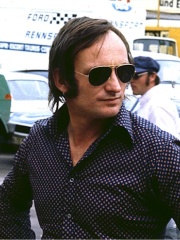
Chris Amon
RACING DRIVER
1943 - 2016
HPI: 64.21
Rank: 153
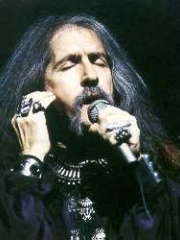
Barış Manço
MUSICIAN
1943 - 1999
HPI: 64.19
Rank: 154

Edie Sedgwick
CELEBRITY
1943 - 1971
HPI: 64.16
Rank: 155
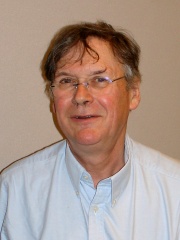
Tim Hunt
CHEMIST
1943 - Present
HPI: 64.14
Rank: 156
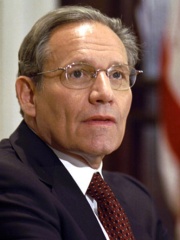
Bob Woodward
WRITER
1943 - Present
HPI: 64.14
Rank: 157
Armando Guebuza
POLITICIAN
1943 - Present
HPI: 64.12
Rank: 158
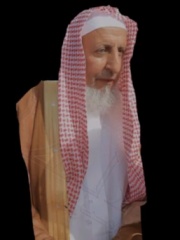
Abdul-Aziz ibn Abdullah Al ash-Sheikh
RELIGIOUS FIGURE
1943 - 2025
HPI: 64.12
Rank: 159
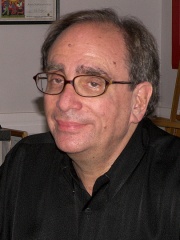
R. L. Stine
WRITER
1943 - Present
HPI: 64.11
Rank: 160
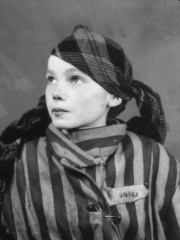
Czesława Kwoka
SOCIAL ACTIVIST
1943 - 1943
HPI: 64.07
Rank: 161
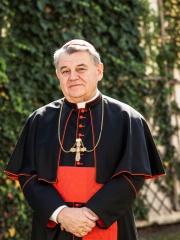
Dominik Duka
RELIGIOUS FIGURE
1943 - 2025
HPI: 64.07
Rank: 162
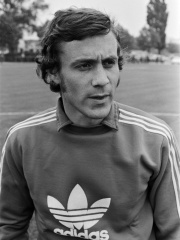
Ove Kindvall
SOCCER PLAYER
1943 - 2025
HPI: 64.06
Rank: 163
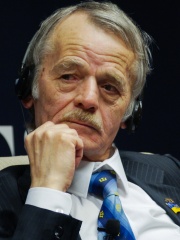
Mustafa Dzhemilev
POLITICIAN
1943 - Present
HPI: 64.00
Rank: 164
In Мозамбик
Among people born in Мозамбик, Armando Guebuza ranks 9 out of NaN. Before him are Samora Machel (1933), Carlos Queiroz (1953), Joaquim Chissano (1939), Filipe Nyusi (1959), Afric Simone (1956), and Graça Machel (1945). After him are Mário Coluna (1935), Paulo Fonseca (1973), Júlio Duarte Langa (1927), Otelo Saraiva de Carvalho (1936), Eduardo Mondlane (1920), and Alexandre José Maria dos Santos (1924).
Others born in Мозамбик
Go to all Rankings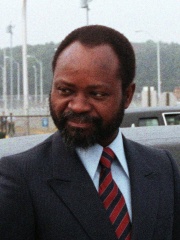
Samora Machel
POLITICIAN
1933 - 1986
HPI: 69.83
Rank: 3
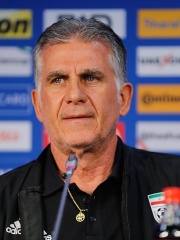
Carlos Queiroz
SOCCER PLAYER
1953 - Present
HPI: 69.51
Rank: 4
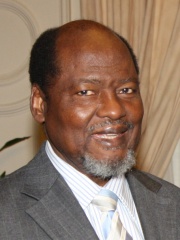
Joaquim Chissano
POLITICIAN
1939 - Present
HPI: 67.37
Rank: 5
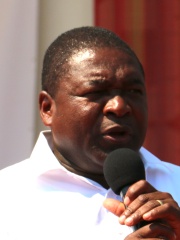
Filipe Nyusi
POLITICIAN
1959 - Present
HPI: 67.16
Rank: 6
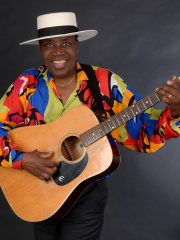
Afric Simone
SINGER
1956 - Present
HPI: 67.15
Rank: 7
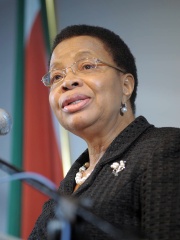
Graça Machel
POLITICIAN
1945 - Present
HPI: 65.78
Rank: 8
Armando Guebuza
POLITICIAN
1943 - Present
HPI: 64.12
Rank: 9
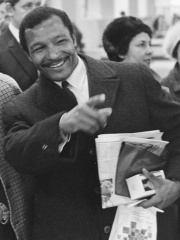
Mário Coluna
SOCCER PLAYER
1935 - 2014
HPI: 63.99
Rank: 10

Paulo Fonseca
SOCCER PLAYER
1973 - Present
HPI: 62.75
Rank: 11
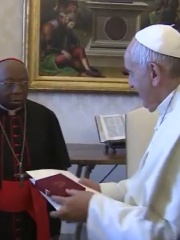
Júlio Duarte Langa
RELIGIOUS FIGURE
1927 - Present
HPI: 62.24
Rank: 12

Otelo Saraiva de Carvalho
MILITARY PERSONNEL
1936 - 2021
HPI: 61.67
Rank: 13
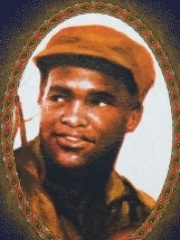
Eduardo Mondlane
POLITICIAN
1920 - 1969
HPI: 61.24
Rank: 14
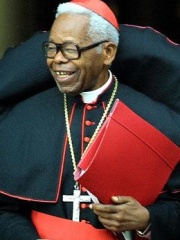
Alexandre José Maria dos Santos
RELIGIOUS FIGURE
1924 - 2021
HPI: 60.58
Rank: 15
Among Политик In Мозамбик
Among политик born in Мозамбик, Armando Guebuza ranks 5. Before him are Samora Machel (1933), Joaquim Chissano (1939), Filipe Nyusi (1959), and Graça Machel (1945). After him are Eduardo Mondlane (1920), Luísa Diogo (1958), Carlos Agostinho do Rosário (1954), Pascoal Mocumbi (1941), Mário da Graça Machungo (1941), Marcelino dos Santos (1929), and Afonso Dhlakama (1953).
Samora Machel
1933 - 1986
HPI: 69.83
Rank: 1
Joaquim Chissano
1939 - Present
HPI: 67.37
Rank: 2
Filipe Nyusi
1959 - Present
HPI: 67.16
Rank: 3
Graça Machel
1945 - Present
HPI: 65.78
Rank: 4
Armando Guebuza
1943 - Present
HPI: 64.12
Rank: 5
Eduardo Mondlane
1920 - 1969
HPI: 61.24
Rank: 6
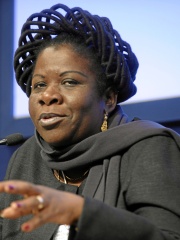
Luísa Diogo
1958 - 2026
HPI: 60.31
Rank: 7
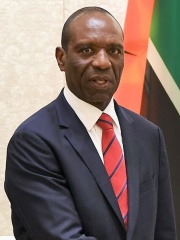
Carlos Agostinho do Rosário
1954 - Present
HPI: 59.87
Rank: 8

Pascoal Mocumbi
1941 - 2023
HPI: 57.89
Rank: 9

Mário da Graça Machungo
1941 - 2020
HPI: 56.99
Rank: 10
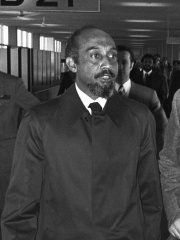
Marcelino dos Santos
1929 - 2020
HPI: 54.33
Rank: 11
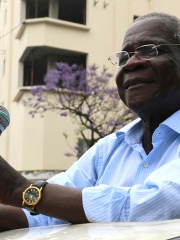
Afonso Dhlakama
1953 - 2018
HPI: 53.85
Rank: 12




