Политик
Filipe Nyusi
1959 - настоящее время
ПРОСМОТРЫ RU.WIKIPEDIA (PV)
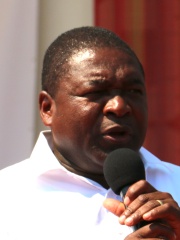
 Filipe Nyusi
Его биография доступна на 54 различных языках в Википедии (рост с 50 в 2024 году). Filipe Nyusi занимает 4531-е место среди самых популярных политик (рост с 7602-е места в 2024 году), занимает 6-е место среди самых популярных биографий из Мозамбика (рост с 9-е места в 2019 году) и занимает 3-е место среди политик Мозамбик.
Метрики памятности
66k
Просмотры страниц
За последние 12 месяцев
67.16
HPI
Индекс исторической популярности
Интересные факты
+9,384
Filipe Nyusi поднялся на 9,384 позиций в мировом рейтинге HPI Pantheon, с 23,360-го на 13,988-е место.
54
Биография Filipe Nyusi представлена в 54 языковых разделах Википедии, больше, чем у 92 % всех Политик.
Просмотры страницы Filipe Nyusi по языкам
Среди представителей профессии «Политик»
Среди представителей профессии «Политик» Filipe Nyusi занимает 4,529-е место из 20,022. Перед ним идут Robert I, Count of Flanders, Juan Negrín, Margaret of Savoy, Vicereine of Portugal, Emperor Ninken, Sigismund Kęstutaitis, и Túpac Huallpa. После него идут Alexander III of Scotland, Emperor Seiwa, Leopold, Prince of Hohenzollern, Robert III of Scotland, Winnie Madikizela-Mandela, и Alexandros Papagos.
Самые популярные в Википедии: Политик
Все рейтинги
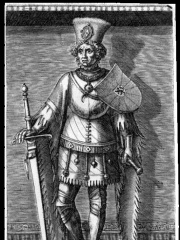
Robert I, Count of Flanders
1035 - 1093
HPI: 67.17
Место: 4,525
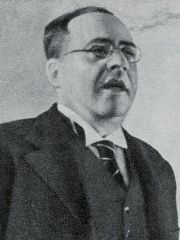
Juan Negrín
1892 - 1956
HPI: 67.17
Место: 4,526
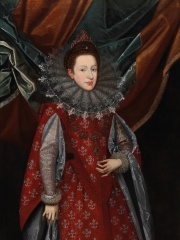
Margaret of Savoy, Vicereine of Portugal
1589 - 1655
HPI: 67.17
Место: 4,527
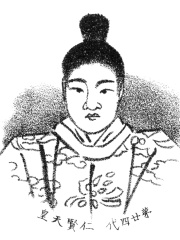
Emperor Ninken
449 - 498
HPI: 67.17
Место: 4,528
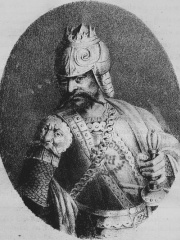
Sigismund Kęstutaitis
1365 - 1440
HPI: 67.17
Место: 4,529
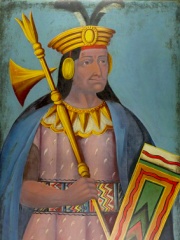
Túpac Huallpa
1510 - 1533
HPI: 67.16
Место: 4,530
Filipe Nyusi
1959 - наст. время
HPI: 67.16
Место: 4,531
Alexander III of Scotland
1241 - 1286
HPI: 67.16
Место: 4,532
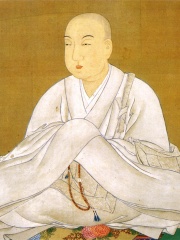
Emperor Seiwa
850 - 881
HPI: 67.16
Место: 4,533
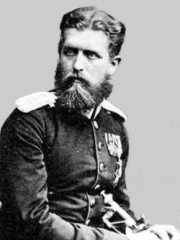
Leopold, Prince of Hohenzollern
1835 - 1905
HPI: 67.16
Место: 4,534
Robert III of Scotland
1330 - 1406
HPI: 67.16
Место: 4,535
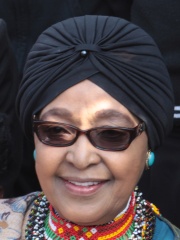
Winnie Madikizela-Mandela
1936 - 2018
HPI: 67.16
Место: 4,536
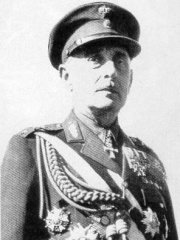
Alexandros Papagos
1883 - 1955
HPI: 67.16
Место: 4,537

Современники
Среди людей, родившихся в 1959 году, Filipe Nyusi занимает 47-е место. Перед ним идут Magic Johnson, Mauricio Macri, Abdullah of Pahang, Ali Bongo Ondimba, Kelly Lynch, и Brian Thompson. После него идут Moza bint Nasser, Sarah Ferguson, Ameenah Gurib, Inger Nilsson, Christian Wulff, и Ramón Díaz.
Другие люди, родившиеся в 1959 году
Все рейтинги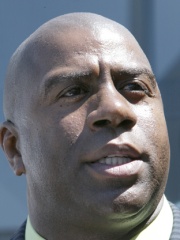
Magic Johnson
BASKETBALL PLAYER
1959 - наст. время
HPI: 67.81
Место: 41
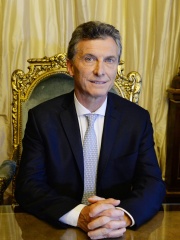
Mauricio Macri
POLITICIAN
1959 - наст. время
HPI: 67.49
Место: 42
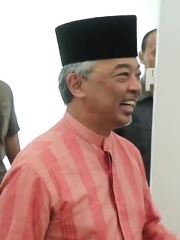
Abdullah of Pahang
POLITICIAN
1959 - наст. время
HPI: 67.48
Место: 43
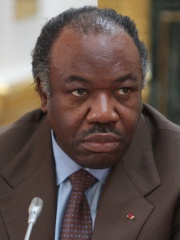
Ali Bongo Ondimba
POLITICIAN
1959 - наст. время
HPI: 67.33
Место: 44
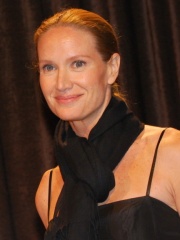
Kelly Lynch
ACTOR
1959 - наст. время
HPI: 67.30
Место: 45

Brian Thompson
ACTOR
1959 - наст. время
HPI: 67.17
Место: 46
Filipe Nyusi
POLITICIAN
1959 - наст. время
HPI: 67.16
Место: 47
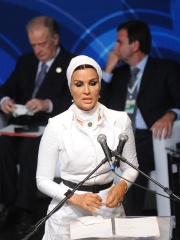
Moza bint Nasser
POLITICIAN
1959 - наст. время
HPI: 67.03
Место: 48
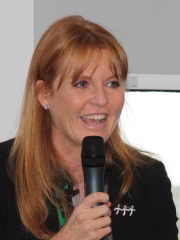
Sarah Ferguson
WRITER
1959 - наст. время
HPI: 66.96
Место: 49
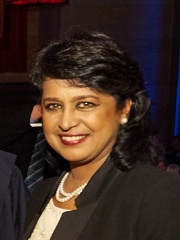
Ameenah Gurib
POLITICIAN
1959 - наст. время
HPI: 66.83
Место: 50

Inger Nilsson
ACTOR
1959 - наст. время
HPI: 66.72
Место: 51
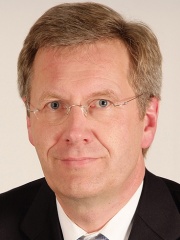
Christian Wulff
POLITICIAN
1959 - наст. время
HPI: 66.69
Место: 52

Ramón Díaz
SOCCER PLAYER
1959 - наст. время
HPI: 66.64
Место: 53
В стране Мозамбик
Среди людей, родившихся в стране Мозамбик, Filipe Nyusi занимает 6-е место из 54. Перед ним идут Eusébio (1942), Yasuke (1530), Samora Machel (1933), Carlos Queiroz (1953), и Joaquim Chissano (1939). После него идут Afric Simone (1956), Graça Machel (1945), Armando Guebuza (1943), Mário Coluna (1935), Paulo Fonseca (1973), и Júlio Duarte Langa (1927).
Другие люди, родившиеся в стране Мозамбик
Все рейтинги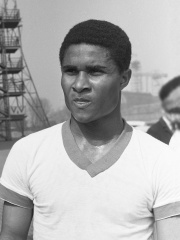
Eusébio
SOCCER PLAYER
1942 - 2014
HPI: 81.41
Место: 1
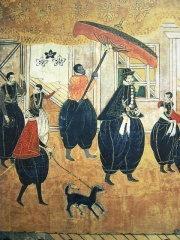
Yasuke
RELIGIOUS FIGURE
1530 - наст. время
HPI: 74.43
Место: 2
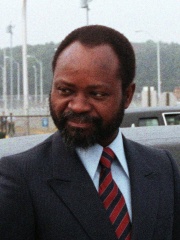
Samora Machel
POLITICIAN
1933 - 1986
HPI: 69.83
Место: 3

Carlos Queiroz
SOCCER PLAYER
1953 - наст. время
HPI: 69.51
Место: 4
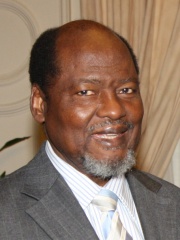
Joaquim Chissano
POLITICIAN
1939 - наст. время
HPI: 67.37
Место: 5
Filipe Nyusi
POLITICIAN
1959 - наст. время
HPI: 67.16
Место: 6
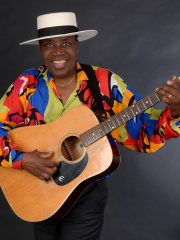
Afric Simone
SINGER
1956 - наст. время
HPI: 67.15
Место: 7
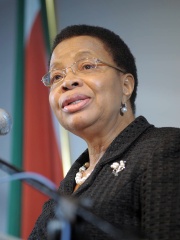
Graça Machel
POLITICIAN
1945 - наст. время
HPI: 65.78
Место: 8
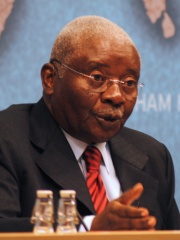
Armando Guebuza
POLITICIAN
1943 - наст. время
HPI: 64.12
Место: 9
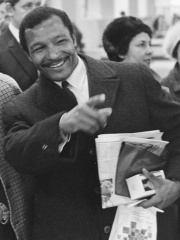
Mário Coluna
SOCCER PLAYER
1935 - 2014
HPI: 63.99
Место: 10

Paulo Fonseca
SOCCER PLAYER
1973 - наст. время
HPI: 62.75
Место: 11
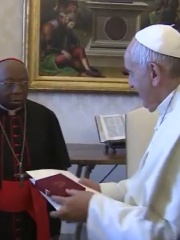
Júlio Duarte Langa
RELIGIOUS FIGURE
1927 - наст. время
HPI: 62.24
Место: 12
Среди представителей профессии «Политик» в стране Мозамбик
Среди представителей профессии «Политик», родившихся в стране Мозамбик, Filipe Nyusi занимает 3-е место. Перед ним идут Samora Machel (1933), и Joaquim Chissano (1939). После него идут Graça Machel (1945), Armando Guebuza (1943), Eduardo Mondlane (1920), Luísa Diogo (1958), Carlos Agostinho do Rosário (1954), Pascoal Mocumbi (1941), Mário da Graça Machungo (1941), Marcelino dos Santos (1929), и Afonso Dhlakama (1953).
Samora Machel
1933 - 1986
HPI: 69.83
Место: 1
Joaquim Chissano
1939 - наст. время
HPI: 67.37
Место: 2
Filipe Nyusi
1959 - наст. время
HPI: 67.16
Место: 3
Graça Machel
1945 - наст. время
HPI: 65.78
Место: 4
Armando Guebuza
1943 - наст. время
HPI: 64.12
Место: 5
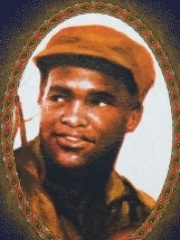
Eduardo Mondlane
1920 - 1969
HPI: 61.24
Место: 6
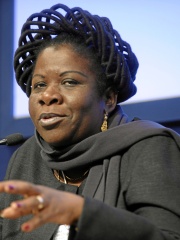
Luísa Diogo
1958 - 2026
HPI: 60.31
Место: 7
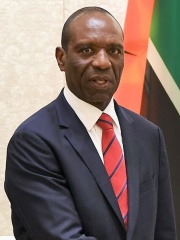
Carlos Agostinho do Rosário
1954 - наст. время
HPI: 59.87
Место: 8

Pascoal Mocumbi
1941 - 2023
HPI: 57.89
Место: 9

Mário da Graça Machungo
1941 - 2020
HPI: 56.99
Место: 10
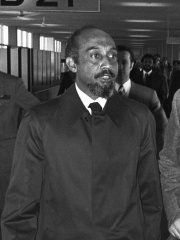
Marcelino dos Santos
1929 - 2020
HPI: 54.33
Место: 11
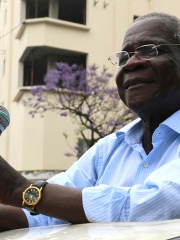
Afonso Dhlakama
1953 - 2018
HPI: 53.85
Место: 12




