Író
Antarah ibn Shaddad
525 - 615
HU.WIKIPEDIA PAGE VIEWS (PV)
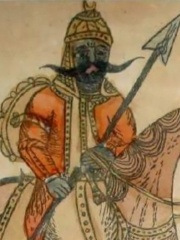
 Antarah ibn Shaddad
Életrajza 32 különböző nyelven érhető el a Wikipédián (növekedés 31-ről 2024-ben). Antarah ibn Shaddad a 1,154th legnépszerűbb író (csökkenés a 1,120th-ről 2024-ben), a 117th legnépszerűbb életrajz Szaúd-Arábia országából (növekedés a 129th-ről 2019-ben) és a 2nd legnépszerűbb Szaúd-Arábiaból író.
Memorability Metrics
240k
Page Views
Past 12 months
67.21
HPI
Historical Popularity Index
Page views of Antarah ibn Shaddad by language
Among Író
Among író, Antarah ibn Shaddad ranks 1,154 out of 7,302. Before him are Chiara Lubich, Assia Djebar, Frans Sammut, Jean-François Marmontel, Jean Webster, and Charles Simic. After him are Friedrich de la Motte Fouqué, Gottfried Keller, P. G. Wodehouse, Vladimir Bartol, Irving Stone, and Marcel Pagnol.
Most Popular ÍRó in Wikipedia
Go to all Rankings
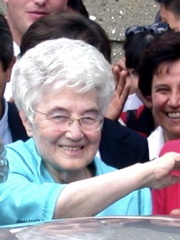
Chiara Lubich
1920 - 2008
HPI: 67.24
Rank: 1,148

Assia Djebar
1936 - 2015
HPI: 67.24
Rank: 1,149
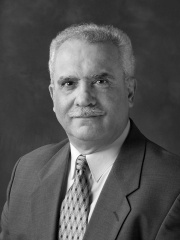
Frans Sammut
1945 - 2011
HPI: 67.23
Rank: 1,150

Jean-François Marmontel
1723 - 1799
HPI: 67.22
Rank: 1,151
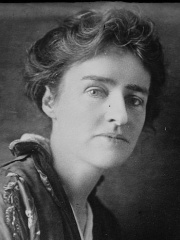
Jean Webster
1876 - 1916
HPI: 67.22
Rank: 1,152
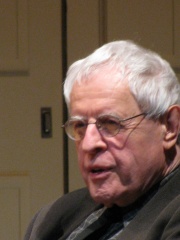
Charles Simic
1938 - 2023
HPI: 67.22
Rank: 1,153
Antarah ibn Shaddad
525 - 615
HPI: 67.21
Rank: 1,154
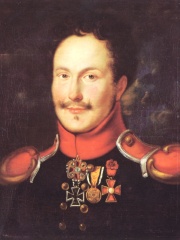
Friedrich de la Motte Fouqué
1777 - 1843
HPI: 67.20
Rank: 1,155
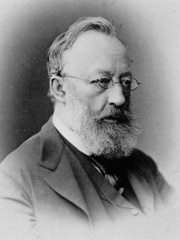
Gottfried Keller
1819 - 1890
HPI: 67.18
Rank: 1,156
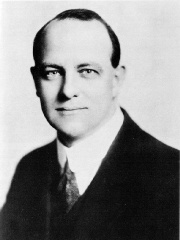
P. G. Wodehouse
1881 - 1975
HPI: 67.18
Rank: 1,157

Vladimir Bartol
1903 - 1967
HPI: 67.17
Rank: 1,158

Irving Stone
1903 - 1989
HPI: 67.17
Rank: 1,159
Marcel Pagnol
1895 - 1974
HPI: 67.16
Rank: 1,160

Contemporaries
Among people born in 525, Antarah ibn Shaddad ranks 3. Before him are Pope Benedict I, and Liuvigild. After him are Justinian, Alexander of Tralles, and Aneirin. Among people deceased in 615, Antarah ibn Shaddad ranks 5. Before him are Pope Boniface IV, Sumayyah bint Khabbat, Abdullah ibn Muhammad, and Columbanus.
Others Born in 525
Go to all Rankings
Pope Benedict I
RELIGIOUS FIGURE
525 - 579
HPI: 77.38
Rank: 1
Liuvigild
POLITICIAN
525 - 586
HPI: 69.18
Rank: 2
Antarah ibn Shaddad
WRITER
525 - 615
HPI: 67.21
Rank: 3

Justinian
MILITARY PERSONNEL
525 - 582
HPI: 64.80
Rank: 4

Alexander of Tralles
POLITICIAN
525 - 605
HPI: 63.24
Rank: 5

Aneirin
WRITER
525 - 600
HPI: 54.77
Rank: 6
Others Deceased in 615
Go to all Rankings
Pope Boniface IV
RELIGIOUS FIGURE
550 - 615
HPI: 76.15
Rank: 1

Sumayyah bint Khabbat
RELIGIOUS FIGURE
550 - 615
HPI: 73.12
Rank: 2

Abdullah ibn Muhammad
RELIGIOUS FIGURE
600 - 615
HPI: 71.74
Rank: 3

Columbanus
RELIGIOUS FIGURE
540 - 615
HPI: 71.59
Rank: 4
Antarah ibn Shaddad
WRITER
525 - 615
HPI: 67.21
Rank: 5
In Szaúd-Arábia
Among people born in Szaúd-Arábia, Antarah ibn Shaddad ranks 117 out of NaN. Before him are Ali of Hejaz (1879), Fatimah bint Asad (555), Abd Manaf ibn Qusai (430), Idris I of Morocco (743), Waraqah ibn Nawfal (null), and Hashim ibn Abd Manaf (464). After him are Jabir ibn Abd Allah (607), Al-Waleed bin Talal (1955), Uqba ibn Nafi (622), Abdullah ibn Salam (550), Abd al-Aziz ibn Baz (1910), and Ubayy ibn Ka'b (600).
Others born in Szaúd-Arábia
Go to all Rankings
Ali of Hejaz
POLITICIAN
1879 - 1935
HPI: 68.07
Rank: 111

Fatimah bint Asad
RELIGIOUS FIGURE
555 - 625
HPI: 67.82
Rank: 112

Abd Manaf ibn Qusai
RELIGIOUS FIGURE
430 - 600
HPI: 67.54
Rank: 113
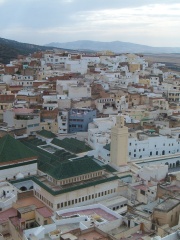
Idris I of Morocco
POLITICIAN
743 - 791
HPI: 67.53
Rank: 114

Waraqah ibn Nawfal
RELIGIOUS FIGURE
HPI: 67.31
Rank: 115

Hashim ibn Abd Manaf
RELIGIOUS FIGURE
464 - 497
HPI: 67.29
Rank: 116
Antarah ibn Shaddad
WRITER
525 - 615
HPI: 67.21
Rank: 117

Jabir ibn Abd Allah
COMPANION
607 - 697
HPI: 66.91
Rank: 118

Al-Waleed bin Talal
BUSINESSPERSON
1955 - Present
HPI: 66.71
Rank: 119
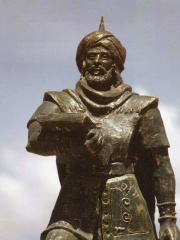
Uqba ibn Nafi
MILITARY PERSONNEL
622 - 683
HPI: 66.66
Rank: 120

Abdullah ibn Salam
RELIGIOUS FIGURE
550 - 643
HPI: 66.65
Rank: 121
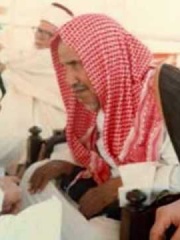
Abd al-Aziz ibn Baz
POLITICIAN
1910 - 1999
HPI: 66.55
Rank: 122

Ubayy ibn Ka'b
RELIGIOUS FIGURE
600 - 649
HPI: 66.46
Rank: 123
Among Író In Szaúd-Arábia
Among író born in Szaúd-Arábia, Antarah ibn Shaddad ranks 2. Before him are Jamal Khashoggi (1958). After him are Imru' al-Qais (501), Ka'b ibn al-Ashraf (600), Al-Khansa (575), Hassan ibn Thabit (554), Al-A'sha (570), Ka'b ibn Zuhayr (700), Umar ibn Abi Rabi'ah (644), Al-Shanfara (null), Raif Badawi (1984), and Hiba Abu Nada (1991).

Jamal Khashoggi
1958 - 2018
HPI: 69.21
Rank: 1
Antarah ibn Shaddad
525 - 615
HPI: 67.21
Rank: 2
Imru' al-Qais
501 - 544
HPI: 66.04
Rank: 3

Ka'b ibn al-Ashraf
600 - 624
HPI: 65.87
Rank: 4
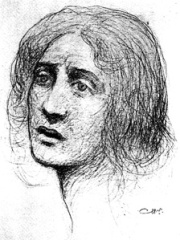
Al-Khansa
575 - 645
HPI: 64.95
Rank: 5
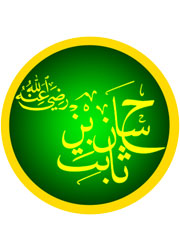
Hassan ibn Thabit
554 - 674
HPI: 64.61
Rank: 6

Al-A'sha
570 - 629
HPI: 60.17
Rank: 7

Ka'b ibn Zuhayr
700 - 662
HPI: 59.64
Rank: 8

Umar ibn Abi Rabi'ah
644 - 712
HPI: 57.41
Rank: 9

Al-Shanfara
HPI: 55.92
Rank: 10

Raif Badawi
1984 - Present
HPI: 50.27
Rank: 11

Hiba Abu Nada
1991 - 2023
HPI: 48.09
Rank: 12




