Military Personnel
Andrew Parker Bowles
British Army officer; first husband of Queen Camilla
1939 - today
EN.WIKIPEDIA PAGE VIEWS (PV)

 Andrew Parker Bowles
His biography is available in 18 different languages on Wikipedia (up from 17 in 2024). Andrew Parker Bowles is the 1,019th most popular military personnel (down from 852nd in 2024), the 2,022nd most popular biography from United Kingdom (down from 1,506th in 2019) and the 42nd most popular British Military Personnel.
Memorability Metrics
670k
Page Views
Past 12 months
62.11
HPI
Historical Popularity Index
Page views of Andrew Parker Bowles by language
Among Military Personnels
Among military personnels, Andrew Parker Bowles ranks 1,019 out of 2,058. Before him are Vasili Mitrokhin, Hannibal Gisco, Alfredo Guzzoni, Joseph Trumpeldor, Charlie Wilson, and Vetranio. After him are Jean-Étienne Championnet, Joachim Schepke, Peter Tordenskjold, Lamachus, Constantin Prezan, and Karl-Jesko von Puttkamer.
Most Popular Military Personnels in Wikipedia
Go to all Rankings
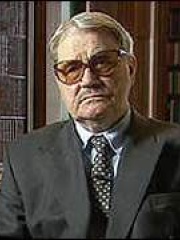
Vasili Mitrokhin
1922 - 2004
HPI: 62.13
Rank: 1,013

Hannibal Gisco
300 BC - 260 BC
HPI: 62.12
Rank: 1,014
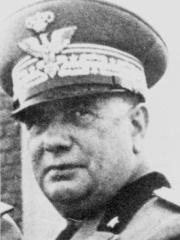
Alfredo Guzzoni
1877 - 1965
HPI: 62.12
Rank: 1,015
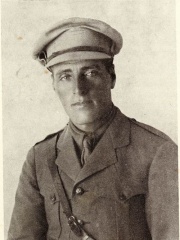
Joseph Trumpeldor
1880 - 1920
HPI: 62.12
Rank: 1,016
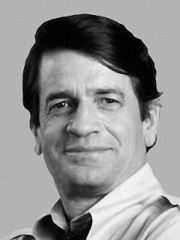
Charlie Wilson
1933 - 2010
HPI: 62.12
Rank: 1,017
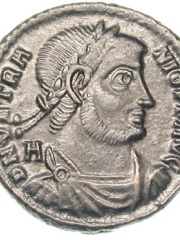
Vetranio
300 - 356
HPI: 62.11
Rank: 1,018
Andrew Parker Bowles
1939 - Present
HPI: 62.11
Rank: 1,019
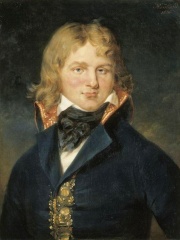
Jean-Étienne Championnet
1762 - 1800
HPI: 62.10
Rank: 1,020
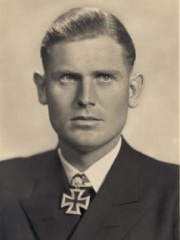
Joachim Schepke
1912 - 1941
HPI: 62.10
Rank: 1,021
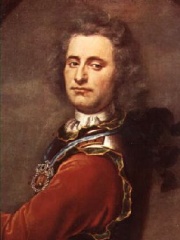
Peter Tordenskjold
1690 - 1720
HPI: 62.10
Rank: 1,022

Lamachus
500 BC - 414 BC
HPI: 62.09
Rank: 1,023
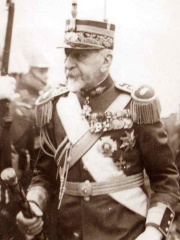
Constantin Prezan
1861 - 1943
HPI: 62.08
Rank: 1,024
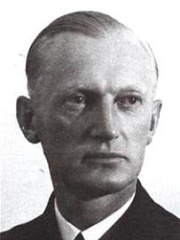
Karl-Jesko von Puttkamer
1900 - 1981
HPI: 62.05
Rank: 1,025

Contemporaries
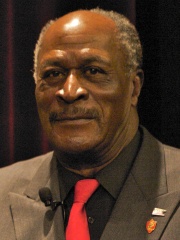
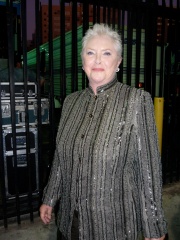
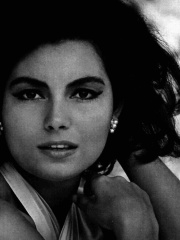
Among people born in 1939, Andrew Parker Bowles ranks 172. Before him are Neil Sedaka, Dick Scobee, John Amos, Joseph D. Pistone, Susan Flannery, and Rosanna Schiaffino. After him are Lili Ivanova, Frank Vincent, Brian Mulroney, Harold E. Varmus, Heinz Holliger, and Sal Mineo.
Others Born in 1939
Go to all Rankings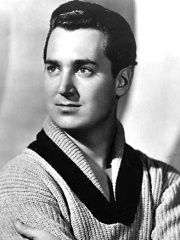
Neil Sedaka
SINGER
1939 - 2026
HPI: 62.23
Rank: 166
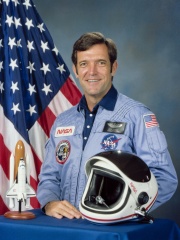
Dick Scobee
ASTRONAUT
1939 - 1986
HPI: 62.22
Rank: 167
John Amos
ACTOR
1939 - 2024
HPI: 62.21
Rank: 168
Joseph D. Pistone
WRITER
1939 - Present
HPI: 62.17
Rank: 169
Susan Flannery
ACTOR
1939 - Present
HPI: 62.17
Rank: 170
Rosanna Schiaffino
ACTOR
1939 - 2009
HPI: 62.13
Rank: 171
Andrew Parker Bowles
MILITARY PERSONNEL
1939 - Present
HPI: 62.11
Rank: 172
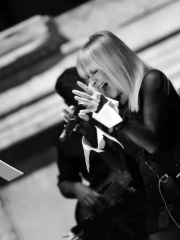
Lili Ivanova
SINGER
1939 - Present
HPI: 62.07
Rank: 173
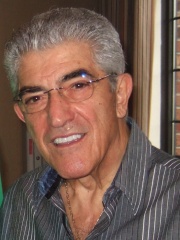
Frank Vincent
ACTOR
1939 - 2017
HPI: 62.06
Rank: 174
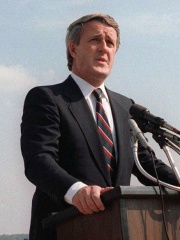
Brian Mulroney
POLITICIAN
1939 - 2024
HPI: 62.06
Rank: 175
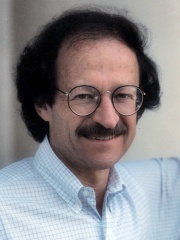
Harold E. Varmus
BIOLOGIST
1939 - Present
HPI: 61.95
Rank: 176
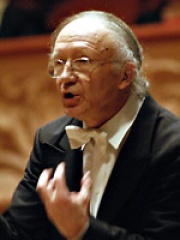
Heinz Holliger
COMPOSER
1939 - Present
HPI: 61.79
Rank: 177
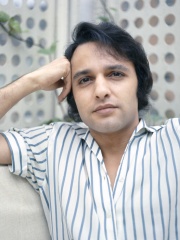
Sal Mineo
ACTOR
1939 - 1976
HPI: 61.78
Rank: 178
In United Kingdom
Among people born in United Kingdom, Andrew Parker Bowles ranks 2,022 out of NaN. Before him are Sister Nivedita (1867), Princess Patricia of Connaught (1886), Alan Walker (1997), Samuel Liddell MacGregor Mathers (1854), Wallace Hartley (1878), and Herbert Pitman (1877). After him are Alexander McQueen (1969), Alfred Fowler (1868), J. Stuart Blackton (1875), James Broun-Ramsay, 1st Marquess of Dalhousie (1812), Lindsay Duncan (1950), and Don Thompson (1933).
Others born in United Kingdom
Go to all Rankings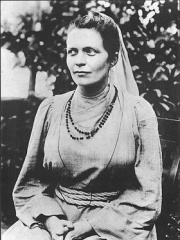
Sister Nivedita
WRITER
1867 - 1911
HPI: 62.12
Rank: 2,016
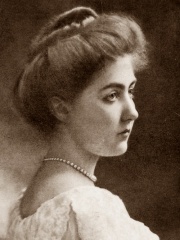
Princess Patricia of Connaught
POLITICIAN
1886 - 1974
HPI: 62.12
Rank: 2,017

Alan Walker
MUSICIAN
1997 - Present
HPI: 62.12
Rank: 2,018
Samuel Liddell MacGregor Mathers
OCCULTIST
1854 - 1918
HPI: 62.11
Rank: 2,019

Wallace Hartley
MUSICIAN
1878 - 1912
HPI: 62.11
Rank: 2,020
Herbert Pitman
POLITICIAN
1877 - 1961
HPI: 62.11
Rank: 2,021
Andrew Parker Bowles
MILITARY PERSONNEL
1939 - Present
HPI: 62.11
Rank: 2,022

Alexander McQueen
DESIGNER
1969 - 2010
HPI: 62.11
Rank: 2,023
Alfred Fowler
ASTRONOMER
1868 - 1940
HPI: 62.10
Rank: 2,024
J. Stuart Blackton
FILM DIRECTOR
1875 - 1941
HPI: 62.10
Rank: 2,025
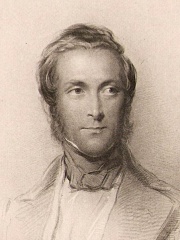
James Broun-Ramsay, 1st Marquess of Dalhousie
POLITICIAN
1812 - 1860
HPI: 62.10
Rank: 2,026

Lindsay Duncan
ACTOR
1950 - Present
HPI: 62.09
Rank: 2,027
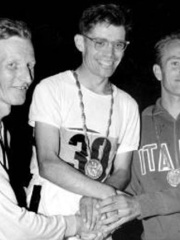
Don Thompson
ATHLETE
1933 - 2006
HPI: 62.08
Rank: 2,028
Among Military Personnels In United Kingdom
Among military personnels born in United Kingdom, Andrew Parker Bowles ranks 42. Before him are Joseph Boxhall (1884), Woodes Rogers (1679), John Moore (1761), Bertram Ramsay (1883), William Howe, 5th Viscount Howe (1729), and Henry Allingham (1896). After him are Arthur Tedder, 1st Baron Tedder (1890), Richard Dannatt (1950), James Wolfe (1727), Robert Blake (1599), Arthur Rostron (1869), and Horatio Gates (1727).
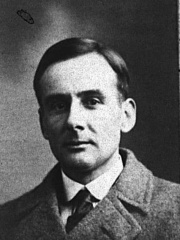
Joseph Boxhall
1884 - 1967
HPI: 63.15
Rank: 36
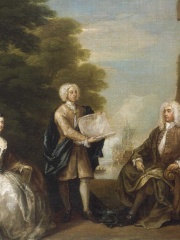
Woodes Rogers
1679 - 1732
HPI: 63.12
Rank: 37
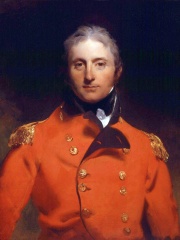
John Moore
1761 - 1809
HPI: 62.88
Rank: 38
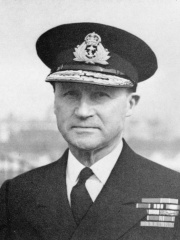
Bertram Ramsay
1883 - 1945
HPI: 62.39
Rank: 39
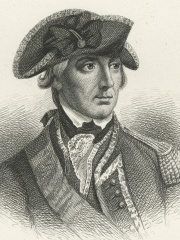
William Howe, 5th Viscount Howe
1729 - 1814
HPI: 62.20
Rank: 40
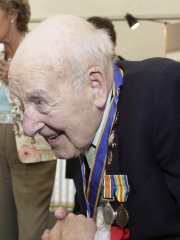
Henry Allingham
1896 - 2009
HPI: 62.17
Rank: 41
Andrew Parker Bowles
1939 - Present
HPI: 62.11
Rank: 42
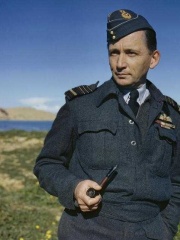
Arthur Tedder, 1st Baron Tedder
1890 - 1967
HPI: 62.04
Rank: 43
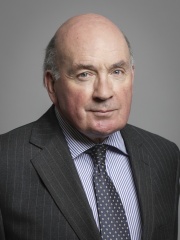
Richard Dannatt
1950 - Present
HPI: 62.02
Rank: 44
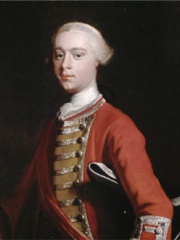
James Wolfe
1727 - 1759
HPI: 61.96
Rank: 45
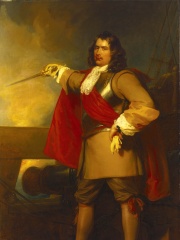
Robert Blake
1599 - 1657
HPI: 61.89
Rank: 46
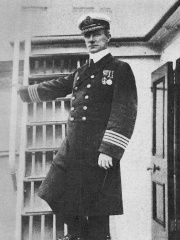
Arthur Rostron
1869 - 1940
HPI: 61.68
Rank: 47
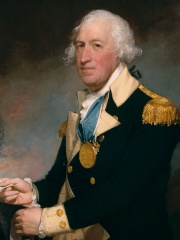
Horatio Gates
1727 - 1806
HPI: 61.55
Rank: 48




