Figura religiosa
Andrea Amati
1505 - 1577
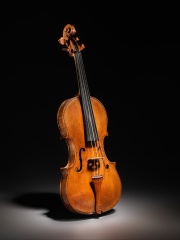
 Andrea Amati
Su biografía está disponible en 19 idiomas en Wikipedia. Andrea Amati ocupa el puesto 1009 entre los figura religiosa más populares (bajó del puesto 828 en 2024), el puesto 1360 entre las biografías más populares de Italia (bajó del puesto 1160 en 2019) y el puesto 317 entre los figura religiosa de italia más populares.
Memorability Metrics
23k
Page Views
Past 12 months
66.84
HPI
Historical Popularity Index
Page views of Andrea Amati by language
Among Figura religiosas
Among figura religiosas, Andrea Amati ranks 1,009 out of 3,187. Before him are Peter Mogila, Leopold Mandić, John of Matha, Vilna Gaon, Isidore of Kiev, and John the Merciful. After him are Teobaldo Boccapecci, Sebastian Castellio, Mariano Rampolla, Melito of Sardis, Agathius, and Aleksandr Akimov.
Most Popular Figura Religiosas in Wikipedia
Go to all Rankings
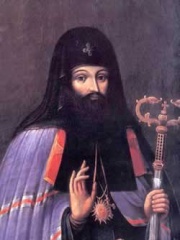
Peter Mogila
1596 - 1647
HPI: 66.94
Rank: 1,003
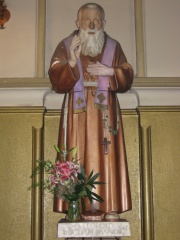
Leopold Mandić
1866 - 1942
HPI: 66.93
Rank: 1,004
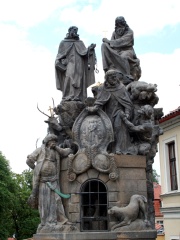
John of Matha
1150 - 1213
HPI: 66.89
Rank: 1,005
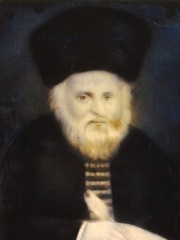
Vilna Gaon
1720 - 1797
HPI: 66.86
Rank: 1,006
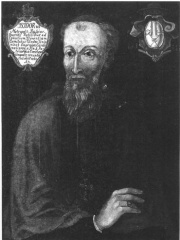
Isidore of Kiev
1385 - 1463
HPI: 66.86
Rank: 1,007
John the Merciful
550 - 619
HPI: 66.86
Rank: 1,008
Andrea Amati
1505 - 1577
HPI: 66.84
Rank: 1,009
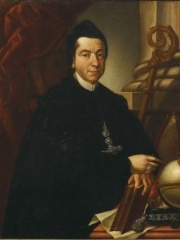
Teobaldo Boccapecci
1100 - 1126
HPI: 66.84
Rank: 1,010
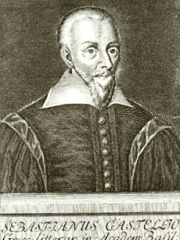
Sebastian Castellio
1515 - 1563
HPI: 66.83
Rank: 1,011
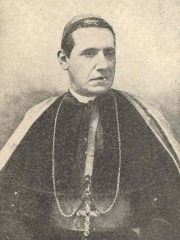
Mariano Rampolla
1843 - 1913
HPI: 66.82
Rank: 1,012
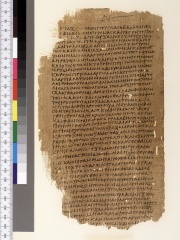
Melito of Sardis
140 - 180
HPI: 66.81
Rank: 1,013
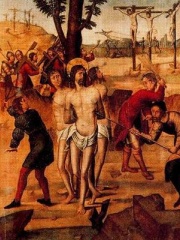
Agathius
300 - 303
HPI: 66.81
Rank: 1,014
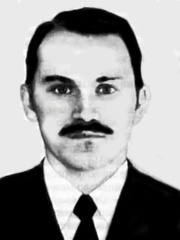
Aleksandr Akimov
1953 - 1986
HPI: 66.80
Rank: 1,015

Contemporaries
Among people born in 1505, Andrea Amati ranks 4. Before him are Sokollu Mehmed Pasha, Mary of Hungary, and Joachim II Hector, Elector of Brandenburg. After him are Jane Boleyn, Viscountess Rochford, Michel de l'Hôpital, Mikołaj Rej, Juan de Valdés, Lambert Lombard, Christine of Saxony, Nikolaus Federmann, and Christoph Amberger. Among people deceased in 1577, Andrea Amati ranks 5. Before him are Eric XIV of Sweden, Ismail II, Devlet I Giray, and Pedro Nunes. After him are Anna of Saxony, Şah Sultan, Maria of Portugal, Duchess of Viseu, Infanta Maria of Guimarães, Scipione Rebiba, Alvise I Mocenigo, and Charles II, Margrave of Baden-Durlach.
Others Born in 1505
Go to all Rankings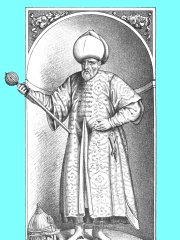
Sokollu Mehmed Pasha
POLITICIAN
1505 - 1579
HPI: 77.24
Rank: 1
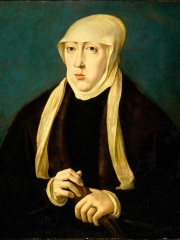
Mary of Hungary
POLITICIAN
1505 - 1558
HPI: 75.80
Rank: 2
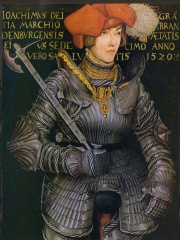
Joachim II Hector, Elector of Brandenburg
POLITICIAN
1505 - 1571
HPI: 70.76
Rank: 3
Andrea Amati
RELIGIOUS FIGURE
1505 - 1577
HPI: 66.84
Rank: 4

Jane Boleyn, Viscountess Rochford
COMPANION
1505 - 1542
HPI: 63.97
Rank: 5
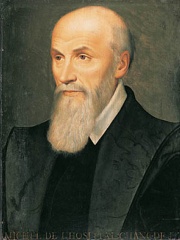
Michel de l'Hôpital
POLITICIAN
1505 - 1573
HPI: 62.95
Rank: 6
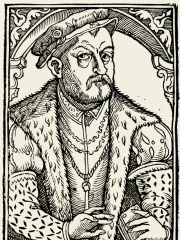
Mikołaj Rej
WRITER
1505 - 1569
HPI: 62.17
Rank: 7
Juan de Valdés
WRITER
1505 - 1541
HPI: 61.89
Rank: 8
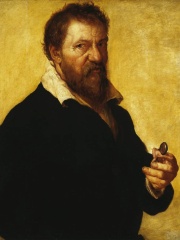
Lambert Lombard
ARCHITECT
1505 - 1566
HPI: 61.73
Rank: 9
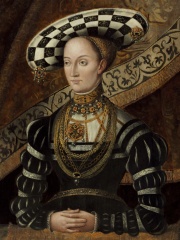
Christine of Saxony
POLITICIAN
1505 - 1549
HPI: 61.69
Rank: 10
Nikolaus Federmann
EXPLORER
1505 - 1542
HPI: 61.52
Rank: 11
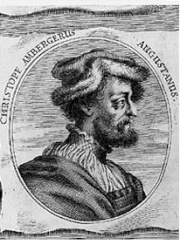
Christoph Amberger
PAINTER
1505 - 1562
HPI: 61.18
Rank: 12
Others Deceased in 1577
Go to all Rankings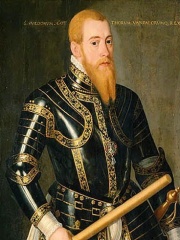
Eric XIV of Sweden
POLITICIAN
1533 - 1577
HPI: 74.99
Rank: 1
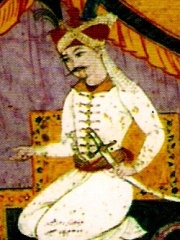
Ismail II
POLITICIAN
1533 - 1577
HPI: 70.82
Rank: 2
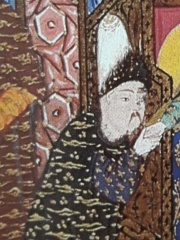
Devlet I Giray
POLITICIAN
1512 - 1577
HPI: 68.33
Rank: 3
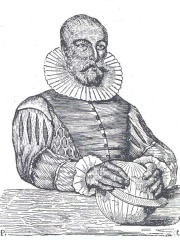
Pedro Nunes
MATHEMATICIAN
1502 - 1577
HPI: 66.92
Rank: 4
Andrea Amati
RELIGIOUS FIGURE
1505 - 1577
HPI: 66.84
Rank: 5
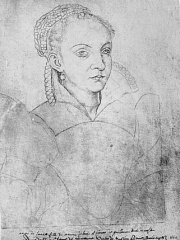
Anna of Saxony
POLITICIAN
1544 - 1577
HPI: 66.06
Rank: 6

Şah Sultan
POLITICIAN
1544 - 1577
HPI: 65.89
Rank: 7
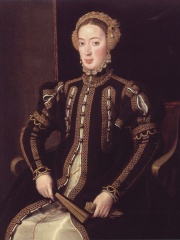
Maria of Portugal, Duchess of Viseu
NOBLEMAN
1521 - 1577
HPI: 65.84
Rank: 8
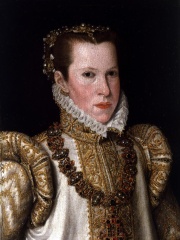
Infanta Maria of Guimarães
POLITICIAN
1538 - 1577
HPI: 65.48
Rank: 9
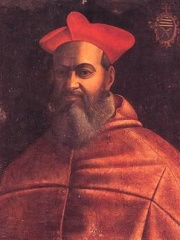
Scipione Rebiba
RELIGIOUS FIGURE
1504 - 1577
HPI: 62.92
Rank: 10
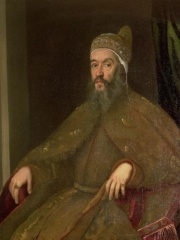
Alvise I Mocenigo
POLITICIAN
1507 - 1577
HPI: 60.43
Rank: 11
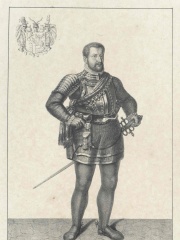
Charles II, Margrave of Baden-Durlach
POLITICIAN
1529 - 1577
HPI: 59.95
Rank: 12
In Italia
Among people born in Italia, Andrea Amati ranks 1,360 out of NaN. Before him are Armando Diaz (1861), Giovanni Battista Moroni (1525), Tullio Levi-Civita (1873), Thomas Francis, Prince of Carignano (1596), Francesco Maria I della Rovere, Duke of Urbino (1490), and Alfonso Ferrero La Marmora (1804). After him are Cima da Conegliano (1459), Teobaldo Boccapecci (1100), Matteo Bandello (1484), Alessandro Moreschi (1858), Mariano Rampolla (1843), and Radagaisus (400).
Others born in Italia
Go to all Rankings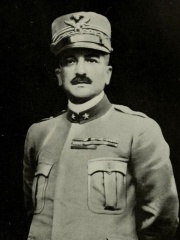
Armando Diaz
MILITARY PERSONNEL
1861 - 1928
HPI: 66.89
Rank: 1,354
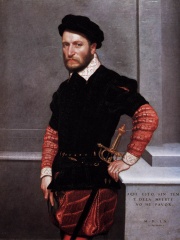
Giovanni Battista Moroni
PAINTER
1525 - 1578
HPI: 66.88
Rank: 1,355
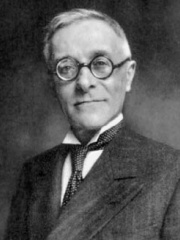
Tullio Levi-Civita
MATHEMATICIAN
1873 - 1941
HPI: 66.87
Rank: 1,356
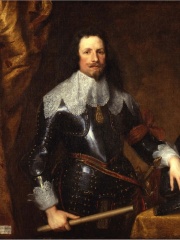
Thomas Francis, Prince of Carignano
POLITICIAN
1596 - 1656
HPI: 66.85
Rank: 1,357
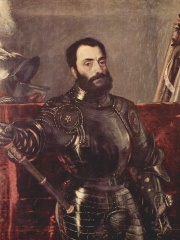
Francesco Maria I della Rovere, Duke of Urbino
POLITICIAN
1490 - 1538
HPI: 66.85
Rank: 1,358
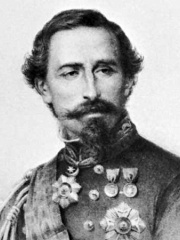
Alfonso Ferrero La Marmora
POLITICIAN
1804 - 1878
HPI: 66.84
Rank: 1,359
Andrea Amati
RELIGIOUS FIGURE
1505 - 1577
HPI: 66.84
Rank: 1,360
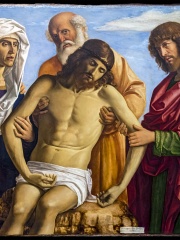
Cima da Conegliano
PAINTER
1459 - 1517
HPI: 66.84
Rank: 1,361
Teobaldo Boccapecci
RELIGIOUS FIGURE
1100 - 1126
HPI: 66.84
Rank: 1,362
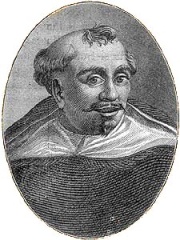
Matteo Bandello
WRITER
1484 - 1561
HPI: 66.82
Rank: 1,363
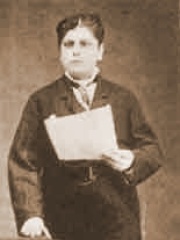
Alessandro Moreschi
SINGER
1858 - 1922
HPI: 66.82
Rank: 1,364
Mariano Rampolla
RELIGIOUS FIGURE
1843 - 1913
HPI: 66.82
Rank: 1,365
Radagaisus
POLITICIAN
400 - 406
HPI: 66.82
Rank: 1,366
Among Figura religiosas In Italia
Among figura religiosas born in Italia, Andrea Amati ranks 317. Before him are Antonio Quarracino (1923), Zita (1212), Methodios I of Constantinople (788), Benedict the Moor (1526), Ascanio Sforza (1455), and Paula of Rome (347). After him are Teobaldo Boccapecci (1100), Mariano Rampolla (1843), Gerolamo Emiliani (1486), Carlo Maria Viganò (1941), Veronica Giuliani (1660), and Lawrence of Brindisi (1559).

Antonio Quarracino
1923 - 1998
HPI: 67.14
Rank: 311

Zita
1212 - 1272
HPI: 67.05
Rank: 312
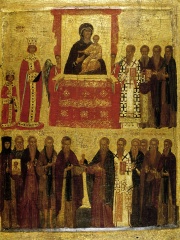
Methodios I of Constantinople
788 - 847
HPI: 67.05
Rank: 313

Benedict the Moor
1526 - 1589
HPI: 67.02
Rank: 314
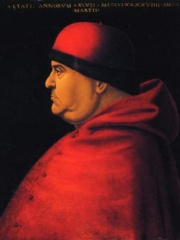
Ascanio Sforza
1455 - 1505
HPI: 67.01
Rank: 315
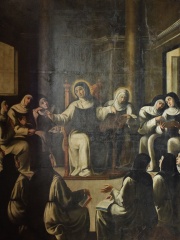
Paula of Rome
347 - 406
HPI: 67.00
Rank: 316
Andrea Amati
1505 - 1577
HPI: 66.84
Rank: 317
Teobaldo Boccapecci
1100 - 1126
HPI: 66.84
Rank: 318
Mariano Rampolla
1843 - 1913
HPI: 66.82
Rank: 319
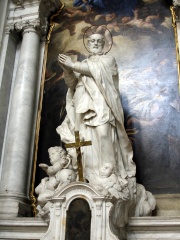
Gerolamo Emiliani
1486 - 1537
HPI: 66.80
Rank: 320
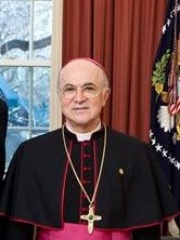
Carlo Maria Viganò
1941 - Present
HPI: 66.73
Rank: 321
Veronica Giuliani
1660 - 1727
HPI: 66.60
Rank: 322

Lawrence of Brindisi
1559 - 1619
HPI: 66.55
Rank: 323




