Polityk
Alfonso Fróilaz
911 - 933
WYŚWIETLENIA PL.WIKIPEDIA (PV)

 Alfonso Fróilaz
Jego biografia jest dostępna w 20 różnych językach w Wikipedii (wzrost z 19 w 2024 roku). Alfonso Fróilaz jest 9971. najpopularniejszym polityk (spadek z 9697. w 2024 roku), 892. najpopularniejszą biografią Hiszpania (wzrost z 894. w 2019 roku) oraz 291. najpopularniejszym polityk Hiszpania.
Wskaźniki rozpoznawalności
20k
Wyświetlenia strony
Ostatnie 12 miesięcy
61.33
HPI
Indeks historycznej popularności
Wyświetlenia strony Alfonso Fróilaz według języka
Wśród przedstawicieli zawodu Polityk
Wśród przedstawicieli zawodu „Polityk” Alfonso Fróilaz zajmuje 9,966. miejsce na 19,576. Przed nim są Samir Geagea, Duchess Amelia of Württemberg, Gustave Ador, William II Jordan, Theodoros Pangalos, i Lucius Cornelius Scipio. Po nim są Archduke Louis of Austria, Titus Aebutius Elva, Prince Adalbert of Bavaria, Waleran IV, Duke of Limburg, Binyamin Ben-Eliezer, i Waiofar.
Najpopularniejsi w Wikipedii: Polityk
Zobacz wszystkie rankingi
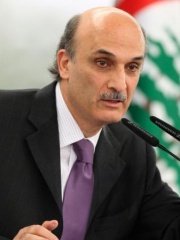
Samir Geagea
1952 - obecnie
HPI: 61.33
Miejsce: 9,965
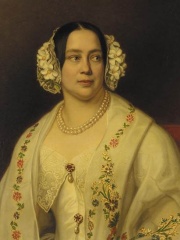
Duchess Amelia of Württemberg
1799 - 1848
HPI: 61.33
Miejsce: 9,966
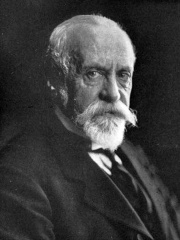
Gustave Ador
1845 - 1928
HPI: 61.33
Miejsce: 9,967

William II Jordan
1079 - 1110
HPI: 61.33
Miejsce: 9,968
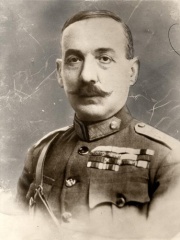
Theodoros Pangalos
1878 - 1952
HPI: 61.33
Miejsce: 9,969

Lucius Cornelius Scipio
300 BC - 250 BC
HPI: 61.33
Miejsce: 9,970
Alfonso Fróilaz
911 - 933
HPI: 61.33
Miejsce: 9,971
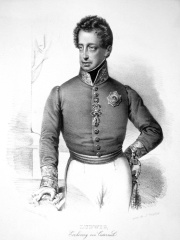
Archduke Louis of Austria
1784 - 1864
HPI: 61.33
Miejsce: 9,972

Titus Aebutius Elva
600 BC - 500 BC
HPI: 61.33
Miejsce: 9,973
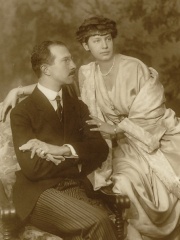
Prince Adalbert of Bavaria
1886 - 1970
HPI: 61.33
Miejsce: 9,974
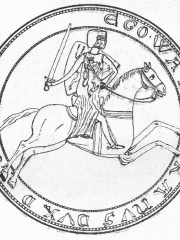
Waleran IV, Duke of Limburg
1300 - 1279
HPI: 61.33
Miejsce: 9,975
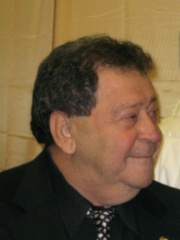
Binyamin Ben-Eliezer
1936 - 2016
HPI: 61.33
Miejsce: 9,976

Waiofar
800 - 768
HPI: 61.33
Miejsce: 9,977

Współcześni
Wśród osób urodzonych w 911 roku Alfonso Fróilaz zajmuje 4. miejsce. Przed nim są Alberic II of Spoleto, Jawhar, i Gisela of France. Wśród osób zmarłych w 933 roku Alfonso Fróilaz zajmuje 3. miejsce. Przed nim są Harald Fairhair, i Alfonso IV of León. Po nim są Li Siyuan, i Tryphon of Constantinople.
Inne osoby urodzone w 911 roku
Zobacz wszystkie rankingi
Alberic II of Spoleto
POLITICIAN
911 - 954
HPI: 67.23
Miejsce: 1

Jawhar
MILITARY PERSONNEL
911 - 992
HPI: 63.61
Miejsce: 2
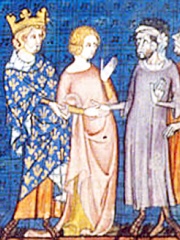
Gisela of France
NOBLEMAN
911 - 999
HPI: 62.13
Miejsce: 3
Alfonso Fróilaz
POLITICIAN
911 - 933
HPI: 61.33
Miejsce: 4
Inne osoby zmarłe w 933 roku
Zobacz wszystkie rankingi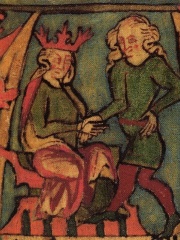
Harald Fairhair
POLITICIAN
850 - 933
HPI: 77.69
Miejsce: 1
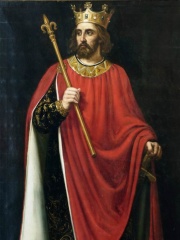
Alfonso IV of León
POLITICIAN
890 - 933
HPI: 66.05
Miejsce: 2
Alfonso Fróilaz
POLITICIAN
911 - 933
HPI: 61.33
Miejsce: 3

Li Siyuan
POLITICIAN
867 - 933
HPI: 59.97
Miejsce: 4
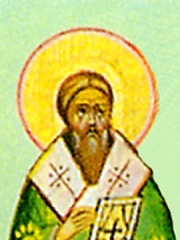
Tryphon of Constantinople
RELIGIOUS FIGURE
HPI: 58.48
Miejsce: 5
W kraju Hiszpania
Wśród osób urodzonych w kraju Hiszpania Alfonso Fróilaz zajmuje 892. miejsce na NaN. Przed nim są Sergio Busquets (1988), Pedro Alonso (1971), Luis Regueiro (1908), Julian of Toledo (642), Xavier Cugat (1900), i Ramón Sampedro (1943). Po nim są Francesc Cambó (1876), Diego Martínez Barrio (1883), Narcís Monturiol (1819), Francisco de Paula Martínez de la Rosa y Berdejo (1787), Antonio López García (1936), i Periko Alonso (1953).
Inne osoby urodzone w kraju Hiszpania
Zobacz wszystkie rankingi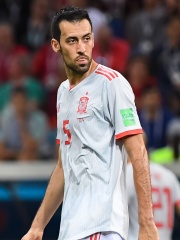
Sergio Busquets
SOCCER PLAYER
1988 - obecnie
HPI: 61.40
Miejsce: 886
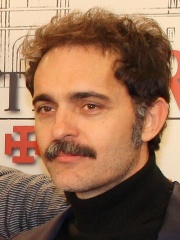
Pedro Alonso
ACTOR
1971 - obecnie
HPI: 61.38
Miejsce: 887
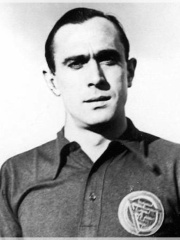
Luis Regueiro
SOCCER PLAYER
1908 - 1995
HPI: 61.37
Miejsce: 888
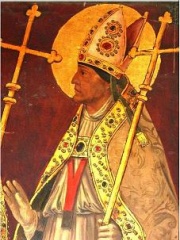
Julian of Toledo
RELIGIOUS FIGURE
642 - 690
HPI: 61.36
Miejsce: 889
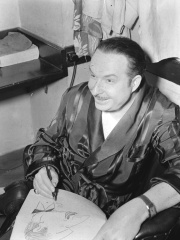
Xavier Cugat
COMPOSER
1900 - 1990
HPI: 61.35
Miejsce: 890
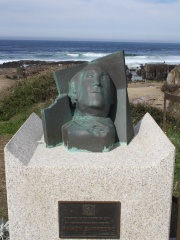
Ramón Sampedro
WRITER
1943 - 1998
HPI: 61.34
Miejsce: 891
Alfonso Fróilaz
POLITICIAN
911 - 933
HPI: 61.33
Miejsce: 892
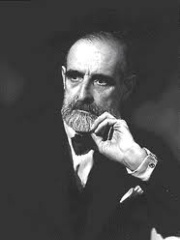
Francesc Cambó
POLITICIAN
1876 - 1947
HPI: 61.32
Miejsce: 893
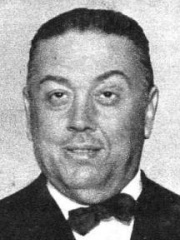
Diego Martínez Barrio
POLITICIAN
1883 - 1962
HPI: 61.32
Miejsce: 894
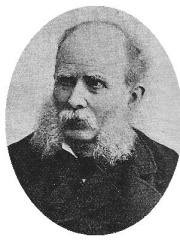
Narcís Monturiol
INVENTOR
1819 - 1885
HPI: 61.31
Miejsce: 895
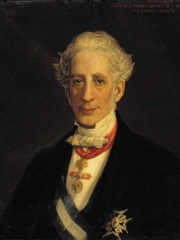
Francisco de Paula Martínez de la Rosa y Berdejo
POLITICIAN
1787 - 1862
HPI: 61.30
Miejsce: 896
Antonio López García
PAINTER
1936 - obecnie
HPI: 61.30
Miejsce: 897

Periko Alonso
SOCCER PLAYER
1953 - obecnie
HPI: 61.30
Miejsce: 898
Wśród przedstawicieli zawodu Polityk w kraju Hiszpania
Wśród przedstawicieli zawodu „Polityk” urodzonych w kraju Hiszpania Alfonso Fróilaz zajmuje 291. miejsce. Przed nim są Gilbert Horal (1200), Pedro de Toledo y Zúñiga (1484), Isabella of Castile, Duchess of York (1355), Muhammad VI of Granada (1332), Wifred II, Count of Barcelona (900), i Abd al-Rahman Sanchuelo (983). Po nim są Francesc Cambó (1876), Diego Martínez Barrio (1883), Francisco de Paula Martínez de la Rosa y Berdejo (1787), Josep Sunyol (1898), Indalecio Prieto (1883), i Nicolás de Ovando (1451).

Gilbert Horal
1200 - 1200
HPI: 61.51
Miejsce: 285
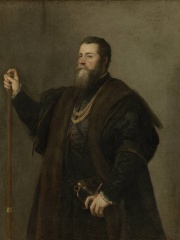
Pedro de Toledo y Zúñiga
1484 - 1553
HPI: 61.49
Miejsce: 286

Isabella of Castile, Duchess of York
1355 - 1392
HPI: 61.45
Miejsce: 287

Muhammad VI of Granada
1332 - 1362
HPI: 61.45
Miejsce: 288
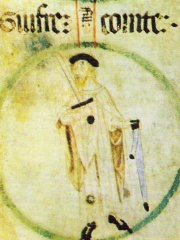
Wifred II, Count of Barcelona
900 - 911
HPI: 61.44
Miejsce: 289

Abd al-Rahman Sanchuelo
983 - 1009
HPI: 61.42
Miejsce: 290
Alfonso Fróilaz
911 - 933
HPI: 61.33
Miejsce: 291
Francesc Cambó
1876 - 1947
HPI: 61.32
Miejsce: 292
Diego Martínez Barrio
1883 - 1962
HPI: 61.32
Miejsce: 293
Francisco de Paula Martínez de la Rosa y Berdejo
1787 - 1862
HPI: 61.30
Miejsce: 294

Josep Sunyol
1898 - 1936
HPI: 61.24
Miejsce: 295
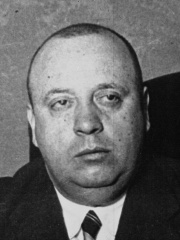
Indalecio Prieto
1883 - 1962
HPI: 61.24
Miejsce: 296
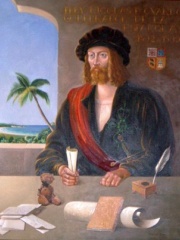
Nicolás de Ovando
1451 - 1511
HPI: 61.18
Miejsce: 297




