Politician
Alberic II of Spoleto
ruler of Rome from 932 to 954
911 - 954
EN.WIKIPEDIA PAGE VIEWS (PV)

 Alberic II of Spoleto
His biography is available in 20 different languages on Wikipedia. Alberic II of Spoleto is the 4,471st most popular politician (up from 4,874th in 2024), the 1,295th most popular biography from Italy (up from 1,432nd in 2019) and the 294th most popular Italian Politician.
Memorability Metrics
31k
Page Views
Past 12 months
67.23
HPI
Historical Popularity Index
Data Insights
20
Alberic II of Spoleto's biography spans 20 Wikipedia language editions and earns a Historical Popularity Index of 67.23.
Page views of Alberic II of Spoleto by language
Among Politicians
Among politicians, Alberic II of Spoleto ranks 4,469 out of 20,022. Before him are Giovanni Leone, José Gaspar Rodríguez de Francia, Sobhuza II, Rodney Williams, Raymond VII, Count of Toulouse, and Zoe Karbonopsina. After him are Gracia Mendes Nasi, Soghomon Tehlirian, Pausanias of Sparta, Yves Leterme, Philip William, Elector Palatine, and Julius Paulus Prudentissimus.
Most Popular Politicians in Wikipedia
Go to all Rankings
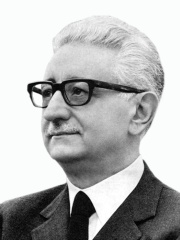
Giovanni Leone
1908 - 2001
HPI: 67.23
Rank: 4,465
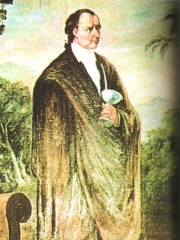
José Gaspar Rodríguez de Francia
1766 - 1840
HPI: 67.23
Rank: 4,466
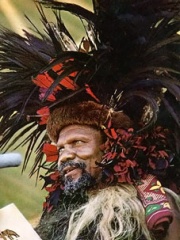
Sobhuza II
1899 - 1982
HPI: 67.23
Rank: 4,467

Rodney Williams
1947 - Present
HPI: 67.23
Rank: 4,468
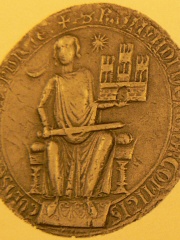
Raymond VII, Count of Toulouse
1197 - 1249
HPI: 67.23
Rank: 4,469
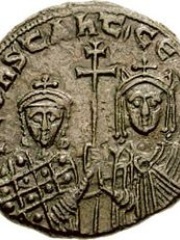
Zoe Karbonopsina
900 - 1000
HPI: 67.23
Rank: 4,470
Alberic II of Spoleto
911 - 954
HPI: 67.23
Rank: 4,471

Gracia Mendes Nasi
1510 - 1569
HPI: 67.23
Rank: 4,472
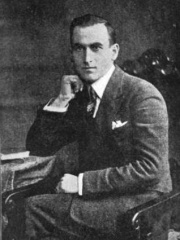
Soghomon Tehlirian
1896 - 1960
HPI: 67.23
Rank: 4,473

Pausanias of Sparta
HPI: 67.23
Rank: 4,474

Yves Leterme
1960 - Present
HPI: 67.22
Rank: 4,475
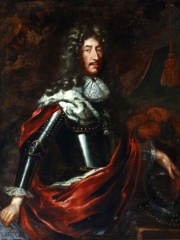
Philip William, Elector Palatine
1615 - 1690
HPI: 67.22
Rank: 4,476
Julius Paulus Prudentissimus
190 - 220
HPI: 67.22
Rank: 4,477

Contemporaries
Among people born in 911, Alberic II of Spoleto ranks 1. After him are Jawhar, Gisela of France, and Alfonso Fróilaz. Among people deceased in 954, Alberic II of Spoleto ranks 3. Before him are Louis IV of France, and Eric Bloodaxe. After him are Malcolm I of Scotland, and Guo Wei.
Others Born in 911
Go to all RankingsAlberic II of Spoleto
POLITICIAN
911 - 954
HPI: 67.23
Rank: 1

Jawhar
MILITARY PERSONNEL
911 - 992
HPI: 63.61
Rank: 2
Gisela of France
NOBLEMAN
911 - 999
HPI: 62.13
Rank: 3

Alfonso Fróilaz
POLITICIAN
911 - 933
HPI: 61.33
Rank: 4
Others Deceased in 954
Go to all Rankings
Louis IV of France
POLITICIAN
920 - 954
HPI: 75.01
Rank: 1
Eric Bloodaxe
POLITICIAN
885 - 954
HPI: 72.12
Rank: 2
Alberic II of Spoleto
POLITICIAN
911 - 954
HPI: 67.23
Rank: 3
Malcolm I of Scotland
POLITICIAN
801 - 954
HPI: 67.21
Rank: 4

Guo Wei
POLITICIAN
904 - 954
HPI: 59.92
Rank: 5
In Italy
Among people born in Italy, Alberic II of Spoleto ranks 1,295 out of 5,905. Before him are Lucilio Vanini (1585), Fede Galizia (1578), Ildibad (450), Chiara Lubich (1920), Zucchero Fornaciari (1955), and Giovanni Leone (1908). After him are Girolamo Fracastoro (1476), Julius Paulus Prudentissimus (190), Antonio Lotti (1667), Publius Licinius Crassus (-86), Quintus Servilius Caepio (-200), and Enzo Bearzot (1927).
Others born in Italy
Go to all Rankings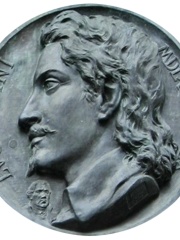
Lucilio Vanini
PHILOSOPHER
1585 - 1619
HPI: 67.26
Rank: 1,289
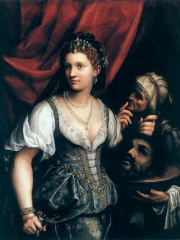
Fede Galizia
PAINTER
1578 - 1630
HPI: 67.25
Rank: 1,290

Ildibad
POLITICIAN
450 - 541
HPI: 67.25
Rank: 1,291

Chiara Lubich
WRITER
1920 - 2008
HPI: 67.24
Rank: 1,292

Zucchero Fornaciari
SINGER
1955 - Present
HPI: 67.24
Rank: 1,293
Giovanni Leone
POLITICIAN
1908 - 2001
HPI: 67.23
Rank: 1,294
Alberic II of Spoleto
POLITICIAN
911 - 954
HPI: 67.23
Rank: 1,295
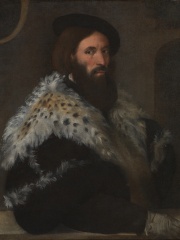
Girolamo Fracastoro
ASTRONOMER
1476 - 1553
HPI: 67.22
Rank: 1,296
Julius Paulus Prudentissimus
POLITICIAN
190 - 220
HPI: 67.22
Rank: 1,297
Antonio Lotti
COMPOSER
1667 - 1740
HPI: 67.22
Rank: 1,298
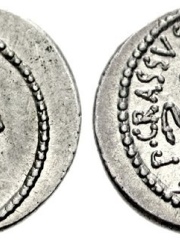
Publius Licinius Crassus
POLITICIAN
86 BC - 53 BC
HPI: 67.21
Rank: 1,299

Quintus Servilius Caepio
POLITICIAN
200 BC - 160 BC
HPI: 67.20
Rank: 1,300

Enzo Bearzot
COACH
1927 - 2010
HPI: 67.19
Rank: 1,301
Among Politicians In Italy
Among politicians born in Italy, Alberic II of Spoleto ranks 294. Before him are Auguste, Duke of Leuchtenberg (1810), Rainier I of Monaco, Lord of Cagnes (1267), Ranuccio II Farnese, Duke of Parma (1630), Sebastiano Venier (1496), Ildibad (450), and Giovanni Leone (1908). After him are Julius Paulus Prudentissimus (190), Publius Licinius Crassus (-86), Quintus Servilius Caepio (-200), Charles III, Duke of Parma (1823), Margaret of Savoy, Vicereine of Portugal (1589), and Frederick the Simple (1342).
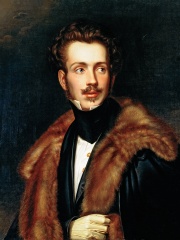
Auguste, Duke of Leuchtenberg
1810 - 1835
HPI: 67.37
Rank: 288
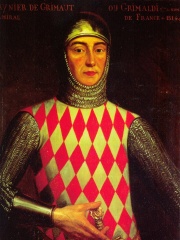
Rainier I of Monaco, Lord of Cagnes
1267 - 1314
HPI: 67.32
Rank: 289
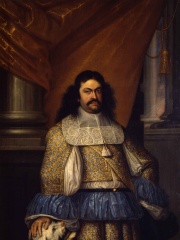
Ranuccio II Farnese, Duke of Parma
1630 - 1694
HPI: 67.27
Rank: 290
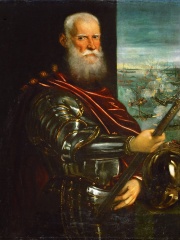
Sebastiano Venier
1496 - 1578
HPI: 67.27
Rank: 291
Ildibad
450 - 541
HPI: 67.25
Rank: 292
Giovanni Leone
1908 - 2001
HPI: 67.23
Rank: 293
Alberic II of Spoleto
911 - 954
HPI: 67.23
Rank: 294
Julius Paulus Prudentissimus
190 - 220
HPI: 67.22
Rank: 295
Publius Licinius Crassus
86 BC - 53 BC
HPI: 67.21
Rank: 296
Quintus Servilius Caepio
200 BC - 160 BC
HPI: 67.20
Rank: 297
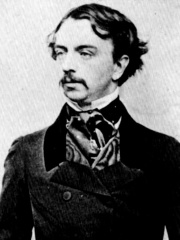
Charles III, Duke of Parma
1823 - 1854
HPI: 67.18
Rank: 298
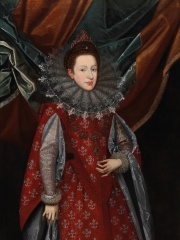
Margaret of Savoy, Vicereine of Portugal
1589 - 1655
HPI: 67.17
Rank: 299
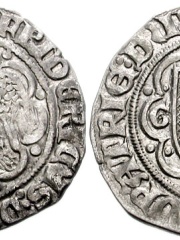
Frederick the Simple
1342 - 1377
HPI: 67.15
Rank: 300




