Polityk
Aleksander I z Epiru
362 BC - 331 BC
WYŚWIETLENIA PL.WIKIPEDIA (PV)
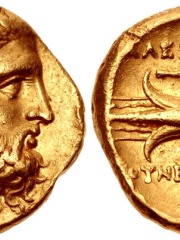
 Aleksander I z Epiru
Jego biografia jest dostępna w 28 różnych językach w Wikipedii. Aleksander I z Epiru jest 4851. najpopularniejszym polityk (spadek z 3653. w 2024 roku), 289. najpopularniejszą biografią Grecja (spadek z 236. w 2019 roku) oraz 120. najpopularniejszym polityk Grecja.
Wskaźniki rozpoznawalności
48k
Wyświetlenia strony
Ostatnie 12 miesięcy
66.74
HPI
Indeks historycznej popularności
Ciekawostki z danych
#14,933
Ponad 23 wieków po śmierci Aleksander I z Epiru wciąż zajmuje 14,933. miejsce wśród wszystkich postaci w Pantheonie.
Wyświetlenia strony Aleksander I z Epiru według języka
Wśród przedstawicieli zawodu Polityk
Wśród przedstawicieli zawodu „Polityk” Aleksander I z Epiru zajmuje 4,849. miejsce na 19,576. Przed nim są Tomiichi Murayama, Moktar Ould Daddah, John I, Duke of Brabant, Henry I of Castile, John Rabe, i Sancho I of Pamplona. Po nim są Julia, Geunchogo of Baekje, Michel Suleiman, Ernesto Cardenal, Gannicus, i Emperor Go-Fukakusa.
Najpopularniejsi w Wikipedii: Polityk
Zobacz wszystkie rankingi
Tomiichi Murayama
1924 - 2025
HPI: 66.75
Miejsce: 4,845
Moktar Ould Daddah
1924 - 2003
HPI: 66.75
Miejsce: 4,846
John I, Duke of Brabant
1252 - 1294
HPI: 66.75
Miejsce: 4,847
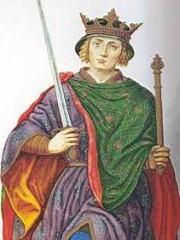
Henry I of Castile
1204 - 1217
HPI: 66.75
Miejsce: 4,848
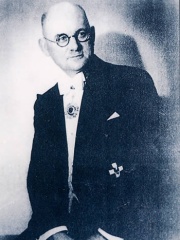
John Rabe
1882 - 1950
HPI: 66.75
Miejsce: 4,849
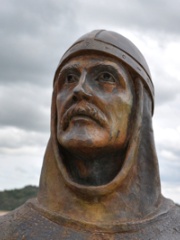
Sancho I of Pamplona
865 - 925
HPI: 66.75
Miejsce: 4,850
Alexander I of Epirus
362 BC - 331 BC
HPI: 66.74
Miejsce: 4,851
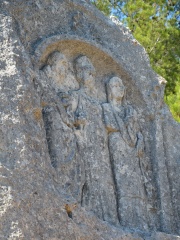
Julia
190 BC - 69 BC
HPI: 66.74
Miejsce: 4,852
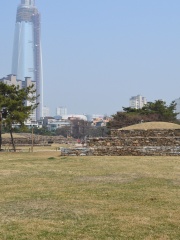
Geunchogo of Baekje
324 - 375
HPI: 66.74
Miejsce: 4,853
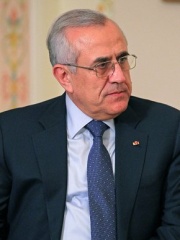
Michel Suleiman
1948 - obecnie
HPI: 66.74
Miejsce: 4,854
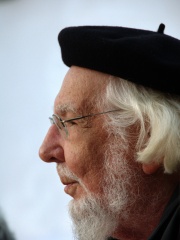
Ernesto Cardenal
1925 - 2020
HPI: 66.74
Miejsce: 4,855

Gannicus
150 BC - 71 BC
HPI: 66.74
Miejsce: 4,856
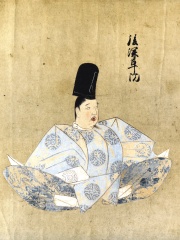
Emperor Go-Fukakusa
1243 - 1304
HPI: 66.74
Miejsce: 4,857

Współcześni
Wśród osób urodzonych w 362 BC roku Aleksander I z Epiru zajmuje 3. miejsce. Przed nim są Amyntas IV of Macedon, i Eumenes. Po nim są Philemon, i Pythias. Wśród osób zmarłych w 331 BC roku Aleksander I z Epiru zajmuje 2. miejsce. Przed nim jest Stateira I. Po nim są Agis III, i Orontes II.
Inne osoby urodzone w 362 BC roku
Zobacz wszystkie rankingi
Amyntas IV of Macedon
POLITICIAN
362 BC - 336 BC
HPI: 73.86
Miejsce: 1
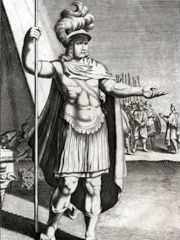
Eumenes
MILITARY PERSONNEL
362 BC - 316 BC
HPI: 70.85
Miejsce: 2
Alexander I of Epirus
POLITICIAN
362 BC - 331 BC
HPI: 66.74
Miejsce: 3

Philemon
WRITER
362 BC - 262 BC
HPI: 63.26
Miejsce: 4

Pythias
POLITICIAN
362 BC - 400 BC
HPI: 62.50
Miejsce: 5
Inne osoby zmarłe w 331 BC roku
Zobacz wszystkie rankingi
Stateira I
COMPANION
400 BC - 331 BC
HPI: 70.44
Miejsce: 1
Alexander I of Epirus
POLITICIAN
362 BC - 331 BC
HPI: 66.74
Miejsce: 2

Agis III
POLITICIAN
350 BC - 331 BC
HPI: 65.51
Miejsce: 3
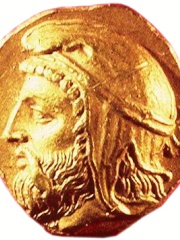
Orontes II
POLITICIAN
400 BC - 331 BC
HPI: 59.42
Miejsce: 4
W kraju Grecja
Wśród osób urodzonych w kraju Grecja Aleksander I z Epiru zajmuje 289. miejsce na 1,024. Przed nim są Perdiccas I of Macedon (-700), Pelopidas (-450), Phocion (-402), Lucas Papademos (1947), Paeonius (-500), i Theramenes (-450). Po nim są Andreas Palaiologos (1453), Leonnatus (-356), Lycurgus of Athens (-390), Saturnin (300), Julia Livilla (18), i Alcamenes (-500).
Inne osoby urodzone w kraju Grecja
Zobacz wszystkie rankingi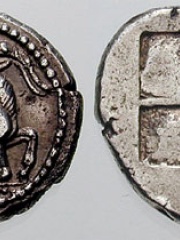
Perdiccas I of Macedon
POLITICIAN
700 BC - 700 BC
HPI: 66.83
Miejsce: 283
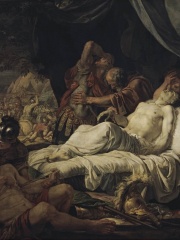
Pelopidas
POLITICIAN
450 BC - 364 BC
HPI: 66.83
Miejsce: 284
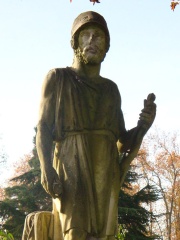
Phocion
POLITICIAN
402 BC - 318 BC
HPI: 66.81
Miejsce: 285
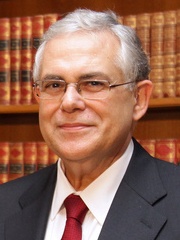
Lucas Papademos
ECONOMIST
1947 - obecnie
HPI: 66.81
Miejsce: 286
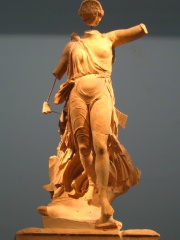
Paeonius
SCULPTOR
500 BC - 460 BC
HPI: 66.77
Miejsce: 287
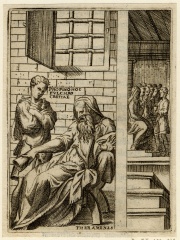
Theramenes
POLITICIAN
450 BC - 403 BC
HPI: 66.75
Miejsce: 288
Alexander I of Epirus
POLITICIAN
362 BC - 331 BC
HPI: 66.74
Miejsce: 289
Andreas Palaiologos
POLITICIAN
1453 - 1502
HPI: 66.70
Miejsce: 290
Leonnatus
POLITICIAN
356 BC - 322 BC
HPI: 66.70
Miejsce: 291

Lycurgus of Athens
POLITICIAN
390 BC - 324 BC
HPI: 66.69
Miejsce: 292
Saturnin
RELIGIOUS FIGURE
300 - 300
HPI: 66.67
Miejsce: 293
Julia Livilla
POLITICIAN
18 - 42
HPI: 66.64
Miejsce: 294
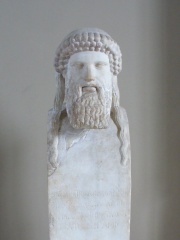
Alcamenes
SCULPTOR
500 BC - 400 BC
HPI: 66.62
Miejsce: 295
Wśród przedstawicieli zawodu Polityk w kraju Grecja
Wśród przedstawicieli zawodu „Polityk” urodzonych w kraju Grecja Aleksander I z Epiru zajmuje 120. miejsce. Przed nim są Princess Theodora of Greece and Denmark (1906), Callias II (-515), Perdiccas I of Macedon (-700), Pelopidas (-450), Phocion (-402), i Theramenes (-450). Po nim są Andreas Palaiologos (1453), Leonnatus (-356), Lycurgus of Athens (-390), Julia Livilla (18), Antilochus (null), i Georgios Papandreou (1888).
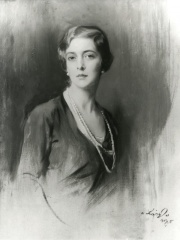
Princess Theodora of Greece and Denmark
1906 - 1969
HPI: 67.08
Miejsce: 114

Callias II
515 BC - 432 BC
HPI: 67.05
Miejsce: 115
Perdiccas I of Macedon
700 BC - 700 BC
HPI: 66.83
Miejsce: 116
Pelopidas
450 BC - 364 BC
HPI: 66.83
Miejsce: 117
Phocion
402 BC - 318 BC
HPI: 66.81
Miejsce: 118
Theramenes
450 BC - 403 BC
HPI: 66.75
Miejsce: 119
Alexander I of Epirus
362 BC - 331 BC
HPI: 66.74
Miejsce: 120
Andreas Palaiologos
1453 - 1502
HPI: 66.70
Miejsce: 121
Leonnatus
356 BC - 322 BC
HPI: 66.70
Miejsce: 122
Lycurgus of Athens
390 BC - 324 BC
HPI: 66.69
Miejsce: 123
Julia Livilla
18 - 42
HPI: 66.64
Miejsce: 124
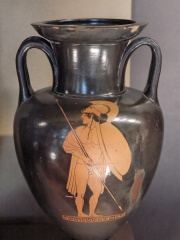
Antilochus
HPI: 66.52
Miejsce: 125
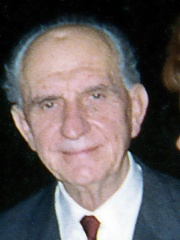
Georgios Papandreou
1888 - 1968
HPI: 66.44
Miejsce: 126




