Mathématicien
Alessandro Galilei
1691 - 1737
PAGES VUES SUR FR.WIKIPEDIA (PV)
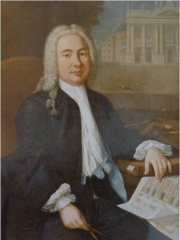
 Alessandro Galilei
Sa biographie est disponible en 16 langues sur Wikipédia (en hausse par rapport à 15 en 2024). Alessandro Galilei est le 651st mathématicien le plus populaire (en hausse du 661st en 2024), la 3,256th biographie la plus populaire d'Italie (en hausse du 3,363rd en 2019), ainsi que le 53rd mathématicien d'Italie le plus populaire.
Indicateurs de mémorabilité
12k
Pages vues
12 derniers mois
58.04
HPI
Indice de popularité historique
Faits marquants
16
La biographie de Alessandro Galilei couvre 16 éditions linguistiques de Wikipédia et obtient un Indice de Popularité Historique de 58.04.
Pages vues de Alessandro Galilei par langue
Parmi les Mathématicien
Parmi les Mathématicien, Alessandro Galilei occupe le rang 651 sur 1,010. Avant lui viennent Federico Commandino, Lev Schnirelmann, Edward Routh, Harold Scott MacDonald Coxeter, Tommaso Ceva, et 'Abd al-Hamīd ibn Turk. Après lui viennent Jean-Christophe Yoccoz, Dai Zhen, Haskell Curry, William Burnside, Johan Jensen, et Aleksey Krylov.
Mathématicien les plus populaires sur Wikipédia
Voir tous les classements
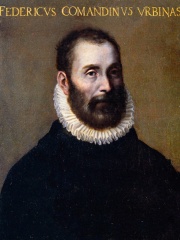
Federico Commandino
1509 - 1575
HPI : 58.17
Rang : 645
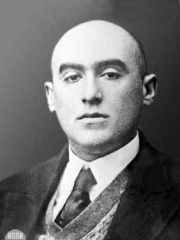
Lev Schnirelmann
1905 - 1938
HPI : 58.16
Rang : 646
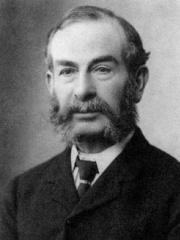
Edward Routh
1831 - 1907
HPI : 58.14
Rang : 647
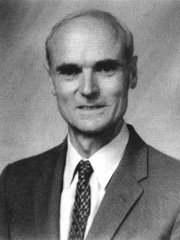
Harold Scott MacDonald Coxeter
1907 - 2003
HPI : 58.08
Rang : 648
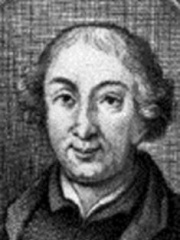
Tommaso Ceva
1648 - 1737
HPI : 58.08
Rang : 649

'Abd al-Hamīd ibn Turk
800 - 900
HPI : 58.07
Rang : 650
Alessandro Galilei
1691 - 1737
HPI : 58.04
Rang : 651

Jean-Christophe Yoccoz
1957 - 2016
HPI : 58.02
Rang : 652
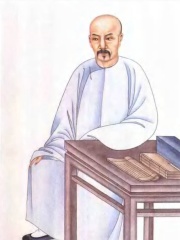
Dai Zhen
1724 - 1777
HPI : 58.01
Rang : 653
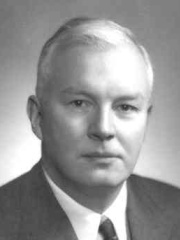
Haskell Curry
1900 - 1982
HPI : 58.01
Rang : 654
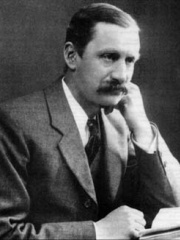
William Burnside
1852 - 1927
HPI : 58.00
Rang : 655
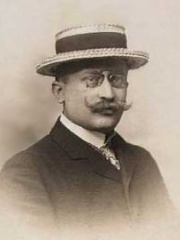
Johan Jensen
1859 - 1925
HPI : 58.00
Rang : 656
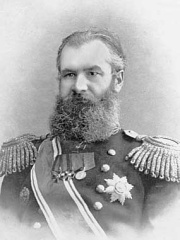
Aleksey Krylov
1863 - 1945
HPI : 57.99
Rang : 657

Contemporains
Parmi les personnes nées en 1691, Alessandro Galilei occupe le rang 11. Avant lui viennent Louis VIII, Landgrave of Hesse-Darmstadt, Edward Cave, Princess Dorothea Wilhelmine of Saxe-Zeitz, Mir Jafar, Francesco Feo, et Wilhelm Heinrich, Duke of Saxe-Eisenach. Après lui vient George Lillo. Parmi les personnes décédées en 1737, Alessandro Galilei occupe le rang 14. Avant lui viennent Rinaldo d'Este, James Louis Sobieski, Ferdinand Kettler, Vakhtang VI of Kartli, Guido Starhemberg, et Tommaso Ceva. Après lui vient Lobsang Yeshe, 5th Panchen Lama.
Autres personnes nées en 1691
Voir tous les classements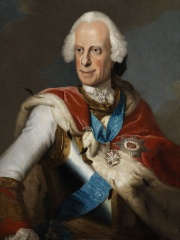
Louis VIII, Landgrave of Hesse-Darmstadt
POLITICIAN
1691 - 1768
HPI : 63.13
Rang : 5
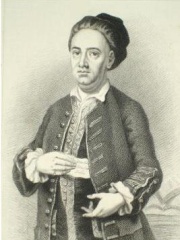
Edward Cave
BUSINESSPERSON
1691 - 1754
HPI : 61.95
Rang : 6

Princess Dorothea Wilhelmine of Saxe-Zeitz
NOBLEMAN
1691 - 1743
HPI : 61.93
Rang : 7
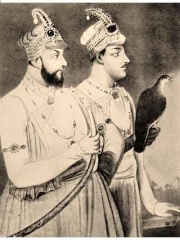
Mir Jafar
POLITICIAN
1691 - 1765
HPI : 60.33
Rang : 8
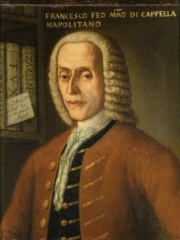
Francesco Feo
COMPOSER
1691 - 1761
HPI : 60.17
Rang : 9
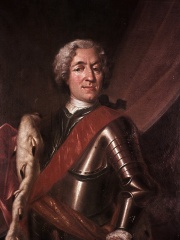
Wilhelm Heinrich, Duke of Saxe-Eisenach
POLITICIAN
1691 - 1741
HPI : 58.11
Rang : 10
Alessandro Galilei
MATHEMATICIAN
1691 - 1737
HPI : 58.04
Rang : 11
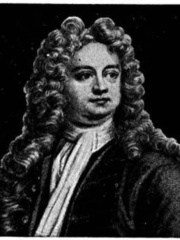
George Lillo
WRITER
1691 - 1739
HPI : 54.16
Rang : 12
Autres personnes décédées en 1737
Voir tous les classements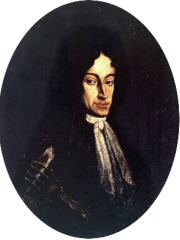
Rinaldo d'Este
NOBLEMAN
1655 - 1737
HPI : 64.11
Rang : 8
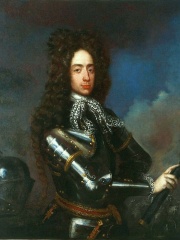
James Louis Sobieski
POLITICIAN
1667 - 1737
HPI : 62.47
Rang : 9
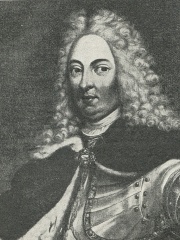
Ferdinand Kettler
POLITICIAN
1655 - 1737
HPI : 61.67
Rang : 10
Vakhtang VI of Kartli
POLITICIAN
1675 - 1737
HPI : 60.70
Rang : 11
Guido Starhemberg
MILITARY PERSONNEL
1657 - 1737
HPI : 59.29
Rang : 12
Tommaso Ceva
MATHEMATICIAN
1648 - 1737
HPI : 58.08
Rang : 13
Alessandro Galilei
MATHEMATICIAN
1691 - 1737
HPI : 58.04
Rang : 14

Lobsang Yeshe, 5th Panchen Lama
RELIGIOUS FIGURE
1663 - 1737
HPI : 56.97
Rang : 15
En Italie
Parmi les personnes nées en Italie, Alessandro Galilei occupe le rang 3,256 sur 5,905. Avant lui viennent Tommaso Ceva (1648), Francesco Contarini (1566), Claudio Marchisio (1986), Mario Cipollini (1967), Ugo Betti (1892), et Enrico Porro (1885). Après lui viennent Andrea Barzagli (1981), Luciano De Crescenzo (1928), Fedora Barbieri (1920), Carlo Contarini (1580), Giovanni Gradenigo (1273), et John, Duke of Randazzo (1317).
Autres personnes nées en Italie
Voir tous les classementsTommaso Ceva
MATHEMATICIAN
1648 - 1737
HPI : 58.08
Rang : 3,250
Francesco Contarini
POLITICIAN
1566 - 1624
HPI : 58.08
Rang : 3,251

Claudio Marchisio
SOCCER PLAYER
1986 - présent
HPI : 58.08
Rang : 3,252

Mario Cipollini
CYCLIST
1967 - présent
HPI : 58.07
Rang : 3,253

Ugo Betti
WRITER
1892 - 1953
HPI : 58.06
Rang : 3,254
Enrico Porro
WRESTLER
1885 - 1967
HPI : 58.05
Rang : 3,255
Alessandro Galilei
MATHEMATICIAN
1691 - 1737
HPI : 58.04
Rang : 3,256
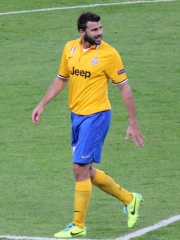
Andrea Barzagli
SOCCER PLAYER
1981 - présent
HPI : 58.04
Rang : 3,257
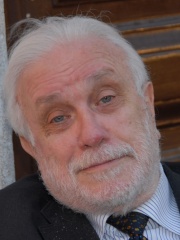
Luciano De Crescenzo
WRITER
1928 - 2019
HPI : 58.01
Rang : 3,258

Fedora Barbieri
SINGER
1920 - 2003
HPI : 58.01
Rang : 3,259
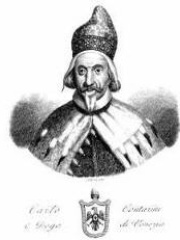
Carlo Contarini
POLITICIAN
1580 - 1656
HPI : 58.00
Rang : 3,260
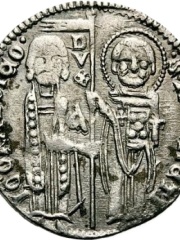
Giovanni Gradenigo
POLITICIAN
1273 - 1356
HPI : 58.00
Rang : 3,261

John, Duke of Randazzo
POLITICIAN
1317 - 1348
HPI : 57.98
Rang : 3,262
Parmi les Mathématicien en Italie
Parmi les Mathématicien nés en Italie, Alessandro Galilei occupe le rang 53. Avant lui viennent Giacomo F. Maraldi (1665), Francesco Faà di Bruno (1825), Luigi Bianchi (1856), Beppo Levi (1875), Federico Commandino (1509), et Tommaso Ceva (1648). Après lui viennent Cesare Arzelà (1847), Federigo Enriques (1871), Giuseppe Veronese (1854), Guido Castelnuovo (1865), Maria Angela Ardinghelli (1728), et Francesco Brioschi (1824).

Giacomo F. Maraldi
1665 - 1729
HPI : 58.95
Rang : 47
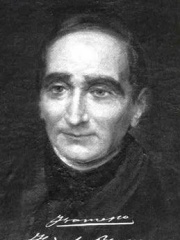
Francesco Faà di Bruno
1825 - 1888
HPI : 58.52
Rang : 48
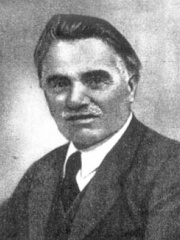
Luigi Bianchi
1856 - 1928
HPI : 58.26
Rang : 49
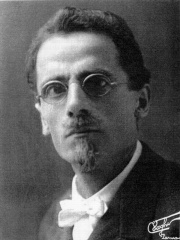
Beppo Levi
1875 - 1961
HPI : 58.20
Rang : 50
Federico Commandino
1509 - 1575
HPI : 58.17
Rang : 51
Tommaso Ceva
1648 - 1737
HPI : 58.08
Rang : 52
Alessandro Galilei
1691 - 1737
HPI : 58.04
Rang : 53
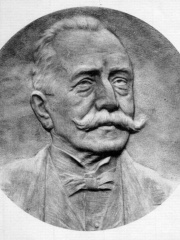
Cesare Arzelà
1847 - 1912
HPI : 57.85
Rang : 54
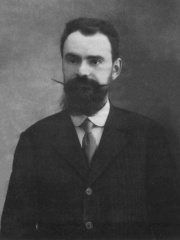
Federigo Enriques
1871 - 1946
HPI : 57.10
Rang : 55
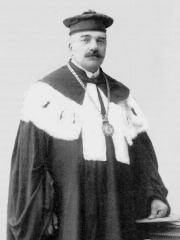
Giuseppe Veronese
1854 - 1917
HPI : 56.28
Rang : 56
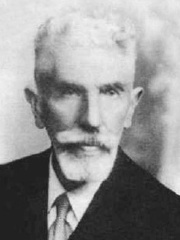
Guido Castelnuovo
1865 - 1952
HPI : 56.22
Rang : 57
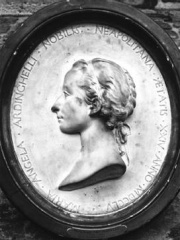
Maria Angela Ardinghelli
1728 - 1825
HPI : 55.91
Rang : 58
Francesco Brioschi
1824 - 1897
HPI : 55.75
Rang : 59




