Politician
Abū Lahab
Uncle of the Islamic prophet Muḥammad
549 - 624
EN.WIKIPEDIA PAGE VIEWS (PV)

 Abū Lahab
His biography is available in 40 different languages on Wikipedia (up from 39 in 2024). Abū Lahab is the 770th most popular politician (down from 585th in 2024), the 30th most popular biography from Saudi Arabia and the 11th most popular Saudi Arabian Politician.
Abū Lahab is most famous for being the father of the Muslim prophet Muhammad's first wife, Khadija bint Khuwaylid. He was also the uncle of Muhammad's wife, Aisha.
Memorability Metrics
370k
Page Views
Past 12 months
77.13
HPI
Historical Popularity Index
Page views of Abū Lahab by language
Among Politicians
Among politicians, Abū Lahab ranks 770 out of 19,576. Before him are Michael V Kalaphates, Árpád, Ulrika Eleonora, Queen of Sweden, Gordian III, George I of Greece, and Valentinian I. After him are Nurhaci, Lech Kaczyński, Sitting Bull, Manuel I Komnenos, Zakir Husain, and Philip the Good.
Most Popular Politicians in Wikipedia
Go to all Rankings
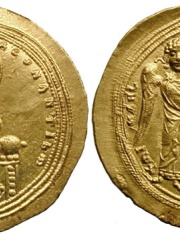
Michael V Kalaphates
1015 - 1042
HPI: 77.15
Rank: 764
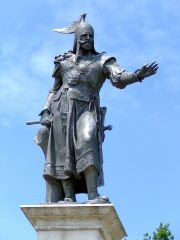
Árpád
845 - 907
HPI: 77.15
Rank: 765

Ulrika Eleonora, Queen of Sweden
1688 - 1741
HPI: 77.14
Rank: 766
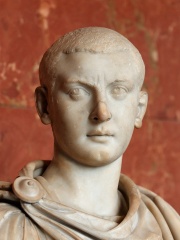
Gordian III
225 - 244
HPI: 77.14
Rank: 767
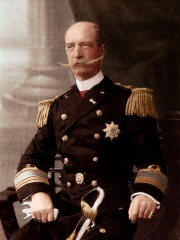
George I of Greece
1845 - 1913
HPI: 77.14
Rank: 768
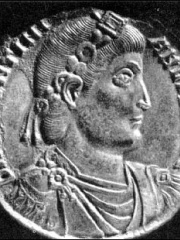
Valentinian I
321 - 375
HPI: 77.14
Rank: 769
Abū Lahab
549 - 624
HPI: 77.13
Rank: 770
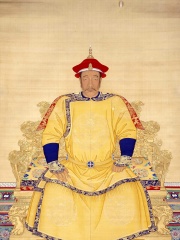
Nurhaci
1559 - 1626
HPI: 77.12
Rank: 771
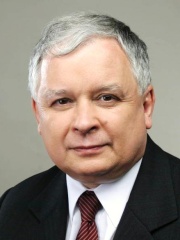
Lech Kaczyński
1949 - 2010
HPI: 77.12
Rank: 772
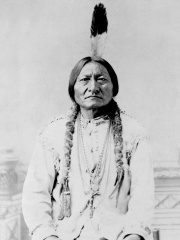
Sitting Bull
1831 - 1890
HPI: 77.12
Rank: 773
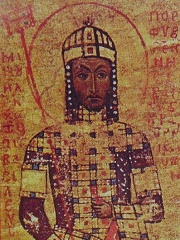
Manuel I Komnenos
1118 - 1180
HPI: 77.12
Rank: 774
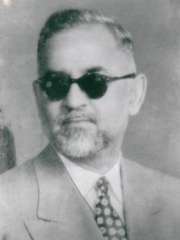
Zakir Husain
1897 - 1969
HPI: 77.11
Rank: 775
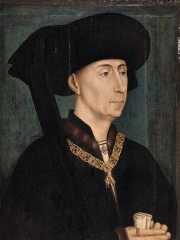
Philip the Good
1396 - 1467
HPI: 77.09
Rank: 776

Contemporaries
Among people born in 549, Abū Lahab ranks 1. Among people deceased in 624, Abū Lahab ranks 1. After him are Ruqayyah bint Muhammad, Amr ibn Hishām, Ka'b ibn al-Ashraf, Utbah ibn Rabi'ah, Asma bint Marwan, Rædwald of East Anglia, Uthman ibn Maz'un, and Mellitus.
Others Born in 549
Go to all RankingsOthers Deceased in 624
Go to all RankingsAbū Lahab
POLITICIAN
549 - 624
HPI: 77.13
Rank: 1

Ruqayyah bint Muhammad
RELIGIOUS FIGURE
598 - 624
HPI: 75.14
Rank: 2
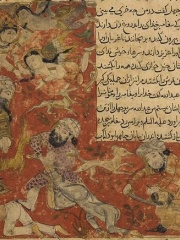
Amr ibn Hishām
POLITICIAN
570 - 624
HPI: 74.92
Rank: 3

Ka'b ibn al-Ashraf
WRITER
600 - 624
HPI: 65.87
Rank: 4

Utbah ibn Rabi'ah
POLITICIAN
567 - 624
HPI: 63.13
Rank: 5

Asma bint Marwan
WRITER
HPI: 62.76
Rank: 6
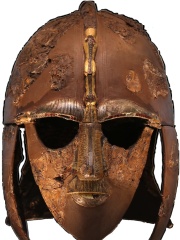
Rædwald of East Anglia
POLITICIAN
550 - 624
HPI: 61.66
Rank: 7

Uthman ibn Maz'un
RELIGIOUS FIGURE
HPI: 59.68
Rank: 8
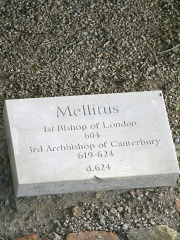
Mellitus
RELIGIOUS FIGURE
600 - 624
HPI: 55.30
Rank: 9
In Saudi Arabia
Among people born in Saudi Arabia, Abū Lahab ranks 30 out of NaN. Before him are Faisal I of Iraq (1885), Hafsa bint Umar (602), Malik ibn Anas (711), Hamza ibn Abdul-Muttalib (570), Abd al-Muttalib (497), and Abd al-Malik ibn Marwan (646). After him are Abu Sufyan ibn Harb (580), Abu Hurairah (600), Zaynab bint Jahsh (592), Ali ibn Husayn Zayn al-Abidin (659), Fahd of Saudi Arabia (1921), and Umar II (682).
Others born in Saudi Arabia
Go to all Rankings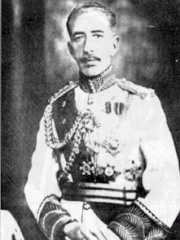
Faisal I of Iraq
POLITICIAN
1885 - 1933
HPI: 77.93
Rank: 24

Hafsa bint Umar
COMPANION
602 - 661
HPI: 77.69
Rank: 25

Malik ibn Anas
RELIGIOUS FIGURE
711 - 795
HPI: 77.66
Rank: 26
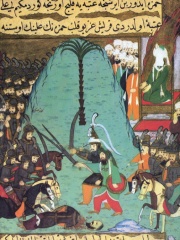
Hamza ibn Abdul-Muttalib
POLITICIAN
570 - 625
HPI: 77.55
Rank: 27
Abd al-Muttalib
RELIGIOUS FIGURE
497 - 578
HPI: 77.52
Rank: 28
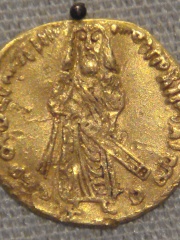
Abd al-Malik ibn Marwan
POLITICIAN
646 - 705
HPI: 77.44
Rank: 29
Abū Lahab
POLITICIAN
549 - 624
HPI: 77.13
Rank: 30

Abu Sufyan ibn Harb
POLITICIAN
580 - 641
HPI: 76.78
Rank: 31

Abu Hurairah
RELIGIOUS FIGURE
600 - 676
HPI: 76.62
Rank: 32

Zaynab bint Jahsh
RELIGIOUS FIGURE
592 - 641
HPI: 76.60
Rank: 33
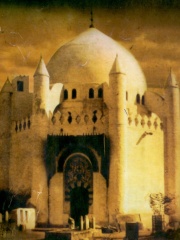
Ali ibn Husayn Zayn al-Abidin
RELIGIOUS FIGURE
659 - 713
HPI: 76.32
Rank: 34
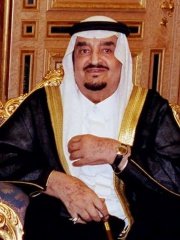
Fahd of Saudi Arabia
POLITICIAN
1921 - 2005
HPI: 76.14
Rank: 35

Umar II
POLITICIAN
682 - 720
HPI: 76.00
Rank: 36
Among Politicians In Saudi Arabia
Among politicians born in Saudi Arabia, Abū Lahab ranks 11. Before him are Ibn Saud (1875), Abdullah of Saudi Arabia (1924), Faisal of Saudi Arabia (1906), Faisal I of Iraq (1885), Hamza ibn Abdul-Muttalib (570), and Abd al-Malik ibn Marwan (646). After him are Abu Sufyan ibn Harb (580), Fahd of Saudi Arabia (1921), Umar II (682), Marwan I (623), Khalid of Saudi Arabia (1912), and Abul Kalam Azad (1888).
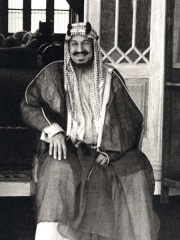
Ibn Saud
1875 - 1953
HPI: 79.58
Rank: 5
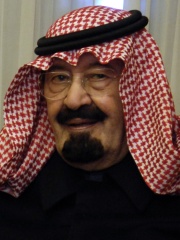
Abdullah of Saudi Arabia
1924 - 2015
HPI: 79.06
Rank: 6
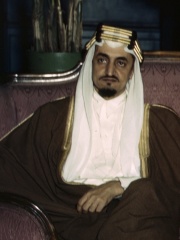
Faisal of Saudi Arabia
1906 - 1975
HPI: 78.51
Rank: 7
Faisal I of Iraq
1885 - 1933
HPI: 77.93
Rank: 8
Hamza ibn Abdul-Muttalib
570 - 625
HPI: 77.55
Rank: 9
Abd al-Malik ibn Marwan
646 - 705
HPI: 77.44
Rank: 10
Abū Lahab
549 - 624
HPI: 77.13
Rank: 11
Abu Sufyan ibn Harb
580 - 641
HPI: 76.78
Rank: 12
Fahd of Saudi Arabia
1921 - 2005
HPI: 76.14
Rank: 13
Umar II
682 - 720
HPI: 76.00
Rank: 14
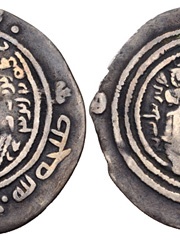
Marwan I
623 - 685
HPI: 75.70
Rank: 15
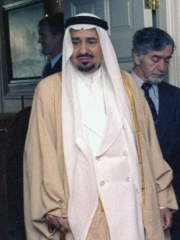
Khalid of Saudi Arabia
1912 - 1982
HPI: 75.27
Rank: 16
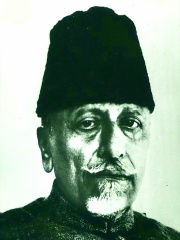
Abul Kalam Azad
1888 - 1958
HPI: 75.21
Rank: 17




