Politico
Marwan I
623 - 685
VISUALIZZAZIONI SU IT.WIKIPEDIA (PV)
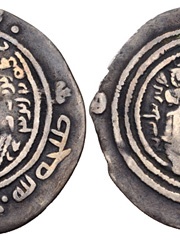
 Marwan I
La sua biografia è disponibile in 53 lingue su Wikipedia (in aumento rispetto a 51 nel 2024). Marwan I è il 1035° politico più popolare (in calo dal 754° nel 2024), la 38ª biografia più popolare dell'Arabia Saudita (in calo dal 36ª nel 2019) e il 15° politico più popolare dell'Arabia Saudita.
Metriche di memorabilità
470k
Visualizzazioni
Ultimi 12 mesi
75.70
HPI
Indice di popolarità storica
Dati in evidenza
Visualizzazioni della pagina di Marwan I per lingua
Tra Politico
Tra Politico, Marwan I occupa la posizione 1,035 su 20,022. Prima di lui ci sono Benjamin Harrison, Edith Roosevelt, Hezekiah, Faisal II of Iraq, Peleus, e Brennus. Dopo di lui ci sono Ludwig I of Bavaria, Henry I of England, Charles VII, Holy Roman Emperor, Konstantin von Neurath, Adolphe Thiers, e Edmund Burke.
Politico più popolari su Wikipedia
Vai a tutte le classifiche
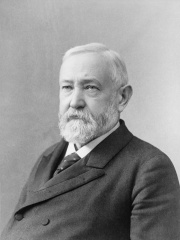
Benjamin Harrison
1833 - 1901
HPI: 75.73
Posizione: 1,029
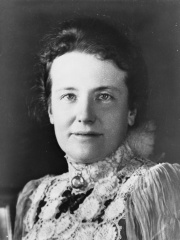
Edith Roosevelt
1861 - 1948
HPI: 75.73
Posizione: 1,030

Hezekiah
800 BC - 697 BC
HPI: 75.72
Posizione: 1,031

Faisal II of Iraq
1935 - 1958
HPI: 75.71
Posizione: 1,032
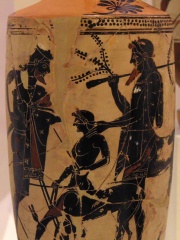
Peleus
HPI: 75.70
Posizione: 1,033
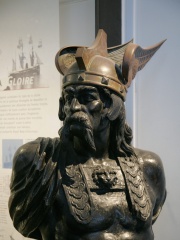
Brennus
500 BC - 390 BC
HPI: 75.70
Posizione: 1,034
Marwan I
623 - 685
HPI: 75.70
Posizione: 1,035
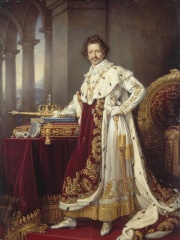
Ludwig I of Bavaria
1786 - 1868
HPI: 75.70
Posizione: 1,036

Henry I of England
1068 - 1135
HPI: 75.70
Posizione: 1,037

Charles VII, Holy Roman Emperor
1697 - 1745
HPI: 75.69
Posizione: 1,038
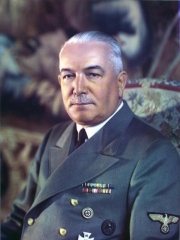
Konstantin von Neurath
1873 - 1956
HPI: 75.69
Posizione: 1,039
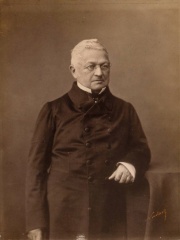
Adolphe Thiers
1797 - 1877
HPI: 75.69
Posizione: 1,040
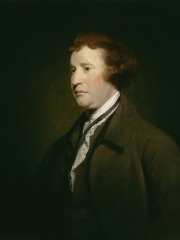
Edmund Burke
1729 - 1797
HPI: 75.69
Posizione: 1,041

Contemporanei
Tra le persone nate nel 623, Marwan I occupa la posizione 1. Tra le persone decedute nel 685, Marwan I occupa la posizione 2. Prima di lui c'è Pope Benedict II. Dopo di lui ci sono Constantine IV, Ubayd Allah ibn Ziyad, Anania Shirakatsi, Catald, Ecgfrith of Northumbria, e Hlothhere of Kent.
Altre persone nate nel 623
Vai a tutte le classificheAltre persone decedute nel 685
Vai a tutte le classifiche
Pope Benedict II
RELIGIOUS FIGURE
635 - 685
HPI: 76.47
Posizione: 1
Marwan I
POLITICIAN
623 - 685
HPI: 75.70
Posizione: 2

Constantine IV
POLITICIAN
652 - 685
HPI: 74.55
Posizione: 3
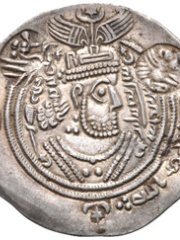
Ubayd Allah ibn Ziyad
MILITARY PERSONNEL
648 - 685
HPI: 66.97
Posizione: 4

Anania Shirakatsi
PHILOSOPHER
610 - 685
HPI: 66.17
Posizione: 5
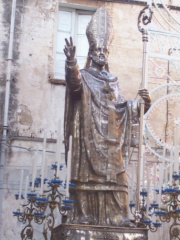
Catald
RELIGIOUS FIGURE
700 - 685
HPI: 58.52
Posizione: 6

Ecgfrith of Northumbria
POLITICIAN
645 - 685
HPI: 56.84
Posizione: 7

Hlothhere of Kent
POLITICIAN
700 - 685
HPI: 53.94
Posizione: 8
In Arabia Saudita
Tra le persone nate in Arabia Saudita, Marwan I occupa la posizione 38 su 419. Prima di lui ci sono Abu Hurairah (600), Zaynab bint Jahsh (592), Ali ibn Husayn Zayn al-Abidin (659), Fahd of Saudi Arabia (1921), Umar II (682), e Abd Allah ibn al-Zubayr (624). Dopo di lui ci sono Zainab bint Muhammad (600), Zayd ibn Harithah (581), Khalid of Saudi Arabia (1912), Abd Allah ibn Abbas (619), Abul Kalam Azad (1888), e Ruqayyah bint Muhammad (598).
Altre persone nate in Arabia Saudita
Vai a tutte le classifiche
Abu Hurairah
RELIGIOUS FIGURE
600 - 676
HPI: 76.62
Posizione: 32

Zaynab bint Jahsh
RELIGIOUS FIGURE
592 - 641
HPI: 76.60
Posizione: 33

Ali ibn Husayn Zayn al-Abidin
RELIGIOUS FIGURE
659 - 713
HPI: 76.32
Posizione: 34

Fahd of Saudi Arabia
POLITICIAN
1921 - 2005
HPI: 76.14
Posizione: 35

Umar II
POLITICIAN
682 - 720
HPI: 76.00
Posizione: 36
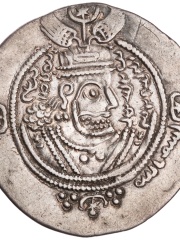
Abd Allah ibn al-Zubayr
RELIGIOUS FIGURE
624 - 692
HPI: 75.77
Posizione: 37
Marwan I
POLITICIAN
623 - 685
HPI: 75.70
Posizione: 38

Zainab bint Muhammad
COMPANION
600 - 629
HPI: 75.61
Posizione: 39

Zayd ibn Harithah
COMPANION
581 - 629
HPI: 75.45
Posizione: 40
Khalid of Saudi Arabia
POLITICIAN
1912 - 1982
HPI: 75.27
Posizione: 41

Abd Allah ibn Abbas
RELIGIOUS FIGURE
619 - 688
HPI: 75.27
Posizione: 42
Abul Kalam Azad
POLITICIAN
1888 - 1958
HPI: 75.21
Posizione: 43

Ruqayyah bint Muhammad
RELIGIOUS FIGURE
598 - 624
HPI: 75.14
Posizione: 44
Tra Politico in Arabia Saudita
Tra Politico nati in Arabia Saudita, Marwan I occupa la posizione 15. Prima di lui ci sono Hamza ibn Abdul-Muttalib (570), Abd al-Malik ibn Marwan (646), Abū Lahab (549), Abu Sufyan ibn Harb (580), Fahd of Saudi Arabia (1921), e Umar II (682). Dopo di lui ci sono Khalid of Saudi Arabia (1912), Abul Kalam Azad (1888), Al-Walid I (668), Abdullah I of Jordan (1882), Zubayr ibn al-Awam (594), e Amr ibn Hishām (570).
Hamza ibn Abdul-Muttalib
570 - 625
HPI: 77.55
Posizione: 9
Abd al-Malik ibn Marwan
646 - 705
HPI: 77.44
Posizione: 10

Abū Lahab
549 - 624
HPI: 77.13
Posizione: 11

Abu Sufyan ibn Harb
580 - 641
HPI: 76.78
Posizione: 12
Fahd of Saudi Arabia
1921 - 2005
HPI: 76.14
Posizione: 13
Umar II
682 - 720
HPI: 76.00
Posizione: 14
Marwan I
623 - 685
HPI: 75.70
Posizione: 15
Khalid of Saudi Arabia
1912 - 1982
HPI: 75.27
Posizione: 16
Abul Kalam Azad
1888 - 1958
HPI: 75.21
Posizione: 17
Al-Walid I
668 - 715
HPI: 75.10
Posizione: 18
Abdullah I of Jordan
1882 - 1951
HPI: 75.10
Posizione: 19

Zubayr ibn al-Awam
594 - 656
HPI: 75.02
Posizione: 20
Amr ibn Hishām
570 - 624
HPI: 74.92
Posizione: 21




