Feltaláló
Abbas ibn Firnas
810 - 887
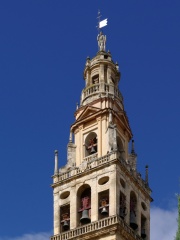
 Abbas ibn Firnas
Életrajza 53 különböző nyelven érhető el a Wikipédián (növekedés 49-ről 2024-ben). Abbas ibn Firnas a 30th legnépszerűbb feltaláló (csökkenés a 20th-ről 2024-ben), a 87th legnépszerűbb életrajz Spanyolország országából (csökkenés a 66th-ről 2019-ben) és a legnépszerűbb Spanyolországból feltaláló.
Ismertségi mutatók
220k
Oldalmegtekintések
Elmúlt 12 hónap
75.27
HPI
Történelmi népszerűségi index
Adatérdekességek
#87 / 3,981
Abbas ibn Firnas a(z) 87. helyen áll a Pantheonban szereplő, Spanyolország területén született 3,981 személy között, a csoport legjobb 3%-ában.
4
Abbas ibn Firnas a Pantheon 4 legkorábban született Feltaláló egyike.
Abbas ibn Firnas oldalmegtekintései nyelvenként
A(z) Feltaláló között
A(z) Feltaláló között Abbas ibn Firnas a(z) 30. helyen áll 433 közül. Előtte állnak: Lee de Forest, Bartolomeo Cristofori, Werner von Siemens, John Logie Baird, Denis Papin, és Thomas Newcomen. Utána következnek: Jimmy Wales, Ernő Rubik, Samuel Colt, Gideon Sundback, John Herschel, és Antonio Meucci.
A legnépszerűbb Feltaláló a Wikipédián
Összes rangsor megtekintése
Lee de Forest
1873 - 1961
HPI: 76.60
Helyezés: 24
Bartolomeo Cristofori
1655 - 1731
HPI: 76.05
Helyezés: 25
Werner von Siemens
1816 - 1892
HPI: 75.84
Helyezés: 26
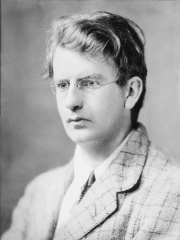
John Logie Baird
1888 - 1946
HPI: 75.44
Helyezés: 27
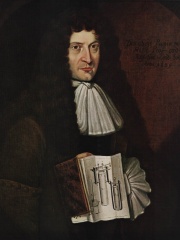
Denis Papin
1647 - 1712
HPI: 75.42
Helyezés: 28

Thomas Newcomen
1663 - 1729
HPI: 75.31
Helyezés: 29
Abbas ibn Firnas
810 - 887
HPI: 75.27
Helyezés: 30

Jimmy Wales
1966 - napjainkig
HPI: 75.20
Helyezés: 31

Ernő Rubik
1944 - napjainkig
HPI: 75.03
Helyezés: 32
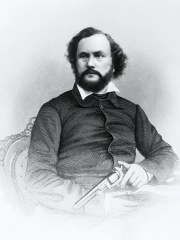
Samuel Colt
1814 - 1862
HPI: 74.94
Helyezés: 33
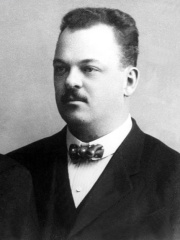
Gideon Sundback
1880 - 1954
HPI: 74.85
Helyezés: 34
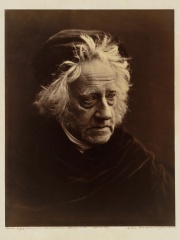
John Herschel
1792 - 1871
HPI: 74.80
Helyezés: 35
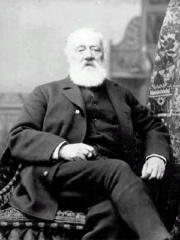
Antonio Meucci
1808 - 1889
HPI: 74.80
Helyezés: 36

Kortársak
A(z) 810. évben születettek között Abbas ibn Firnas a(z) 4. helyen áll. Előtte állnak: Muhammad al-Bukhari, John Scotus Eriugena, és Pope Benedict III. Utána következnek: Kenneth MacAlpin, Kassia, Halfdan the Black, Ahmad ibn Muhammad ibn Kathir al-Farghani, García Íñiguez of Pamplona, Hastein, Emperor Xuanzong of Tang, és Eulogius of Córdoba. A(z) 887. évben elhunytak között Abbas ibn Firnas a(z) 1. helyen áll. Utána következnek: Boso of Provence, Emperor Kōkō, Pietro I Candiano, és Giovanni II Participazio.
További személyek, akik a(z) 810. évben születtek
Összes rangsor megtekintése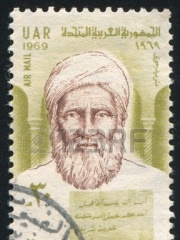
Muhammad al-Bukhari
RELIGIOUS FIGURE
810 - 870
HPI: 83.91
Helyezés: 1

John Scotus Eriugena
PHILOSOPHER
810 - 877
HPI: 78.15
Helyezés: 2
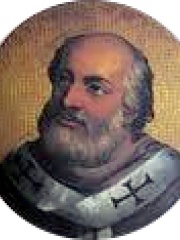
Pope Benedict III
RELIGIOUS FIGURE
810 - 858
HPI: 77.02
Helyezés: 3
Abbas ibn Firnas
INVENTOR
810 - 887
HPI: 75.27
Helyezés: 4
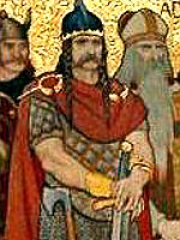
Kenneth MacAlpin
POLITICIAN
810 - 858
HPI: 71.54
Helyezés: 5
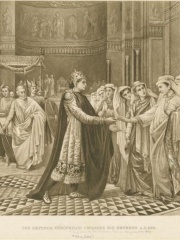
Kassia
WRITER
810 - 865
HPI: 70.48
Helyezés: 6

Halfdan the Black
POLITICIAN
810 - 860
HPI: 66.97
Helyezés: 7
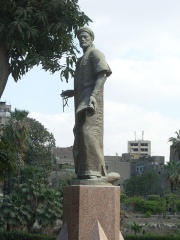
Ahmad ibn Muhammad ibn Kathir al-Farghani
ASTRONOMER
810 - 860
HPI: 66.82
Helyezés: 8
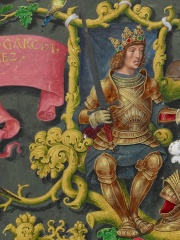
García Íñiguez of Pamplona
POLITICIAN
810 - 882
HPI: 63.95
Helyezés: 9
Hastein
POLITICIAN
810 - 896
HPI: 63.29
Helyezés: 10

Emperor Xuanzong of Tang
POLITICIAN
810 - 859
HPI: 63.27
Helyezés: 11

Eulogius of Córdoba
RELIGIOUS FIGURE
810 - 859
HPI: 63.15
Helyezés: 12
További személyek, akik a(z) 887. évben hunytak el
Összes rangsor megtekintéseAbbas ibn Firnas
INVENTOR
810 - 887
HPI: 75.27
Helyezés: 1
Boso of Provence
POLITICIAN
844 - 887
HPI: 67.42
Helyezés: 2

Emperor Kōkō
POLITICIAN
830 - 887
HPI: 65.96
Helyezés: 3

Pietro I Candiano
POLITICIAN
842 - 887
HPI: 61.03
Helyezés: 4

Giovanni II Participazio
POLITICIAN
900 - 887
HPI: 57.26
Helyezés: 5
A(z) Spanyolország rangsorában
A(z) Spanyolország területén születettek között Abbas ibn Firnas a(z) 87. helyen áll 3,981 közül. Előtte állnak: Amancio Ortega (1936), Avempace (1080), Ibn Tufail (1110), Ferdinand VII of Spain (1784), Tomás Luis de Victoria (1548), és Muhammad XII of Granada (1459). Utána következnek: Roderic (688), Juan Gris (1887), Alfonso XII of Spain (1857), Rafael Benítez (1960), Fernando Álvarez de Toledo, 3rd Duke of Alba (1507), és Vasco Núñez de Balboa (1475).
További személyek, akik Spanyolország területén születtek
Összes rangsor megtekintése
Amancio Ortega
BUSINESSPERSON
1936 - napjainkig
HPI: 75.76
Helyezés: 81
Avempace
ASTRONOMER
1080 - 1138
HPI: 75.62
Helyezés: 82
Ibn Tufail
PHILOSOPHER
1110 - 1185
HPI: 75.54
Helyezés: 83
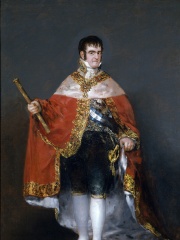
Ferdinand VII of Spain
POLITICIAN
1784 - 1833
HPI: 75.48
Helyezés: 84
Tomás Luis de Victoria
COMPOSER
1548 - 1611
HPI: 75.47
Helyezés: 85
Muhammad XII of Granada
POLITICIAN
1459 - 1532
HPI: 75.37
Helyezés: 86
Abbas ibn Firnas
INVENTOR
810 - 887
HPI: 75.27
Helyezés: 87
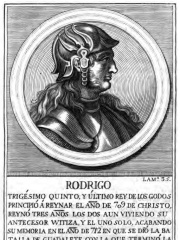
Roderic
POLITICIAN
688 - 711
HPI: 75.27
Helyezés: 88
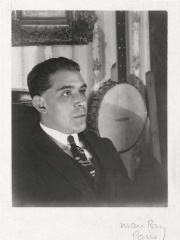
Juan Gris
PAINTER
1887 - 1927
HPI: 75.25
Helyezés: 89
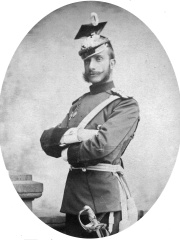
Alfonso XII of Spain
POLITICIAN
1857 - 1885
HPI: 75.25
Helyezés: 90

Rafael Benítez
COACH
1960 - napjainkig
HPI: 75.12
Helyezés: 91
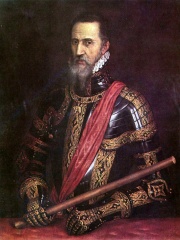
Fernando Álvarez de Toledo, 3rd Duke of Alba
POLITICIAN
1507 - 1582
HPI: 75.10
Helyezés: 92
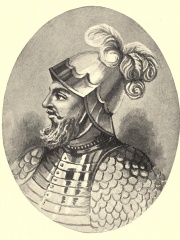
Vasco Núñez de Balboa
EXPLORER
1475 - 1519
HPI: 75.02
Helyezés: 93
A(z) Feltaláló között – Spanyolország
A(z) Spanyolország területén született Feltaláló között Abbas ibn Firnas a(z) 1. helyen áll. Utána következnek: Juan de la Cierva, 1st Count of la Cierva (1895), Narcís Monturiol (1819), és Leonardo Torres y Quevedo (1852).
Abbas ibn Firnas
810 - 887
HPI: 75.27
Helyezés: 1
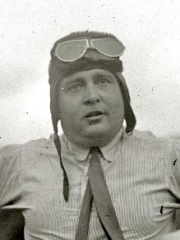
Juan de la Cierva, 1st Count of la Cierva
1895 - 1936
HPI: 61.70
Helyezés: 2
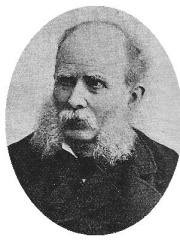
Narcís Monturiol
1819 - 1885
HPI: 61.31
Helyezés: 3
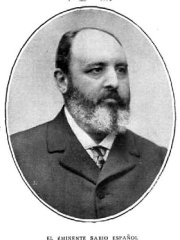
Leonardo Torres y Quevedo
1852 - 1936
HPI: 57.50
Helyezés: 4




