Polityk
Tiit Vähi
1947 - obecnie
WYŚWIETLENIA PL.WIKIPEDIA (PV)
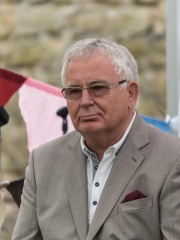
 Tiit Vähi
Jego biografia jest dostępna w 28 różnych językach w Wikipedii (wzrost z 27 w 2024 roku). Tiit Vähi jest 11014. najpopularniejszym polityk (wzrost z 12190. w 2024 roku), 78. najpopularniejszą biografią Estonia (wzrost z 92. w 2019 roku) oraz 29. najpopularniejszym polityk Estonia.
Wskaźniki rozpoznawalności
11k
Wyświetlenia strony
Ostatnie 12 miesięcy
60.29
HPI
Indeks historycznej popularności
Ciekawostki z danych
10 sty
Tiit Vähi obchodzi urodziny tego samego dnia (10 stycznia) co Al-Farabi, Michel Ney i Leonid Kravchuk.
Wyświetlenia strony Tiit Vähi według języka
Wśród przedstawicieli zawodu Polityk
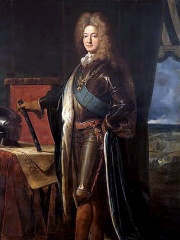
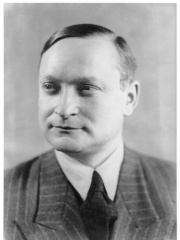
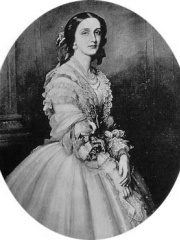
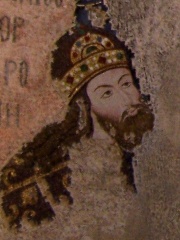
Wśród przedstawicieli zawodu „Polityk” Tiit Vähi zajmuje 11,008. miejsce na 19,576. Przed nim są Prince George, Duke of Cambridge, Emperor Zhangzong of Jin, Prince Andrei Alexandrovich of Russia, Reşid Mehmed Pasha, Adrien Maurice de Noailles, i Al-Qasim al-Ma'mun. Po nim są Georg Leibbrandt, Princess Anna of Saxony, Isaac Komnenos, Beatrice II, Countess of Burgundy, Olympias II of Epirus, i Maria of Serbia, Queen of Bosnia.
Najpopularniejsi w Wikipedii: Polityk
Zobacz wszystkie rankingi
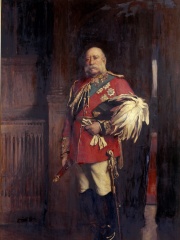
Prince George, Duke of Cambridge
1819 - 1904
HPI: 60.30
Miejsce: 11,008

Emperor Zhangzong of Jin
1168 - 1208
HPI: 60.30
Miejsce: 11,009
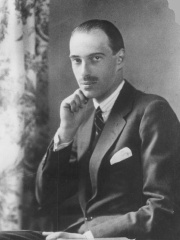
Prince Andrei Alexandrovich of Russia
1897 - 1981
HPI: 60.29
Miejsce: 11,010
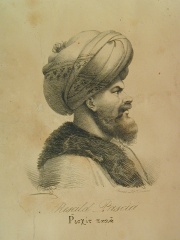
Reşid Mehmed Pasha
1780 - 1836
HPI: 60.29
Miejsce: 11,011
Adrien Maurice de Noailles
1678 - 1766
HPI: 60.29
Miejsce: 11,012

Al-Qasim al-Ma'mun
965 - 1025
HPI: 60.29
Miejsce: 11,013
Tiit Vähi
1947 - obecnie
HPI: 60.29
Miejsce: 11,014
Georg Leibbrandt
1899 - 1982
HPI: 60.29
Miejsce: 11,015
Princess Anna of Saxony
1836 - 1859
HPI: 60.29
Miejsce: 11,016
Isaac Komnenos
1093 - 1152
HPI: 60.29
Miejsce: 11,017

Beatrice II, Countess of Burgundy
1191 - 1231
HPI: 60.29
Miejsce: 11,018

Olympias II of Epirus
300 BC - 300 BC
HPI: 60.29
Miejsce: 11,019
Maria of Serbia, Queen of Bosnia
1447 - 1500
HPI: 60.29
Miejsce: 11,020

Współcześni
Wśród osób urodzonych w 1947 roku Tiit Vähi zajmuje 310. miejsce. Przed nim są Michel Berger, Carlos Lopes, Robertino Loreti, Ann Hui, Sammy Hagar, i Aleksandr Viktorenko. Po nim są Gunter Demnig, Aram I, László Fazekas, Gunnar Staalesen, Tim Matheson, i Peter Senge.
Inne osoby urodzone w 1947 roku
Zobacz wszystkie rankingi
Michel Berger
SINGER
1947 - 1992
HPI: 60.33
Miejsce: 304
Carlos Lopes
ATHLETE
1947 - obecnie
HPI: 60.33
Miejsce: 305
Robertino Loreti
SINGER
1947 - obecnie
HPI: 60.32
Miejsce: 306

Ann Hui
FILM DIRECTOR
1947 - obecnie
HPI: 60.31
Miejsce: 307
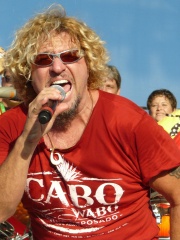
Sammy Hagar
MUSICIAN
1947 - obecnie
HPI: 60.31
Miejsce: 308

Aleksandr Viktorenko
ASTRONAUT
1947 - 2023
HPI: 60.30
Miejsce: 309
Tiit Vähi
POLITICIAN
1947 - obecnie
HPI: 60.29
Miejsce: 310
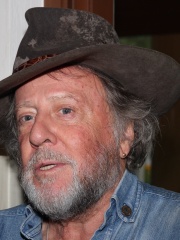
Gunter Demnig
POLITICIAN
1947 - obecnie
HPI: 60.28
Miejsce: 311
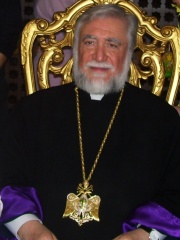
Aram I
RELIGIOUS FIGURE
1947 - obecnie
HPI: 60.27
Miejsce: 312

László Fazekas
SOCCER PLAYER
1947 - 2026
HPI: 60.11
Miejsce: 313
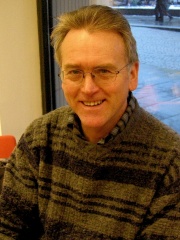
Gunnar Staalesen
WRITER
1947 - obecnie
HPI: 60.07
Miejsce: 314
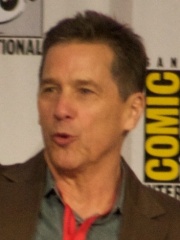
Tim Matheson
ACTOR
1947 - obecnie
HPI: 60.05
Miejsce: 315
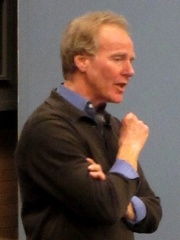
Peter Senge
ECONOMIST
1947 - obecnie
HPI: 60.03
Miejsce: 316
W kraju Estonia
Wśród osób urodzonych w kraju Estonia Tiit Vähi zajmuje 78. miejsce na 351. Przed nim są Kaarel Eenpalu (1888), Jaan Teemant (1872), Balthasar Russow (1536), Aleksander Klumberg (1899), Herman Wrangel (1584), i Jüri Tarmak (1946). Po nim są Carl Robert Jakobson (1841), Viktor Kingissepp (1888), Otto Strandman (1875), Ants Piip (1884), August Sabbe (1909), i Alexander von Benckendorff (1782).
Inne osoby urodzone w kraju Estonia
Zobacz wszystkie rankingi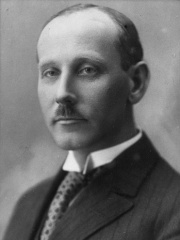
Kaarel Eenpalu
POLITICIAN
1888 - 1942
HPI: 60.77
Miejsce: 72
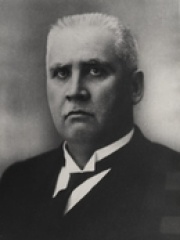
Jaan Teemant
POLITICIAN
1872 - 1940
HPI: 60.70
Miejsce: 73
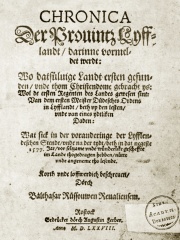
Balthasar Russow
WRITER
1536 - 1600
HPI: 60.69
Miejsce: 74
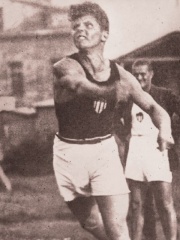
Aleksander Klumberg
ATHLETE
1899 - 1958
HPI: 60.51
Miejsce: 75
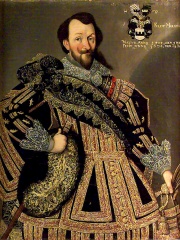
Herman Wrangel
POLITICIAN
1584 - 1643
HPI: 60.50
Miejsce: 76
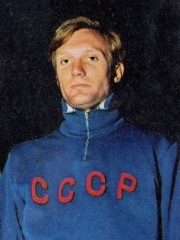
Jüri Tarmak
ATHLETE
1946 - 2022
HPI: 60.30
Miejsce: 77
Tiit Vähi
POLITICIAN
1947 - obecnie
HPI: 60.29
Miejsce: 78
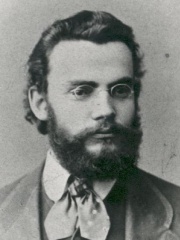
Carl Robert Jakobson
WRITER
1841 - 1882
HPI: 60.25
Miejsce: 79
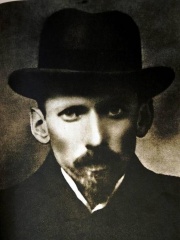
Viktor Kingissepp
POLITICIAN
1888 - 1922
HPI: 60.21
Miejsce: 80
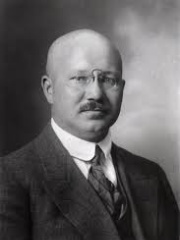
Otto Strandman
POLITICIAN
1875 - 1941
HPI: 60.13
Miejsce: 81
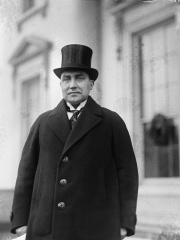
Ants Piip
POLITICIAN
1884 - 1942
HPI: 60.13
Miejsce: 82
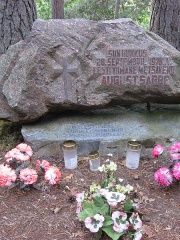
August Sabbe
POLITICIAN
1909 - obecnie
HPI: 60.11
Miejsce: 83
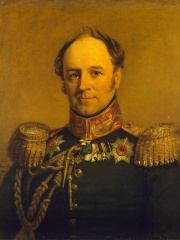
Alexander von Benckendorff
POLITICIAN
1782 - 1844
HPI: 60.10
Miejsce: 84
Wśród przedstawicieli zawodu Polityk w kraju Estonia
Wśród przedstawicieli zawodu „Polityk” urodzonych w kraju Estonia Tiit Vähi zajmuje 29. miejsce. Przed nim są Johann Voldemar Jannsen (1819), Jüri Uluots (1890), Friedrich Wilhelm Rembert von Berg (1794), Kaarel Eenpalu (1888), Jaan Teemant (1872), i Herman Wrangel (1584). Po nim są Viktor Kingissepp (1888), Otto Strandman (1875), Ants Piip (1884), August Sabbe (1909), Alexander von Benckendorff (1782), i Edgar Savisaar (1950).
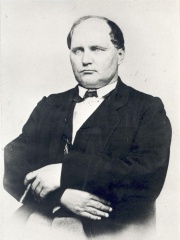
Johann Voldemar Jannsen
1819 - 1890
HPI: 61.34
Miejsce: 23
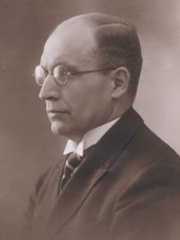
Jüri Uluots
1890 - 1945
HPI: 61.30
Miejsce: 24
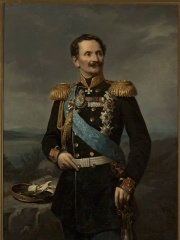
Friedrich Wilhelm Rembert von Berg
1794 - obecnie
HPI: 60.99
Miejsce: 25
Kaarel Eenpalu
1888 - 1942
HPI: 60.77
Miejsce: 26
Jaan Teemant
1872 - 1940
HPI: 60.70
Miejsce: 27
Herman Wrangel
1584 - 1643
HPI: 60.50
Miejsce: 28
Tiit Vähi
1947 - obecnie
HPI: 60.29
Miejsce: 29
Viktor Kingissepp
1888 - 1922
HPI: 60.21
Miejsce: 30
Otto Strandman
1875 - 1941
HPI: 60.13
Miejsce: 31
Ants Piip
1884 - 1942
HPI: 60.13
Miejsce: 32
August Sabbe
1909 - obecnie
HPI: 60.11
Miejsce: 33
Alexander von Benckendorff
1782 - 1844
HPI: 60.10
Miejsce: 34
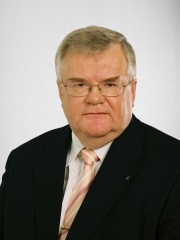
Edgar Savisaar
1950 - 2022
HPI: 59.91
Miejsce: 35




