Politikus
Siim Kallas
1948 - napjainkig
HU.WIKIPEDIA PAGE VIEWS (PV)
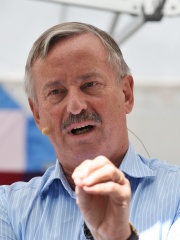
 Siim Kallas
Életrajza 35 különböző nyelven érhető el a Wikipédián (növekedés 34-ről 2024-ben). Siim Kallas a 3,651st legnépszerűbb politikus (növekedés a 4,545th-ről 2024-ben), a 16th legnépszerűbb életrajz Észtország országából (növekedés a 21st-ről 2019-ben) és a 8th legnépszerűbb Észtországból politikus.
Memorability Metrics
130k
Page Views
Past 12 months
68.51
HPI
Historical Popularity Index
Page views of Siim Kallas by language
Among Politikuses
Among politikuses, Siim Kallas ranks 3,649 out of 19,576. Before him are Emilio Mola, Sancho IV of Castile, Edmond Debeaumarché, Domitianus II, Ulrich von Jungingen, and Agis IV. After him are James Macpherson, Jahan Shah, Roman the Great, Christina of Lorraine, Midhat Pasha, and Francis Phoebus of Navarre.
Most Popular Politikuses in Wikipedia
Go to all Rankings

Emilio Mola
1887 - 1937
HPI: 68.52
Rank: 3,645
Sancho IV of Castile
1258 - 1295
HPI: 68.52
Rank: 3,646

Edmond Debeaumarché
1906 - 1959
HPI: 68.52
Rank: 3,647
Domitianus II
300 - 271
HPI: 68.51
Rank: 3,648
Ulrich von Jungingen
1360 - 1410
HPI: 68.51
Rank: 3,649
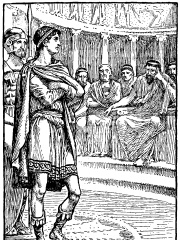
Agis IV
265 BC - 241 BC
HPI: 68.51
Rank: 3,650
Siim Kallas
1948 - Present
HPI: 68.51
Rank: 3,651
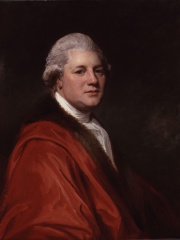
James Macpherson
1736 - 1796
HPI: 68.51
Rank: 3,652
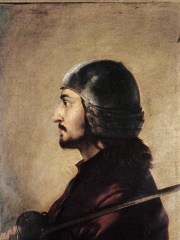
Jahan Shah
1397 - 1467
HPI: 68.51
Rank: 3,653
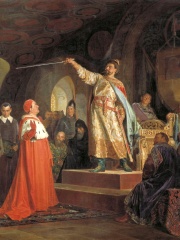
Roman the Great
1150 - 1205
HPI: 68.50
Rank: 3,654
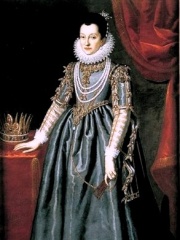
Christina of Lorraine
1565 - 1637
HPI: 68.50
Rank: 3,655
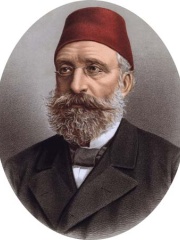
Midhat Pasha
1822 - 1883
HPI: 68.50
Rank: 3,656
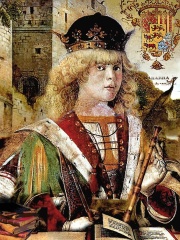
Francis Phoebus of Navarre
1467 - 1483
HPI: 68.50
Rank: 3,657

Contemporaries
Among people born in 1948, Siim Kallas ranks 69. Before him are Claude Jade, Ian Paice, Arie Haan, Bille August, Ian McEwan, and Hartmut Michel. After him are William Daniel Phillips, Ray Kurzweil, Carl Weathers, Valentin Ceaușescu, Edwige Fenech, and Amadou Toumani Touré.
Others Born in 1948
Go to all Rankings
Claude Jade
ACTOR
1948 - 2006
HPI: 69.16
Rank: 63
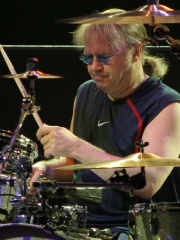
Ian Paice
MUSICIAN
1948 - Present
HPI: 69.05
Rank: 64
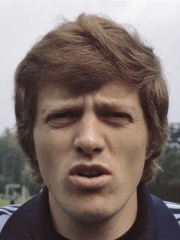
Arie Haan
SOCCER PLAYER
1948 - Present
HPI: 68.97
Rank: 65
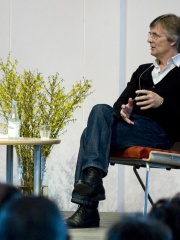
Bille August
FILM DIRECTOR
1948 - Present
HPI: 68.96
Rank: 66
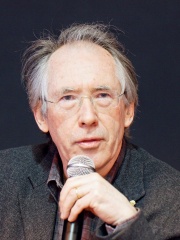
Ian McEwan
WRITER
1948 - Present
HPI: 68.84
Rank: 67
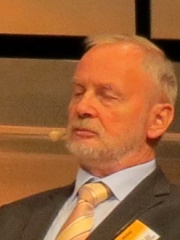
Hartmut Michel
CHEMIST
1948 - Present
HPI: 68.68
Rank: 68
Siim Kallas
POLITICIAN
1948 - Present
HPI: 68.51
Rank: 69
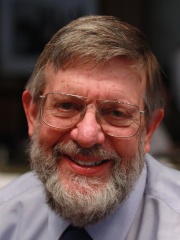
William Daniel Phillips
PHYSICIST
1948 - Present
HPI: 68.44
Rank: 70
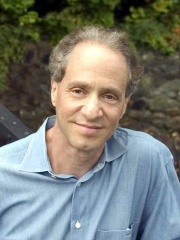
Ray Kurzweil
COMPUTER SCIENTIST
1948 - Present
HPI: 68.42
Rank: 71
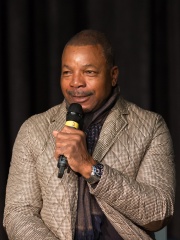
Carl Weathers
ACTOR
1948 - 2024
HPI: 68.39
Rank: 72
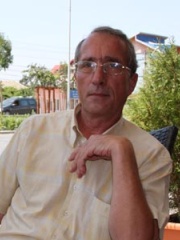
Valentin Ceaușescu
PHYSICIST
1948 - Present
HPI: 68.38
Rank: 73
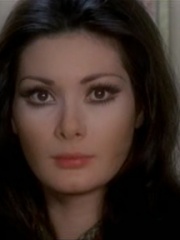
Edwige Fenech
ACTOR
1948 - Present
HPI: 68.20
Rank: 74
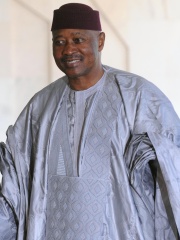
Amadou Toumani Touré
POLITICIAN
1948 - 2020
HPI: 68.08
Rank: 75
In Észtország
Among people born in Észtország, Siim Kallas ranks 16 out of NaN. Before him are Wolfgang Köhler (1887), Paul Keres (1916), Kaja Kallas (1977), Louis Kahn (1901), Alar Karis (1958), and Paul von Rennenkampf (1854). After him are Patriarch Alexy II of Moscow (1929), Jakob von Uexküll (1864), Adolf von Harnack (1851), Felix Kersten (1898), Friedrich Reinhold Kreutzwald (1803), and Ernst Öpik (1893).
Others born in Észtország
Go to all Rankings
Wolfgang Köhler
PSYCHOLOGIST
1887 - 1967
HPI: 70.89
Rank: 10
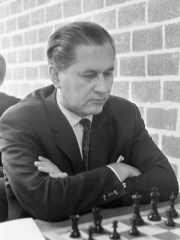
Paul Keres
CHESS PLAYER
1916 - 1975
HPI: 70.57
Rank: 11
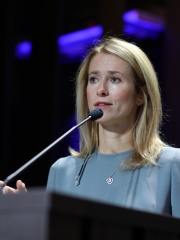
Kaja Kallas
POLITICIAN
1977 - Present
HPI: 70.35
Rank: 12

Louis Kahn
ARCHITECT
1901 - 1974
HPI: 69.00
Rank: 13
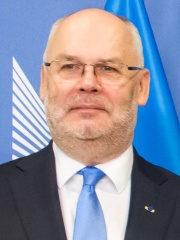
Alar Karis
POLITICIAN
1958 - Present
HPI: 68.89
Rank: 14
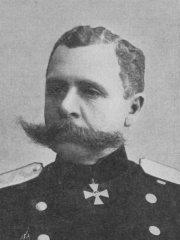
Paul von Rennenkampf
MILITARY PERSONNEL
1854 - 1918
HPI: 68.87
Rank: 15
Siim Kallas
POLITICIAN
1948 - Present
HPI: 68.51
Rank: 16
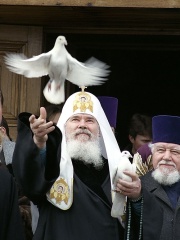
Patriarch Alexy II of Moscow
RELIGIOUS FIGURE
1929 - 2008
HPI: 68.49
Rank: 17
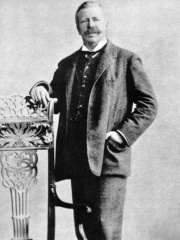
Jakob von Uexküll
BIOLOGIST
1864 - 1944
HPI: 68.37
Rank: 18
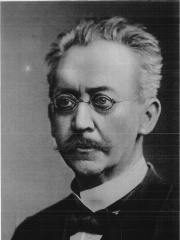
Adolf von Harnack
PHILOSOPHER
1851 - 1930
HPI: 67.84
Rank: 19
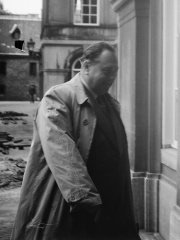
Felix Kersten
POLITICIAN
1898 - 1960
HPI: 67.67
Rank: 20
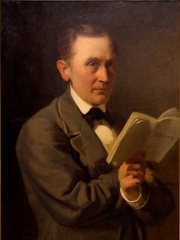
Friedrich Reinhold Kreutzwald
WRITER
1803 - 1882
HPI: 67.60
Rank: 21
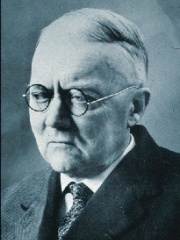
Ernst Öpik
ASTRONOMER
1893 - 1985
HPI: 67.25
Rank: 22
Among Politikuses In Észtország
Among politikuses born in Észtország, Siim Kallas ranks 8. Before him are Alfred Rosenberg (1893), Arnold Rüütel (1928), Konstantin Päts (1874), Lennart Meri (1929), Kaja Kallas (1977), and Alar Karis (1958). After him are Felix Kersten (1898), Jacob De la Gardie (1583), Andrus Ansip (1956), Kersti Kaljulaid (1969), Alexander Gorchakov (1798), and Neeme Järvi (1937).
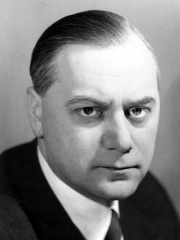
Alfred Rosenberg
1893 - 1946
HPI: 78.24
Rank: 2
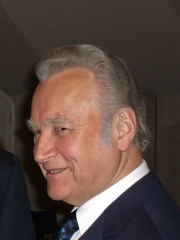
Arnold Rüütel
1928 - 2024
HPI: 73.60
Rank: 3
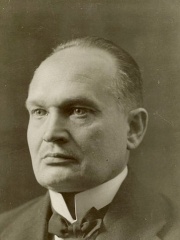
Konstantin Päts
1874 - 1956
HPI: 71.63
Rank: 4
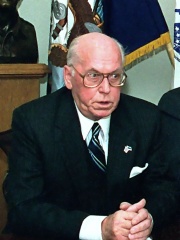
Lennart Meri
1929 - 2006
HPI: 70.95
Rank: 5
Kaja Kallas
1977 - Present
HPI: 70.35
Rank: 6
Alar Karis
1958 - Present
HPI: 68.89
Rank: 7
Siim Kallas
1948 - Present
HPI: 68.51
Rank: 8
Felix Kersten
1898 - 1960
HPI: 67.67
Rank: 9
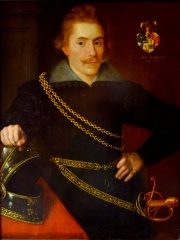
Jacob De la Gardie
1583 - 1652
HPI: 66.81
Rank: 10
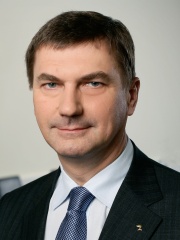
Andrus Ansip
1956 - Present
HPI: 66.36
Rank: 11
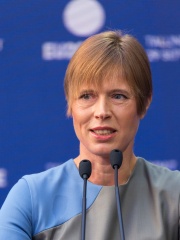
Kersti Kaljulaid
1969 - Present
HPI: 65.53
Rank: 12
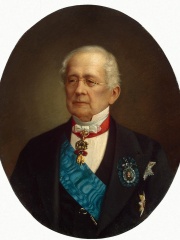
Alexander Gorchakov
1798 - 1883
HPI: 64.89
Rank: 13
Neeme Järvi
1937 - Present
HPI: 64.49
Rank: 14




