Piosenkarz
Robertino Loreti
1947 - obecnie
WYŚWIETLENIA PL.WIKIPEDIA (PV)
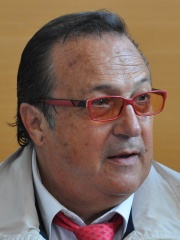
 Robertino Loreti
Jego biografia jest dostępna w 17 różnych językach w Wikipedii (wzrost z 15 w 2024 roku). Robertino Loreti jest 739. najpopularniejszym piosenkarz (spadek z 686. w 2024 roku), 2715. najpopularniejszą biografią Włochy (spadek z 2642. w 2019 roku) oraz 55. najpopularniejszym piosenkarz Włochy.
Wskaźniki rozpoznawalności
82k
Wyświetlenia strony
Ostatnie 12 miesięcy
60.32
HPI
Indeks historycznej popularności
Wyświetlenia strony Robertino Loreti według języka
Wśród przedstawicieli zawodu Piosenkarz
Wśród przedstawicieli zawodu „Piosenkarz” Robertino Loreti zajmuje 739. miejsce na 4,381. Przed nim są Montserrat Figueras, Halid Bešlić, Elza Soares, Michel Berger, Jacob Miller, i Patricia Kaas. Po nim są Pharrell Williams, Shakin' Stevens, Kim Jung-sook, Dado Topić, Josipa Lisac, i Bobby Darin.
Najpopularniejsi w Wikipedii: Piosenkarz
Zobacz wszystkie rankingi
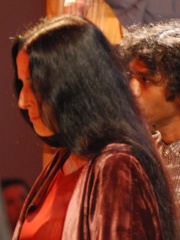
Montserrat Figueras
1942 - 2011
HPI: 60.37
Miejsce: 733

Halid Bešlić
1953 - 2025
HPI: 60.36
Miejsce: 734

Elza Soares
1930 - 2022
HPI: 60.35
Miejsce: 735
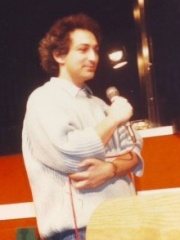
Michel Berger
1947 - 1992
HPI: 60.33
Miejsce: 736
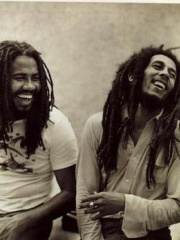
Jacob Miller
1952 - 1980
HPI: 60.33
Miejsce: 737
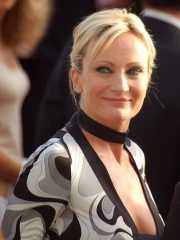
Patricia Kaas
1966 - obecnie
HPI: 60.33
Miejsce: 738
Robertino Loreti
1947 - obecnie
HPI: 60.32
Miejsce: 739
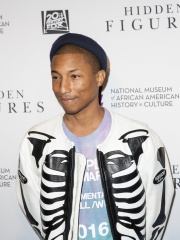
Pharrell Williams
1973 - obecnie
HPI: 60.32
Miejsce: 740
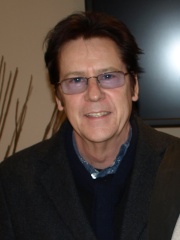
Shakin' Stevens
1948 - obecnie
HPI: 60.30
Miejsce: 741
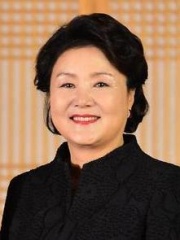
Kim Jung-sook
1954 - obecnie
HPI: 60.30
Miejsce: 742
Dado Topić
1949 - obecnie
HPI: 60.29
Miejsce: 743
Josipa Lisac
1950 - obecnie
HPI: 60.28
Miejsce: 744
Bobby Darin
1936 - 1973
HPI: 60.28
Miejsce: 745

Współcześni
Wśród osób urodzonych w 1947 roku Robertino Loreti zajmuje 306. miejsce. Przed nim są Julie Driscoll Tippetts, Hristo Bonev, Yūko Tsushima, Tessa Jowell, Michel Berger, i Carlos Lopes. Po nim są Ann Hui, Sammy Hagar, Aleksandr Viktorenko, Tiit Vähi, Gunter Demnig, i Aram I.
Inne osoby urodzone w 1947 roku
Zobacz wszystkie rankingi
Julie Driscoll Tippetts
SINGER
1947 - obecnie
HPI: 60.44
Miejsce: 300
Hristo Bonev
SOCCER PLAYER
1947 - obecnie
HPI: 60.41
Miejsce: 301

Yūko Tsushima
WRITER
1947 - 2016
HPI: 60.38
Miejsce: 302
Tessa Jowell
POLITICIAN
1947 - 2018
HPI: 60.36
Miejsce: 303
Michel Berger
SINGER
1947 - 1992
HPI: 60.33
Miejsce: 304
Carlos Lopes
ATHLETE
1947 - obecnie
HPI: 60.33
Miejsce: 305
Robertino Loreti
SINGER
1947 - obecnie
HPI: 60.32
Miejsce: 306

Ann Hui
FILM DIRECTOR
1947 - obecnie
HPI: 60.31
Miejsce: 307
Sammy Hagar
MUSICIAN
1947 - obecnie
HPI: 60.31
Miejsce: 308

Aleksandr Viktorenko
ASTRONAUT
1947 - 2023
HPI: 60.30
Miejsce: 309
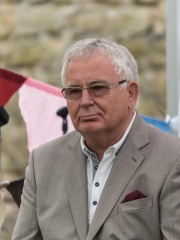
Tiit Vähi
POLITICIAN
1947 - obecnie
HPI: 60.29
Miejsce: 310
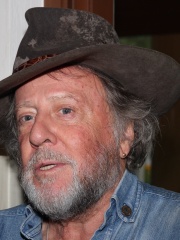
Gunter Demnig
POLITICIAN
1947 - obecnie
HPI: 60.28
Miejsce: 311
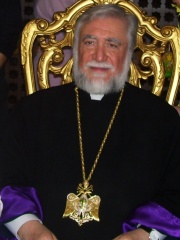
Aram I
RELIGIOUS FIGURE
1947 - obecnie
HPI: 60.27
Miejsce: 312
W kraju Włochy
Wśród osób urodzonych w kraju Włochy Robertino Loreti zajmuje 2,715. miejsce na NaN. Przed nim są Gianfrancesco I Gonzaga, Marquess of Mantua (1395), Eleanor of Naples, Duchess of Ferrara (1450), Vincenzo Foppa (1427), Massimo Stanzione (1585), Obelerio degli Antenori (800), i Titus Burckhardt (1908). Po nim są Piero Piccioni (1921), Prince Gaetan, Count of Girgenti (1846), Appius Claudius Pulcher (-97), Bartolomeo Bon (1407), Nino Vaccarella (1933), i Paolo Romeo (1938).
Inne osoby urodzone w kraju Włochy
Zobacz wszystkie rankingi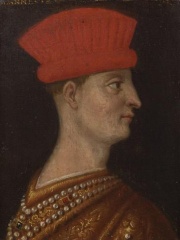
Gianfrancesco I Gonzaga, Marquess of Mantua
POLITICIAN
1395 - 1444
HPI: 60.34
Miejsce: 2,709
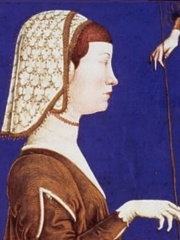
Eleanor of Naples, Duchess of Ferrara
POLITICIAN
1450 - 1493
HPI: 60.33
Miejsce: 2,710
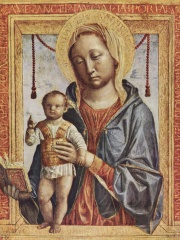
Vincenzo Foppa
PAINTER
1427 - obecnie
HPI: 60.33
Miejsce: 2,711
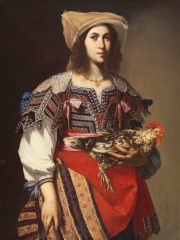
Massimo Stanzione
PAINTER
1585 - 1656
HPI: 60.33
Miejsce: 2,712
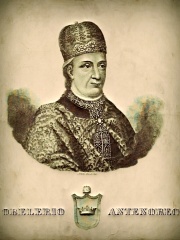
Obelerio degli Antenori
POLITICIAN
800 - 831
HPI: 60.33
Miejsce: 2,713
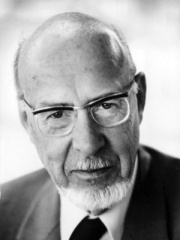
Titus Burckhardt
WRITER
1908 - 1984
HPI: 60.32
Miejsce: 2,714
Robertino Loreti
SINGER
1947 - obecnie
HPI: 60.32
Miejsce: 2,715
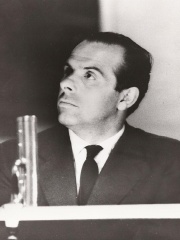
Piero Piccioni
COMPOSER
1921 - 2004
HPI: 60.32
Miejsce: 2,716
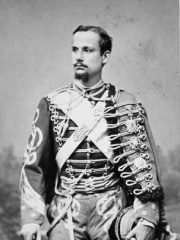
Prince Gaetan, Count of Girgenti
POLITICIAN
1846 - 1871
HPI: 60.32
Miejsce: 2,717

Appius Claudius Pulcher
POLITICIAN
97 BC - 48 BC
HPI: 60.31
Miejsce: 2,718
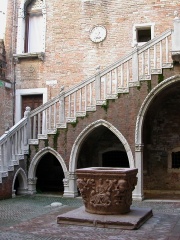
Bartolomeo Bon
SCULPTOR
1407 - 1464
HPI: 60.31
Miejsce: 2,719
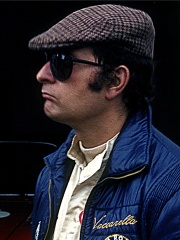
Nino Vaccarella
RACING DRIVER
1933 - 2021
HPI: 60.30
Miejsce: 2,720
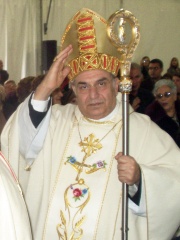
Paolo Romeo
RELIGIOUS FIGURE
1938 - obecnie
HPI: 60.30
Miejsce: 2,721
Wśród przedstawicieli zawodu Piosenkarz w kraju Włochy
Wśród przedstawicieli zawodu „Piosenkarz” urodzonych w kraju Włochy Robertino Loreti zajmuje 55. miejsce. Przed nim są Angelo Branduardi (1950), Cesare Siepi (1923), Magda Olivero (1910), Nino Ferrer (1934), Patty Pravo (1948), i Massimo Ranieri (1951). Po nim są Gino Paoli (1934), Marietta Alboni (1823), Riccardo Fogli (1947), Titta Ruffo (1877), Giulia Grisi (1811), i Claudio Villa (1926).
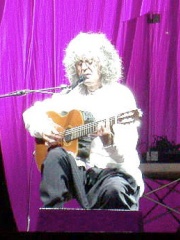
Angelo Branduardi
1950 - obecnie
HPI: 60.98
Miejsce: 49
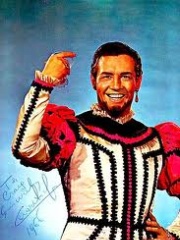
Cesare Siepi
1923 - 2010
HPI: 60.98
Miejsce: 50
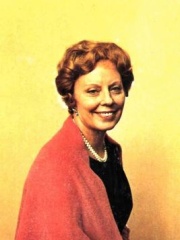
Magda Olivero
1910 - 2014
HPI: 60.80
Miejsce: 51
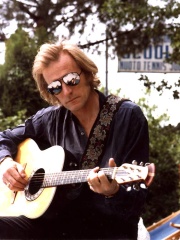
Nino Ferrer
1934 - 1998
HPI: 60.51
Miejsce: 52
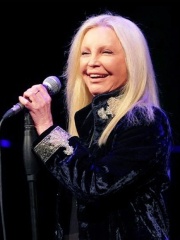
Patty Pravo
1948 - obecnie
HPI: 60.39
Miejsce: 53
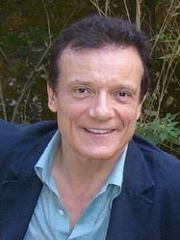
Massimo Ranieri
1951 - obecnie
HPI: 60.38
Miejsce: 54
Robertino Loreti
1947 - obecnie
HPI: 60.32
Miejsce: 55
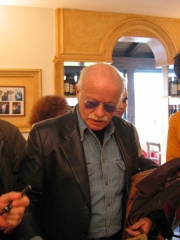
Gino Paoli
1934 - 2026
HPI: 60.22
Miejsce: 56
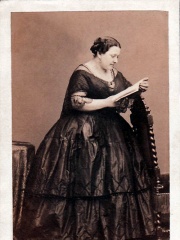
Marietta Alboni
1823 - 1894
HPI: 59.98
Miejsce: 57
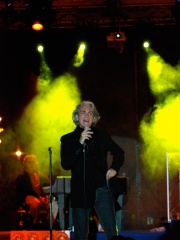
Riccardo Fogli
1947 - obecnie
HPI: 59.73
Miejsce: 58
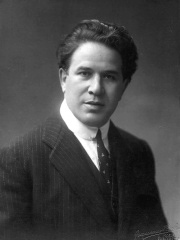
Titta Ruffo
1877 - 1953
HPI: 59.66
Miejsce: 59
Giulia Grisi
1811 - 1869
HPI: 59.64
Miejsce: 60
Claudio Villa
1926 - 1987
HPI: 59.32
Miejsce: 61




