Polityk
Roberto Fiore
1959 - obecnie
WYŚWIETLENIA PL.WIKIPEDIA (PV)
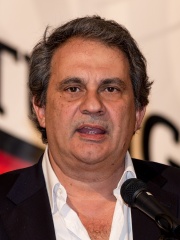

 Roberto Fiore
Jego biografia jest dostępna w 17 różnych językach w Wikipedii. Roberto Fiore jest 16543. najpopularniejszym polityk (spadek z 10153. w 2024 roku), 4097. najpopularniejszą biografią Włochy (spadek z 2614. w 2019 roku) oraz 895. najpopularniejszym polityk Włochy.
Wskaźniki rozpoznawalności
80k
Wyświetlenia strony
Ostatnie 12 miesięcy
53.19
HPI
Indeks historycznej popularności
Wyświetlenia strony Roberto Fiore według języka
Wśród przedstawicieli zawodu Polityk
Wśród przedstawicieli zawodu „Polityk” Roberto Fiore zajmuje 16,536. miejsce na 19,576. Przed nim są Yekta Uzunoglu, John Campbell, 2nd Duke of Argyll, Janez Evangelist Krek, Janez Potočnik, Albert Hyzler, i Peter Struck. Po nim są John A. Costello, Ruby Laffoon, Miguel de San Román, Nabu-apla-iddina, Cory Booker, i Ahmed al-Senussi.
Najpopularniejsi w Wikipedii: Polityk
Zobacz wszystkie rankingi
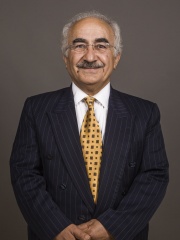
Yekta Uzunoglu
1953 - obecnie
HPI: 53.20
Miejsce: 16,537
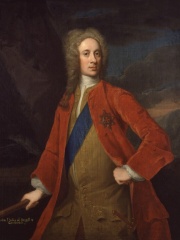
John Campbell, 2nd Duke of Argyll
1680 - 1743
HPI: 53.20
Miejsce: 16,538
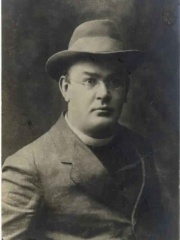
Janez Evangelist Krek
1865 - 1917
HPI: 53.20
Miejsce: 16,539
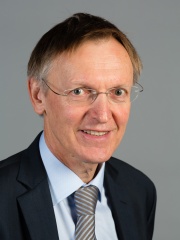
Janez Potočnik
1958 - obecnie
HPI: 53.20
Miejsce: 16,540
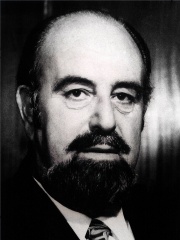
Albert Hyzler
1916 - 1993
HPI: 53.20
Miejsce: 16,541
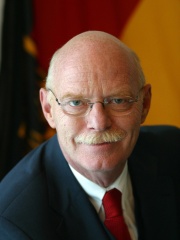
Peter Struck
1943 - 2012
HPI: 53.20
Miejsce: 16,542
Roberto Fiore
1959 - obecnie
HPI: 53.19
Miejsce: 16,543
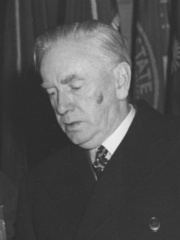
John A. Costello
1891 - 1976
HPI: 53.19
Miejsce: 16,544
Ruby Laffoon
1869 - 1941
HPI: 53.19
Miejsce: 16,545
Miguel de San Román
1802 - 1863
HPI: 53.19
Miejsce: 16,546

Nabu-apla-iddina
HPI: 53.18
Miejsce: 16,547
Cory Booker
1969 - obecnie
HPI: 53.18
Miejsce: 16,548
Ahmed al-Senussi
1933 - obecnie
HPI: 53.18
Miejsce: 16,549

Współcześni
Wśród osób urodzonych w 1959 roku Roberto Fiore zajmuje 400. miejsce. Przed nim są Mats Näslund, Rick Carlisle, David Frankel, Abdullah bin Khalifa Al Thani, Toshio Masuda, i Erwin Olaf. Po nim są Gelindo Bordin, Glenn Morshower, Daniel Goldhagen, Raf, John Lauridsen, i Susanna Clarke.
Inne osoby urodzone w 1959 roku
Zobacz wszystkie rankingi
Mats Näslund
HOCKEY PLAYER
1959 - obecnie
HPI: 53.27
Miejsce: 394

Rick Carlisle
BASKETBALL PLAYER
1959 - obecnie
HPI: 53.27
Miejsce: 395
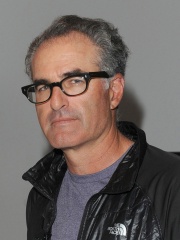
David Frankel
FILM DIRECTOR
1959 - obecnie
HPI: 53.26
Miejsce: 396

Abdullah bin Khalifa Al Thani
POLITICIAN
1959 - obecnie
HPI: 53.25
Miejsce: 397

Toshio Masuda
MUSICIAN
1959 - obecnie
HPI: 53.24
Miejsce: 398

Erwin Olaf
PHOTOGRAPHER
1959 - 2023
HPI: 53.21
Miejsce: 399
Roberto Fiore
POLITICIAN
1959 - obecnie
HPI: 53.19
Miejsce: 400
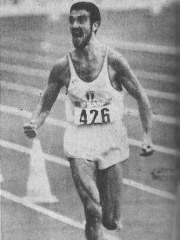
Gelindo Bordin
ATHLETE
1959 - obecnie
HPI: 53.18
Miejsce: 401
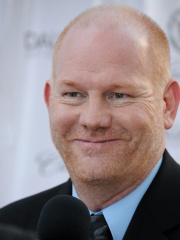
Glenn Morshower
ACTOR
1959 - obecnie
HPI: 53.17
Miejsce: 402
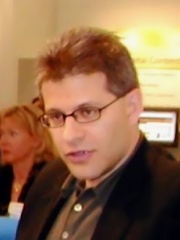
Daniel Goldhagen
WRITER
1959 - obecnie
HPI: 53.13
Miejsce: 403

Raf
SINGER
1959 - obecnie
HPI: 53.10
Miejsce: 404

John Lauridsen
SOCCER PLAYER
1959 - obecnie
HPI: 53.09
Miejsce: 405
Susanna Clarke
WRITER
1959 - obecnie
HPI: 53.09
Miejsce: 406
W kraju Włochy
Wśród osób urodzonych w kraju Włochy Roberto Fiore zajmuje 4,097. miejsce na NaN. Przed nim są Attilio Fontana (1952), Matteo Garrone (1968), Goffredo Parise (1929), Romano Bonagura (1930), Antonio Maspes (1932), i Saul Malatrasi (1938). Po nim są Silvio Micali (1954), Maurizio Damilano (1957), Chiara Ferragni (1987), Gelindo Bordin (1959), Luciano Ligabue (1960), i Massimo Bottura (1962).
Inne osoby urodzone w kraju Włochy
Zobacz wszystkie rankingi
Attilio Fontana
POLITICIAN
1952 - obecnie
HPI: 53.26
Miejsce: 4,091
Matteo Garrone
FILM DIRECTOR
1968 - obecnie
HPI: 53.25
Miejsce: 4,092

Goffredo Parise
WRITER
1929 - 1986
HPI: 53.24
Miejsce: 4,093

Romano Bonagura
ATHLETE
1930 - 2010
HPI: 53.23
Miejsce: 4,094
Antonio Maspes
CYCLIST
1932 - 2000
HPI: 53.22
Miejsce: 4,095
Saul Malatrasi
SOCCER PLAYER
1938 - obecnie
HPI: 53.21
Miejsce: 4,096
Roberto Fiore
POLITICIAN
1959 - obecnie
HPI: 53.19
Miejsce: 4,097
Silvio Micali
COMPUTER SCIENTIST
1954 - obecnie
HPI: 53.18
Miejsce: 4,098
Maurizio Damilano
ATHLETE
1957 - obecnie
HPI: 53.18
Miejsce: 4,099

Chiara Ferragni
DESIGNER
1987 - obecnie
HPI: 53.18
Miejsce: 4,100
Gelindo Bordin
ATHLETE
1959 - obecnie
HPI: 53.18
Miejsce: 4,101
Luciano Ligabue
MUSICIAN
1960 - obecnie
HPI: 53.18
Miejsce: 4,102
Massimo Bottura
CHEF
1962 - obecnie
HPI: 53.16
Miejsce: 4,103
Wśród przedstawicieli zawodu Polityk w kraju Włochy
Wśród przedstawicieli zawodu „Polityk” urodzonych w kraju Włochy Roberto Fiore zajmuje 895. miejsce. Przed nim są Gaetano Martino (1900), Francesco Lollobrigida (1972), Roberto Maroni (1955), Leonida Bissolati (1857), Virginia Raggi (1978), i Attilio Fontana (1952). Po nim są Prince Aimone, Duke of Apulia (1967), Stefano Rodotà (1933), Pier Ferdinando Casini (1955), Camilla Ravera (1889), Antonio Giolitti (1915), i Gianni Alemanno (1958).
Gaetano Martino
1900 - 1967
HPI: 53.55
Miejsce: 889
Francesco Lollobrigida
1972 - obecnie
HPI: 53.52
Miejsce: 890
Roberto Maroni
1955 - 2022
HPI: 53.44
Miejsce: 891
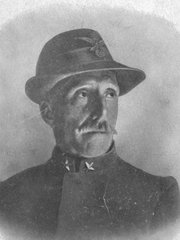
Leonida Bissolati
1857 - 1920
HPI: 53.39
Miejsce: 892
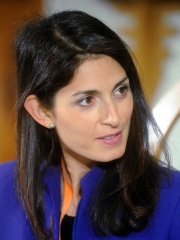
Virginia Raggi
1978 - obecnie
HPI: 53.35
Miejsce: 893
Attilio Fontana
1952 - obecnie
HPI: 53.26
Miejsce: 894
Roberto Fiore
1959 - obecnie
HPI: 53.19
Miejsce: 895
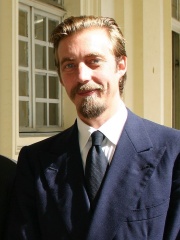
Prince Aimone, Duke of Apulia
1967 - obecnie
HPI: 53.00
Miejsce: 896
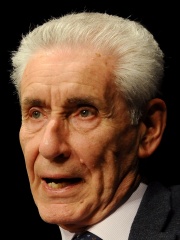
Stefano Rodotà
1933 - 2017
HPI: 52.53
Miejsce: 897
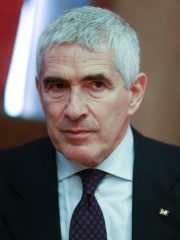
Pier Ferdinando Casini
1955 - obecnie
HPI: 52.37
Miejsce: 898
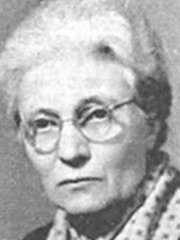
Camilla Ravera
1889 - 1988
HPI: 52.11
Miejsce: 899
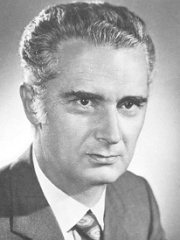
Antonio Giolitti
1915 - 2010
HPI: 52.07
Miejsce: 900
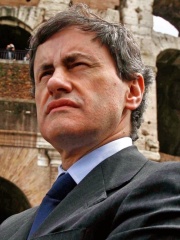
Gianni Alemanno
1958 - obecnie
HPI: 52.06
Miejsce: 901




