Polityk
Prince Aimone, Duke of Apulia
1967 - obecnie
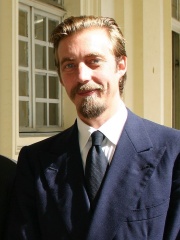
 Prince Aimone, Duke of Apulia
Jego biografia jest dostępna w 20 różnych językach w Wikipedii. Prince Aimone, Duke of Apulia jest 16628. najpopularniejszym polityk (spadek z 14226. w 2024 roku), 4103. najpopularniejszą biografią Włochy (spadek z 3558. w 2019 roku) oraz 896. najpopularniejszym polityk Włochy.
Memorability Metrics
270k
Page Views
Past 12 months
53.00
HPI
Historical Popularity Index
Page views of Prince Aimone, Duke of Apulia by language
Among Polityks
Among polityks, Prince Aimone, Duke of Apulia ranks 16,621 out of 19,576. Before him are Aksel Berg, Faimalaga Luka, Antti Kalliomäki, Giulio Tremonti, Anlamani, and Benjamin Franklin Butler. After him are Katsuya Okada, David Brenner, Arthur F. Burns, Feleti Sevele, Benjamin Harrison V, and Atlanersa.
Most Popular Polityks in Wikipedia
Go to all Rankings
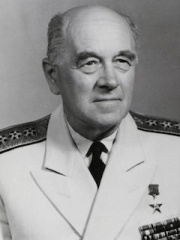
Aksel Berg
1893 - 1979
HPI: 53.02
Rank: 16,622
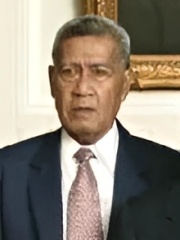
Faimalaga Luka
1940 - 2005
HPI: 53.01
Rank: 16,623

Antti Kalliomäki
1947 - Present
HPI: 53.01
Rank: 16,624
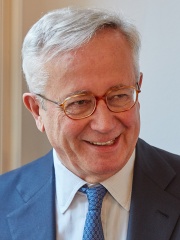
Giulio Tremonti
1947 - Present
HPI: 53.00
Rank: 16,625
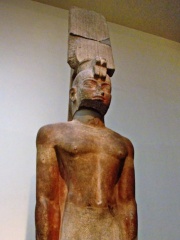
Anlamani
700 BC - 593 BC
HPI: 53.00
Rank: 16,626
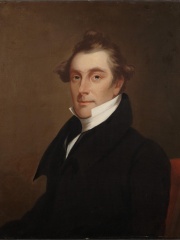
Benjamin Franklin Butler
1795 - 1858
HPI: 53.00
Rank: 16,627
Prince Aimone, Duke of Apulia
1967 - Present
HPI: 53.00
Rank: 16,628
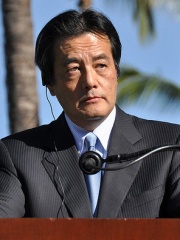
Katsuya Okada
1953 - Present
HPI: 53.00
Rank: 16,629

David Brenner
1962 - 2022
HPI: 53.00
Rank: 16,630
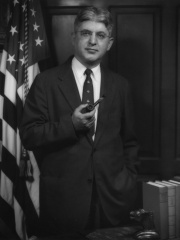
Arthur F. Burns
1904 - 1987
HPI: 53.00
Rank: 16,631
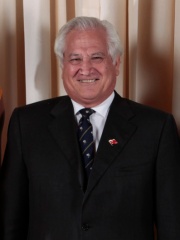
Feleti Sevele
1944 - Present
HPI: 52.99
Rank: 16,632
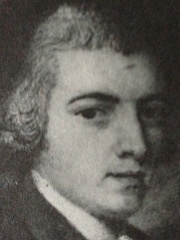
Benjamin Harrison V
1726 - 1791
HPI: 52.99
Rank: 16,633
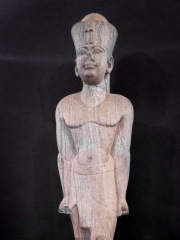
Atlanersa
650 BC - 639 BC
HPI: 52.99
Rank: 16,634

Contemporaries
Among people born in 1967, Prince Aimone, Duke of Apulia ranks 324. Before him are Criss Angel, Kim Sung-ryung, Mille Petrozza, Aurelio Voltaire, Laurent Nkunda, and Sinan Oğan. After him are Alfred Jermaniš, Chad Channing, Benoît Hamon, Akira Kawaguchi, Oleg Tinkov, and Yukito Kishiro.
Others Born in 1967
Go to all Rankings
Criss Angel
MAGICIAN
1967 - Present
HPI: 53.18
Rank: 318

Kim Sung-ryung
ACTOR
1967 - Present
HPI: 53.17
Rank: 319
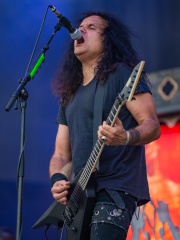
Mille Petrozza
MUSICIAN
1967 - Present
HPI: 53.16
Rank: 320

Aurelio Voltaire
MUSICIAN
1967 - Present
HPI: 53.15
Rank: 321

Laurent Nkunda
POLITICIAN
1967 - Present
HPI: 53.14
Rank: 322
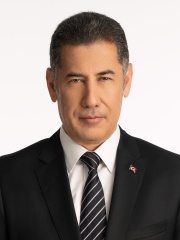
Sinan Oğan
POLITICIAN
1967 - Present
HPI: 53.13
Rank: 323
Prince Aimone, Duke of Apulia
POLITICIAN
1967 - Present
HPI: 53.00
Rank: 324

Alfred Jermaniš
SOCCER PLAYER
1967 - Present
HPI: 52.96
Rank: 325

Chad Channing
MUSICIAN
1967 - Present
HPI: 52.96
Rank: 326
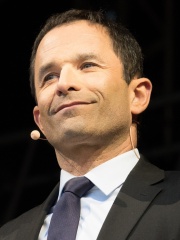
Benoît Hamon
POLITICIAN
1967 - Present
HPI: 52.95
Rank: 327

Akira Kawaguchi
SOCCER PLAYER
1967 - Present
HPI: 52.95
Rank: 328

Oleg Tinkov
BUSINESSPERSON
1967 - Present
HPI: 52.94
Rank: 329

Yukito Kishiro
COMIC ARTIST
1967 - Present
HPI: 52.85
Rank: 330
In Włochy
Among people born in Włochy, Prince Aimone, Duke of Apulia ranks 4,103 out of NaN. Before him are Fabrizio Romano (1993), Delfo Bellini (1900), Fabio Lione (1973), Marina Berlusconi (1966), Senhit (1979), and Elvira Notari (1875). After him are Domiziana Giordano (1959), In-Grid (1978), Francesco Calzona (1968), Luca Marchegiani (1966), Domenico Battaglia (1963), and Carlo Mattrel (1937).
Others born in Włochy
Go to all Rankings
Fabrizio Romano
JOURNALIST
1993 - Present
HPI: 53.08
Rank: 4,097
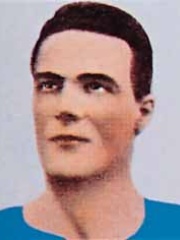
Delfo Bellini
SOCCER PLAYER
1900 - 1953
HPI: 53.08
Rank: 4,098

Fabio Lione
SINGER
1973 - Present
HPI: 53.06
Rank: 4,099
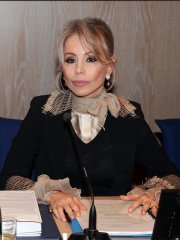
Marina Berlusconi
BUSINESSPERSON
1966 - Present
HPI: 53.06
Rank: 4,100

Senhit
SINGER
1979 - Present
HPI: 53.05
Rank: 4,101
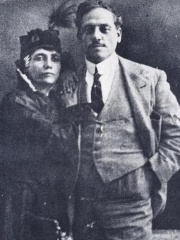
Elvira Notari
FILM DIRECTOR
1875 - 1946
HPI: 53.04
Rank: 4,102
Prince Aimone, Duke of Apulia
POLITICIAN
1967 - Present
HPI: 53.00
Rank: 4,103

Domiziana Giordano
WRITER
1959 - Present
HPI: 53.00
Rank: 4,104

In-Grid
SINGER
1978 - Present
HPI: 53.00
Rank: 4,105

Francesco Calzona
SOCCER PLAYER
1968 - Present
HPI: 52.97
Rank: 4,106
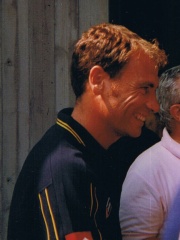
Luca Marchegiani
SOCCER PLAYER
1966 - Present
HPI: 52.97
Rank: 4,107
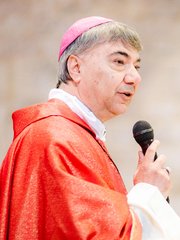
Domenico Battaglia
RELIGIOUS FIGURE
1963 - Present
HPI: 52.96
Rank: 4,108
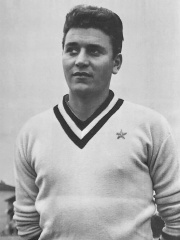
Carlo Mattrel
SOCCER PLAYER
1937 - 1976
HPI: 52.95
Rank: 4,109
Among Polityks In Włochy
Among polityks born in Włochy, Prince Aimone, Duke of Apulia ranks 896. Before him are Francesco Lollobrigida (1972), Roberto Maroni (1955), Leonida Bissolati (1857), Virginia Raggi (1978), Attilio Fontana (1952), and Roberto Fiore (1959). After him are Stefano Rodotà (1933), Pier Ferdinando Casini (1955), Camilla Ravera (1889), Antonio Giolitti (1915), Gianni Alemanno (1958), and Beniamino Andreatta (1928).
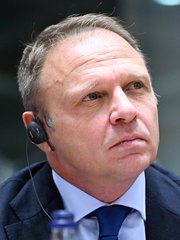
Francesco Lollobrigida
1972 - Present
HPI: 53.52
Rank: 890
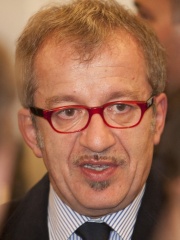
Roberto Maroni
1955 - 2022
HPI: 53.44
Rank: 891
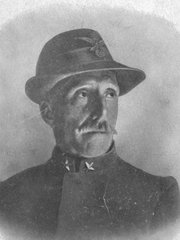
Leonida Bissolati
1857 - 1920
HPI: 53.39
Rank: 892
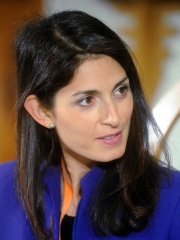
Virginia Raggi
1978 - Present
HPI: 53.35
Rank: 893
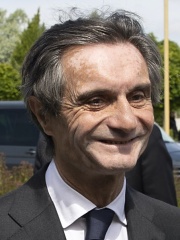
Attilio Fontana
1952 - Present
HPI: 53.26
Rank: 894
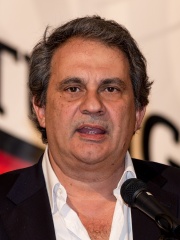
Roberto Fiore
1959 - Present
HPI: 53.19
Rank: 895
Prince Aimone, Duke of Apulia
1967 - Present
HPI: 53.00
Rank: 896
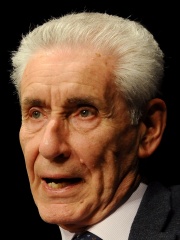
Stefano Rodotà
1933 - 2017
HPI: 52.53
Rank: 897
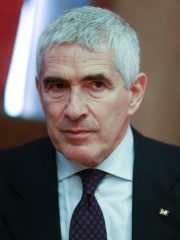
Pier Ferdinando Casini
1955 - Present
HPI: 52.37
Rank: 898
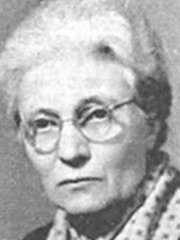
Camilla Ravera
1889 - 1988
HPI: 52.11
Rank: 899
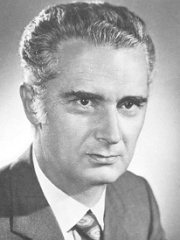
Antonio Giolitti
1915 - 2010
HPI: 52.07
Rank: 900
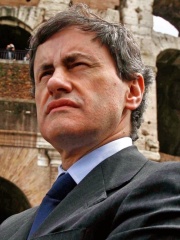
Gianni Alemanno
1958 - Present
HPI: 52.06
Rank: 901
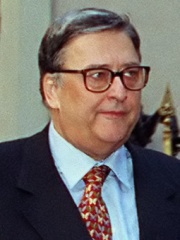
Beniamino Andreatta
1928 - 2007
HPI: 51.81
Rank: 902




