Polityk
Princess Nora of Liechtenstein
1950 - obecnie
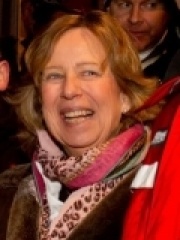
 Princess Nora of Liechtenstein
Jej biografia jest dostępna w 19 różnych językach w Wikipedii (wzrost z 17 w 2024 roku). Princess Nora of Liechtenstein jest 13074. najpopularniejszym polityk (spadek z 10946. w 2024 roku), 411. najpopularniejszą biografią Szwajcaria (spadek z 315. w 2019 roku) oraz 69. najpopularniejszym polityk Szwajcaria.
Wskaźniki rozpoznawalności
38k
Wyświetlenia strony
Ostatnie 12 miesięcy
58.23
HPI
Indeks historycznej popularności
Wyświetlenia strony Princess Nora of Liechtenstein według języka
Wśród przedstawicieli zawodu Polityk
Wśród przedstawicieli zawodu „Polityk” Princess Nora of Liechtenstein zajmuje 13,068. miejsce na 19,576. Przed nią są Ernst Trygger, Fazal Ilahi Chaudhry, Marie-Jean Hérault de Séchelles, Eero Mäntyranta, Jafar Sharif-Emami, i Simon I of Kartli. Po niej są John Wilkes, Nông Đức Mạnh, Víctor Balaguer i Cirera, Ariarathes I of Cappadocia, Walter Isaacson, i Ernst Brenner.
Najpopularniejsi w Wikipedii: Polityk
Zobacz wszystkie rankingi
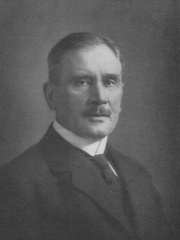
Ernst Trygger
1857 - 1943
HPI: 58.23
Miejsce: 13,068
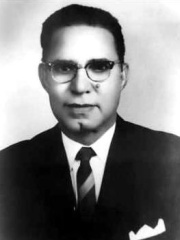
Fazal Ilahi Chaudhry
1904 - 1982
HPI: 58.23
Miejsce: 13,069
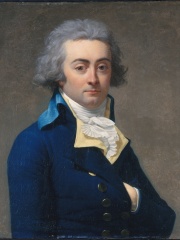
Marie-Jean Hérault de Séchelles
1759 - 1794
HPI: 58.23
Miejsce: 13,070
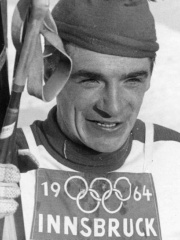
Eero Mäntyranta
1937 - 2013
HPI: 58.23
Miejsce: 13,071
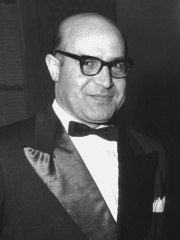
Jafar Sharif-Emami
1910 - 1998
HPI: 58.23
Miejsce: 13,072
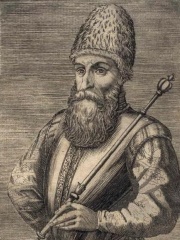
Simon I of Kartli
1537 - 1611
HPI: 58.23
Miejsce: 13,073
Princess Nora of Liechtenstein
1950 - obecnie
HPI: 58.23
Miejsce: 13,074
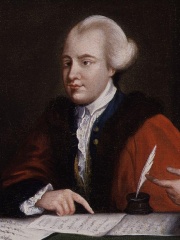
John Wilkes
1725 - 1797
HPI: 58.23
Miejsce: 13,075
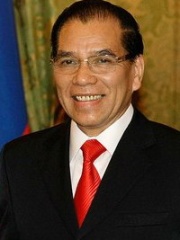
Nông Đức Mạnh
1939 - 2001
HPI: 58.23
Miejsce: 13,076
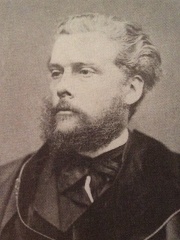
Víctor Balaguer i Cirera
1824 - 1901
HPI: 58.23
Miejsce: 13,077
Ariarathes I of Cappadocia
HPI: 58.23
Miejsce: 13,078
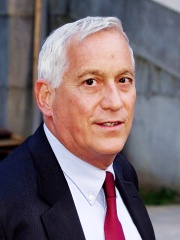
Walter Isaacson
1952 - obecnie
HPI: 58.23
Miejsce: 13,079
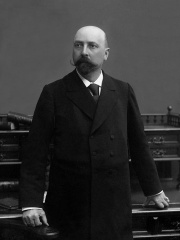
Ernst Brenner
1856 - 1911
HPI: 58.22
Miejsce: 13,080

Współcześni
Wśród osób urodzonych w 1950 roku Princess Nora of Liechtenstein zajmuje 287. miejsce. Przed nią są Graham Hancock, Slava Polunin, Johan Leysen, Rajinikanth, Kenny Ortega, i Álvaro Noboa. Po niej są Nelinho, Joe Bugner, Gérard Lanvin, Jon Polito, John Terry, i Dino Meneghin.
Inne osoby urodzone w 1950 roku
Zobacz wszystkie rankingi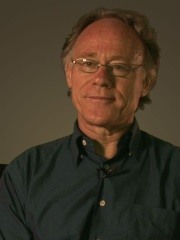
Graham Hancock
WRITER
1950 - obecnie
HPI: 58.34
Miejsce: 281
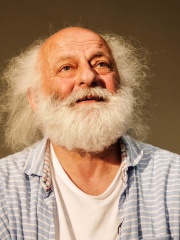
Slava Polunin
ACTOR
1950 - obecnie
HPI: 58.32
Miejsce: 282
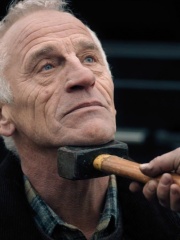
Johan Leysen
ACTOR
1950 - 2023
HPI: 58.32
Miejsce: 283
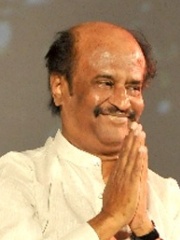
Rajinikanth
ACTOR
1950 - obecnie
HPI: 58.28
Miejsce: 284
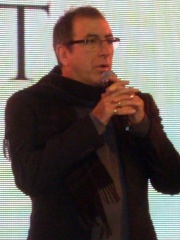
Kenny Ortega
ACTOR
1950 - obecnie
HPI: 58.28
Miejsce: 285
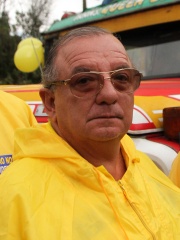
Álvaro Noboa
POLITICIAN
1950 - obecnie
HPI: 58.24
Miejsce: 286
Princess Nora of Liechtenstein
POLITICIAN
1950 - obecnie
HPI: 58.23
Miejsce: 287
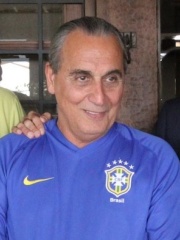
Nelinho
SOCCER PLAYER
1950 - obecnie
HPI: 58.20
Miejsce: 288
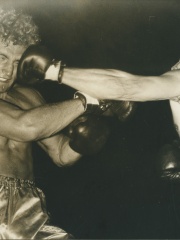
Joe Bugner
BOXER
1950 - 2025
HPI: 58.19
Miejsce: 289
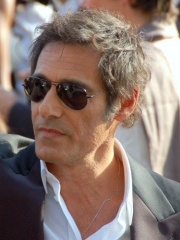
Gérard Lanvin
ACTOR
1950 - obecnie
HPI: 58.17
Miejsce: 290
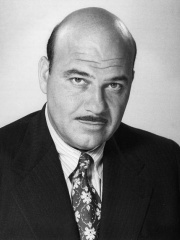
Jon Polito
ACTOR
1950 - 2016
HPI: 58.17
Miejsce: 291
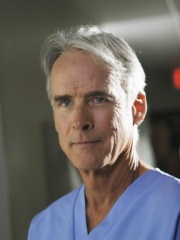
John Terry
ACTOR
1950 - obecnie
HPI: 58.15
Miejsce: 292
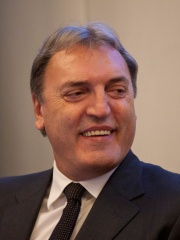
Dino Meneghin
BASKETBALL PLAYER
1950 - obecnie
HPI: 58.12
Miejsce: 293
W kraju Szwajcaria
Wśród osób urodzonych w kraju Szwajcaria Princess Nora of Liechtenstein zajmuje 411. miejsce na NaN. Przed nią są Jakob Hermann (1678), Pierre Viret (1511), Otto Binswanger (1852), Josef Munzinger (1791), Mick Schumacher (1999), i Jakob II Bernoulli (1759). Po niej są Ernst Brenner (1856), Luuk de Jong (1990), Max Abegglen (1902), Roger Courtois (1912), Bernhard Russi (1948), i François Le Fort (1656).
Inne osoby urodzone w kraju Szwajcaria
Zobacz wszystkie rankingi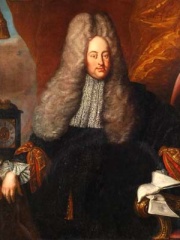
Jakob Hermann
MATHEMATICIAN
1678 - 1733
HPI: 58.35
Miejsce: 405
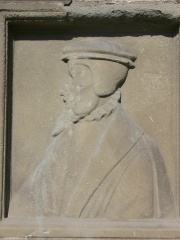
Pierre Viret
RELIGIOUS FIGURE
1511 - 1571
HPI: 58.33
Miejsce: 406
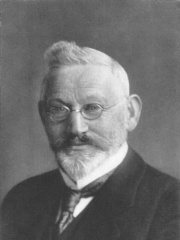
Otto Binswanger
PSYCHOLOGIST
1852 - 1929
HPI: 58.30
Miejsce: 407

Josef Munzinger
POLITICIAN
1791 - 1855
HPI: 58.28
Miejsce: 408
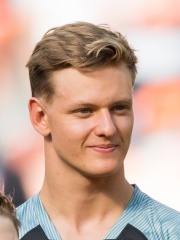
Mick Schumacher
RACING DRIVER
1999 - obecnie
HPI: 58.28
Miejsce: 409
Jakob II Bernoulli
PHYSICIST
1759 - 1789
HPI: 58.27
Miejsce: 410
Princess Nora of Liechtenstein
POLITICIAN
1950 - obecnie
HPI: 58.23
Miejsce: 411
Ernst Brenner
POLITICIAN
1856 - 1911
HPI: 58.22
Miejsce: 412

Luuk de Jong
SOCCER PLAYER
1990 - obecnie
HPI: 58.22
Miejsce: 413
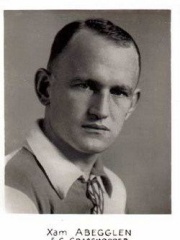
Max Abegglen
SOCCER PLAYER
1902 - 1970
HPI: 58.17
Miejsce: 414
Roger Courtois
SOCCER PLAYER
1912 - 1972
HPI: 58.16
Miejsce: 415
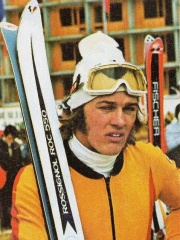
Bernhard Russi
SKIER
1948 - obecnie
HPI: 58.13
Miejsce: 416
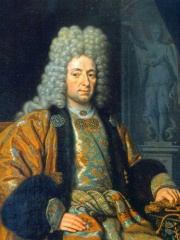
François Le Fort
MILITARY PERSONNEL
1656 - 1699
HPI: 58.12
Miejsce: 417
Wśród przedstawicieli zawodu Polityk w kraju Szwajcaria
Wśród przedstawicieli zawodu „Polityk” urodzonych w kraju Szwajcaria Princess Nora of Liechtenstein zajmuje 69. miejsce. Przed nią są Marcel Pilet-Golaz (1889), Albert Meyer (1870), Elisabeth Kopp (1936), Marc-Émile Ruchet (1853), Corina Casanova (1956), i Josef Munzinger (1791). Po niej są Ernst Brenner (1856), Max Petitpierre (1899), René Felber (1933), Aegidius Tschudi (1505), Walter Breisky (1871), i Alphons Egli (1924).

Marcel Pilet-Golaz
1889 - 1958
HPI: 58.69
Miejsce: 63
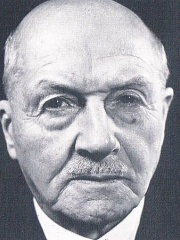
Albert Meyer
1870 - 1953
HPI: 58.55
Miejsce: 64

Elisabeth Kopp
1936 - 2023
HPI: 58.49
Miejsce: 65
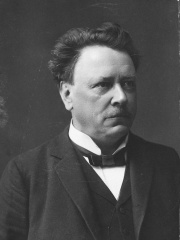
Marc-Émile Ruchet
1853 - 1912
HPI: 58.48
Miejsce: 66
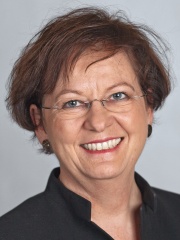
Corina Casanova
1956 - obecnie
HPI: 58.46
Miejsce: 67
Josef Munzinger
1791 - 1855
HPI: 58.28
Miejsce: 68
Princess Nora of Liechtenstein
1950 - obecnie
HPI: 58.23
Miejsce: 69
Ernst Brenner
1856 - 1911
HPI: 58.22
Miejsce: 70
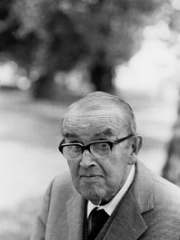
Max Petitpierre
1899 - 1994
HPI: 58.11
Miejsce: 71
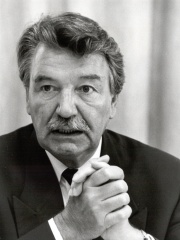
René Felber
1933 - 2020
HPI: 58.07
Miejsce: 72
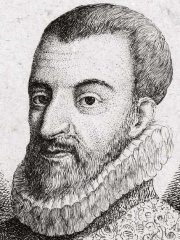
Aegidius Tschudi
1505 - 1572
HPI: 57.94
Miejsce: 73
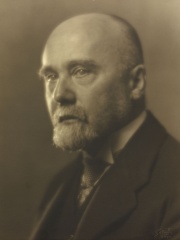
Walter Breisky
1871 - 1944
HPI: 57.91
Miejsce: 74

Alphons Egli
1924 - 2016
HPI: 57.85
Miejsce: 75




