Polityk
Prince Aimone, Duke of Apulia
1967 - obecnie
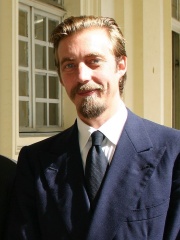
 Prince Aimone, Duke of Apulia
Jego biografia jest dostępna w 20 różnych językach w Wikipedii. Prince Aimone, Duke of Apulia jest 16642. najpopularniejszym polityk (spadek z 14226. w 2024 roku), 4123. najpopularniejszą biografią Włochy (spadek z 3558. w 2019 roku) oraz 896. najpopularniejszym polityk Włochy.
Wskaźniki rozpoznawalności
270k
Wyświetlenia strony
Ostatnie 12 miesięcy
53.00
HPI
Indeks historycznej popularności
Ciekawostki z danych
13 paź
Prince Aimone, Duke of Apulia obchodzi urodziny tego samego dnia (13 października) co Margaret Thatcher, Yves Montand i Rudolf Virchow.
Wyświetlenia strony Prince Aimone, Duke of Apulia według języka
Wśród przedstawicieli zawodu Polityk
Wśród przedstawicieli zawodu „Polityk” Prince Aimone, Duke of Apulia zajmuje 16,635. miejsce na 19,576. Przed nim są Aksel Berg, Faimalaga Luka, Antti Kalliomäki, Giulio Tremonti, Anlamani, i Benjamin Franklin Butler. Po nim są Katsuya Okada, David Brenner, Arthur F. Burns, Feleti Sevele, Benjamin Harrison V, i Atlanersa.
Najpopularniejsi w Wikipedii: Polityk
Zobacz wszystkie rankingi
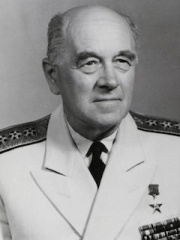
Aksel Berg
1893 - 1979
HPI: 53.02
Miejsce: 16,636
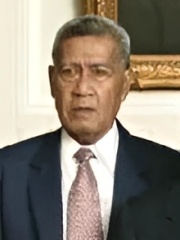
Faimalaga Luka
1940 - 2005
HPI: 53.01
Miejsce: 16,637

Antti Kalliomäki
1947 - obecnie
HPI: 53.01
Miejsce: 16,638
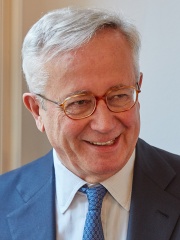
Giulio Tremonti
1947 - obecnie
HPI: 53.00
Miejsce: 16,639
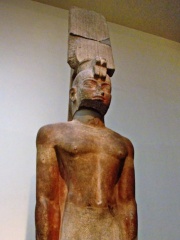
Anlamani
700 BC - 593 BC
HPI: 53.00
Miejsce: 16,640
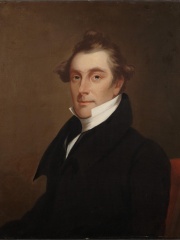
Benjamin Franklin Butler
1795 - 1858
HPI: 53.00
Miejsce: 16,641
Prince Aimone, Duke of Apulia
1967 - obecnie
HPI: 53.00
Miejsce: 16,642
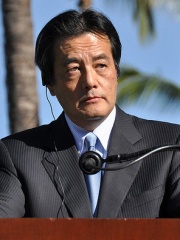
Katsuya Okada
1953 - obecnie
HPI: 53.00
Miejsce: 16,643

David Brenner
1962 - 2022
HPI: 53.00
Miejsce: 16,644
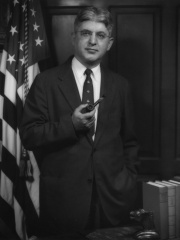
Arthur F. Burns
1904 - 1987
HPI: 53.00
Miejsce: 16,645
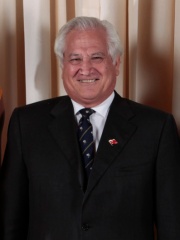
Feleti Sevele
1944 - obecnie
HPI: 52.99
Miejsce: 16,646
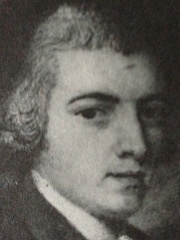
Benjamin Harrison V
1726 - 1791
HPI: 52.99
Miejsce: 16,647
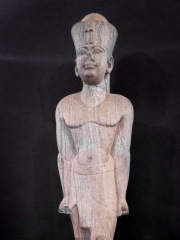
Atlanersa
650 BC - 639 BC
HPI: 52.99
Miejsce: 16,648

Współcześni
Wśród osób urodzonych w 1967 roku Prince Aimone, Duke of Apulia zajmuje 324. miejsce. Przed nim są Criss Angel, Kim Sung-ryung, Mille Petrozza, Aurelio Voltaire, Laurent Nkunda, i Sinan Oğan. Po nim są Alfred Jermaniš, Chad Channing, Benoît Hamon, Akira Kawaguchi, Oleg Tinkov, i Yukito Kishiro.
Inne osoby urodzone w 1967 roku
Zobacz wszystkie rankingi
Criss Angel
MAGICIAN
1967 - obecnie
HPI: 53.18
Miejsce: 318

Kim Sung-ryung
ACTOR
1967 - obecnie
HPI: 53.17
Miejsce: 319
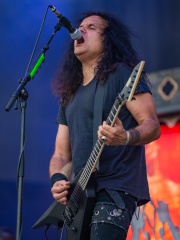
Mille Petrozza
MUSICIAN
1967 - obecnie
HPI: 53.16
Miejsce: 320

Aurelio Voltaire
MUSICIAN
1967 - obecnie
HPI: 53.15
Miejsce: 321

Laurent Nkunda
POLITICIAN
1967 - obecnie
HPI: 53.14
Miejsce: 322
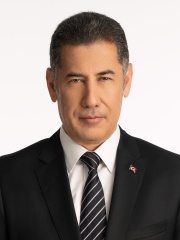
Sinan Oğan
POLITICIAN
1967 - obecnie
HPI: 53.13
Miejsce: 323
Prince Aimone, Duke of Apulia
POLITICIAN
1967 - obecnie
HPI: 53.00
Miejsce: 324

Alfred Jermaniš
SOCCER PLAYER
1967 - obecnie
HPI: 52.96
Miejsce: 325

Chad Channing
MUSICIAN
1967 - obecnie
HPI: 52.96
Miejsce: 326
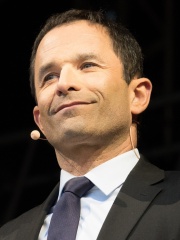
Benoît Hamon
POLITICIAN
1967 - obecnie
HPI: 52.95
Miejsce: 327

Akira Kawaguchi
SOCCER PLAYER
1967 - obecnie
HPI: 52.95
Miejsce: 328

Oleg Tinkov
BUSINESSPERSON
1967 - obecnie
HPI: 52.94
Miejsce: 329

Yukito Kishiro
COMIC ARTIST
1967 - obecnie
HPI: 52.85
Miejsce: 330
W kraju Włochy
Wśród osób urodzonych w kraju Włochy Prince Aimone, Duke of Apulia zajmuje 4,123. miejsce na 5,161. Przed nim są Fabrizio Romano (1993), Delfo Bellini (1900), Fabio Lione (1973), Marina Berlusconi (1966), Senhit (1979), i Elvira Notari (1875). Po nim są Domiziana Giordano (1959), In-Grid (1978), Francesco Calzona (1968), Luca Marchegiani (1966), Domenico Battaglia (1963), i Carlo Mattrel (1937).
Inne osoby urodzone w kraju Włochy
Zobacz wszystkie rankingi
Fabrizio Romano
JOURNALIST
1993 - obecnie
HPI: 53.08
Miejsce: 4,117
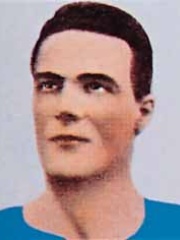
Delfo Bellini
SOCCER PLAYER
1900 - 1953
HPI: 53.08
Miejsce: 4,118

Fabio Lione
SINGER
1973 - obecnie
HPI: 53.06
Miejsce: 4,119
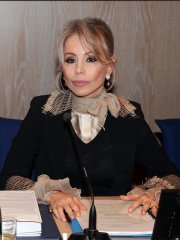
Marina Berlusconi
BUSINESSPERSON
1966 - obecnie
HPI: 53.06
Miejsce: 4,120

Senhit
SINGER
1979 - obecnie
HPI: 53.05
Miejsce: 4,121
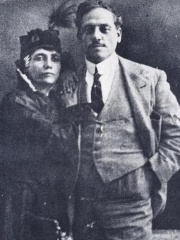
Elvira Notari
FILM DIRECTOR
1875 - 1946
HPI: 53.04
Miejsce: 4,122
Prince Aimone, Duke of Apulia
POLITICIAN
1967 - obecnie
HPI: 53.00
Miejsce: 4,123

Domiziana Giordano
WRITER
1959 - obecnie
HPI: 53.00
Miejsce: 4,124

In-Grid
SINGER
1978 - obecnie
HPI: 53.00
Miejsce: 4,125

Francesco Calzona
SOCCER PLAYER
1968 - obecnie
HPI: 52.97
Miejsce: 4,126
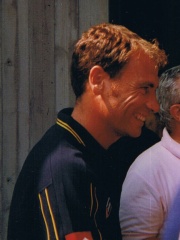
Luca Marchegiani
SOCCER PLAYER
1966 - obecnie
HPI: 52.97
Miejsce: 4,127
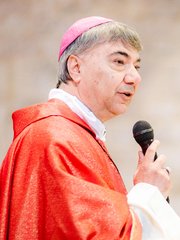
Domenico Battaglia
RELIGIOUS FIGURE
1963 - obecnie
HPI: 52.96
Miejsce: 4,128
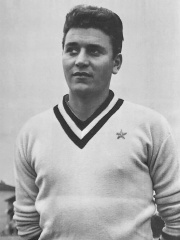
Carlo Mattrel
SOCCER PLAYER
1937 - 1976
HPI: 52.95
Miejsce: 4,129
Wśród przedstawicieli zawodu Polityk w kraju Włochy
Wśród przedstawicieli zawodu „Polityk” urodzonych w kraju Włochy Prince Aimone, Duke of Apulia zajmuje 896. miejsce. Przed nim są Francesco Lollobrigida (1972), Roberto Maroni (1955), Leonida Bissolati (1857), Virginia Raggi (1978), Attilio Fontana (1952), i Roberto Fiore (1959). Po nim są Stefano Rodotà (1933), Pier Ferdinando Casini (1955), Camilla Ravera (1889), Antonio Giolitti (1915), Gianni Alemanno (1958), i Eugenia Roccella (1953).
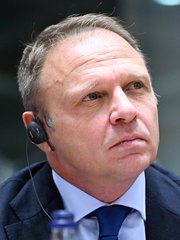
Francesco Lollobrigida
1972 - obecnie
HPI: 53.52
Miejsce: 890
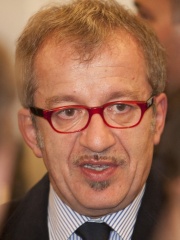
Roberto Maroni
1955 - 2022
HPI: 53.44
Miejsce: 891
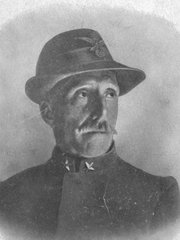
Leonida Bissolati
1857 - 1920
HPI: 53.39
Miejsce: 892
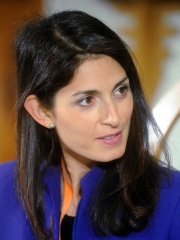
Virginia Raggi
1978 - obecnie
HPI: 53.35
Miejsce: 893
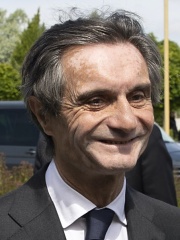
Attilio Fontana
1952 - obecnie
HPI: 53.26
Miejsce: 894
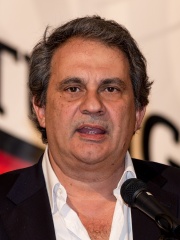
Roberto Fiore
1959 - obecnie
HPI: 53.19
Miejsce: 895
Prince Aimone, Duke of Apulia
1967 - obecnie
HPI: 53.00
Miejsce: 896
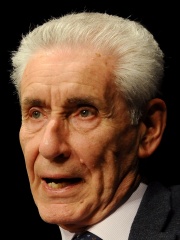
Stefano Rodotà
1933 - 2017
HPI: 52.53
Miejsce: 897
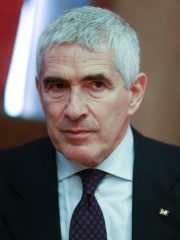
Pier Ferdinando Casini
1955 - obecnie
HPI: 52.37
Miejsce: 898
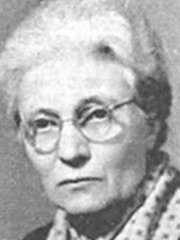
Camilla Ravera
1889 - 1988
HPI: 52.11
Miejsce: 899
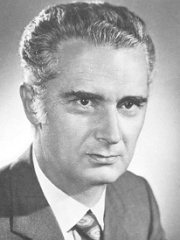
Antonio Giolitti
1915 - 2010
HPI: 52.07
Miejsce: 900
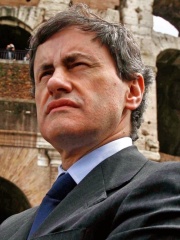
Gianni Alemanno
1958 - obecnie
HPI: 52.06
Miejsce: 901
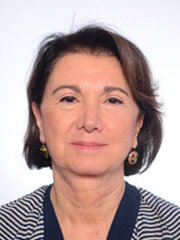
Eugenia Roccella
1953 - obecnie
HPI: 52.01
Miejsce: 902




