Postać religijna
Grzegorz V (papież)
972 - 999
WYŚWIETLENIA PL.WIKIPEDIA (PV)
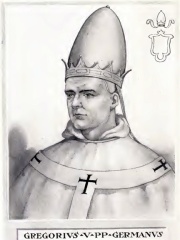
 Grzegorz V (papież)
Jego biografia jest dostępna w 74 różnych językach w Wikipedii (wzrost z 72 w 2024 roku). Grzegorz V (papież) jest 274. najpopularniejszym postać religijna (wzrost z 304. w 2024 roku), 53. najpopularniejszą biografią Austria (wzrost z 65. w 2019 roku) oraz najpopularniejszym postać religijna Austria.
Wskaźniki rozpoznawalności
60k
Wyświetlenia strony
Ostatnie 12 miesięcy
78.20
HPI
Indeks historycznej popularności
Ciekawostki z danych
#1
Wśród 23 Postać religijna urodzonych w kraju Austria Grzegorz V (papież) zajmuje pierwsze miejsce.
27
Mimo życia trwającego zaledwie 27 lat Grzegorz V (papież) zajmuje 274. miejsce wśród wszystkich Postać religijna w historii.
#2,064
Ponad 10 wieków po śmierci Grzegorz V (papież) wciąż zajmuje 2,064. miejsce wśród wszystkich postaci w Pantheonie.
74
Biografia postaci Grzegorz V (papież) występuje w 74 wersjach językowych Wikipedii — w większej liczbie niż u 94% wszystkich Postać religijna.
Wyświetlenia strony Grzegorz V (papież) według języka
Wśród przedstawicieli zawodu Postać religijna
Wśród przedstawicieli zawodu „Postać religijna” Grzegorz V (papież) zajmuje 274. miejsce na 3,187. Przed nim są Mani, Vitus, Anna the Prophetess, Saint Christopher, Pope Eugene I, i Pope Cornelius. Po nim są Pope Sergius IV, Tomás de Torquemada, Pope Honorius I, Grand Duchess Maria Nikolaevna of Russia, Pachomius the Great, i Pope Sixtus III.
Najpopularniejsi w Wikipedii: Postać religijna
Zobacz wszystkie rankingi
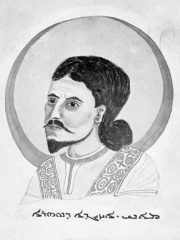
Mani
216 - 274
HPI: 78.43
Miejsce: 268
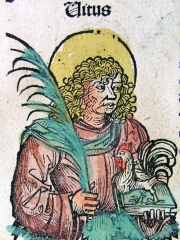
Vitus
290 - 303
HPI: 78.41
Miejsce: 269
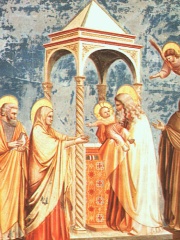
Anna the Prophetess
90 BC - 100
HPI: 78.40
Miejsce: 270
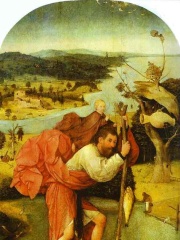
Saint Christopher
220 - 300
HPI: 78.38
Miejsce: 271
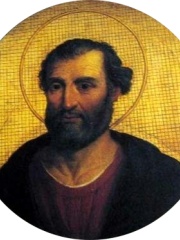
Pope Eugene I
600 - 657
HPI: 78.33
Miejsce: 272
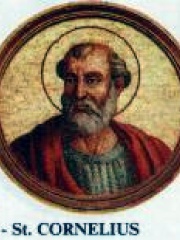
Pope Cornelius
200 - 253
HPI: 78.25
Miejsce: 273
Pope Gregory V
972 - 999
HPI: 78.20
Miejsce: 274
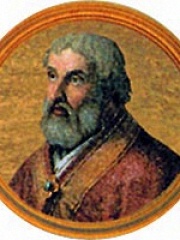
Pope Sergius IV
970 - 1012
HPI: 78.06
Miejsce: 275
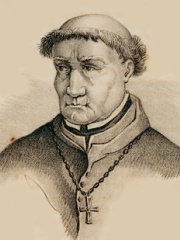
Tomás de Torquemada
1420 - 1498
HPI: 78.04
Miejsce: 276
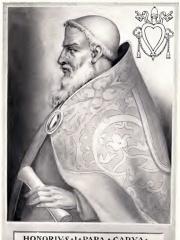
Pope Honorius I
585 - 638
HPI: 77.98
Miejsce: 277
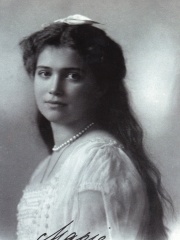
Grand Duchess Maria Nikolaevna of Russia
1899 - 1918
HPI: 77.97
Miejsce: 278
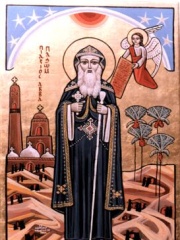
Pachomius the Great
292 - 348
HPI: 77.97
Miejsce: 279
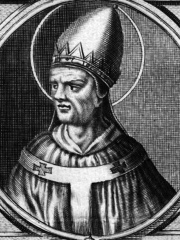
Pope Sixtus III
390 - 440
HPI: 77.96
Miejsce: 280

Współcześni
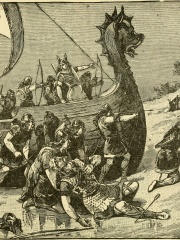
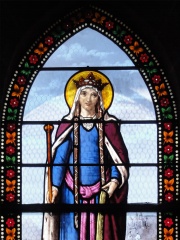
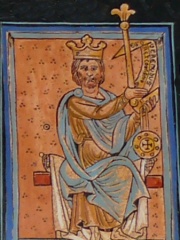
Wśród osób urodzonych w 972 roku Grzegorz V (papież) zajmuje 1. miejsce. Po nim są Robert II of France, Emperor Shengzong of Liao, Ermesinde of Carcassonne, Ramon Borrell, Count of Barcelona, i Thorvald Eiriksson. Wśród osób zmarłych w 999 roku Grzegorz V (papież) zajmuje 1. miejsce. Po nim są Adelaide of Italy, Boleslaus II, Duke of Bohemia, Bermudo II of León, i Gisela of France.
Inne osoby urodzone w 972 roku
Zobacz wszystkie rankingiPope Gregory V
RELIGIOUS FIGURE
972 - 999
HPI: 78.20
Miejsce: 1
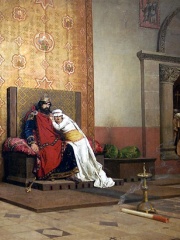
Robert II of France
POLITICIAN
972 - 1031
HPI: 76.37
Miejsce: 2

Emperor Shengzong of Liao
POLITICIAN
972 - 1031
HPI: 66.20
Miejsce: 3
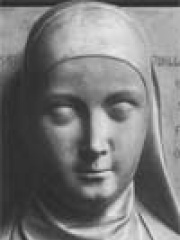
Ermesinde of Carcassonne
POLITICIAN
972 - 1058
HPI: 63.45
Miejsce: 4
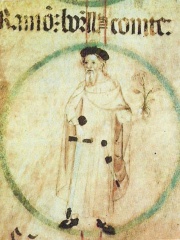
Ramon Borrell, Count of Barcelona
NOBLEMAN
972 - 1017
HPI: 61.86
Miejsce: 5
Thorvald Eiriksson
EXPLORER
972 - 1006
HPI: 61.12
Miejsce: 6
Inne osoby zmarłe w 999 roku
Zobacz wszystkie rankingiPope Gregory V
RELIGIOUS FIGURE
972 - 999
HPI: 78.20
Miejsce: 1
Adelaide of Italy
COMPANION
931 - 999
HPI: 72.89
Miejsce: 2
Boleslaus II, Duke of Bohemia
POLITICIAN
932 - 999
HPI: 67.77
Miejsce: 3
Bermudo II of León
POLITICIAN
953 - 999
HPI: 66.22
Miejsce: 4
Gisela of France
NOBLEMAN
911 - 999
HPI: 62.13
Miejsce: 5
W kraju Austria
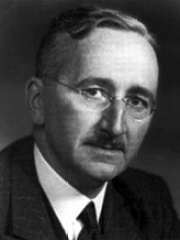
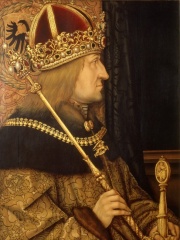
Wśród osób urodzonych w kraju Austria Grzegorz V (papież) zajmuje 53. miejsce na 1,424. Przed nim są Otto of Greece (1815), Friedrich Hayek (1899), Frederick III, Holy Roman Emperor (1415), Anton Webern (1883), Archduke Karl Ludwig of Austria (1833), i Otto von Habsburg (1912). Po nim są Wolfgang Pauli (1900), Alois Hitler (1837), Ferdinand III, Holy Roman Emperor (1608), Maria Carolina of Austria (1752), Archduchess Sophie of Austria (1855), i Joseph I, Holy Roman Emperor (1678).
Inne osoby urodzone w kraju Austria
Zobacz wszystkie rankingi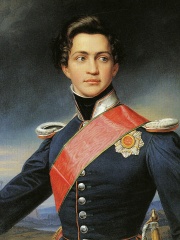
Otto of Greece
POLITICIAN
1815 - 1867
HPI: 78.90
Miejsce: 47
Friedrich Hayek
ECONOMIST
1899 - 1992
HPI: 78.84
Miejsce: 48
Frederick III, Holy Roman Emperor
POLITICIAN
1415 - 1493
HPI: 78.71
Miejsce: 49
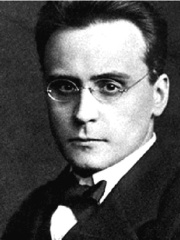
Anton Webern
COMPOSER
1883 - 1945
HPI: 78.67
Miejsce: 50
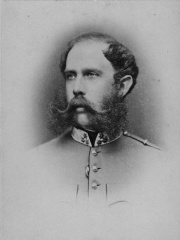
Archduke Karl Ludwig of Austria
POLITICIAN
1833 - 1896
HPI: 78.63
Miejsce: 51
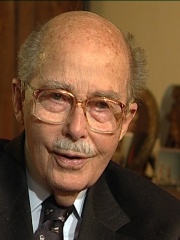
Otto von Habsburg
NOBLEMAN
1912 - 2011
HPI: 78.47
Miejsce: 52
Pope Gregory V
RELIGIOUS FIGURE
972 - 999
HPI: 78.20
Miejsce: 53
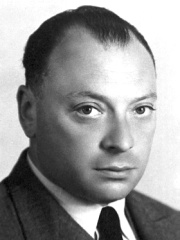
Wolfgang Pauli
PHYSICIST
1900 - 1958
HPI: 78.12
Miejsce: 54
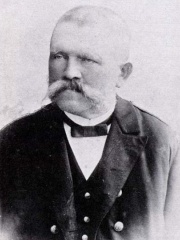
Alois Hitler
PUBLIC WORKER
1837 - 1903
HPI: 78.07
Miejsce: 55
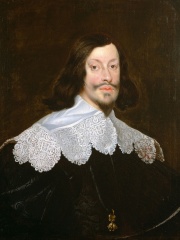
Ferdinand III, Holy Roman Emperor
POLITICIAN
1608 - 1657
HPI: 78.06
Miejsce: 56
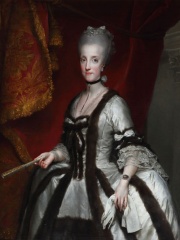
Maria Carolina of Austria
POLITICIAN
1752 - 1814
HPI: 77.97
Miejsce: 57
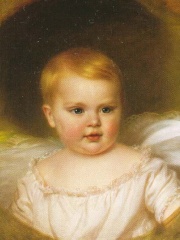
Archduchess Sophie of Austria
POLITICIAN
1855 - 1857
HPI: 77.74
Miejsce: 58
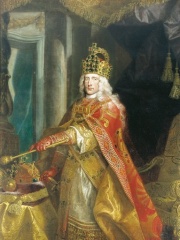
Joseph I, Holy Roman Emperor
POLITICIAN
1678 - 1711
HPI: 77.59
Miejsce: 59
Wśród przedstawicieli zawodu Postać religijna w kraju Austria
Wśród przedstawicieli zawodu „Postać religijna” urodzonych w kraju Austria Grzegorz V (papież) zajmuje 1. miejsce. Po nim są Saint Florian (250), Leopold III, Margrave of Austria (1073), Franz König (1905), Alois Hudal (1885), Franz Jägerstätter (1907), Hieronymus von Colloredo (1732), Charles of Austria, Bishop of Wroclaw (1590), Hermann Gmeiner (1919), Maria Schicklgruber (1795), Archduke Charles Joseph of Austria (1649), i Hans Hermann Groër (1919).
Pope Gregory V
972 - 999
HPI: 78.20
Miejsce: 1
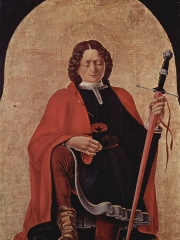
Saint Florian
250 - 304
HPI: 74.28
Miejsce: 2
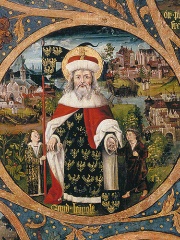
Leopold III, Margrave of Austria
1073 - 1136
HPI: 68.37
Miejsce: 3
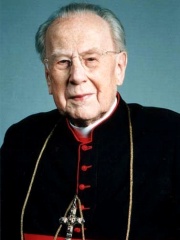
Franz König
1905 - 2004
HPI: 66.38
Miejsce: 4
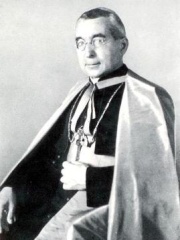
Alois Hudal
1885 - 1963
HPI: 64.84
Miejsce: 5
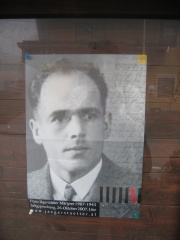
Franz Jägerstätter
1907 - 1943
HPI: 64.79
Miejsce: 6
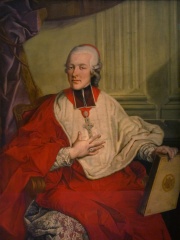
Hieronymus von Colloredo
1732 - 1812
HPI: 64.33
Miejsce: 7
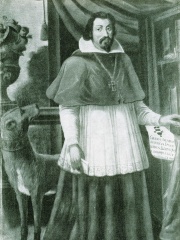
Charles of Austria, Bishop of Wroclaw
1590 - 1624
HPI: 63.81
Miejsce: 8
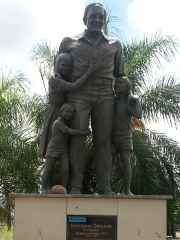
Hermann Gmeiner
1919 - 1986
HPI: 62.29
Miejsce: 9

Maria Schicklgruber
1795 - 1847
HPI: 62.28
Miejsce: 10
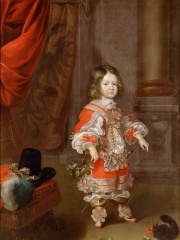
Archduke Charles Joseph of Austria
1649 - 1664
HPI: 62.25
Miejsce: 11
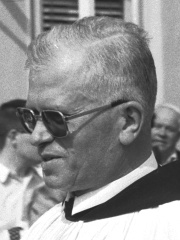
Hans Hermann Groër
1919 - 2003
HPI: 61.01
Miejsce: 12




