Chemik
Michael Grätzel
1944 - obecnie
WYŚWIETLENIA PL.WIKIPEDIA (PV)
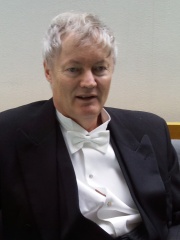
 Michael Grätzel
Jego biografia jest dostępna w 21 różnych językach w Wikipedii (wzrost z 20 w 2024 roku). Michael Grätzel jest 441. najpopularniejszym chemik (spadek z 422. w 2024 roku), 3716. najpopularniejszą biografią Niemcy (spadek z 3569. w 2019 roku) oraz 77. najpopularniejszym chemik Niemcy. Dowiedz się więcej o akademickim wpływie Michael Grätzel na Rankless.
Wskaźniki rozpoznawalności
18k
Wyświetlenia strony
Ostatnie 12 miesięcy
58.93
HPI
Indeks historycznej popularności
Wyświetlenia strony Michael Grätzel według języka
Wśród przedstawicieli zawodu Chemik
Wśród przedstawicieli zawodu „Chemik” Michael Grätzel zajmuje 441. miejsce na 602. Przed nim są William Gregor, Hippolyte Mège-Mouriès, Felix Hoppe-Seyler, Juan José Elhuyar, Henri Braconnot, i Eugène-Anatole Demarçay. Po nim są Johan Kjeldahl, Carl Remigius Fresenius, Anders Jahan Retzius, Alexander William Williamson, James Crafts, i Constantin Fahlberg.
Najpopularniejsi w Wikipedii: Chemik
Zobacz wszystkie rankingi
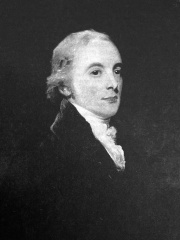
William Gregor
1761 - 1817
HPI: 59.06
Miejsce: 435
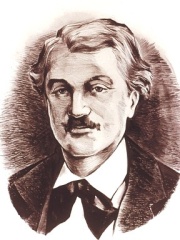
Hippolyte Mège-Mouriès
1817 - 1880
HPI: 59.05
Miejsce: 436
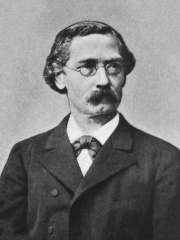
Felix Hoppe-Seyler
1825 - 1895
HPI: 59.03
Miejsce: 437

Juan José Elhuyar
1754 - 1796
HPI: 59.02
Miejsce: 438
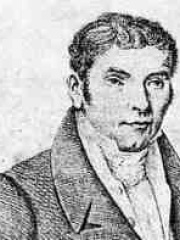
Henri Braconnot
1780 - 1855
HPI: 59.01
Miejsce: 439
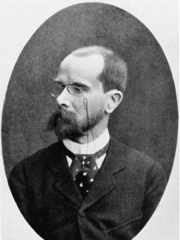
Eugène-Anatole Demarçay
1852 - 1903
HPI: 58.94
Miejsce: 440
Michael Grätzel
1944 - obecnie
HPI: 58.93
Miejsce: 441
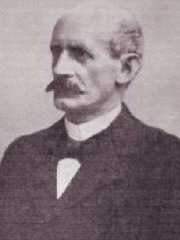
Johan Kjeldahl
1849 - 1900
HPI: 58.93
Miejsce: 442
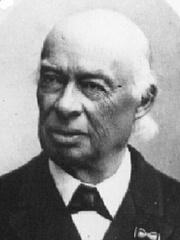
Carl Remigius Fresenius
1818 - 1897
HPI: 58.92
Miejsce: 443
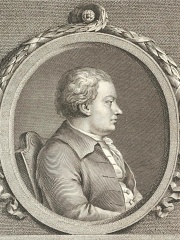
Anders Jahan Retzius
1742 - 1821
HPI: 58.89
Miejsce: 444
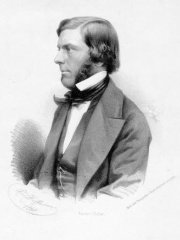
Alexander William Williamson
1824 - 1904
HPI: 58.83
Miejsce: 445
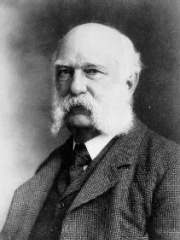
James Crafts
1839 - 1917
HPI: 58.81
Miejsce: 446
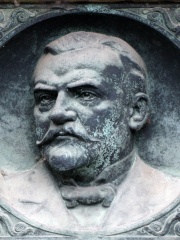
Constantin Fahlberg
1850 - 1910
HPI: 58.81
Miejsce: 447

Współcześni
Wśród osób urodzonych w 1944 roku Michael Grätzel zajmuje 374. miejsce. Przed nim są John Flanagan, Džemaludin Mušović, Glen Cook, Robert Mueller, Joseph Benz, i Giacomo dalla Torre del Tempio di Sanguinetto. Po nim są Rick Barry, Bruno Platter, Momčilo Perišić, Denny Laine, Catherine Schell, i Jon E. Ahlquist.
Inne osoby urodzone w 1944 roku
Zobacz wszystkie rankingi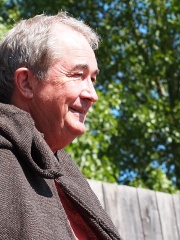
John Flanagan
WRITER
1944 - 2026
HPI: 59.11
Miejsce: 368

Džemaludin Mušović
COACH
1944 - obecnie
HPI: 59.09
Miejsce: 369
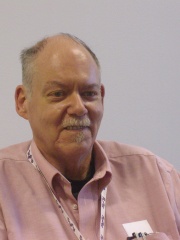
Glen Cook
WRITER
1944 - obecnie
HPI: 59.07
Miejsce: 370
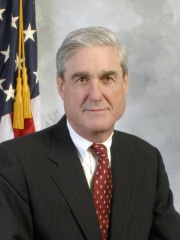
Robert Mueller
POLITICIAN
1944 - 2026
HPI: 59.06
Miejsce: 371

Joseph Benz
ATHLETE
1944 - 2021
HPI: 59.01
Miejsce: 372
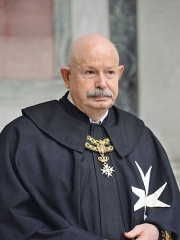
Giacomo dalla Torre del Tempio di Sanguinetto
POLITICIAN
1944 - 2020
HPI: 59.01
Miejsce: 373
Michael Grätzel
CHEMIST
1944 - obecnie
HPI: 58.93
Miejsce: 374

Rick Barry
BASKETBALL PLAYER
1944 - obecnie
HPI: 58.92
Miejsce: 375

Bruno Platter
RELIGIOUS FIGURE
1944 - obecnie
HPI: 58.92
Miejsce: 376
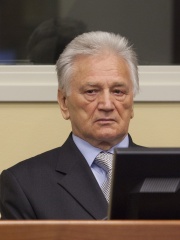
Momčilo Perišić
MILITARY PERSONNEL
1944 - obecnie
HPI: 58.90
Miejsce: 377

Denny Laine
MUSICIAN
1944 - 2023
HPI: 58.90
Miejsce: 378

Catherine Schell
ACTOR
1944 - obecnie
HPI: 58.88
Miejsce: 379

Jon E. Ahlquist
BIOLOGIST
1944 - 2020
HPI: 58.88
Miejsce: 380
W kraju Niemcy
Wśród osób urodzonych w kraju Niemcy Michael Grätzel zajmuje 3,716. miejsce na NaN. Przed nim są Ludwig Renn (1889), Hans von Koessler (1853), Brunhilde Pomsel (1911), Conrad of Parzham (1818), Bernhard Klodt (1926), i Otto Lesser (1830). Po nim są Lotte Lehmann (1888), Carl Remigius Fresenius (1818), Anna Hübler (1885), Paul Götz (1883), Friedrich von Huene (1875), i Anno II (1010).
Inne osoby urodzone w kraju Niemcy
Zobacz wszystkie rankingi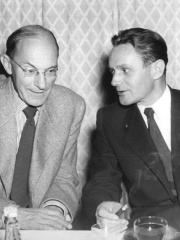
Ludwig Renn
POLITICIAN
1889 - 1979
HPI: 58.94
Miejsce: 3,710
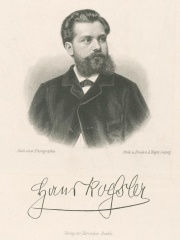
Hans von Koessler
COMPOSER
1853 - 1926
HPI: 58.94
Miejsce: 3,711

Brunhilde Pomsel
ACTOR
1911 - 2017
HPI: 58.93
Miejsce: 3,712

Conrad of Parzham
RELIGIOUS FIGURE
1818 - 1894
HPI: 58.93
Miejsce: 3,713

Bernhard Klodt
SOCCER PLAYER
1926 - 1996
HPI: 58.93
Miejsce: 3,714

Otto Lesser
ASTRONOMER
1830 - 1887
HPI: 58.93
Miejsce: 3,715
Michael Grätzel
CHEMIST
1944 - obecnie
HPI: 58.93
Miejsce: 3,716
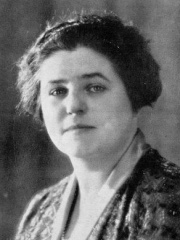
Lotte Lehmann
SINGER
1888 - 1976
HPI: 58.92
Miejsce: 3,717
Carl Remigius Fresenius
CHEMIST
1818 - 1897
HPI: 58.92
Miejsce: 3,718
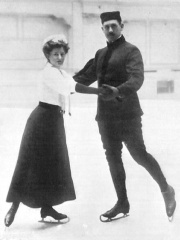
Anna Hübler
SKATER
1885 - 1976
HPI: 58.92
Miejsce: 3,719

Paul Götz
ASTRONOMER
1883 - 1962
HPI: 58.92
Miejsce: 3,720
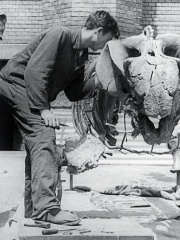
Friedrich von Huene
PHYSICIAN
1875 - 1969
HPI: 58.91
Miejsce: 3,721
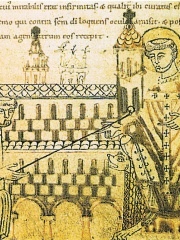
Anno II
RELIGIOUS FIGURE
1010 - 1075
HPI: 58.91
Miejsce: 3,722
Wśród przedstawicieli zawodu Chemik w kraju Niemcy
Wśród przedstawicieli zawodu „Chemik” urodzonych w kraju Niemcy Michael Grätzel zajmuje 77. miejsce. Przed nim są Walther Kossel (1888), Carl Graebe (1841), Hugo Schiff (1834), Christian Gmelin (1792), Albert Niemann (1834), i Felix Hoppe-Seyler (1825). Po nim są Carl Remigius Fresenius (1818), Benjamin List (1968), Johann Schweigger (1779), Peter Armbruster (1931), Walter Noddack (1893), i Theodor Curtius (1857).
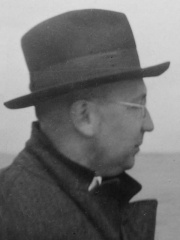
Walther Kossel
1888 - 1956
HPI: 59.84
Miejsce: 71
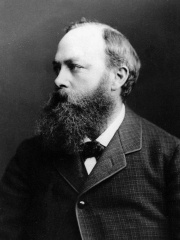
Carl Graebe
1841 - 1927
HPI: 59.82
Miejsce: 72
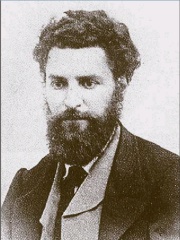
Hugo Schiff
1834 - 1915
HPI: 59.62
Miejsce: 73

Christian Gmelin
1792 - 1860
HPI: 59.33
Miejsce: 74
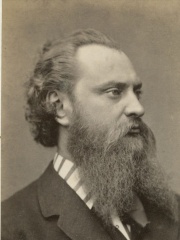
Albert Niemann
1834 - 1861
HPI: 59.28
Miejsce: 75
Felix Hoppe-Seyler
1825 - 1895
HPI: 59.03
Miejsce: 76
Michael Grätzel
1944 - obecnie
HPI: 58.93
Miejsce: 77
Carl Remigius Fresenius
1818 - 1897
HPI: 58.92
Miejsce: 78
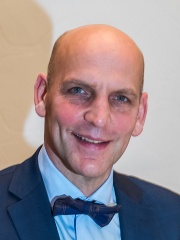
Benjamin List
1968 - obecnie
HPI: 58.62
Miejsce: 79

Johann Schweigger
1779 - 1857
HPI: 58.61
Miejsce: 80

Peter Armbruster
1931 - 2024
HPI: 58.58
Miejsce: 81
Walter Noddack
1893 - 1960
HPI: 58.39
Miejsce: 82

Theodor Curtius
1857 - 1928
HPI: 58.14
Miejsce: 83




