Polityk
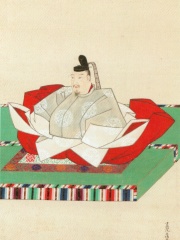
Emperor Kenzō
450 - 487
PL.WIKIPEDIA PAGE VIEWS (PV)
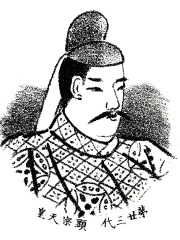
 Emperor Kenzō
Jego biografia jest dostępna w 34 różnych językach w Wikipedii. Emperor Kenzō jest 4100. najpopularniejszym polityk (spadek z 3955. w 2024 roku), 236. najpopularniejszą biografią Japonia (spadek z 223. w 2019 roku) oraz 76. najpopularniejszym polityk Japonia.
Memorability Metrics
64k
Page Views
Past 12 months
67.81
HPI
Historical Popularity Index
Page views of Emperor Kenzō by language
Among Polityks
Among polityks, Emperor Kenzō ranks 4,098 out of 19,576. Before him are Matilda of England, Duchess of Saxony, Barbara of Portugal, Áed mac Cináeda, John Kennedy, Gulab Singh, and Ardashir II. After him are Mozaffar ad-Din Shah Qajar, Tantamani, Tewfik Pasha, Konstantin Dejanović, P. W. Botha, and Roberto Eduardo Viola.
Most Popular Polityks in Wikipedia
Go to all Rankings
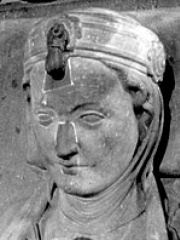
Matilda of England, Duchess of Saxony
1156 - 1189
HPI: 67.82
Rank: 4,094
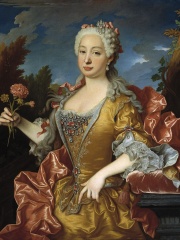
Barbara of Portugal
1711 - 1758
HPI: 67.81
Rank: 4,095
Áed mac Cináeda
858 - 878
HPI: 67.81
Rank: 4,096
John Kennedy
1951 - Present
HPI: 67.81
Rank: 4,097
Gulab Singh
1792 - 1857
HPI: 67.81
Rank: 4,098
Ardashir II
350 - 383
HPI: 67.81
Rank: 4,099
Emperor Kenzō
450 - 487
HPI: 67.81
Rank: 4,100
Mozaffar ad-Din Shah Qajar
1853 - 1907
HPI: 67.81
Rank: 4,101
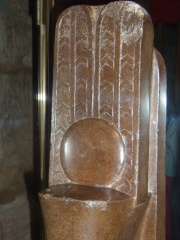
Tantamani
800 BC - 653 BC
HPI: 67.81
Rank: 4,102
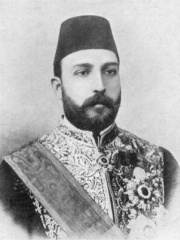
Tewfik Pasha
1852 - 1892
HPI: 67.81
Rank: 4,103
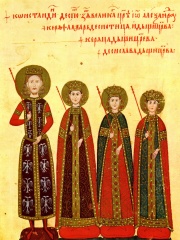
Konstantin Dejanović
1355 - 1395
HPI: 67.81
Rank: 4,104
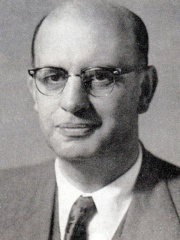
P. W. Botha
1916 - 2006
HPI: 67.80
Rank: 4,105
Roberto Eduardo Viola
1924 - 1994
HPI: 67.80
Rank: 4,106

Contemporaries
Among people born in 450, Emperor Kenzō ranks 8. Before him are Justin I, Pope Anastasius II, Cynric, Mazdak, Huneric, and Gunthamund. After him are Ildibad, Thrasamund, Mundus, Gesalec, Eraric, and Emperor Keitai. Among people deceased in 487, Emperor Kenzō ranks 2. Before him is Syagrius.
Others Born in 450
Go to all Rankings
Justin I
POLITICIAN
450 - 527
HPI: 76.33
Rank: 2
Pope Anastasius II
RELIGIOUS FIGURE
450 - 498
HPI: 73.65
Rank: 3

Cynric
POLITICIAN
450 - 560
HPI: 71.77
Rank: 4
Mazdak
PHILOSOPHER
450 - 529
HPI: 70.30
Rank: 5
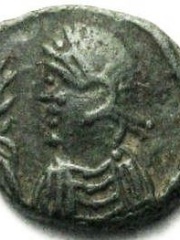
Huneric
POLITICIAN
450 - 484
HPI: 69.11
Rank: 6
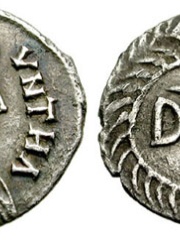
Gunthamund
POLITICIAN
450 - 477
HPI: 68.94
Rank: 7
Emperor Kenzō
POLITICIAN
450 - 487
HPI: 67.81
Rank: 8

Ildibad
POLITICIAN
450 - 541
HPI: 67.25
Rank: 9
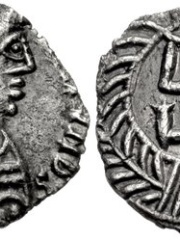
Thrasamund
POLITICIAN
450 - 523
HPI: 67.19
Rank: 10

Mundus
MILITARY PERSONNEL
450 - 536
HPI: 66.88
Rank: 11
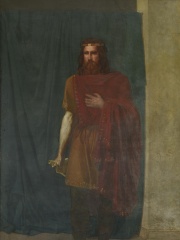
Gesalec
POLITICIAN
450 - 512
HPI: 66.86
Rank: 12

Eraric
POLITICIAN
450 - 541
HPI: 66.54
Rank: 13
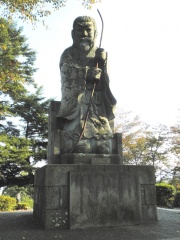
Emperor Keitai
POLITICIAN
450 - 531
HPI: 66.40
Rank: 14
Others Deceased in 487
Go to all Rankings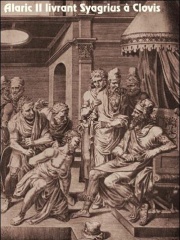
Syagrius
MILITARY PERSONNEL
430 - 487
HPI: 72.05
Rank: 1
Emperor Kenzō
POLITICIAN
450 - 487
HPI: 67.81
Rank: 2
In Japonia
Among people born in Japonia, Emperor Kenzō ranks 236 out of NaN. Before him are Empress Kōjun (1903), Tokugawa Tsunayoshi (1646), Ishikawa Goemon (1558), Emperor Seimu (83), Emperor Go-Mizunoo (1596), and Takashi Kano (1920). After him are Ken Takakura (1931), Megumu Tamura (1927), Masanobu Fukuoka (1913), Ko Takamoro (1907), Takehiko Kawanishi (1938), and Uichiro Hatta (1903).
Others born in Japonia
Go to all Rankings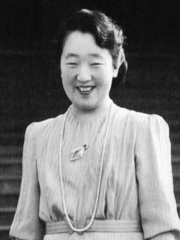
Empress Kōjun
COMPANION
1903 - 2000
HPI: 67.91
Rank: 230
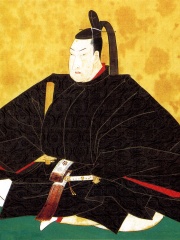
Tokugawa Tsunayoshi
POLITICIAN
1646 - 1709
HPI: 67.91
Rank: 231
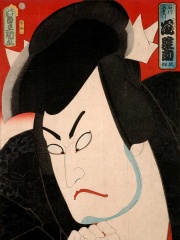
Ishikawa Goemon
SOCIAL ACTIVIST
1558 - 1594
HPI: 67.88
Rank: 232
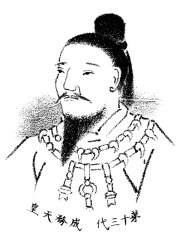
Emperor Seimu
POLITICIAN
83 - 191
HPI: 67.83
Rank: 233
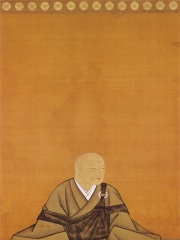
Emperor Go-Mizunoo
POLITICIAN
1596 - 1680
HPI: 67.82
Rank: 234

Takashi Kano
SOCCER PLAYER
1920 - 2000
HPI: 67.82
Rank: 235
Emperor Kenzō
POLITICIAN
450 - 487
HPI: 67.81
Rank: 236
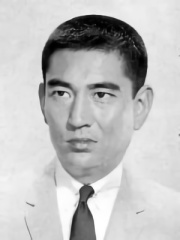
Ken Takakura
ACTOR
1931 - 2014
HPI: 67.81
Rank: 237

Megumu Tamura
SOCCER PLAYER
1927 - 1986
HPI: 67.80
Rank: 238
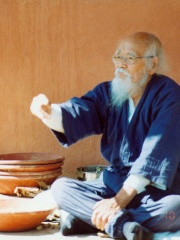
Masanobu Fukuoka
PHILOSOPHER
1913 - 2008
HPI: 67.78
Rank: 239

Ko Takamoro
SOCCER PLAYER
1907 - 1995
HPI: 67.77
Rank: 240

Takehiko Kawanishi
SOCCER PLAYER
1938 - Present
HPI: 67.75
Rank: 241

Uichiro Hatta
SOCCER PLAYER
1903 - 1989
HPI: 67.73
Rank: 242
Among Polityks In Japonia
Among polityks born in Japonia, Emperor Kenzō ranks 76. Before him are Ashikaga Yoshiaki (1537), Imagawa Yoshimoto (1519), Taira no Kiyomori (1118), Tokugawa Tsunayoshi (1646), Emperor Seimu (83), and Emperor Go-Mizunoo (1596). After him are Emperor Shōkō (1401), Emperor Seinei (444), Emperor Hanzei (336), Inejiro Asanuma (1898), Emperor Ankō (401), and Emperor Go-Kashiwabara (1464).
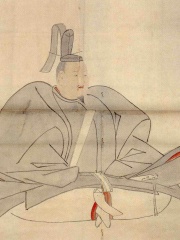
Ashikaga Yoshiaki
1537 - 1597
HPI: 68.22
Rank: 70
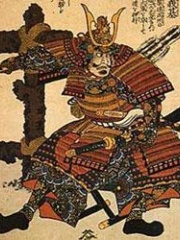
Imagawa Yoshimoto
1519 - 1560
HPI: 68.20
Rank: 71
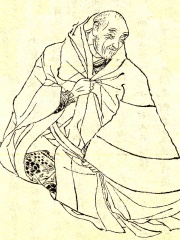
Taira no Kiyomori
1118 - 1181
HPI: 68.18
Rank: 72
Tokugawa Tsunayoshi
1646 - 1709
HPI: 67.91
Rank: 73
Emperor Seimu
83 - 191
HPI: 67.83
Rank: 74
Emperor Go-Mizunoo
1596 - 1680
HPI: 67.82
Rank: 75
Emperor Kenzō
450 - 487
HPI: 67.81
Rank: 76
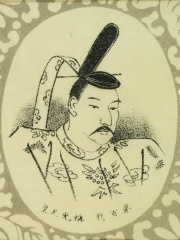
Emperor Shōkō
1401 - 1428
HPI: 67.72
Rank: 77
Emperor Seinei
444 - 484
HPI: 67.70
Rank: 78

Emperor Hanzei
336 - 410
HPI: 67.70
Rank: 79
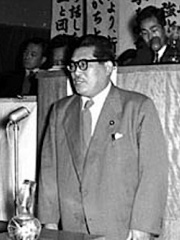
Inejiro Asanuma
1898 - 1960
HPI: 67.67
Rank: 80
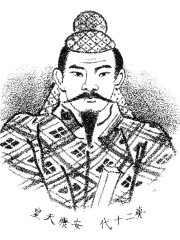
Emperor Ankō
401 - 456
HPI: 67.66
Rank: 81
Emperor Go-Kashiwabara
1464 - 1526
HPI: 67.63
Rank: 82




