政治家
Emperor Seinei
444 - 484
JA.WIKIPEDIA ページビュー (PV)
 Emperor Seinei
知名度指標
77k
ページビュー
過去12か月
67.70
HPI
歴史的人気指数
データインサイト
#248 / 6,943
Emperor SeineiはPantheonに収録された日本生まれの6,943人中第248位で、上位4%に入ります。
Emperor Seineiの言語別ページビュー
政治家の中で
政治家の中で、Emperor Seineiは20,022人中4,161位です。 彼より上位:Emperor Dezong of Tang, Concino Concini, Ernesto Geisel, Quintus Lutatius Catulus, Sten Sture the Younger, 、Honoré III, Prince of Monaco. 彼より下位:Emperor Hanzei, Titus Quinctius Flamininus, Jean-Claude Duvalier, Prince Pierre, Duke of Valentinois, Perdiccas III of Macedon, 、Charles Michel.
ウィキペディアで最も人気のある政治家
すべてのランキングを見る
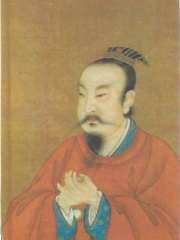
Emperor Dezong of Tang
742 - 805
HPI: 67.71
順位: 4,157
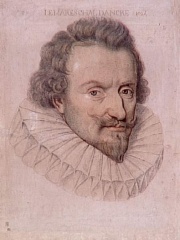
Concino Concini
1575 - 1617
HPI: 67.71
順位: 4,158
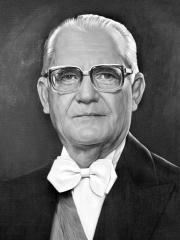
Ernesto Geisel
1907 - 1996
HPI: 67.71
順位: 4,159

Quintus Lutatius Catulus
150 BC - 87 BC
HPI: 67.70
順位: 4,160
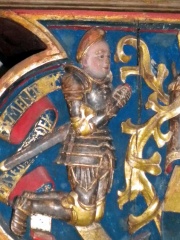
Sten Sture the Younger
1493 - 1520
HPI: 67.70
順位: 4,161
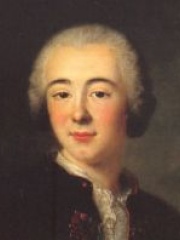
Honoré III, Prince of Monaco
1720 - 1795
HPI: 67.70
順位: 4,162
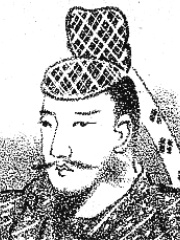
Emperor Seinei
444 - 484
HPI: 67.70
順位: 4,163

Emperor Hanzei
336 - 410
HPI: 67.70
順位: 4,164
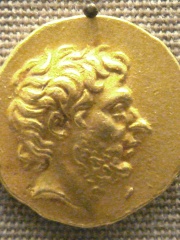
Titus Quinctius Flamininus
229 BC - 174 BC
HPI: 67.70
順位: 4,165
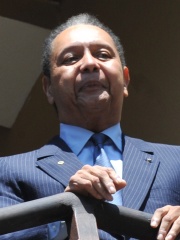
Jean-Claude Duvalier
1951 - 2014
HPI: 67.70
順位: 4,166
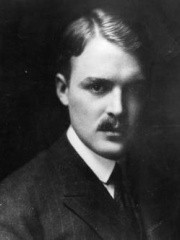
Prince Pierre, Duke of Valentinois
1895 - 1964
HPI: 67.70
順位: 4,167
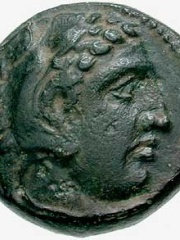
Perdiccas III of Macedon
350 BC - 359 BC
HPI: 67.70
順位: 4,168

Charles Michel
1975 - 現在
HPI: 67.70
順位: 4,169

同時代の人物
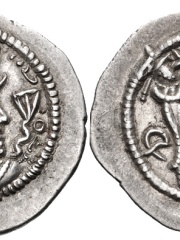
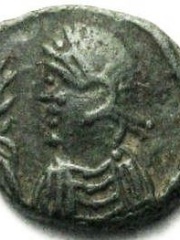
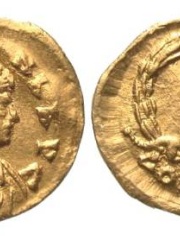
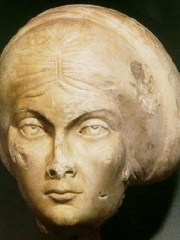
444年生まれの人の中で、Emperor Seineiは1位です。 彼より下位:Pope Dioscorus I of Alexandria. 484年に亡くなった人の中で、Emperor Seineiは4位です。 彼より上位:Euric, Peroz I, 、Huneric. 彼より下位:Marcianus, Verina, 、Placidia.
444年生まれのその他の人物
すべてのランキングを見るEmperor Seinei
POLITICIAN
444 - 484
HPI: 67.70
順位: 1
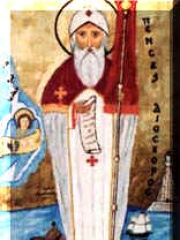
Pope Dioscorus I of Alexandria
RELIGIOUS FIGURE
444 - 454
HPI: 65.93
順位: 2
484年に亡くなったその他の人物
すべてのランキングを見る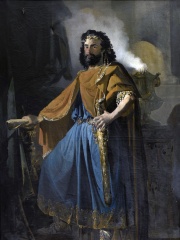

日本の中で
日本生まれの人の中で、Emperor Seineiは6,943人中248位です。 彼より上位:Uichiro Hatta (1903), Masao Nozawa (null), Emperor Shōkō (1401), Yohji Yamamoto (1943), Kōnosuke Matsushita (1894), 、Osamu Yamaji (1929). 彼より下位:Emperor Hanzei (336), Inejiro Asanuma (1898), Emperor Ankō (401), Emperor Go-Kashiwabara (1464), Yasukazu Tanaka (1933), 、Prince Naruhiko Higashikuni (1887).
日本生まれのその他の人物
すべてのランキングを見る
Uichiro Hatta
SOCCER PLAYER
1903 - 1989
HPI: 67.73
順位: 242

Masao Nozawa
SOCCER PLAYER
HPI: 67.72
順位: 243
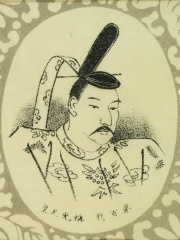
Emperor Shōkō
POLITICIAN
1401 - 1428
HPI: 67.72
順位: 244
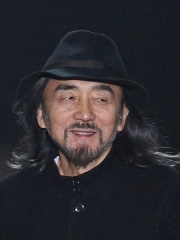
Yohji Yamamoto
FASHION DESIGNER
1943 - 現在
HPI: 67.71
順位: 245
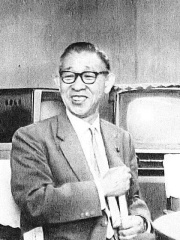
Kōnosuke Matsushita
INVENTOR
1894 - 1989
HPI: 67.71
順位: 246

Osamu Yamaji
SOCCER PLAYER
1929 - 2021
HPI: 67.70
順位: 247
Emperor Seinei
POLITICIAN
444 - 484
HPI: 67.70
順位: 248
Emperor Hanzei
POLITICIAN
336 - 410
HPI: 67.70
順位: 249
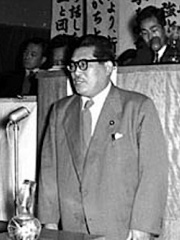
Inejiro Asanuma
POLITICIAN
1898 - 1960
HPI: 67.67
順位: 250
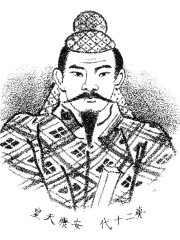
Emperor Ankō
POLITICIAN
401 - 456
HPI: 67.66
順位: 251
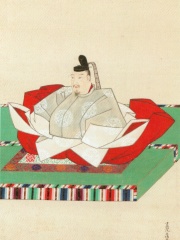
Emperor Go-Kashiwabara
POLITICIAN
1464 - 1526
HPI: 67.63
順位: 252

Yasukazu Tanaka
SOCCER PLAYER
1933 - 現在
HPI: 67.59
順位: 253
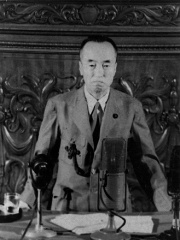
Prince Naruhiko Higashikuni
POLITICIAN
1887 - 1990
HPI: 67.58
順位: 254
日本の政治家の中で
日本生まれの政治家の中で、Emperor Seineiは78位です。 彼より上位:Taira no Kiyomori (1118), Tokugawa Tsunayoshi (1646), Emperor Seimu (83), Emperor Go-Mizunoo (1596), Emperor Kenzō (450), 、Emperor Shōkō (1401). 彼より下位:Emperor Hanzei (336), Inejiro Asanuma (1898), Emperor Ankō (401), Emperor Go-Kashiwabara (1464), Prince Naruhiko Higashikuni (1887), 、Empress Jingū (169).
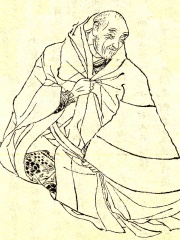
Taira no Kiyomori
1118 - 1181
HPI: 68.18
順位: 72
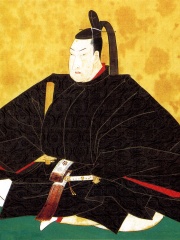
Tokugawa Tsunayoshi
1646 - 1709
HPI: 67.91
順位: 73
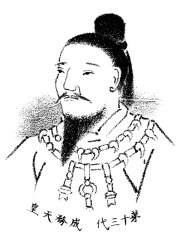
Emperor Seimu
83 - 191
HPI: 67.83
順位: 74
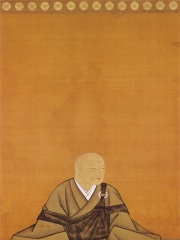
Emperor Go-Mizunoo
1596 - 1680
HPI: 67.82
順位: 75
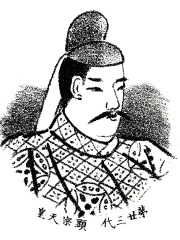
Emperor Kenzō
450 - 487
HPI: 67.81
順位: 76
Emperor Shōkō
1401 - 1428
HPI: 67.72
順位: 77
Emperor Seinei
444 - 484
HPI: 67.70
順位: 78
Emperor Hanzei
336 - 410
HPI: 67.70
順位: 79
Inejiro Asanuma
1898 - 1960
HPI: 67.67
順位: 80
Emperor Ankō
401 - 456
HPI: 67.66
順位: 81
Emperor Go-Kashiwabara
1464 - 1526
HPI: 67.63
順位: 82
Prince Naruhiko Higashikuni
1887 - 1990
HPI: 67.58
順位: 83
Empress Jingū
169 - 269
HPI: 67.51
順位: 84




