Pisarz
Christopher Hampton
1946 - obecnie
WYŚWIETLENIA PL.WIKIPEDIA (PV)
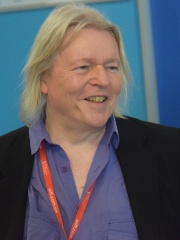
 Christopher Hampton
Jego biografia jest dostępna w 25 różnych językach w Wikipedii. Christopher Hampton jest 3258. najpopularniejszym pisarz (wzrost z 3591. w 2024 roku), 272. najpopularniejszą biografią Portugalia (spadek z 270. w 2019 roku) oraz 23. najpopularniejszym pisarz Portugalia.
Wskaźniki rozpoznawalności
46k
Wyświetlenia strony
Ostatnie 12 miesięcy
59.74
HPI
Indeks historycznej popularności
Ciekawostki z danych
26 sty
Christopher Hampton obchodzi urodziny tego samego dnia (26 stycznia) co Nicolae Ceaușescu, Charles XIV John of Sweden i Paul Newman.
Wyświetlenia strony Christopher Hampton według języka
Wśród przedstawicieli zawodu Pisarz
Wśród przedstawicieli zawodu „Pisarz” Christopher Hampton zajmuje 3,258. miejsce na 7,302. Przed nim są Eric Ambler, Yasutaka Tsutsui, Qian Zhongshu, Tudor Arghezi, Andrija Kačić Miošić, i Rutka Laskier. Po nim są Robert Fisk, Maria Dąbrowska, Claude Prosper Jolyot de Crébillon, Miguel Torga, Ahmed Mohammed al-Maqqari, i Heo Nanseolheon.
Najpopularniejsi w Wikipedii: Pisarz
Zobacz wszystkie rankingi
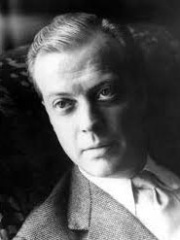
Eric Ambler
1909 - 1998
HPI: 59.75
Miejsce: 3,252
Yasutaka Tsutsui
1934 - obecnie
HPI: 59.75
Miejsce: 3,253
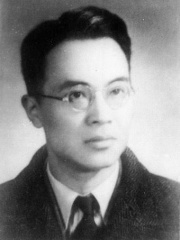
Qian Zhongshu
1910 - 1998
HPI: 59.75
Miejsce: 3,254
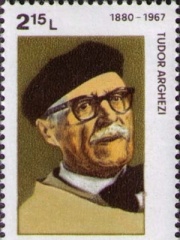
Tudor Arghezi
1880 - 1967
HPI: 59.75
Miejsce: 3,255
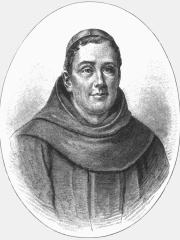
Andrija Kačić Miošić
1704 - 1760
HPI: 59.74
Miejsce: 3,256
Rutka Laskier
1929 - 1943
HPI: 59.74
Miejsce: 3,257
Christopher Hampton
1946 - obecnie
HPI: 59.74
Miejsce: 3,258
Robert Fisk
1946 - 2020
HPI: 59.73
Miejsce: 3,259
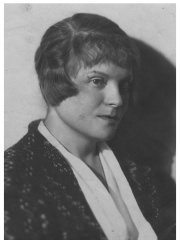
Maria Dąbrowska
1889 - 1965
HPI: 59.73
Miejsce: 3,260
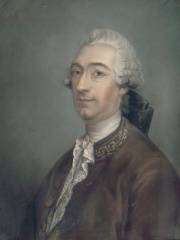
Claude Prosper Jolyot de Crébillon
1707 - 1777
HPI: 59.73
Miejsce: 3,261
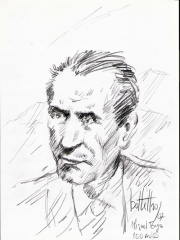
Miguel Torga
1907 - 1995
HPI: 59.73
Miejsce: 3,262

Ahmed Mohammed al-Maqqari
1578 - 1632
HPI: 59.72
Miejsce: 3,263
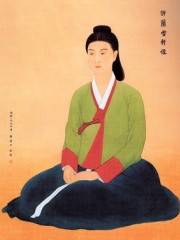
Heo Nanseolheon
1563 - 1589
HPI: 59.72
Miejsce: 3,264

Współcześni
Wśród osób urodzonych w 1946 roku Christopher Hampton zajmuje 340. miejsce. Przed nim są Angéla Németh, Milena Canonero, Lesley Ann Warren, Alberto Colombo, Stuart Wilson, i Yacouba Sawadogo. Po nim są Robert Fisk, Jürgen Croy, Jacques Tardi, Joseph Sifakis, Camilo Sesto, i Rocío Jurado.
Inne osoby urodzone w 1946 roku
Zobacz wszystkie rankingi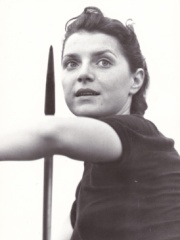
Angéla Németh
ATHLETE
1946 - 2014
HPI: 59.92
Miejsce: 334
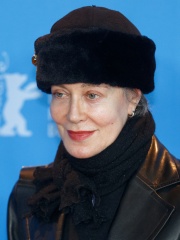
Milena Canonero
DESIGNER
1946 - obecnie
HPI: 59.91
Miejsce: 335
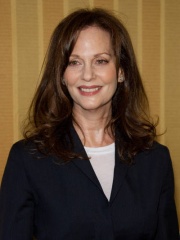
Lesley Ann Warren
ACTOR
1946 - obecnie
HPI: 59.86
Miejsce: 336

Alberto Colombo
RACING DRIVER
1946 - 2024
HPI: 59.85
Miejsce: 337

Stuart Wilson
ACTOR
1946 - obecnie
HPI: 59.82
Miejsce: 338
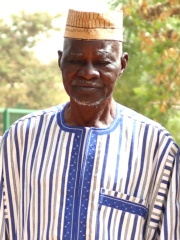
Yacouba Sawadogo
SOCIAL ACTIVIST
1946 - 2023
HPI: 59.77
Miejsce: 339
Christopher Hampton
WRITER
1946 - obecnie
HPI: 59.74
Miejsce: 340
Robert Fisk
WRITER
1946 - 2020
HPI: 59.73
Miejsce: 341
Jürgen Croy
SOCCER PLAYER
1946 - obecnie
HPI: 59.73
Miejsce: 342
Jacques Tardi
COMIC ARTIST
1946 - obecnie
HPI: 59.69
Miejsce: 343
Joseph Sifakis
COMPUTER SCIENTIST
1946 - obecnie
HPI: 59.66
Miejsce: 344
Camilo Sesto
SINGER
1946 - 2019
HPI: 59.62
Miejsce: 345
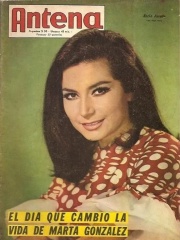
Rocío Jurado
SINGER
1946 - 2006
HPI: 59.57
Miejsce: 346
W kraju Portugalia
Wśród osób urodzonych w kraju Portugalia Christopher Hampton zajmuje 272. miejsce na 633. Przed nim są Jorge Mendes (1966), José Tolentino de Mendonça (1965), Manuel Gonçalves Cerejeira (1888), António Ferreira (1528), Fábio Coentrão (1988), i Maria Pia de Saxe-Coburgo e Bragança (1907). Po nim są Miguel Torga (1907), Ricardo (1976), João de Loureiro (1717), Duarte Barbosa (1480), António Simões (1943), i Estácio de Sá (1520).
Inne osoby urodzone w kraju Portugalia
Zobacz wszystkie rankingi
Jorge Mendes
BUSINESSPERSON
1966 - obecnie
HPI: 59.90
Miejsce: 266
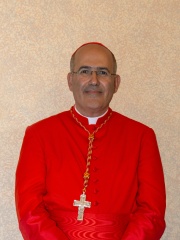
José Tolentino de Mendonça
RELIGIOUS FIGURE
1965 - obecnie
HPI: 59.89
Miejsce: 267
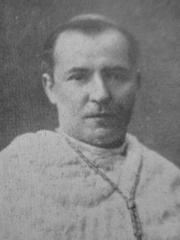
Manuel Gonçalves Cerejeira
RELIGIOUS FIGURE
1888 - 1977
HPI: 59.88
Miejsce: 268
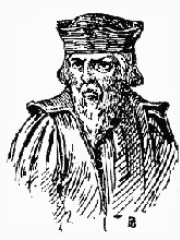
António Ferreira
WRITER
1528 - 1569
HPI: 59.85
Miejsce: 269
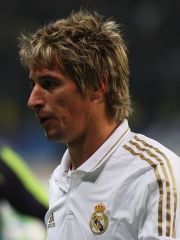
Fábio Coentrão
SOCCER PLAYER
1988 - obecnie
HPI: 59.81
Miejsce: 270
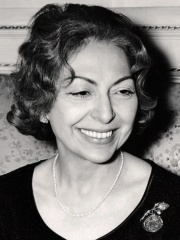
Maria Pia de Saxe-Coburgo e Bragança
WRITER
1907 - 1995
HPI: 59.78
Miejsce: 271
Christopher Hampton
WRITER
1946 - obecnie
HPI: 59.74
Miejsce: 272
Miguel Torga
WRITER
1907 - 1995
HPI: 59.73
Miejsce: 273
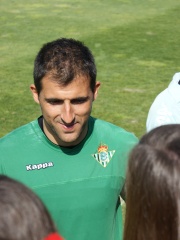
Ricardo
SOCCER PLAYER
1976 - obecnie
HPI: 59.72
Miejsce: 274
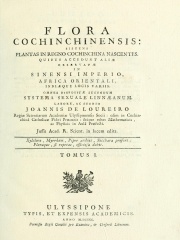
João de Loureiro
BIOLOGIST
1717 - 1791
HPI: 59.68
Miejsce: 275

Duarte Barbosa
WRITER
1480 - 1521
HPI: 59.60
Miejsce: 276
António Simões
SOCCER PLAYER
1943 - obecnie
HPI: 59.45
Miejsce: 277
Estácio de Sá
MILITARY PERSONNEL
1520 - 1567
HPI: 59.34
Miejsce: 278
Wśród przedstawicieli zawodu Pisarz w kraju Portugalia
Wśród przedstawicieli zawodu „Pisarz” urodzonych w kraju Portugalia Christopher Hampton zajmuje 23. miejsce. Przed nim są Maria Teresa Horta (1937), Alexandre Herculano (1810), Sophia de Mello Breyner Andresen (1919), Mário de Sá-Carneiro (1890), António Ferreira (1528), i Maria Pia de Saxe-Coburgo e Bragança (1907). Po nim są Miguel Torga (1907), Duarte Barbosa (1480), Antero de Quental (1842), Florbela Espanca (1894), Manuel Maria Barbosa du Bocage (1765), i Lídia Jorge (1946).
Maria Teresa Horta
1937 - 2025
HPI: 61.33
Miejsce: 17
Alexandre Herculano
1810 - 1877
HPI: 61.00
Miejsce: 18
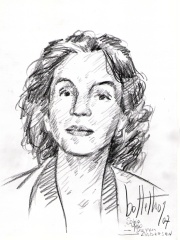
Sophia de Mello Breyner Andresen
1919 - 2004
HPI: 60.91
Miejsce: 19
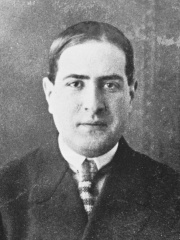
Mário de Sá-Carneiro
1890 - 1916
HPI: 59.92
Miejsce: 20
António Ferreira
1528 - 1569
HPI: 59.85
Miejsce: 21
Maria Pia de Saxe-Coburgo e Bragança
1907 - 1995
HPI: 59.78
Miejsce: 22
Christopher Hampton
1946 - obecnie
HPI: 59.74
Miejsce: 23
Miguel Torga
1907 - 1995
HPI: 59.73
Miejsce: 24
Duarte Barbosa
1480 - 1521
HPI: 59.60
Miejsce: 25
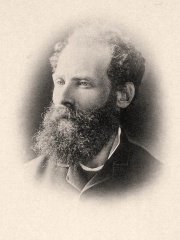
Antero de Quental
1842 - 1891
HPI: 59.08
Miejsce: 26
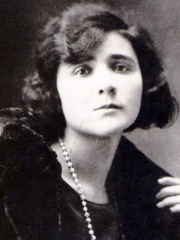
Florbela Espanca
1894 - 1930
HPI: 57.43
Miejsce: 27
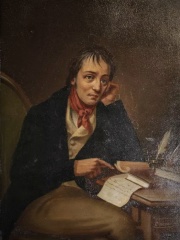
Manuel Maria Barbosa du Bocage
1765 - 1805
HPI: 57.00
Miejsce: 28
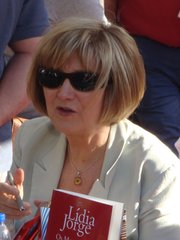
Lídia Jorge
1946 - obecnie
HPI: 56.35
Miejsce: 29




