Religieuze figuur
Saichō
767 - 822
NL.WIKIPEDIA PAGE VIEWS (PV)
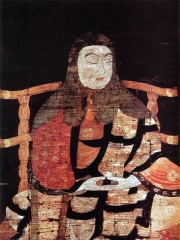
 Saichō
Zijn biografie is beschikbaar in 27 verschillende talen op Wikipedia. Saichō staat op plaats 1.374 onder de meest populaire religieuze figuur (gedaald van plaats 1.225 in 2024), plaats 591 onder de meest populaire biografieën uit Japan (gedaald van plaats 506 in 2019) en op plaats 13 onder de populairste religieuze figuur uit Japan.
Memorability Metrics
130k
Page Views
Past 12 months
64.08
HPI
Historical Popularity Index
Page views of Saichō by language
Among Religieuze figuurs
Among religieuze figuurs, Saichō ranks 1,374 out of 3,187. Before him are Manuel Monteiro de Castro, François de la Chaise, Thomas Christopher Collins, Johannes Oecolampadius, Abdul-Aziz ibn Abdullah Al ash-Sheikh, and Meletius IV of Constantinople. After him are Barsanuphius, Dominik Duka, Shinran, Ignatius IV of Antioch, Shamgar, and Muhammad ibn Ya'qub al-Kulayni.
Most Popular Religieuze Figuurs in Wikipedia
Go to all Rankings
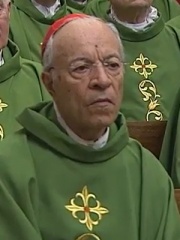
Manuel Monteiro de Castro
1938 - Present
HPI: 64.15
Rank: 1,368
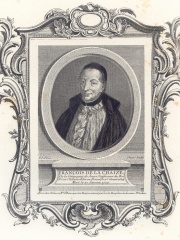
François de la Chaise
1624 - 1709
HPI: 64.14
Rank: 1,369
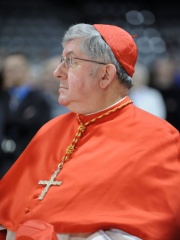
Thomas Christopher Collins
1947 - Present
HPI: 64.14
Rank: 1,370
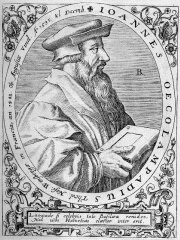
Johannes Oecolampadius
1482 - 1531
HPI: 64.13
Rank: 1,371
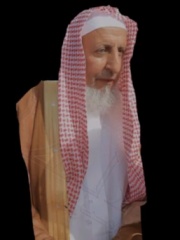
Abdul-Aziz ibn Abdullah Al ash-Sheikh
1943 - 2025
HPI: 64.12
Rank: 1,372
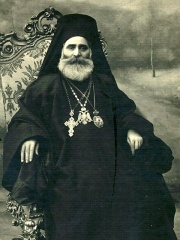
Meletius IV of Constantinople
1871 - 1935
HPI: 64.10
Rank: 1,373
Saichō
767 - 822
HPI: 64.08
Rank: 1,374
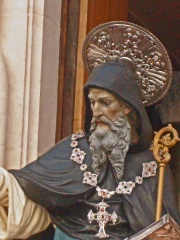
Barsanuphius
401 - 540
HPI: 64.08
Rank: 1,375
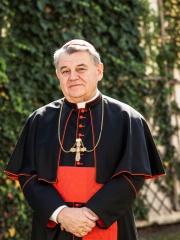
Dominik Duka
1943 - 2025
HPI: 64.07
Rank: 1,376
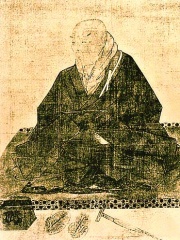
Shinran
1173 - 1263
HPI: 64.07
Rank: 1,377
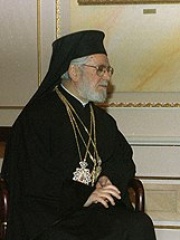
Ignatius IV of Antioch
1920 - 2012
HPI: 64.07
Rank: 1,378
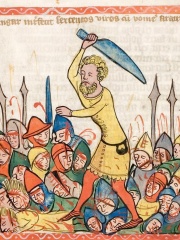
Shamgar
HPI: 64.07
Rank: 1,379

Muhammad ibn Ya'qub al-Kulayni
864 - 941
HPI: 64.07
Rank: 1,380

Contemporaries
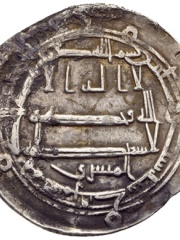
Among people born in 767, Saichō ranks 3. Before him are Al-Shafi‘i, and Jaʻfar ibn Yahya. Among people deceased in 822, Saichō ranks 3. Before him are Al-Hakam I, and Tahir ibn Husayn.
Others Born in 767
Go to all Rankings
Al-Shafi‘i
LAWYER
767 - 820
HPI: 79.37
Rank: 1

Jaʻfar ibn Yahya
POLITICIAN
767 - 803
HPI: 66.77
Rank: 2
Saichō
RELIGIOUS FIGURE
767 - 822
HPI: 64.08
Rank: 3
Others Deceased in 822
Go to all Rankings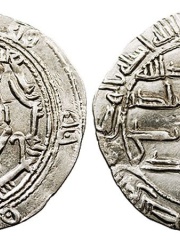
Al-Hakam I
POLITICIAN
770 - 822
HPI: 68.24
Rank: 1
Tahir ibn Husayn
POLITICIAN
776 - 822
HPI: 65.50
Rank: 2
Saichō
RELIGIOUS FIGURE
767 - 822
HPI: 64.08
Rank: 3
In Japan
Among people born in Japan, Saichō ranks 591 out of NaN. Before him are Emperor Murakami (926), Shūsaku Endō (1923), Hideaki Anno (1960), Junji Ito (1963), Satoshi Kon (1963), and Miho Kaneda (1950). After him are Yasuji Okamura (1884), Shinran (1173), Katsu Kaishū (1823), Satoru Iwata (1959), Tokugawa Ieyoshi (1793), and Otozō Yamada (1881).
Others born in Japan
Go to all Rankings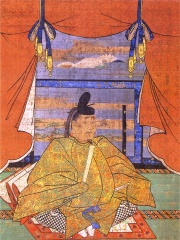
Emperor Murakami
POLITICIAN
926 - 967
HPI: 64.12
Rank: 585
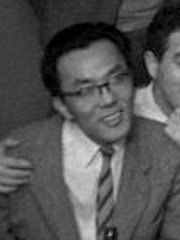
Shūsaku Endō
WRITER
1923 - 1996
HPI: 64.12
Rank: 586
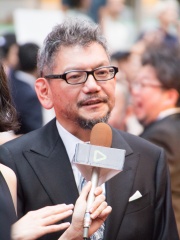
Hideaki Anno
FILM DIRECTOR
1960 - Present
HPI: 64.12
Rank: 587
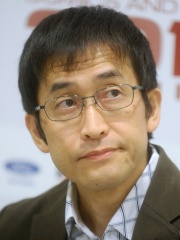
Junji Ito
WRITER
1963 - Present
HPI: 64.12
Rank: 588
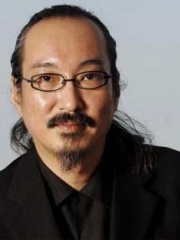
Satoshi Kon
FILM DIRECTOR
1963 - 2010
HPI: 64.10
Rank: 589

Miho Kaneda
SOCCER PLAYER
1950 - Present
HPI: 64.08
Rank: 590
Saichō
RELIGIOUS FIGURE
767 - 822
HPI: 64.08
Rank: 591
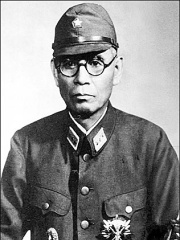
Yasuji Okamura
MILITARY PERSONNEL
1884 - 1966
HPI: 64.07
Rank: 592
Shinran
RELIGIOUS FIGURE
1173 - 1263
HPI: 64.07
Rank: 593
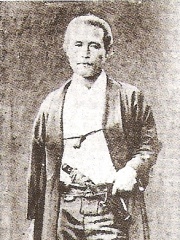
Katsu Kaishū
WRITER
1823 - 1899
HPI: 64.05
Rank: 594
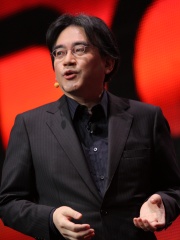
Satoru Iwata
GAME DESIGNER
1959 - 2015
HPI: 64.03
Rank: 595
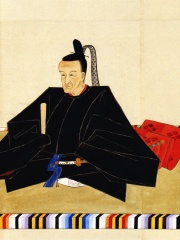
Tokugawa Ieyoshi
POLITICIAN
1793 - 1853
HPI: 64.03
Rank: 596
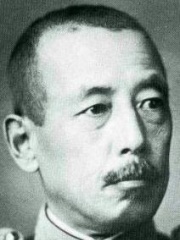
Otozō Yamada
MILITARY PERSONNEL
1881 - 1965
HPI: 63.98
Rank: 597
Among Religieuze figuurs In Japan
Among religieuze figuurs born in Japan, Saichō ranks 13. Before him are Abe no Seimei (921), Sen no Rikyū (1522), Mikao Usui (1865), Yamamoto Tsunetomo (1659), Ikkyū (1394), and Eisai (1141). After him are Shinran (1173), Dom Justo Takayama (1552), Shunryū Suzuki (1904), Kōdō Sawaki (1880), Hōnen (1133), and Thomas Aquino Manyo Maeda (1949).
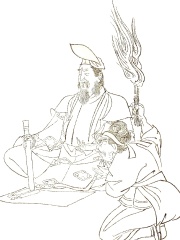
Abe no Seimei
921 - 1005
HPI: 69.22
Rank: 7
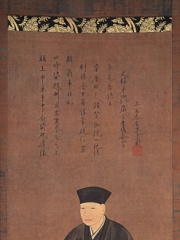
Sen no Rikyū
1522 - 1591
HPI: 69.18
Rank: 8
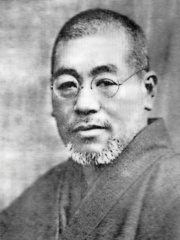
Mikao Usui
1865 - 1926
HPI: 67.34
Rank: 9
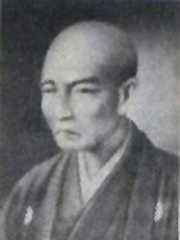
Yamamoto Tsunetomo
1659 - 1719
HPI: 66.14
Rank: 10
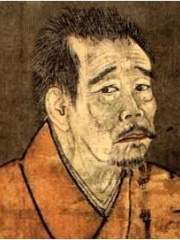
Ikkyū
1394 - 1481
HPI: 65.93
Rank: 11
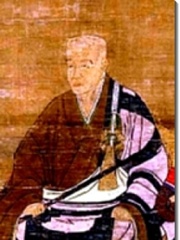
Eisai
1141 - 1215
HPI: 65.03
Rank: 12
Saichō
767 - 822
HPI: 64.08
Rank: 13
Shinran
1173 - 1263
HPI: 64.07
Rank: 14
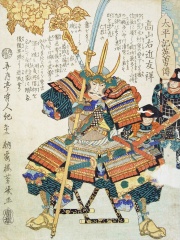
Dom Justo Takayama
1552 - 1615
HPI: 63.96
Rank: 15
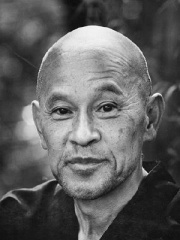
Shunryū Suzuki
1904 - 1971
HPI: 63.66
Rank: 16
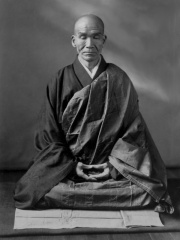
Kōdō Sawaki
1880 - 1965
HPI: 63.03
Rank: 17
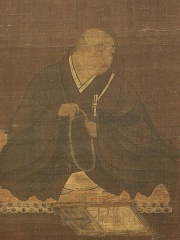
Hōnen
1133 - 1212
HPI: 62.84
Rank: 18
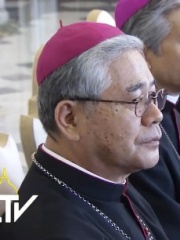
Thomas Aquino Manyo Maeda
1949 - Present
HPI: 62.51
Rank: 19




