Politicus
Liu Penzi
11 - 100

 Liu Penzi
Zijn biografie is beschikbaar in 17 verschillende talen op Wikipedia. Liu Penzi staat op plaats 9.800 onder de meest populaire politicus (gedaald van plaats 8.713 in 2024), plaats 656 onder de meest populaire biografieën uit China (gedaald van plaats 623 in 2019) en op plaats 357 onder de populairste politicus uit China.
Bekendheidsstatistieken
34k
Paginaweergaven
Afgelopen 12 maanden
61.49
HPI
Historische populariteitsindex
Data-inzichten
17
De biografie van Liu Penzi beslaat 17 taalversies van Wikipedia en behaalt een Historische Populariteitsindex van 61.49.
Paginaweergaven van Liu Penzi per taal
Onder Politicus
Onder Politicus staat Liu Penzi op plaats 9,795 van 20,022. Vóór hem staan Constantin Dăscălescu, Taspar Qaghan, Prince Andrew of Yugoslavia, Chaekgye of Baekje, Prince August, Duke of Dalarna, en Vitale I Michiel. Na hem komen Doris Leuthard, Katalin Novák, Dinuzulu kaCetshwayo, Sekhemre-Heruhirmaat Intef, Cığalazade Yusuf Sinan Pasha, en Franz Schalk.
Populairste Politicus op Wikipedia
Naar alle ranglijsten
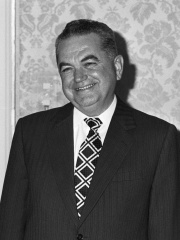
Constantin Dăscălescu
1923 - 2003
HPI: 61.50
Plaats: 9,794

Taspar Qaghan
450 - 581
HPI: 61.50
Plaats: 9,795
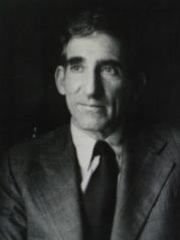
Prince Andrew of Yugoslavia
1929 - 1990
HPI: 61.50
Plaats: 9,796

Chaekgye of Baekje
250 - 298
HPI: 61.50
Plaats: 9,797
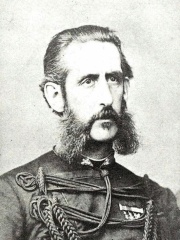
Prince August, Duke of Dalarna
1831 - 1873
HPI: 61.50
Plaats: 9,798
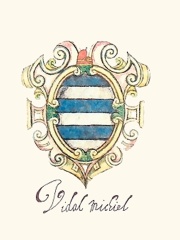
Vitale I Michiel
1100 - 1102
HPI: 61.50
Plaats: 9,799
Liu Penzi
11 - 100
HPI: 61.49
Plaats: 9,800
Doris Leuthard
1963 - heden
HPI: 61.49
Plaats: 9,801
Katalin Novák
1977 - heden
HPI: 61.49
Plaats: 9,802
Dinuzulu kaCetshwayo
1868 - 1913
HPI: 61.49
Plaats: 9,803
Sekhemre-Heruhirmaat Intef
1600 BC - 1600 BC
HPI: 61.49
Plaats: 9,804
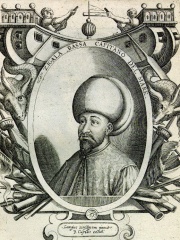
Cığalazade Yusuf Sinan Pasha
1545 - 1605
HPI: 61.49
Plaats: 9,805
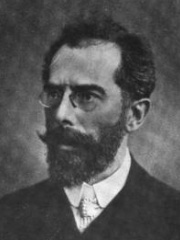
Franz Schalk
1863 - 1931
HPI: 61.49
Plaats: 9,806

Tijdgenoten
Onder de mensen geboren in 11 staat Liu Penzi op plaats 1. Onder de mensen overleden in 100 staat Liu Penzi op plaats 62. Vóór hem staan John of Patmos, Epaphras, Lucilius Junior, Dares Phrygius, Aristarchus of Thessalonica, en Claudia Marcella Major. Na hem komen Aelia Paetina, Pomponius Secundus, Antiochus IV of Commagene, Scribonius Largus, Justus of Tiberias, en Plautia Urgulanilla.
Anderen geboren in 11
Naar alle ranglijstenAnderen overleden in 100
Naar alle ranglijsten
John of Patmos
RELIGIOUS FIGURE
50 - 100
HPI: 62.51
Plaats: 56
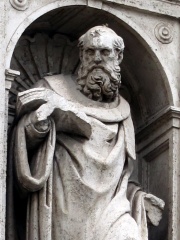
Epaphras
RELIGIOUS FIGURE
100 - 100
HPI: 62.00
Plaats: 57

Lucilius Junior
WRITER
6 - 100
HPI: 61.99
Plaats: 58

Dares Phrygius
WRITER
450 - 100
HPI: 61.90
Plaats: 59
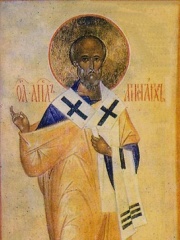
Aristarchus of Thessalonica
RELIGIOUS FIGURE
5 - 100
HPI: 61.69
Plaats: 60
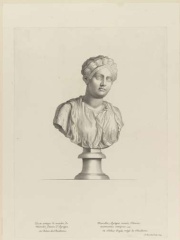
Claudia Marcella Major
POLITICIAN
41 BC - 100
HPI: 61.56
Plaats: 61
Liu Penzi
POLITICIAN
11 - 100
HPI: 61.49
Plaats: 62
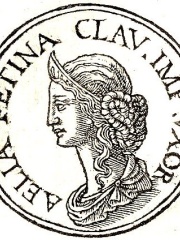
Aelia Paetina
COMPANION
8 - 100
HPI: 61.14
Plaats: 63

Pomponius Secundus
POLITICIAN
50 BC - 100
HPI: 61.07
Plaats: 64
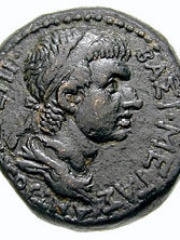
Antiochus IV of Commagene
POLITICIAN
50 - 100
HPI: 61.06
Plaats: 65

Scribonius Largus
PHYSICIAN
100 - 100
HPI: 60.93
Plaats: 66

Justus of Tiberias
WRITER
35 - 100
HPI: 60.79
Plaats: 67
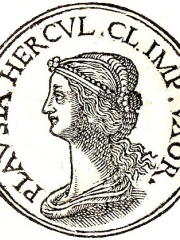
Plautia Urgulanilla
COMPANION
8 BC - 100
HPI: 60.72
Plaats: 68
In China
Onder de mensen geboren in China staat Liu Penzi op plaats 656 van 2,131. Vóór hem staan James Tien (1942), Zhu of Xia (null), Zhang Zeduan (1085), Pei Songzhi (372), Choekyi Gyaltsen, 10th Panchen Lama (1938), en Luo Yixiu (1889). Na hem komen Guan Daosheng (1262), Jung Chang (1952), Gan Ji (101), Zhang Zhidong (1837), Lu Xiufu (1236), en Yang Hui (1238).
Anderen geboren in China
Naar alle ranglijsten
James Tien
ACTOR
1942 - heden
HPI: 61.61
Plaats: 650

Zhu of Xia
POLITICIAN
HPI: 61.60
Plaats: 651
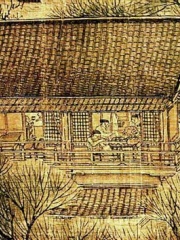
Zhang Zeduan
PAINTER
1085 - 1145
HPI: 61.59
Plaats: 652

Pei Songzhi
HISTORIAN
372 - 451
HPI: 61.53
Plaats: 653

Choekyi Gyaltsen, 10th Panchen Lama
POLITICIAN
1938 - 1989
HPI: 61.52
Plaats: 654

Luo Yixiu
WRITER
1889 - 1910
HPI: 61.51
Plaats: 655
Liu Penzi
POLITICIAN
11 - 100
HPI: 61.49
Plaats: 656
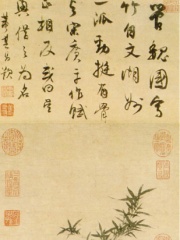
Guan Daosheng
WRITER
1262 - 1319
HPI: 61.48
Plaats: 657
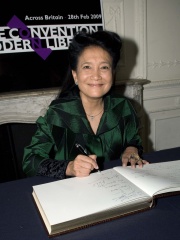
Jung Chang
WRITER
1952 - heden
HPI: 61.47
Plaats: 658
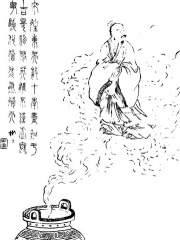
Gan Ji
RELIGIOUS FIGURE
101 - 200
HPI: 61.45
Plaats: 659
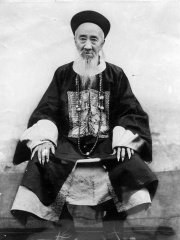
Zhang Zhidong
POLITICIAN
1837 - 1909
HPI: 61.44
Plaats: 660
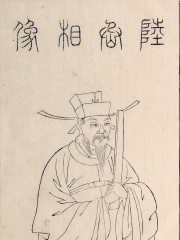
Lu Xiufu
POLITICIAN
1236 - 1279
HPI: 61.44
Plaats: 661
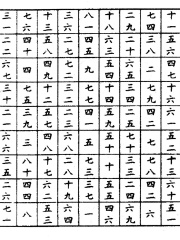
Yang Hui
MATHEMATICIAN
1238 - 1298
HPI: 61.42
Plaats: 662
Onder Politicus in China
Onder Politicus geboren in China staat Liu Penzi op plaats 357. Vóór hem staan Zheng Jing (1642), Sergei Stepashin (1952), He Long (1896), Bo Gu (1907), Zhu of Xia (null), en Choekyi Gyaltsen, 10th Panchen Lama (1938). Na hem komen Zhang Zhidong (1837), Lu Xiufu (1236), Emperor Xiaowu of Jin (362), Ho Feng-Shan (1901), Salchak Toka (1901), en Li Yu (937).
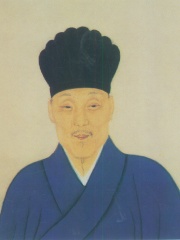
Zheng Jing
1642 - 1681
HPI: 61.77
Plaats: 351

Sergei Stepashin
1952 - heden
HPI: 61.76
Plaats: 352
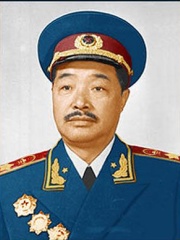
He Long
1896 - 1969
HPI: 61.74
Plaats: 353
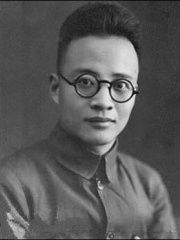
Bo Gu
1907 - 1946
HPI: 61.67
Plaats: 354
Zhu of Xia
HPI: 61.60
Plaats: 355
Choekyi Gyaltsen, 10th Panchen Lama
1938 - 1989
HPI: 61.52
Plaats: 356
Liu Penzi
11 - 100
HPI: 61.49
Plaats: 357
Zhang Zhidong
1837 - 1909
HPI: 61.44
Plaats: 358
Lu Xiufu
1236 - 1279
HPI: 61.44
Plaats: 359

Emperor Xiaowu of Jin
362 - 396
HPI: 61.40
Plaats: 360
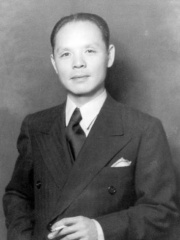
Ho Feng-Shan
1901 - 1997
HPI: 61.39
Plaats: 361
Salchak Toka
1901 - 1973
HPI: 61.07
Plaats: 362
Li Yu
937 - 978
HPI: 61.04
Plaats: 363




