Politicus
George Simion
1986 - heden
NL.WIKIPEDIA-PAGINAWEERGAVEN (PV)
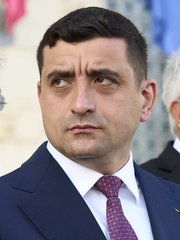

 George Simion
Zijn biografie is beschikbaar in 30 verschillende talen op Wikipedia. George Simion staat op plaats 13.060 onder de meest populaire politicus, plaats 292 onder de meest populaire biografieën uit Roemenië en op plaats 109 onder de populairste politicus uit Roemenië.
Bekendheidsstatistieken
220k
Paginaweergaven
Afgelopen 12 maanden
58.24
HPI
Historische populariteitsindex
Data-inzichten
21 sep
George Simion is jarig op dezelfde dag (21 september) als H. G. Wells, Abdul Hamid II en Girolamo Savonarola.
Paginaweergaven van George Simion per taal
Onder Politicus
Onder Politicus staat George Simion op plaats 13,054 van 19,576. Vóór hem staan Juan Carlos Varela, Carlos Prío Socarrás, Georg Friedrich, Prince of Prussia, Juan Mora Fernández, Saadet I Giray, en Emil Welti. Na hem komen Labotas, Álvaro Noboa, Sanya Dharmasakti, Marcus Vinicius, Boiorix, en Petrobey Mavromichalis.
Populairste Politicus op Wikipedia
Naar alle ranglijsten
Juan Carlos Varela
1963 - heden
HPI: 58.24
Plaats: 13,054
Carlos Prío Socarrás
1903 - 1977
HPI: 58.24
Plaats: 13,055
Georg Friedrich, Prince of Prussia
1976 - heden
HPI: 58.24
Plaats: 13,056
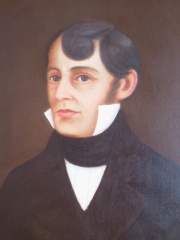
Juan Mora Fernández
1784 - 1854
HPI: 58.24
Plaats: 13,057

Saadet I Giray
1492 - 1538
HPI: 58.24
Plaats: 13,058
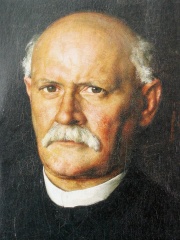
Emil Welti
1825 - 1899
HPI: 58.24
Plaats: 13,059
George Simion
1986 - heden
HPI: 58.24
Plaats: 13,060

Labotas
HPI: 58.24
Plaats: 13,061
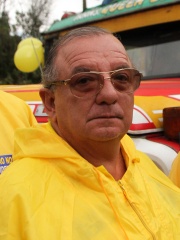
Álvaro Noboa
1950 - heden
HPI: 58.24
Plaats: 13,062
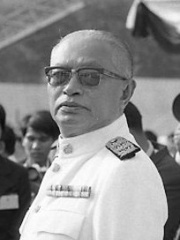
Sanya Dharmasakti
1907 - 2002
HPI: 58.24
Plaats: 13,063

Marcus Vinicius
HPI: 58.23
Plaats: 13,064

Boiorix
200 BC - 101 BC
HPI: 58.23
Plaats: 13,065
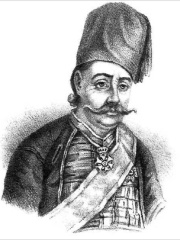
Petrobey Mavromichalis
1765 - 1848
HPI: 58.23
Plaats: 13,066

Tijdgenoten
Onder de mensen geboren in 1986 staat George Simion op plaats 48. Vóór hem staan Gabriel Boric, Park Min-young, Solange Knowles, Laura Fernández Delgado, Fahriye Evcen, en Shruti Haasan. Na hem komen Måns Zelmerlöw, Emmy Rossum, Betty Gilpin, Claudio Marchisio, Sebastian Kurz, en Sam Claflin.
Anderen geboren in 1986
Naar alle ranglijsten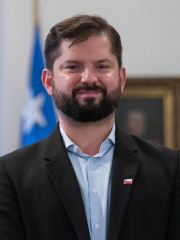
Gabriel Boric
POLITICIAN
1986 - heden
HPI: 59.20
Plaats: 42

Park Min-young
ACTOR
1986 - heden
HPI: 59.11
Plaats: 43

Solange Knowles
ACTOR
1986 - heden
HPI: 58.95
Plaats: 44
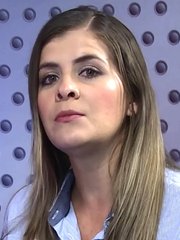
Laura Fernández Delgado
POLITICIAN
1986 - heden
HPI: 58.80
Plaats: 45
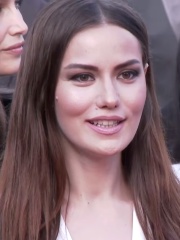
Fahriye Evcen
ACTOR
1986 - heden
HPI: 58.72
Plaats: 46

Shruti Haasan
ACTOR
1986 - heden
HPI: 58.64
Plaats: 47
George Simion
POLITICIAN
1986 - heden
HPI: 58.24
Plaats: 48
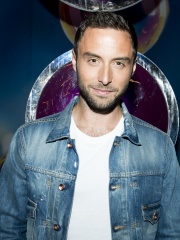
Måns Zelmerlöw
SINGER
1986 - heden
HPI: 58.18
Plaats: 49

Emmy Rossum
ACTOR
1986 - heden
HPI: 58.13
Plaats: 50
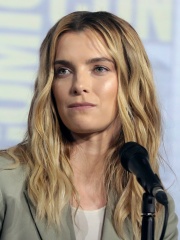
Betty Gilpin
ACTOR
1986 - heden
HPI: 58.08
Plaats: 51

Claudio Marchisio
SOCCER PLAYER
1986 - heden
HPI: 58.08
Plaats: 52

Sebastian Kurz
POLITICIAN
1986 - heden
HPI: 58.05
Plaats: 53

Sam Claflin
ACTOR
1986 - heden
HPI: 57.98
Plaats: 54
In Roemenië
Onder de mensen geboren in Roemenië staat George Simion op plaats 292 van 844. Vóór hem staan Constantin von Economo (1876), Dumitru Prunariu (1952), Lascăr Catargiu (1823), Victor Pițurcă (1956), Hermann Kusmanek von Burgneustädten (1860), en Nichita Stănescu (1933). Na hem komen Alexandru Marghiloman (1854), Florence Baker (1841), Zoltán Ozoray Schenker (1880), Alexandra Maria Lara (1978), Alexandru Todea (1912), en Emil Boc (1966).
Anderen geboren in Roemenië
Naar alle ranglijsten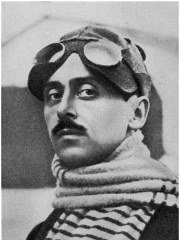
Constantin von Economo
PHYSICIAN
1876 - 1931
HPI: 58.49
Plaats: 286

Dumitru Prunariu
ASTRONAUT
1952 - heden
HPI: 58.49
Plaats: 287
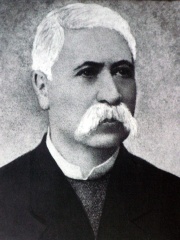
Lascăr Catargiu
POLITICIAN
1823 - 1899
HPI: 58.42
Plaats: 288

Victor Pițurcă
SOCCER PLAYER
1956 - heden
HPI: 58.40
Plaats: 289
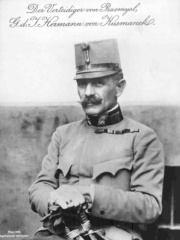
Hermann Kusmanek von Burgneustädten
MILITARY PERSONNEL
1860 - 1934
HPI: 58.39
Plaats: 290
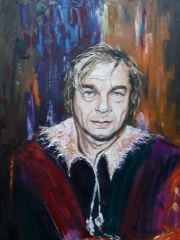
Nichita Stănescu
WRITER
1933 - 1983
HPI: 58.30
Plaats: 291
George Simion
POLITICIAN
1986 - heden
HPI: 58.24
Plaats: 292
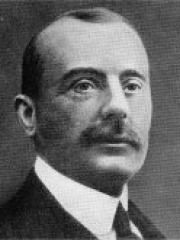
Alexandru Marghiloman
POLITICIAN
1854 - 1925
HPI: 58.20
Plaats: 293
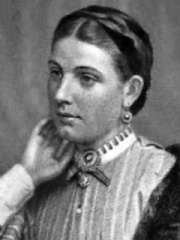
Florence Baker
EXPLORER
1841 - 1916
HPI: 58.17
Plaats: 294
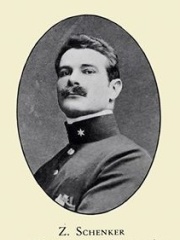
Zoltán Ozoray Schenker
FENCER
1880 - 1966
HPI: 58.11
Plaats: 295
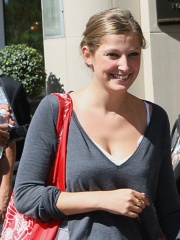
Alexandra Maria Lara
ACTOR
1978 - heden
HPI: 58.07
Plaats: 296

Alexandru Todea
RELIGIOUS FIGURE
1912 - 2002
HPI: 58.05
Plaats: 297
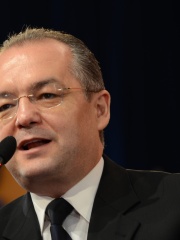
Emil Boc
POLITICIAN
1966 - heden
HPI: 57.99
Plaats: 298
Onder Politicus in Roemenië
Onder Politicus geboren in Roemenië staat George Simion op plaats 109. Vóór hem staan Victor Ponta (1972), Gheorghe Grigore Cantacuzino (1832), Corneliu Vadim Tudor (1949), Patriarch Miron of Romania (1868), Ludovic Orban (1963), en Lascăr Catargiu (1823). Na hem komen Alexandru Marghiloman (1854), Emil Boc (1966), Gheorghe Apostol (1913), Ion Gigurtu (1886), Barbu Catargiu (1807), en Viorica Dăncilă (1963).
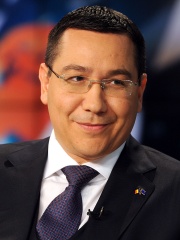
Victor Ponta
1972 - heden
HPI: 58.63
Plaats: 103
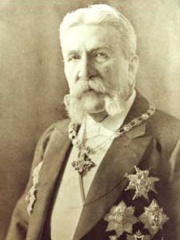
Gheorghe Grigore Cantacuzino
1832 - 1913
HPI: 58.57
Plaats: 104
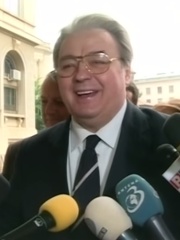
Corneliu Vadim Tudor
1949 - 2015
HPI: 58.54
Plaats: 105
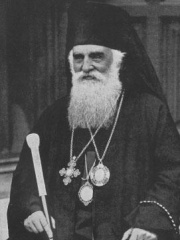
Patriarch Miron of Romania
1868 - 1939
HPI: 58.53
Plaats: 106
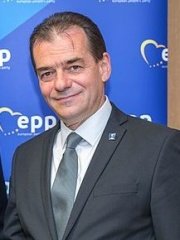
Ludovic Orban
1963 - heden
HPI: 58.53
Plaats: 107
Lascăr Catargiu
1823 - 1899
HPI: 58.42
Plaats: 108
George Simion
1986 - heden
HPI: 58.24
Plaats: 109
Alexandru Marghiloman
1854 - 1925
HPI: 58.20
Plaats: 110
Emil Boc
1966 - heden
HPI: 57.99
Plaats: 111
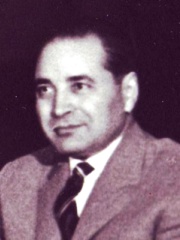
Gheorghe Apostol
1913 - 2010
HPI: 57.93
Plaats: 112
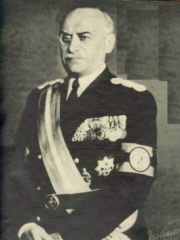
Ion Gigurtu
1886 - 1959
HPI: 57.87
Plaats: 113
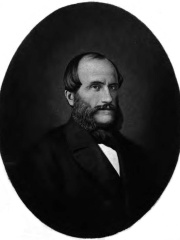
Barbu Catargiu
1807 - 1862
HPI: 57.85
Plaats: 114
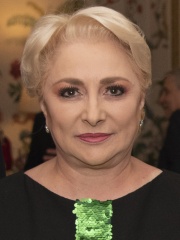
Viorica Dăncilă
1963 - heden
HPI: 57.84
Plaats: 115




