Политик
Petre Roman
1946 - настоящее время
RU.WIKIPEDIA PAGE VIEWS (PV)
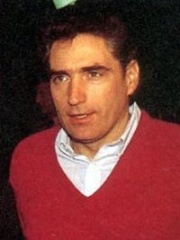
 Petre Roman
Его биография доступна на 33 различных языках в Википедии. Petre Roman занимает 6031-е место среди самых популярных политик (рост с 6809-е места в 2024 году), занимает 104-е место среди самых популярных биографий из Румынии (рост с 115-е места в 2019 году) и занимает 47-е место среди политик Румыния.
Memorability Metrics
76k
Page Views
Past 12 months
65.27
HPI
Historical Popularity Index
Page views of Petre Roman by language
Among Политик
Among политик, Petre Roman ranks 6,029 out of 19,576. Before him are Alparslan Türkeş, Emperor Hanazono, Thorbjörn Fälldin, Sultan Satuq Bughra Khan, Grand Duke Nicholas Mikhailovich of Russia, and Richard Glücks. After him are Peter II, Duke of Bourbon, Bolesław V the Chaste, Malcolm II of Scotland, Herman VI, Margrave of Baden, Acamas, and Prince Adolphus, Duke of Cambridge.
Most Popular Политик in Wikipedia
Go to all Rankings
Alparslan Türkeş
1917 - 1997
HPI: 65.27
Rank: 6,025

Emperor Hanazono
1297 - 1348
HPI: 65.27
Rank: 6,026

Thorbjörn Fälldin
1926 - 2016
HPI: 65.27
Rank: 6,027

Sultan Satuq Bughra Khan
895 - Present
HPI: 65.27
Rank: 6,028
Grand Duke Nicholas Mikhailovich of Russia
1859 - 1919
HPI: 65.27
Rank: 6,029
Richard Glücks
1889 - 1945
HPI: 65.27
Rank: 6,030
Petre Roman
1946 - Present
HPI: 65.27
Rank: 6,031
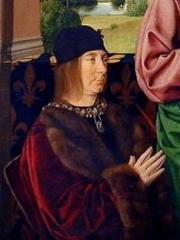
Peter II, Duke of Bourbon
1438 - 1503
HPI: 65.27
Rank: 6,032
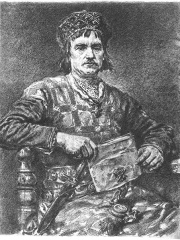
Bolesław V the Chaste
1226 - 1279
HPI: 65.27
Rank: 6,033
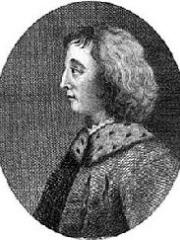
Malcolm II of Scotland
954 - 1034
HPI: 65.26
Rank: 6,034
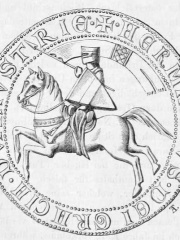
Herman VI, Margrave of Baden
1226 - 1250
HPI: 65.26
Rank: 6,035
Acamas
HPI: 65.26
Rank: 6,036
Prince Adolphus, Duke of Cambridge
1774 - 1850
HPI: 65.26
Rank: 6,037

Contemporaries
Among people born in 1946, Petre Roman ranks 157. Before him are Rita Marley, Yusuke Omi, Martin Kove, Riccardo Cocciante, Bigas Luna, and Andrew Davis. After him are Norio Yoshimizu, Artur Jorge, Fancy, Robby Krieger, Gustavo Gaviria, and Aziz Sancar.
Others Born in 1946
Go to all Rankings
Rita Marley
SINGER
1946 - Present
HPI: 65.58
Rank: 151

Yusuke Omi
SOCCER PLAYER
1946 - Present
HPI: 65.52
Rank: 152
Martin Kove
ACTOR
1946 - Present
HPI: 65.45
Rank: 153
Riccardo Cocciante
MUSICIAN
1946 - Present
HPI: 65.44
Rank: 154
Bigas Luna
FILM DIRECTOR
1946 - 2013
HPI: 65.40
Rank: 155

Andrew Davis
FILM DIRECTOR
1946 - Present
HPI: 65.36
Rank: 156
Petre Roman
POLITICIAN
1946 - Present
HPI: 65.27
Rank: 157

Norio Yoshimizu
SOCCER PLAYER
1946 - Present
HPI: 65.19
Rank: 158
Artur Jorge
SOCCER PLAYER
1946 - 2024
HPI: 65.14
Rank: 159

Fancy
SINGER
1946 - Present
HPI: 65.13
Rank: 160

Robby Krieger
MUSICIAN
1946 - Present
HPI: 65.10
Rank: 161
Gustavo Gaviria
MAFIOSO
1946 - 1990
HPI: 65.06
Rank: 162
Aziz Sancar
CHEMIST
1946 - Present
HPI: 65.05
Rank: 163
In Румыния
Among people born in Румыния, Petre Roman ranks 104 out of NaN. Before him are Pertevniyal Sultan (1812), Princess Ileana of Romania (1909), Prince Nicholas of Romania (1903), Ion Gheorghe Maurer (1902), Endre Ady (1877), and Michael I Apafi (1632). After him are Andrew Báthory (1563), Károly Kerényi (1897), Călin Georgescu (1962), Mundzuk (368), Christopher Báthory (1530), and Vladimir Cosma (1940).
Others born in Румыния
Go to all Rankings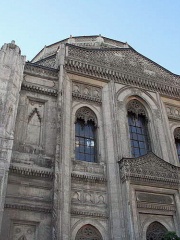
Pertevniyal Sultan
POLITICIAN
1812 - 1883
HPI: 65.62
Rank: 98

Princess Ileana of Romania
COMPANION
1909 - 1991
HPI: 65.54
Rank: 99
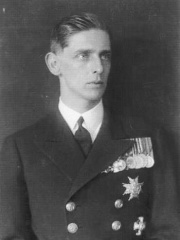
Prince Nicholas of Romania
NOBLEMAN
1903 - 1978
HPI: 65.47
Rank: 100
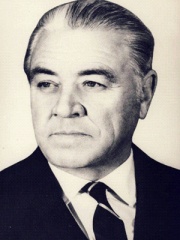
Ion Gheorghe Maurer
POLITICIAN
1902 - 2000
HPI: 65.44
Rank: 101

Endre Ady
JOURNALIST
1877 - 1919
HPI: 65.35
Rank: 102
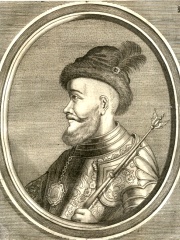
Michael I Apafi
POLITICIAN
1632 - 1690
HPI: 65.31
Rank: 103
Petre Roman
POLITICIAN
1946 - Present
HPI: 65.27
Rank: 104

Andrew Báthory
POLITICIAN
1563 - 1599
HPI: 65.25
Rank: 105
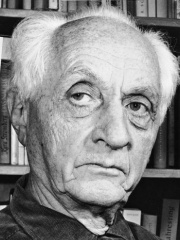
Károly Kerényi
WRITER
1897 - 1973
HPI: 65.15
Rank: 106
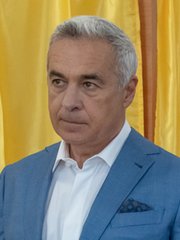
Călin Georgescu
POLITICIAN
1962 - Present
HPI: 64.81
Rank: 107

Mundzuk
POLITICIAN
368 - 434
HPI: 64.79
Rank: 108
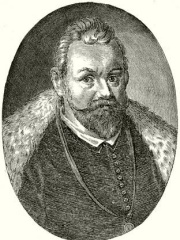
Christopher Báthory
POLITICIAN
1530 - 1581
HPI: 64.62
Rank: 109
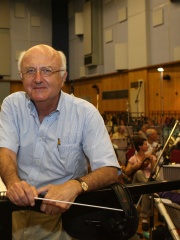
Vladimir Cosma
COMPOSER
1940 - Present
HPI: 64.62
Rank: 110
Among Политик In Румыния
Among политик born in Румыния, Petre Roman ranks 47. Before him are Countess Claudine Rhédey von Kis-Rhéde (1812), Nicolae Iorga (1871), László Tőkés (1952), Pertevniyal Sultan (1812), Ion Gheorghe Maurer (1902), and Michael I Apafi (1632). After him are Andrew Báthory (1563), Călin Georgescu (1962), Mundzuk (368), Christopher Báthory (1530), Vlad Călugărul (1425), and Armand Călinescu (1893).
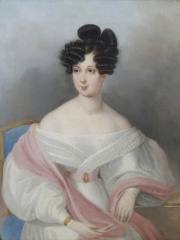
Countess Claudine Rhédey von Kis-Rhéde
1812 - 1841
HPI: 66.33
Rank: 41
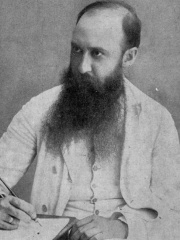
Nicolae Iorga
1871 - 1940
HPI: 66.00
Rank: 42
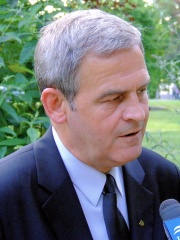
László Tőkés
1952 - Present
HPI: 65.73
Rank: 43
Pertevniyal Sultan
1812 - 1883
HPI: 65.62
Rank: 44
Ion Gheorghe Maurer
1902 - 2000
HPI: 65.44
Rank: 45
Michael I Apafi
1632 - 1690
HPI: 65.31
Rank: 46
Petre Roman
1946 - Present
HPI: 65.27
Rank: 47
Andrew Báthory
1563 - 1599
HPI: 65.25
Rank: 48
Călin Georgescu
1962 - Present
HPI: 64.81
Rank: 49
Mundzuk
368 - 434
HPI: 64.79
Rank: 50
Christopher Báthory
1530 - 1581
HPI: 64.62
Rank: 51
Vlad Călugărul
1425 - 1495
HPI: 64.21
Rank: 52
Armand Călinescu
1893 - 1939
HPI: 63.90
Rank: 53




