Religieuze figuur
Chrodegang
715 - 766
NL.WIKIPEDIA-PAGINAWEERGAVEN (PV)
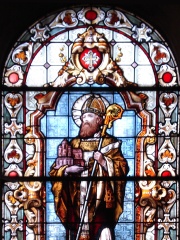
 Chrodegang
Zijn biografie is beschikbaar in 19 verschillende talen op Wikipedia (toegenomen van 18 in 2024). Chrodegang staat op plaats 1.453 onder de meest populaire religieuze figuur (gestegen van plaats 1.587 in 2024), plaats 261 onder de meest populaire biografieën uit België (gestegen van plaats 332 in 2019) en op plaats 10 onder de populairste religieuze figuur uit België.
Bekendheidsstatistieken
16k
Paginaweergaven
Afgelopen 12 maanden
63.64
HPI
Historische populariteitsindex
Data-inzichten
+4,243
Chrodegang steeg 4,243 plaatsen in de wereldwijde HPI-ranglijst van Pantheon, van plaats 27,521 naar 23,299.
Paginaweergaven van Chrodegang per taal
Onder Religieuze figuur
Onder Religieuze figuur staat Chrodegang op plaats 1,453 van 3,189. Vóór hem staan Macrina the Younger, Al-Allama al-Hilli, John Eudes, Khabbab ibn al-Aratt, Sebastiano Baggio, en Theodosius the Cenobiarch. Na hem komen Marcellin Champagnat, Abbé Faria, Clemens August of Bavaria, Beatrice of Silva, Isaac of Armenia, en Cyril Lucaris.
Populairste Religieuze figuur op Wikipedia
Naar alle ranglijsten
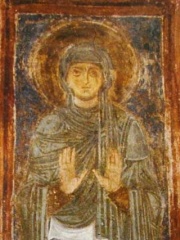
Macrina the Younger
324 - 379
HPI: 63.66
Plaats: 1,447

Al-Allama al-Hilli
1250 - 1325
HPI: 63.65
Plaats: 1,448
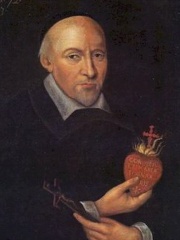
John Eudes
1601 - 1680
HPI: 63.65
Plaats: 1,449

Khabbab ibn al-Aratt
587 - 658
HPI: 63.65
Plaats: 1,450
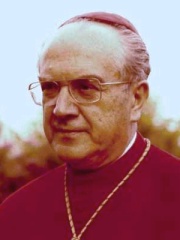
Sebastiano Baggio
1913 - 1993
HPI: 63.65
Plaats: 1,451
Theodosius the Cenobiarch
424 - 529
HPI: 63.64
Plaats: 1,452
Chrodegang
715 - 766
HPI: 63.64
Plaats: 1,453
Marcellin Champagnat
1789 - 1840
HPI: 63.64
Plaats: 1,454
Abbé Faria
1756 - 1819
HPI: 63.63
Plaats: 1,455
Clemens August of Bavaria
1700 - 1761
HPI: 63.63
Plaats: 1,456
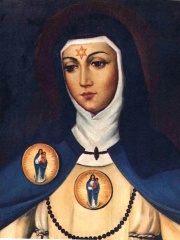
Beatrice of Silva
1424 - 1492
HPI: 63.62
Plaats: 1,457
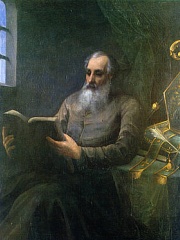
Isaac of Armenia
338 - 439
HPI: 63.62
Plaats: 1,458
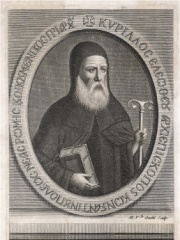
Cyril Lucaris
1572 - 1638
HPI: 63.62
Plaats: 1,459

Tijdgenoten
Onder de mensen geboren in 715 staat Chrodegang op plaats 4. Vóór hem staan Pepin the Short, Pope Stephen II, en Favila of Asturias. Na hem komen Marina the Monk, Anan ben David, en Hiltrud. Onder de mensen overleden in 766 staat Chrodegang op plaats 1. Na hem komen Sabin of Bulgaria, en Umor of Bulgaria.
Anderen geboren in 715
Naar alle ranglijsten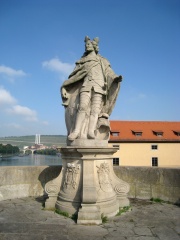
Pepin the Short
POLITICIAN
715 - 768
HPI: 83.38
Plaats: 1
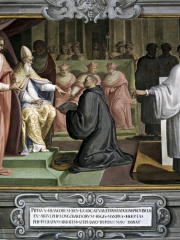
Pope Stephen II
RELIGIOUS FIGURE
715 - 757
HPI: 74.00
Plaats: 2
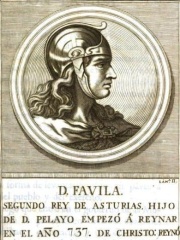
Favila of Asturias
POLITICIAN
715 - 739
HPI: 66.32
Plaats: 3
Chrodegang
RELIGIOUS FIGURE
715 - 766
HPI: 63.64
Plaats: 4
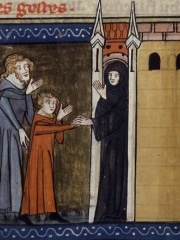
Marina the Monk
RELIGIOUS FIGURE
715 - 750
HPI: 62.24
Plaats: 5

Anan ben David
RELIGIOUS FIGURE
715 - 795
HPI: 61.26
Plaats: 6

Hiltrud
POLITICIAN
715 - 754
HPI: 60.54
Plaats: 7
Anderen overleden in 766
Naar alle ranglijstenChrodegang
RELIGIOUS FIGURE
715 - 766
HPI: 63.64
Plaats: 1

Sabin of Bulgaria
POLITICIAN
800 - 766
HPI: 61.86
Plaats: 2

Umor of Bulgaria
POLITICIAN
800 - 766
HPI: 61.34
Plaats: 3
In België
Onder de mensen geboren in België staat Chrodegang op plaats 261 van 1,454. Vóór hem staan Justus van Gent (1430), Erasmus Quellinus the Younger (1607), Thierry Boutsen (1957), Rik Van Steenbergen (1924), Jean Absil (1893), en Jodocus Hondius (1563). Na hem komen Clemens August of Bavaria (1700), Eden Hazard (1991), Justus Sustermans (1597), Jean Rey (1902), Willy Claes (1938), en Jan Fyt (1611).
Anderen geboren in België
Naar alle ranglijsten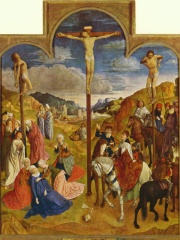
Justus van Gent
PAINTER
1430 - 1480
HPI: 63.83
Plaats: 255
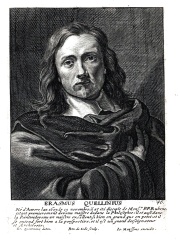
Erasmus Quellinus the Younger
PAINTER
1607 - 1678
HPI: 63.83
Plaats: 256
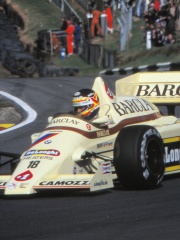
Thierry Boutsen
RACING DRIVER
1957 - heden
HPI: 63.75
Plaats: 257

Rik Van Steenbergen
CYCLIST
1924 - 2003
HPI: 63.74
Plaats: 258
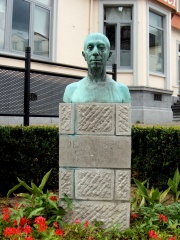
Jean Absil
COMPOSER
1893 - 1974
HPI: 63.67
Plaats: 259
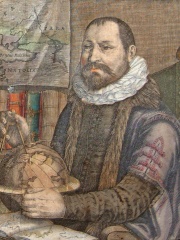
Jodocus Hondius
GEOGRAPHER
1563 - 1612
HPI: 63.65
Plaats: 260
Chrodegang
RELIGIOUS FIGURE
715 - 766
HPI: 63.64
Plaats: 261
Clemens August of Bavaria
RELIGIOUS FIGURE
1700 - 1761
HPI: 63.63
Plaats: 262
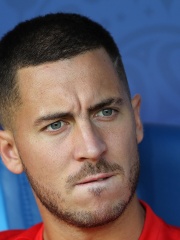
Eden Hazard
SOCCER PLAYER
1991 - heden
HPI: 63.62
Plaats: 263
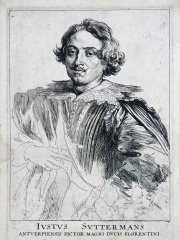
Justus Sustermans
PAINTER
1597 - 1681
HPI: 63.60
Plaats: 264
Jean Rey
POLITICIAN
1902 - 1983
HPI: 63.59
Plaats: 265
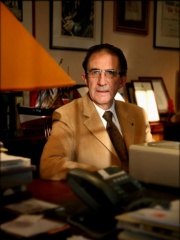
Willy Claes
POLITICIAN
1938 - heden
HPI: 63.57
Plaats: 266
Jan Fyt
PAINTER
1611 - 1661
HPI: 63.50
Plaats: 267
Onder Religieuze figuur in België
Onder Religieuze figuur geboren in België staat Chrodegang op plaats 10. Vóór hem staan Bavo of Ghent (589), Gudula (646), Juliana of Liège (1193), Begga (615), Lutgardis (1182), en Jozef De Kesel (1947). Na hem komen Clemens August of Bavaria (1700), William of St-Thierry (1085), Adalard of Corbie (751), John Berchmans (1599), Rimbert (830), en Désiré-Joseph Mercier (1851).
Bavo of Ghent
589 - 654
HPI: 67.91
Plaats: 4
Gudula
646 - heden
HPI: 66.39
Plaats: 5
Juliana of Liège
1193 - 1258
HPI: 65.77
Plaats: 6
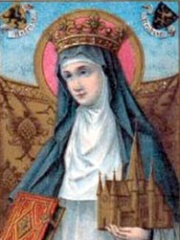
Begga
615 - 693
HPI: 65.29
Plaats: 7
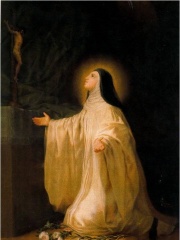
Lutgardis
1182 - 1246
HPI: 64.88
Plaats: 8
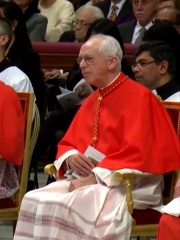
Jozef De Kesel
1947 - heden
HPI: 64.65
Plaats: 9
Chrodegang
715 - 766
HPI: 63.64
Plaats: 10
Clemens August of Bavaria
1700 - 1761
HPI: 63.63
Plaats: 11
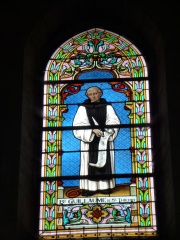
William of St-Thierry
1085 - 1148
HPI: 63.49
Plaats: 12
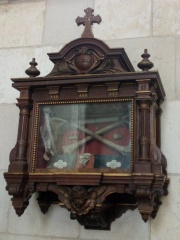
Adalard of Corbie
751 - 827
HPI: 63.35
Plaats: 13
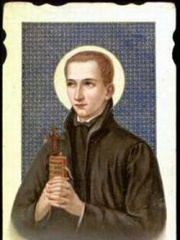
John Berchmans
1599 - 1621
HPI: 63.18
Plaats: 14

Rimbert
830 - 888
HPI: 63.09
Plaats: 15
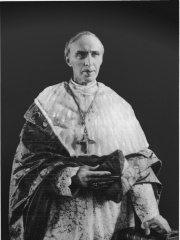
Désiré-Joseph Mercier
1851 - 1926
HPI: 62.56
Plaats: 16




