政治家
セリム2世
1524 - 1574
JA.WIKIPEDIA ページビュー (PV)
 セリム2世
セリム2世知名度指標
1.8M
ページビュー
過去12か月
85.83
HPI
歴史的人気指数
データインサイト
セリム2世の言語別ページビュー
政治家の中で
政治家の中で、セリム2世は19,576人中112位です。 彼より上位:Franklin D. Roosevelt, Benjamin Franklin, Edward V of England, Fidel Castro, Trajan, 、Frederick I, Holy Roman Emperor. 彼より下位:Frederick the Great, Francisco Franco, Justinian I, Angela Merkel, Nikita Khrushchev, 、Muammar Gaddafi.
ウィキペディアで最も人気のある政治家
すべてのランキングを見る
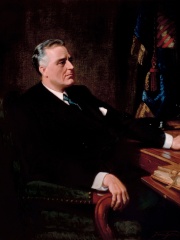
Franklin D. Roosevelt
1882 - 1945
HPI: 85.92
順位: 106
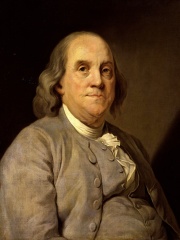
Benjamin Franklin
1706 - 1790
HPI: 85.90
順位: 107
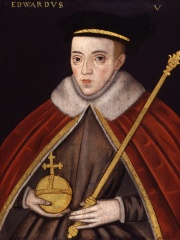
Edward V of England
1470 - 1483
HPI: 85.88
順位: 108

Fidel Castro
1926 - 2016
HPI: 85.86
順位: 109
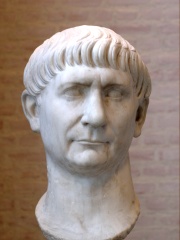
Trajan
53 - 117
HPI: 85.85
順位: 110
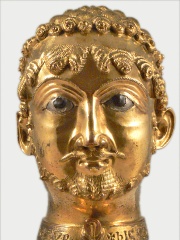
Frederick I, Holy Roman Emperor
1122 - 1190
HPI: 85.83
順位: 111
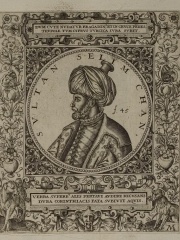
Selim II
1524 - 1574
HPI: 85.83
順位: 112
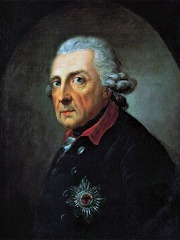
Frederick the Great
1712 - 1786
HPI: 85.80
順位: 113
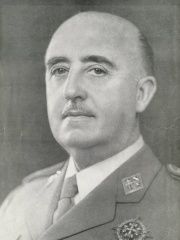
Francisco Franco
1892 - 1975
HPI: 85.72
順位: 114
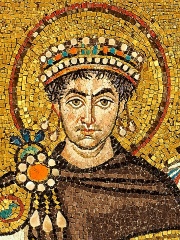
Justinian I
482 - 565
HPI: 85.69
順位: 115
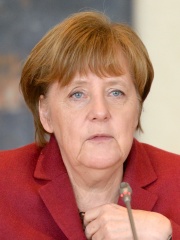
Angela Merkel
1954 - 現在
HPI: 85.63
順位: 116
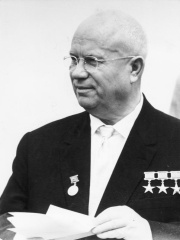
Nikita Khrushchev
1894 - 1971
HPI: 85.59
順位: 117
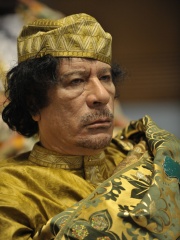
Muammar Gaddafi
1942 - 2011
HPI: 85.50
順位: 118

同時代の人物
1524年生まれの人の中で、セリム2世は1位です。 彼より下位:Luís de Camões, Pierre de Ronsard, Elizabeth of Denmark, Duchess of Mecklenburg, Ottavio Farnese, Duke of Parma, Charles, Cardinal of Lorraine, Louise Labé, Joseph Nasi, Diego de Landa, Philip de Montmorency, Count of Horn, François Hotman, 、Plautilla Nelli. 1574年に亡くなった人の中で、セリム2世は1位です。 彼より下位:Giorgio Vasari, Charles IX of France, Cosimo I de' Medici, Grand Duke of Tuscany, Georg Joachim Rheticus, Renée of France, Bartolomeo Eustachi, Margaret of France, Duchess of Berry, Maarten van Heemskerck, Charles, Cardinal of Lorraine, Marie of Cleves, Princess of Condé, 、Ebussuud Efendi.
1524年生まれのその他の人物
すべてのランキングを見るSelim II
POLITICIAN
1524 - 1574
HPI: 85.83
順位: 1
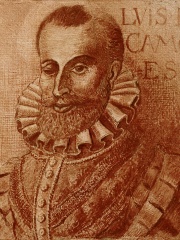
Luís de Camões
WRITER
1524 - 1580
HPI: 78.20
順位: 2
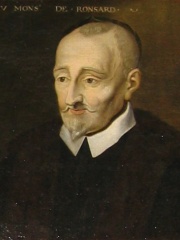
Pierre de Ronsard
WRITER
1524 - 1585
HPI: 72.37
順位: 3

Elizabeth of Denmark, Duchess of Mecklenburg
NOBLEMAN
1524 - 1586
HPI: 68.73
順位: 4
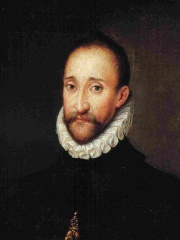
Ottavio Farnese, Duke of Parma
POLITICIAN
1524 - 1586
HPI: 68.34
順位: 5
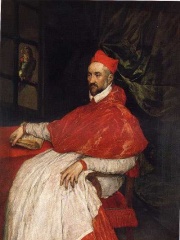
Charles, Cardinal of Lorraine
POLITICIAN
1524 - 1574
HPI: 66.05
順位: 6
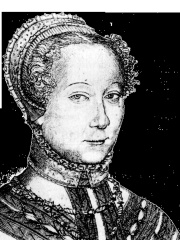
Louise Labé
WRITER
1524 - 1566
HPI: 65.66
順位: 7

Joseph Nasi
POLITICIAN
1524 - 1579
HPI: 64.94
順位: 8
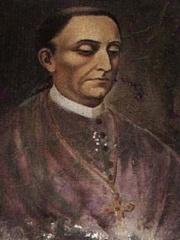
Diego de Landa
RELIGIOUS FIGURE
1524 - 1579
HPI: 64.80
順位: 9
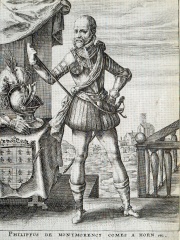
Philip de Montmorency, Count of Horn
POLITICIAN
1524 - 1568
HPI: 64.43
順位: 10
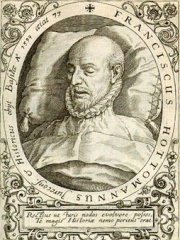
François Hotman
WRITER
1524 - 1590
HPI: 62.96
順位: 11
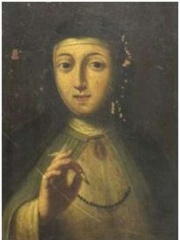
Plautilla Nelli
PAINTER
1524 - 1588
HPI: 61.83
順位: 12
1574年に亡くなったその他の人物
すべてのランキングを見るSelim II
POLITICIAN
1524 - 1574
HPI: 85.83
順位: 1
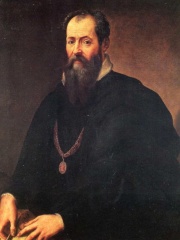
Giorgio Vasari
WRITER
1511 - 1574
HPI: 82.06
順位: 2
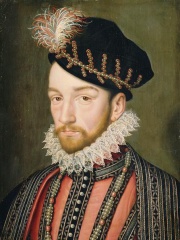
Charles IX of France
POLITICIAN
1550 - 1574
HPI: 80.43
順位: 3

Cosimo I de' Medici, Grand Duke of Tuscany
POLITICIAN
1519 - 1574
HPI: 78.12
順位: 4
Georg Joachim Rheticus
GEOGRAPHER
1514 - 1574
HPI: 70.31
順位: 5
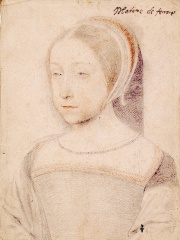
Renée of France
POLITICIAN
1510 - 1574
HPI: 70.19
順位: 6
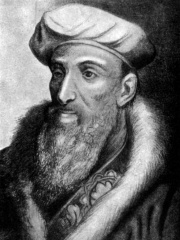
Bartolomeo Eustachi
POLITICIAN
1500 - 1574
HPI: 69.44
順位: 7
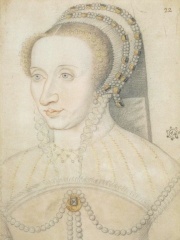
Margaret of France, Duchess of Berry
POLITICIAN
1523 - 1574
HPI: 67.91
順位: 8

Maarten van Heemskerck
PAINTER
1498 - 1574
HPI: 67.62
順位: 9
Charles, Cardinal of Lorraine
POLITICIAN
1524 - 1574
HPI: 66.05
順位: 10

Marie of Cleves, Princess of Condé
COMPANION
1553 - 1574
HPI: 63.89
順位: 11

Ebussuud Efendi
RELIGIOUS FIGURE
1490 - 1574
HPI: 63.89
順位: 12
トルコの中で
トルコ生まれの人の中で、セリム2世は1,347人中13位です。 彼より上位:Diogenes (-404), Saint Nicholas (270), Saint George (280), Osman I (1254), Hesiod (-800), 、Julian (331). 彼より下位:Helena (250), Galen (129), Basil II (958), Selim I (1470), Murad II (1404), 、Strabo (-64).
トルコ生まれのその他の人物
すべてのランキングを見る
Diogenes
PHILOSOPHER
404 BC - 322 BC
HPI: 88.38
順位: 7
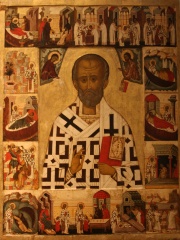
Saint Nicholas
RELIGIOUS FIGURE
270 - 342
HPI: 88.17
順位: 8
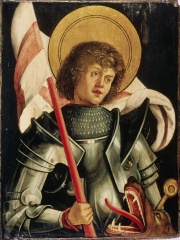
Saint George
RELIGIOUS FIGURE
280 - 303
HPI: 87.57
順位: 9
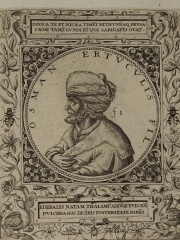
Osman I
POLITICIAN
1254 - 1327
HPI: 87.41
順位: 10
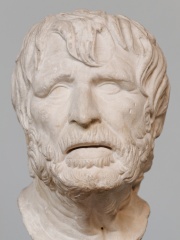
Hesiod
WRITER
800 BC - 700 BC
HPI: 86.72
順位: 11
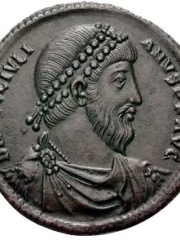
Julian
POLITICIAN
331 - 363
HPI: 85.95
順位: 12
Selim II
POLITICIAN
1524 - 1574
HPI: 85.83
順位: 13
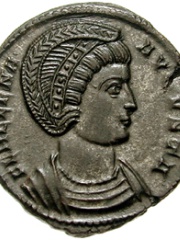
Helena
COMPANION
250 - 330
HPI: 85.76
順位: 14
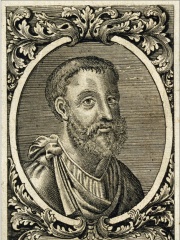
Galen
PHYSICIAN
129 - 215
HPI: 85.73
順位: 15
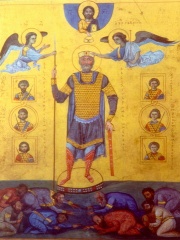
Basil II
POLITICIAN
958 - 1025
HPI: 85.33
順位: 16
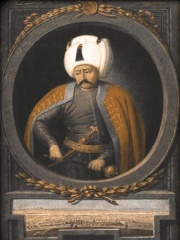
Selim I
POLITICIAN
1470 - 1520
HPI: 85.13
順位: 17
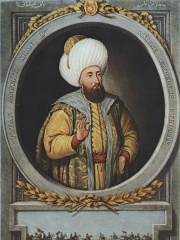
Murad II
POLITICIAN
1404 - 1451
HPI: 84.67
順位: 18
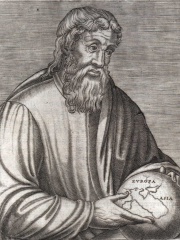
Strabo
GEOGRAPHER
64 BC - 23
HPI: 84.37
順位: 19
トルコの政治家の中で
トルコ生まれの政治家の中で、セリム2世は5位です。 彼より上位:Suleiman the Magnificent (1494), Mehmed the Conqueror (1432), Osman I (1254), 、Julian (331). 彼より下位:Basil II (958), Selim I (1470), Murad II (1404), Murad III (1546), Ahmed I (1590), Honorius (384), 、Bayezid I (1354).
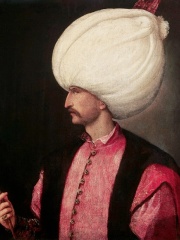
Suleiman the Magnificent
1494 - 1566
HPI: 91.58
順位: 1
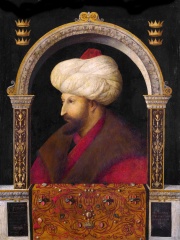
Mehmed the Conqueror
1432 - 1481
HPI: 89.49
順位: 2
Osman I
1254 - 1327
HPI: 87.41
順位: 3
Julian
331 - 363
HPI: 85.95
順位: 4
Selim II
1524 - 1574
HPI: 85.83
順位: 5
Basil II
958 - 1025
HPI: 85.33
順位: 6
Selim I
1470 - 1520
HPI: 85.13
順位: 7
Murad II
1404 - 1451
HPI: 84.67
順位: 8
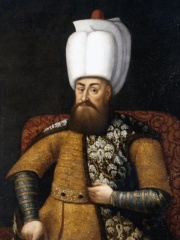
Murad III
1546 - 1595
HPI: 84.29
順位: 9
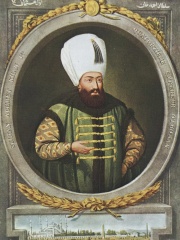
Ahmed I
1590 - 1617
HPI: 84.23
順位: 10
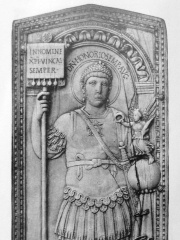
Honorius
384 - 423
HPI: 83.72
順位: 11
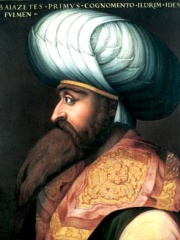
Bayezid I
1354 - 1403
HPI: 83.62
順位: 12




