政治家
ロベール2世 (フランス王)
972 - 1031
JA.WIKIPEDIA ページビュー (PV)
 ロベール2世 (フランス王)
知名度指標
290k
ページビュー
過去12か月
76.37
HPI
歴史的人気指数
データインサイト
ロベール2世 (フランス王)の言語別ページビュー
政治家の中で
政治家の中で、ロベール2世 (フランス王)は20,022人中894位です。 彼より上位:Karl Liebknecht, Gallienus, Horace Walpole, Vidkun Quisling, John A. Macdonald, 、Vigdís Finnbogadóttir. 彼より下位:Imad ad-Din Zengi, Lothair II, Holy Roman Emperor, Ptolemy IV Philopator, Lee Myung-bak, Gaius Octavius, 、Zine El Abidine Ben Ali.
ウィキペディアで最も人気のある政治家
すべてのランキングを見る
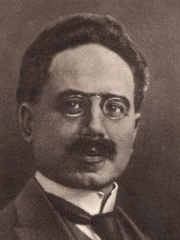
Karl Liebknecht
1871 - 1919
HPI: 76.39
順位: 888
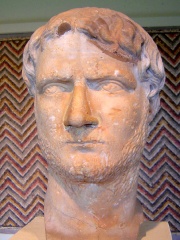
Gallienus
218 - 268
HPI: 76.39
順位: 889
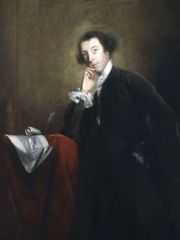
Horace Walpole
1717 - 1797
HPI: 76.39
順位: 890
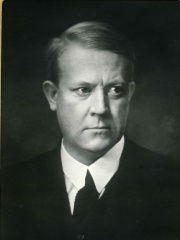
Vidkun Quisling
1887 - 1945
HPI: 76.38
順位: 891
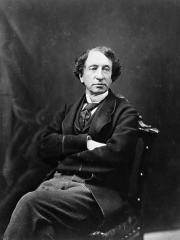
John A. Macdonald
1815 - 1891
HPI: 76.38
順位: 892
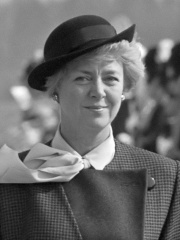
Vigdís Finnbogadóttir
1930 - 現在
HPI: 76.38
順位: 893
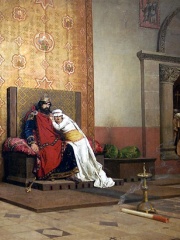
Robert II of France
972 - 1031
HPI: 76.37
順位: 894
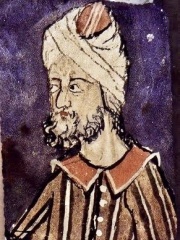
Imad ad-Din Zengi
1087 - 1146
HPI: 76.37
順位: 895
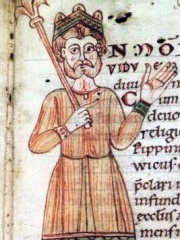
Lothair II, Holy Roman Emperor
1075 - 1137
HPI: 76.35
順位: 896
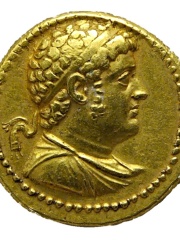
Ptolemy IV Philopator
244 BC - 205 BC
HPI: 76.35
順位: 897

Lee Myung-bak
1941 - 現在
HPI: 76.35
順位: 898
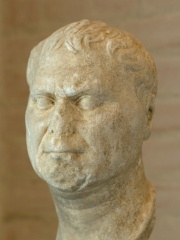
Gaius Octavius
100 BC - 58 BC
HPI: 76.35
順位: 899

Zine El Abidine Ben Ali
1936 - 2019
HPI: 76.34
順位: 900

同時代の人物
972年生まれの人の中で、ロベール2世 (フランス王)は2位です。 彼より上位:Pope Gregory V. 彼より下位:Emperor Shengzong of Liao, Ermesinde of Carcassonne, Ramon Borrell, Count of Barcelona, 、Thorvald Eiriksson. 1031年に亡くなった人の中で、ロベール2世 (フランス王)は1位です。 彼より下位:Hyeonjong of Goryeo, Saint Emeric of Hungary, Emperor Shengzong of Liao, Al-Qadir, 、Gunnor.
972年生まれのその他の人物
すべてのランキングを見る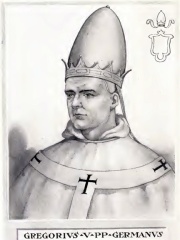
Pope Gregory V
RELIGIOUS FIGURE
972 - 999
HPI: 78.20
順位: 1
Robert II of France
POLITICIAN
972 - 1031
HPI: 76.37
順位: 2

Emperor Shengzong of Liao
POLITICIAN
972 - 1031
HPI: 66.20
順位: 3
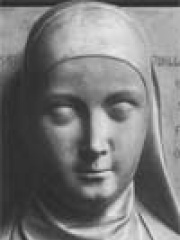
Ermesinde of Carcassonne
POLITICIAN
972 - 1058
HPI: 63.45
順位: 4
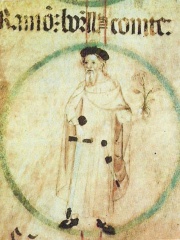
Ramon Borrell, Count of Barcelona
NOBLEMAN
972 - 1017
HPI: 61.86
順位: 5
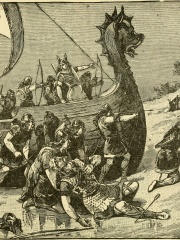
Thorvald Eiriksson
EXPLORER
972 - 1006
HPI: 61.12
順位: 6
1031年に亡くなったその他の人物
すべてのランキングを見るRobert II of France
POLITICIAN
972 - 1031
HPI: 76.37
順位: 1

Hyeonjong of Goryeo
POLITICIAN
992 - 1031
HPI: 67.50
順位: 2
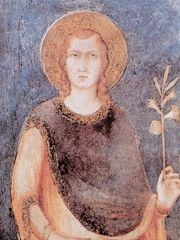
Saint Emeric of Hungary
RELIGIOUS FIGURE
1000 - 1031
HPI: 67.21
順位: 3
Emperor Shengzong of Liao
POLITICIAN
972 - 1031
HPI: 66.20
順位: 4
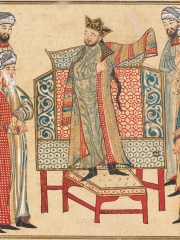
Al-Qadir
POLITICIAN
947 - 1031
HPI: 65.79
順位: 5
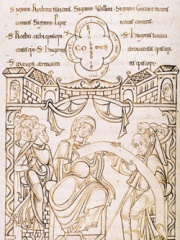
Gunnor
POLITICIAN
950 - 1031
HPI: 63.49
順位: 6
フランスの中で
フランス生まれの人の中で、ロベール2世 (フランス王)は7,658人中308位です。 彼より上位:Urbain Le Verrier (1811), Claude Lorrain (1600), Oscar I of Sweden (1799), Charles Louis Alphonse Laveran (1845), Victor Grignard (1871), 、Gilles de Rais (1405). 彼より下位:Josquin des Prez (1450), Raynald of Châtillon (1123), Jean Gabin (1904), Louis Antoine, Duke of Angoulême (1775), Germaine de Staël (1766), 、Philippe I, Duke of Orléans (1640).
フランス生まれのその他の人物
すべてのランキングを見る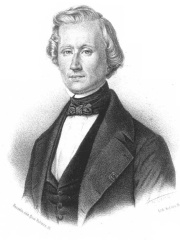
Urbain Le Verrier
MATHEMATICIAN
1811 - 1877
HPI: 76.54
順位: 302
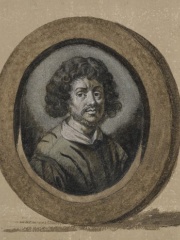
Claude Lorrain
PAINTER
1600 - 1682
HPI: 76.54
順位: 303
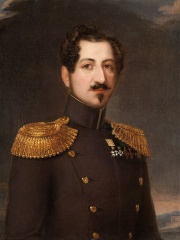
Oscar I of Sweden
POLITICIAN
1799 - 1859
HPI: 76.48
順位: 304
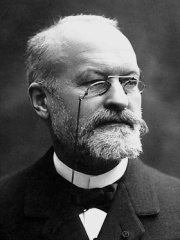
Charles Louis Alphonse Laveran
PHYSICIAN
1845 - 1922
HPI: 76.47
順位: 305
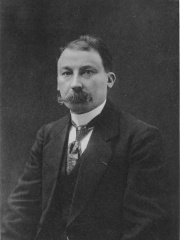
Victor Grignard
CHEMIST
1871 - 1935
HPI: 76.41
順位: 306
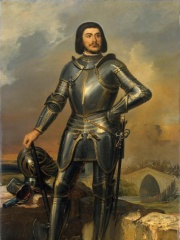
Gilles de Rais
EXTREMIST
1405 - 1440
HPI: 76.41
順位: 307
Robert II of France
POLITICIAN
972 - 1031
HPI: 76.37
順位: 308
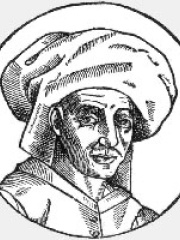
Josquin des Prez
COMPOSER
1450 - 1521
HPI: 76.33
順位: 309

Raynald of Châtillon
NOBLEMAN
1123 - 1187
HPI: 76.28
順位: 310
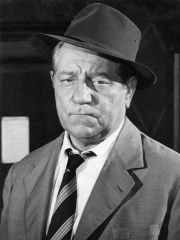
Jean Gabin
ACTOR
1904 - 1976
HPI: 76.22
順位: 311
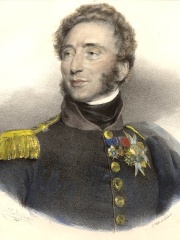
Louis Antoine, Duke of Angoulême
NOBLEMAN
1775 - 1844
HPI: 76.22
順位: 312
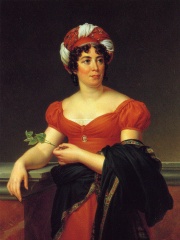
Germaine de Staël
WRITER
1766 - 1817
HPI: 76.21
順位: 313
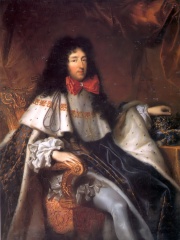
Philippe I, Duke of Orléans
NOBLEMAN
1640 - 1701
HPI: 76.21
順位: 314
フランスの政治家の中で
フランス生まれの政治家の中で、ロベール2世 (フランス王)は77位です。 彼より上位:Philip the Good (1396), Henry I of France (1008), Georges Clemenceau (1841), Louis Bonaparte (1778), Raymond Poincaré (1860), 、Oscar I of Sweden (1799). 彼より下位:Louis, Duke of Burgundy (1682), Richard I of Normandy (933), Emmanuel Macron (1977), John the Fearless (1371), John I of France (1316), 、William Longsword (893).
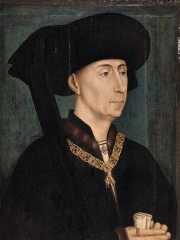
Philip the Good
1396 - 1467
HPI: 77.09
順位: 71
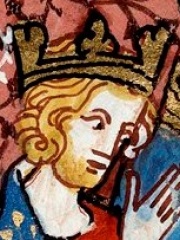
Henry I of France
1008 - 1060
HPI: 77.07
順位: 72
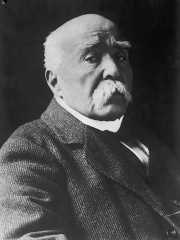
Georges Clemenceau
1841 - 1929
HPI: 77.05
順位: 73
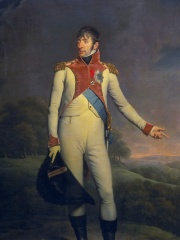
Louis Bonaparte
1778 - 1846
HPI: 77.01
順位: 74
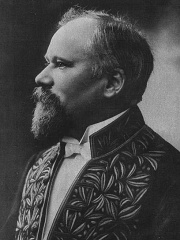
Raymond Poincaré
1860 - 1934
HPI: 76.89
順位: 75
Oscar I of Sweden
1799 - 1859
HPI: 76.48
順位: 76
Robert II of France
972 - 1031
HPI: 76.37
順位: 77

Louis, Duke of Burgundy
1682 - 1712
HPI: 76.04
順位: 78
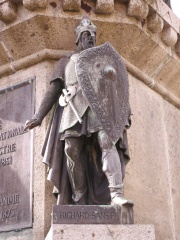
Richard I of Normandy
933 - 996
HPI: 76.00
順位: 79
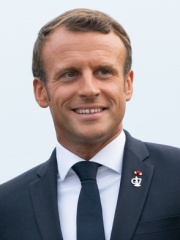
Emmanuel Macron
1977 - 現在
HPI: 75.95
順位: 80
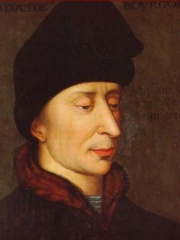
John the Fearless
1371 - 1419
HPI: 75.85
順位: 81
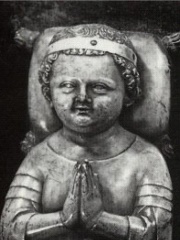
John I of France
1316 - 1316
HPI: 75.84
順位: 82
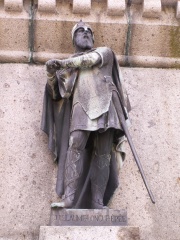
William Longsword
893 - 942
HPI: 75.81
順位: 83




