作家
Diphilus
350 BC - 400 BC
 Diphilus
知名度指標
5.1k
ページビュー
過去12か月
60.34
HPI
歴史的人気指数
Diphilusの言語別ページビュー
作家の中で
作家の中で、Diphilusは7,302人中3,011位です。 彼より上位:Yasmina Khadra, Zabel Yesayan, Nahum Goldmann, Aasmund Olavsson Vinje, José de Alencar, 、Konstantine Gamsakhurdia. 彼より下位:Johann Christoph Friedrich GutsMuths, Leonid Leonov, Rachel Bluwstein, Anne McCaffrey, John Aubrey, 、Cristina Peri Rossi.
ウィキペディアで最も人気のある作家
すべてのランキングを見る

Yasmina Khadra
1955 - 現在
HPI: 60.36
順位: 3,005
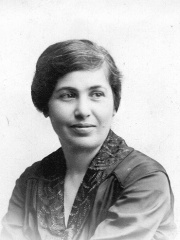
Zabel Yesayan
1878 - 1943
HPI: 60.36
順位: 3,006
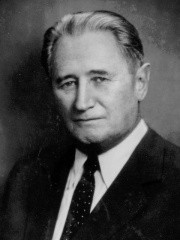
Nahum Goldmann
1895 - 1982
HPI: 60.36
順位: 3,007
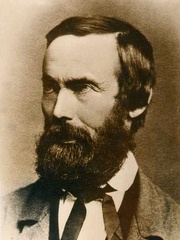
Aasmund Olavsson Vinje
1818 - 1870
HPI: 60.35
順位: 3,008
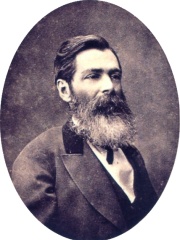
José de Alencar
1829 - 1877
HPI: 60.35
順位: 3,009
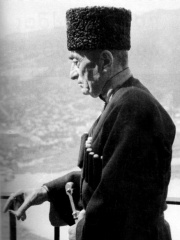
Konstantine Gamsakhurdia
1893 - 1975
HPI: 60.35
順位: 3,010
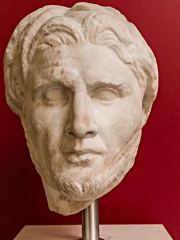
Diphilus
350 BC - 400 BC
HPI: 60.34
順位: 3,011
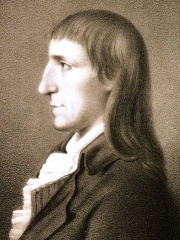
Johann Christoph Friedrich GutsMuths
1759 - 1839
HPI: 60.34
順位: 3,012

Leonid Leonov
1899 - 1994
HPI: 60.34
順位: 3,013
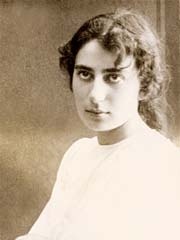
Rachel Bluwstein
1890 - 1931
HPI: 60.34
順位: 3,014
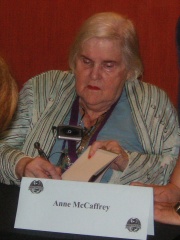
Anne McCaffrey
1926 - 2011
HPI: 60.34
順位: 3,015
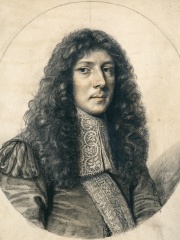
John Aubrey
1626 - 1697
HPI: 60.33
順位: 3,016

Cristina Peri Rossi
1941 - 現在
HPI: 60.33
順位: 3,017

同時代の人物
350 BC年生まれの人の中で、Diphilusは22位です。 彼より上位:Cleomenes II, Areus I, Lastheneia of Mantinea, Lucius Papirius Cursor, Publius Decius Mus, 、Crates. 彼より下位:Cersobleptes, Alcetas II of Epirus, Audata, Antigenes, Arsinoe of Macedon, 、Publius Valerius Laevinus. 400 BC年に亡くなった人の中で、Diphilusは29位です。 彼より上位:Axiothea of Phlius, Li Kui, Lastheneia of Mantinea, Timarete, Metrodorus of Chios, 、Nausiphanes. 彼より下位:Aeneas Tacticus, Cersobleptes, Lagus, Argaeus II of Macedon, Philinna, 、Euphranor.
350 BC年生まれのその他の人物
すべてのランキングを見る
Cleomenes II
POLITICIAN
350 BC - 309 BC
HPI: 62.01
順位: 16
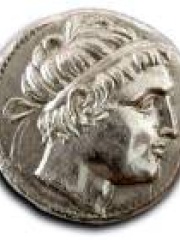
Areus I
POLITICIAN
350 BC - 265 BC
HPI: 61.63
順位: 17

Lastheneia of Mantinea
PHILOSOPHER
350 BC - 400 BC
HPI: 61.30
順位: 18

Lucius Papirius Cursor
POLITICIAN
350 BC - 350 BC
HPI: 61.03
順位: 19

Publius Decius Mus
POLITICIAN
350 BC - 340 BC
HPI: 60.56
順位: 20

Crates
WRITER
350 BC - 現在
HPI: 60.40
順位: 21
Diphilus
WRITER
350 BC - 400 BC
HPI: 60.34
順位: 22

Cersobleptes
POLITICIAN
350 BC - 400 BC
HPI: 60.25
順位: 23

Alcetas II of Epirus
POLITICIAN
350 BC - 306 BC
HPI: 60.22
順位: 24

Audata
POLITICIAN
350 BC - 336 BC
HPI: 59.83
順位: 25

Antigenes
POLITICIAN
350 BC - 316 BC
HPI: 59.75
順位: 26

Arsinoe of Macedon
POLITICIAN
350 BC - 400 BC
HPI: 59.44
順位: 27

Publius Valerius Laevinus
POLITICIAN
350 BC - 300 BC
HPI: 59.12
順位: 28
400 BC年に亡くなったその他の人物
すべてのランキングを見る
Axiothea of Phlius
PHILOSOPHER
400 BC - 400 BC
HPI: 61.88
順位: 23
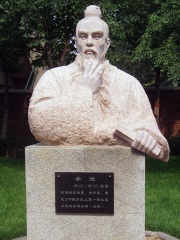
Li Kui
ENGINEER
500 BC - 400 BC
HPI: 61.86
順位: 24
Lastheneia of Mantinea
PHILOSOPHER
350 BC - 400 BC
HPI: 61.30
順位: 25

Timarete
PAINTER
420 BC - 400 BC
HPI: 60.98
順位: 26
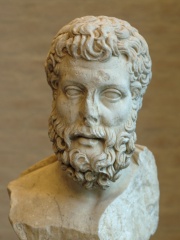
Metrodorus of Chios
PHILOSOPHER
500 BC - 400 BC
HPI: 60.95
順位: 27

Nausiphanes
PHILOSOPHER
400 BC - 400 BC
HPI: 60.41
順位: 28
Diphilus
WRITER
350 BC - 400 BC
HPI: 60.34
順位: 29

Aeneas Tacticus
WRITER
400 BC - 400 BC
HPI: 60.25
順位: 30
Cersobleptes
POLITICIAN
350 BC - 400 BC
HPI: 60.25
順位: 31

Lagus
POLITICIAN
400 BC - 400 BC
HPI: 60.09
順位: 32

Argaeus II of Macedon
POLITICIAN
500 BC - 400 BC
HPI: 60.06
順位: 33

Philinna
POLITICIAN
400 BC - 400 BC
HPI: 59.55
順位: 34
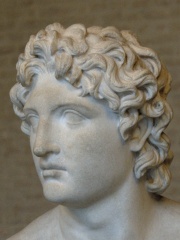
Euphranor
PAINTER
301 BC - 400 BC
HPI: 59.54
順位: 35
トルコの中で
トルコ生まれの人の中で、DiphilusはNaN人中885位です。 彼より上位:Nausiphanes (-400), Cansu Dere (1980), Xanthus (-500), Ptolemy Epigonos (-300), Çetin Tekindor (1945), 、Zabel Yesayan (1878). 彼より下位:Deniz Baykal (1938), Isaac Komnenos (1093), Damat Ferid Pasha (1853), Eudoxius of Antioch (300), Ariarathes V of Cappadocia (-200), 、Yıldırım Akbulut (1935).
トルコ生まれのその他の人物
すべてのランキングを見るNausiphanes
PHILOSOPHER
400 BC - 400 BC
HPI: 60.41
順位: 879

Cansu Dere
ACTOR
1980 - 現在
HPI: 60.40
順位: 880

Xanthus
WRITER
500 BC - 500 BC
HPI: 60.39
順位: 881

Ptolemy Epigonos
POLITICIAN
300 BC - 259 BC
HPI: 60.38
順位: 882

Çetin Tekindor
ACTOR
1945 - 現在
HPI: 60.37
順位: 883
Zabel Yesayan
WRITER
1878 - 1943
HPI: 60.36
順位: 884
Diphilus
WRITER
350 BC - 400 BC
HPI: 60.34
順位: 885
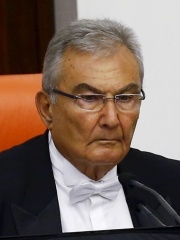
Deniz Baykal
POLITICIAN
1938 - 2023
HPI: 60.34
順位: 886

Isaac Komnenos
POLITICIAN
1093 - 1152
HPI: 60.29
順位: 887
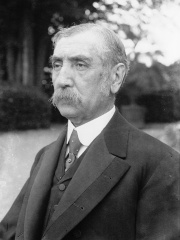
Damat Ferid Pasha
POLITICIAN
1853 - 1923
HPI: 60.28
順位: 888

Eudoxius of Antioch
RELIGIOUS FIGURE
300 - 370
HPI: 60.27
順位: 889
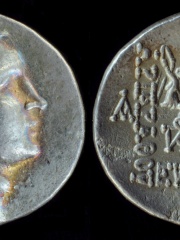
Ariarathes V of Cappadocia
POLITICIAN
200 BC - 200 BC
HPI: 60.24
順位: 890
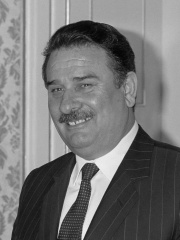
Yıldırım Akbulut
POLITICIAN
1935 - 2021
HPI: 60.22
順位: 891
トルコの作家の中で
トルコ生まれの作家の中で、Diphilusは90位です。 彼より上位:Theodore Prodromos (1115), Aristeas (-600), Parthenius of Nicaea (-1), Fatma Aliye Topuz (1862), Xanthus (-500), 、Zabel Yesayan (1878). 彼より下位:Theodore Balsamon (1140), Muazzez İlmiye Çığ (1914), Bâkî (1526), Phlegon of Tralles (200), Nigâr Hanım (1856), 、İbrahim Şinasi (1826).

Theodore Prodromos
1115 - 1160
HPI: 60.73
順位: 84

Aristeas
600 BC - 現在
HPI: 60.49
順位: 85

Parthenius of Nicaea
1 BC - 14
HPI: 60.47
順位: 86
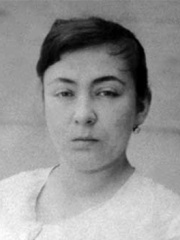
Fatma Aliye Topuz
1862 - 1936
HPI: 60.44
順位: 87
Xanthus
500 BC - 500 BC
HPI: 60.39
順位: 88
Zabel Yesayan
1878 - 1943
HPI: 60.36
順位: 89
Diphilus
350 BC - 400 BC
HPI: 60.34
順位: 90

Theodore Balsamon
1140 - 1190
HPI: 59.97
順位: 91

Muazzez İlmiye Çığ
1914 - 2024
HPI: 59.92
順位: 92
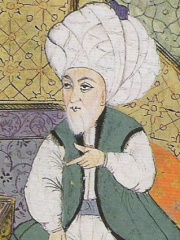
Bâkî
1526 - 1600
HPI: 59.89
順位: 93

Phlegon of Tralles
200 - 200
HPI: 59.81
順位: 94
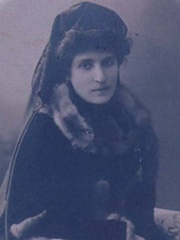
Nigâr Hanım
1856 - 1918
HPI: 59.57
順位: 95
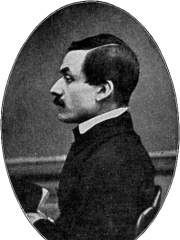
İbrahim Şinasi
1826 - 1871
HPI: 59.32
順位: 96




