Nobile
Ramses II
1303 BC - 1213 BC
VISUALIZZAZIONI SU IT.WIKIPEDIA (PV)

 Ramses II
La sua biografia è disponibile in 95 lingue su Wikipedia (in aumento rispetto a 89 nel 2024). Ramses II è il 10° nobile più popolare (in calo dal 5° nel 2024), la 7ª biografia più popolare dell'Israele e il nobile più popolare dell'Israele.
Metriche di memorabilità
2.4M
Visualizzazioni
Ultimi 12 mesi
86.63
HPI
Indice di popolarità storica
Visualizzazioni della pagina di Ramses II per lingua
Tra Nobile
Tra Nobile, Ramses II occupa la posizione 10 su 1,415. Prima di lui ci sono Elizabeth II, Edward VII, George III, Lady Jane Grey, Marie Antoinette, e Margrethe II of Denmark. Dopo di lui ci sono Catherine the Great, Juan Carlos I of Spain, Camilla, Duchess of Cornwall, Prince Albert of Saxe-Coburg and Gotha, Ragnar Lodbrok, e Rollo.
Nobile più popolari su Wikipedia
Vai a tutte le classifiche
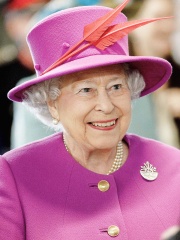
Elizabeth II
1926 - 2022
HPI: 89.72
Posizione: 4
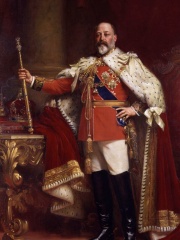
Edward VII
1841 - 1910
HPI: 89.68
Posizione: 5
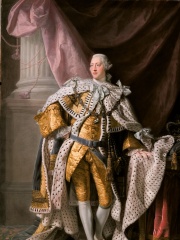
George III
1738 - 1820
HPI: 89.11
Posizione: 6
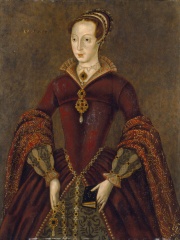
Lady Jane Grey
1537 - 1554
HPI: 88.92
Posizione: 7
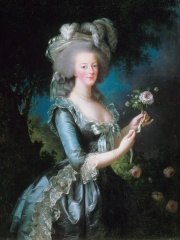
Marie Antoinette
1755 - 1793
HPI: 87.43
Posizione: 8
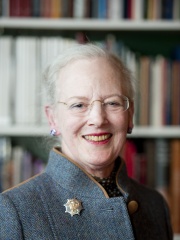
Margrethe II of Denmark
1940 - presente
HPI: 86.69
Posizione: 9
Ramesses II
1303 BC - 1213 BC
HPI: 86.63
Posizione: 10
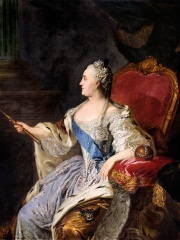
Catherine the Great
1729 - 1796
HPI: 86.60
Posizione: 11
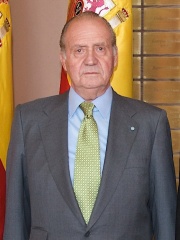
Juan Carlos I of Spain
1938 - presente
HPI: 84.83
Posizione: 12

Camilla, Duchess of Cornwall
1947 - presente
HPI: 84.73
Posizione: 13
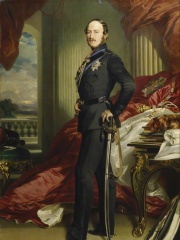
Prince Albert of Saxe-Coburg and Gotha
1819 - 1861
HPI: 84.15
Posizione: 14
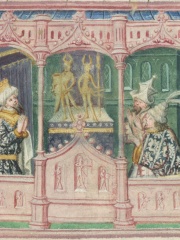
Ragnar Lodbrok
850 - 801
HPI: 83.90
Posizione: 15

Rollo
846 - 930
HPI: 83.87
Posizione: 16

Contemporanei
Tra le persone nate nel 1303 BC, Ramses II occupa la posizione 1. Tra le persone decedute nel 1213 BC, Ramses II occupa la posizione 1.
Altre persone nate nel 1303 BC
Vai a tutte le classificheAltre persone decedute nel 1213 BC
Vai a tutte le classificheIn Israele
Tra le persone nate in Israele, Ramses II occupa la posizione 7 su NaN. Prima di lui ci sono Mary, mother of Jesus (-18), Jesus (-4), Saint Joseph (-18), John the Baptist (-20), Matthew the Apostle (10), e Isaac (-1900). Dopo di lui ci sono Elijah (-1000), Jonah (-850), Herod the Great (-73), Matthias the Apostle (1), James, brother of Jesus (-20), e Samson (-1118).
Altre persone nate in Israele
Vai a tutte le classifiche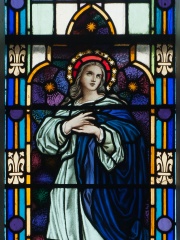
Mary, mother of Jesus
RELIGIOUS FIGURE
18 BC - 33
HPI: 96.94
Posizione: 1
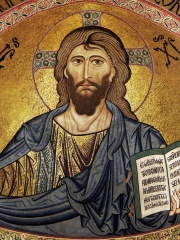
Jesus
RELIGIOUS FIGURE
4 BC - 33
HPI: 94.24
Posizione: 2
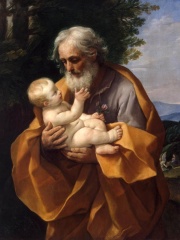
Saint Joseph
RELIGIOUS FIGURE
18 BC - 33
HPI: 90.76
Posizione: 3

John the Baptist
RELIGIOUS FIGURE
20 BC - 31
HPI: 89.07
Posizione: 4
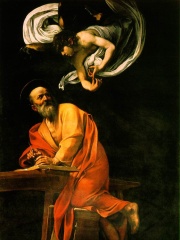
Matthew the Apostle
RELIGIOUS FIGURE
10 - 74
HPI: 88.31
Posizione: 5
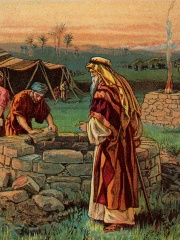
Isaac
RELIGIOUS FIGURE
1900 BC - 1533 BC
HPI: 86.63
Posizione: 6
Ramesses II
NOBLEMAN
1303 BC - 1213 BC
HPI: 86.63
Posizione: 7
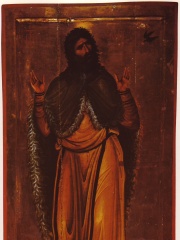
Elijah
RELIGIOUS FIGURE
1000 BC - 900 BC
HPI: 85.72
Posizione: 8

Jonah
RELIGIOUS FIGURE
850 BC - 810 BC
HPI: 84.79
Posizione: 9
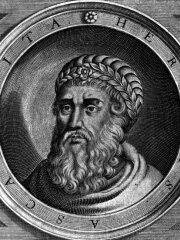
Herod the Great
POLITICIAN
73 BC - 3 BC
HPI: 84.23
Posizione: 10
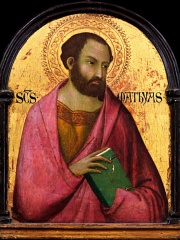
Matthias the Apostle
RELIGIOUS FIGURE
1 - presente
HPI: 84.11
Posizione: 11
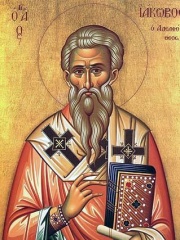
James, brother of Jesus
RELIGIOUS FIGURE
20 BC - 69
HPI: 84.07
Posizione: 12
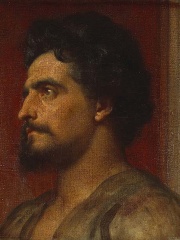
Samson
RELIGIOUS FIGURE
1118 BC - 1078 BC
HPI: 83.97
Posizione: 13
Tra Nobile in Israele
Tra Nobile nati in Israele, Ramses II occupa la posizione 1. Dopo di lui ci sono Herodias (-100), Frederick VI, Duke of Swabia (1167), e Alfonso of Brienne (1227).
Ramesses II
1303 BC - 1213 BC
HPI: 86.63
Posizione: 1
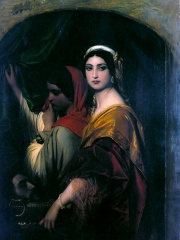
Herodias
100 BC - 100
HPI: 74.71
Posizione: 2
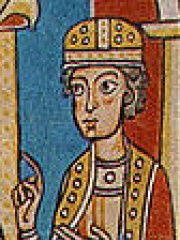
Frederick VI, Duke of Swabia
1167 - 1191
HPI: 68.52
Posizione: 3

Alfonso of Brienne
1227 - 1270
HPI: 60.47
Posizione: 4




