Figura religiosa
Papa Pelagio I
505 - 561
IT.WIKIPEDIA PAGE VIEWS (PV)
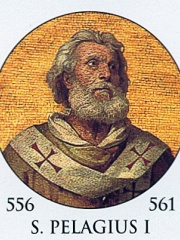
 Papa Pelagio I
La sua biografia è disponibile in 70 lingue su Wikipedia (in aumento rispetto a 68 nel 2024). Papa Pelagio I è il 362° figura religiosa più popolare (in calo dal 196° nel 2024), la 381ª biografia più popolare dell'Italia (in calo dal 225ª nel 2019) e il 172° figura religiosa più popolare dell'Italia.
Memorability Metrics
30k
Page Views
Past 12 months
76.56
HPI
Historical Popularity Index
Page views of Papa Pelagio I by language
Among Figura religiosas
Among figura religiosas, Papa Pelagio I ranks 362 out of 3,187. Before him are Pope Clement III, Zaynab bint Jahsh, Pope Marinus I, Muslim ibn al-Hajjaj, Pope Sisinnius, and Charles Taze Russell. After him are Charles Borromeo, Pope Benedict II, Philip Neri, Pope John I, Pope Dionysius, and Pope John IX.
Most Popular Figura Religiosas in Wikipedia
Go to all Rankings
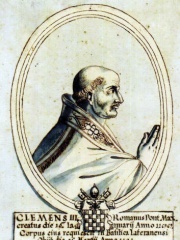
Pope Clement III
1130 - 1191
HPI: 76.61
Rank: 356
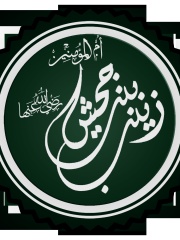
Zaynab bint Jahsh
592 - 641
HPI: 76.60
Rank: 357
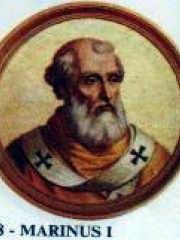
Pope Marinus I
830 - 884
HPI: 76.60
Rank: 358
Muslim ibn al-Hajjaj
817 - 875
HPI: 76.60
Rank: 359
Pope Sisinnius
650 - 708
HPI: 76.59
Rank: 360
Charles Taze Russell
1852 - 1916
HPI: 76.57
Rank: 361
Pope Pelagius I
505 - 561
HPI: 76.56
Rank: 362
Charles Borromeo
1538 - 1584
HPI: 76.50
Rank: 363
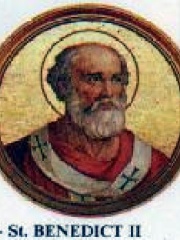
Pope Benedict II
635 - 685
HPI: 76.47
Rank: 364

Philip Neri
1515 - 1595
HPI: 76.47
Rank: 365
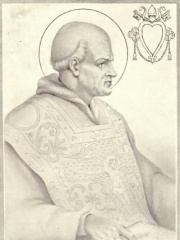
Pope John I
470 - 526
HPI: 76.42
Rank: 366
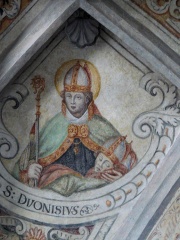
Pope Dionysius
200 - 268
HPI: 76.42
Rank: 367
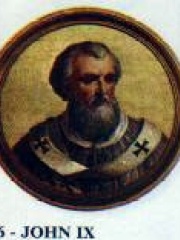
Pope John IX
850 - 900
HPI: 76.41
Rank: 368

Contemporaries
Among people born in 505, Papa Pelagio I ranks 2. Before him is Belisarius. After him are Varāhamihira, Jacob Baradaeus, Germanus, and Hesychius of Miletus. Among people deceased in 561, Papa Pelagio I ranks 1. After him is Chlothar I.
Others Born in 505
Go to all Rankings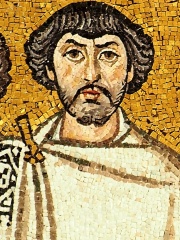
Belisarius
MILITARY PERSONNEL
505 - 565
HPI: 81.11
Rank: 1
Pope Pelagius I
RELIGIOUS FIGURE
505 - 561
HPI: 76.56
Rank: 2

Varāhamihira
ASTRONOMER
505 - 587
HPI: 68.85
Rank: 3

Jacob Baradaeus
RELIGIOUS FIGURE
505 - 578
HPI: 65.01
Rank: 4
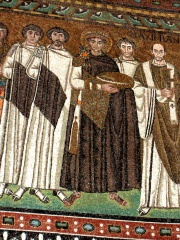
Germanus
MILITARY PERSONNEL
505 - 551
HPI: 59.23
Rank: 5

Hesychius of Miletus
POLITICIAN
505 - 600
HPI: 58.96
Rank: 6
Others Deceased in 561
Go to all RankingsPope Pelagius I
RELIGIOUS FIGURE
505 - 561
HPI: 76.56
Rank: 1
Chlothar I
POLITICIAN
498 - 561
HPI: 75.76
Rank: 2
In Italia
Among people born in Italia, Papa Pelagio I ranks 381 out of NaN. Before him are Pope John XI (910), Primo Levi (1919), Atia (-85), Pope Clement III (1130), Pope Marinus I (830), and Sofonisba Anguissola (1535). After him are Lorenzo Ghiberti (1378), Charles Borromeo (1538), Pope Benedict II (635), Philip Neri (1515), Catiline (-109), and Maxentius (278).
Others born in Italia
Go to all Rankings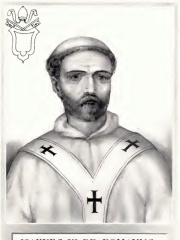
Pope John XI
RELIGIOUS FIGURE
910 - 936
HPI: 76.63
Rank: 375
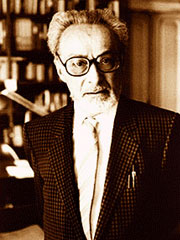
Primo Levi
WRITER
1919 - 1987
HPI: 76.62
Rank: 376
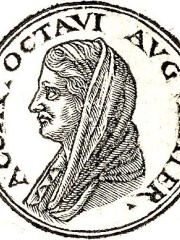
Atia
POLITICIAN
85 BC - 43 BC
HPI: 76.61
Rank: 377
Pope Clement III
RELIGIOUS FIGURE
1130 - 1191
HPI: 76.61
Rank: 378
Pope Marinus I
RELIGIOUS FIGURE
830 - 884
HPI: 76.60
Rank: 379
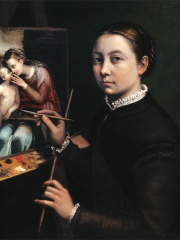
Sofonisba Anguissola
PAINTER
1535 - 1625
HPI: 76.60
Rank: 380
Pope Pelagius I
RELIGIOUS FIGURE
505 - 561
HPI: 76.56
Rank: 381
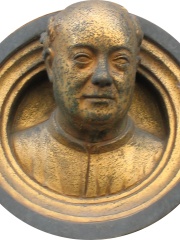
Lorenzo Ghiberti
SCULPTOR
1378 - 1455
HPI: 76.50
Rank: 382
Charles Borromeo
RELIGIOUS FIGURE
1538 - 1584
HPI: 76.50
Rank: 383
Pope Benedict II
RELIGIOUS FIGURE
635 - 685
HPI: 76.47
Rank: 384
Philip Neri
RELIGIOUS FIGURE
1515 - 1595
HPI: 76.47
Rank: 385
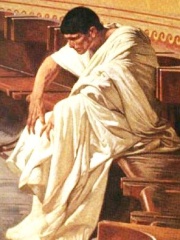
Catiline
POLITICIAN
109 BC - 62 BC
HPI: 76.46
Rank: 386
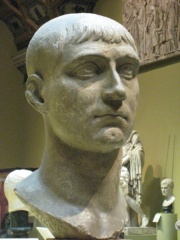
Maxentius
POLITICIAN
278 - 312
HPI: 76.43
Rank: 387
Among Figura religiosas In Italia
Among figura religiosas born in Italia, Papa Pelagio I ranks 172. Before him are Matteo Ricci (1552), Pietro Parolin (1955), Pope Symmachus (460), Pope John XI (910), Pope Clement III (1130), and Pope Marinus I (830). After him are Charles Borromeo (1538), Pope Benedict II (635), Philip Neri (1515), Pope John I (470), Pope John IX (850), and Pope Mark (290).
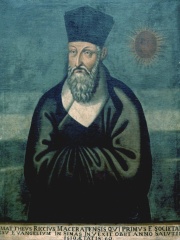
Matteo Ricci
1552 - 1610
HPI: 76.86
Rank: 166
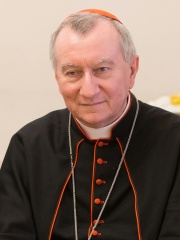
Pietro Parolin
1955 - Present
HPI: 76.84
Rank: 167
Pope Symmachus
460 - 514
HPI: 76.84
Rank: 168
Pope John XI
910 - 936
HPI: 76.63
Rank: 169
Pope Clement III
1130 - 1191
HPI: 76.61
Rank: 170
Pope Marinus I
830 - 884
HPI: 76.60
Rank: 171
Pope Pelagius I
505 - 561
HPI: 76.56
Rank: 172
Charles Borromeo
1538 - 1584
HPI: 76.50
Rank: 173
Pope Benedict II
635 - 685
HPI: 76.47
Rank: 174
Philip Neri
1515 - 1595
HPI: 76.47
Rank: 175
Pope John I
470 - 526
HPI: 76.42
Rank: 176
Pope John IX
850 - 900
HPI: 76.41
Rank: 177
Pope Mark
290 - 336
HPI: 76.39
Rank: 178




