Politico
Piye
800 BC - 716 BC
VISUALIZZAZIONI SU IT.WIKIPEDIA (PV)
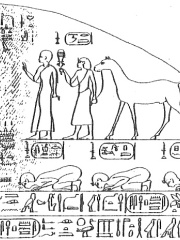
 Piye
Piye
La sua biografia è disponibile in 44 lingue su Wikipedia (in aumento rispetto a 43 nel 2024). Piye è il 3126° politico più popolare (in calo dal 2936° nel 2024), la 5ª biografia più popolare della Sudan e il 3° politico più popolare della Sudan.
Metriche di memorabilità
110k
Visualizzazioni
Ultimi 12 mesi
69.49
HPI
Indice di popolarità storica
Dati in evidenza
44
La biografia di Piye copre 44 edizioni linguistiche di Wikipedia e ottiene un Indice di Popolarità Storica di 69.49.
Visualizzazioni della pagina di Piye per lingua
Tra Politico
Tra Politico, Piye occupa la posizione 3,125 su 20,022. Prima di lui ci sono Æthelfrith, João Bernardo Vieira, Vologases I of Parthia, Gazi Husrev-beg, Amenemhat II, e Empress Xiaoyichun. Dopo di lui ci sono Aloys I, Prince of Liechtenstein, Ahhotep I, Gordon Brown, Ashur-nadin-shumi, Princess Marie Louise of Schleswig-Holstein, e Clovis IV.
Politico più popolari su Wikipedia
Vai a tutte le classifiche

Æthelfrith
600 - 616
HPI: 69.50
Posizione: 3,120
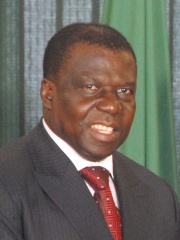
João Bernardo Vieira
1939 - 2009
HPI: 69.49
Posizione: 3,121
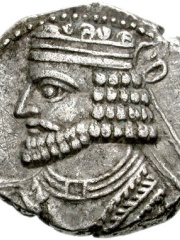
Vologases I of Parthia
1 - 78
HPI: 69.49
Posizione: 3,122
Gazi Husrev-beg
1480 - 1541
HPI: 69.49
Posizione: 3,123
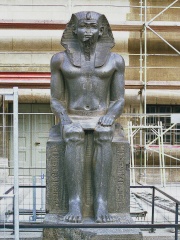
Amenemhat II
1950 BC - 1885 BC
HPI: 69.49
Posizione: 3,124

Empress Xiaoyichun
1727 - 1775
HPI: 69.49
Posizione: 3,125
Piye
800 BC - 716 BC
HPI: 69.49
Posizione: 3,126
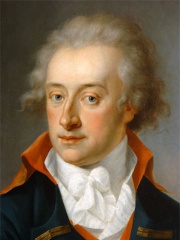
Aloys I, Prince of Liechtenstein
1759 - 1805
HPI: 69.48
Posizione: 3,127
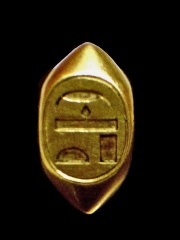
Ahhotep I
1560 BC - 1530 BC
HPI: 69.47
Posizione: 3,128

Gordon Brown
1951 - presente
HPI: 69.47
Posizione: 3,129
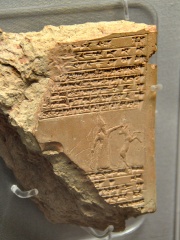
Ashur-nadin-shumi
800 BC - 694 BC
HPI: 69.47
Posizione: 3,130
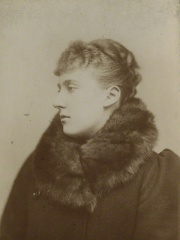
Princess Marie Louise of Schleswig-Holstein
1872 - 1956
HPI: 69.47
Posizione: 3,131
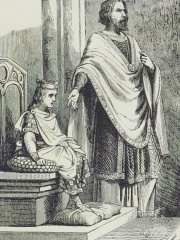
Clovis IV
677 - 695
HPI: 69.47
Posizione: 3,132

Contemporanei
Tra le persone nate nel 800 BC, Piye occupa la posizione 14. Prima di lui ci sono Manasseh of Judah, Esarhaddon, Hoshea, Achaemenes, Titus Tatius, e Candaules. Dopo di lui ci sono Ashur-nadin-shumi, Marduk-apla-iddina II, Pekahiah, Taharqa, Tantamani, e Menahem. Tra le persone decedute nel 716 BC, Piye occupa la posizione 1.
Altre persone nate nel 800 BC
Vai a tutte le classifiche
Manasseh of Judah
POLITICIAN
800 BC - 642 BC
HPI: 73.22
Posizione: 8
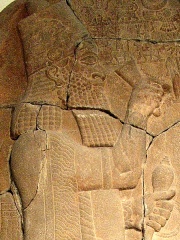
Esarhaddon
POLITICIAN
800 BC - 669 BC
HPI: 73.21
Posizione: 9
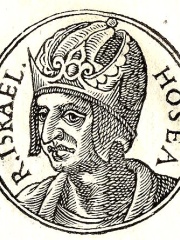
Hoshea
POLITICIAN
800 BC - 800 BC
HPI: 72.91
Posizione: 10
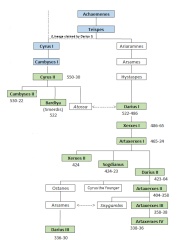
Achaemenes
POLITICIAN
800 BC - 700 BC
HPI: 72.65
Posizione: 11

Titus Tatius
POLITICIAN
800 BC - 800 BC
HPI: 72.30
Posizione: 12
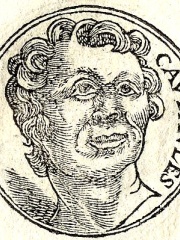
Candaules
POLITICIAN
800 BC - 760 BC
HPI: 69.72
Posizione: 13
Piye
POLITICIAN
800 BC - 716 BC
HPI: 69.49
Posizione: 14
Ashur-nadin-shumi
POLITICIAN
800 BC - 694 BC
HPI: 69.47
Posizione: 15
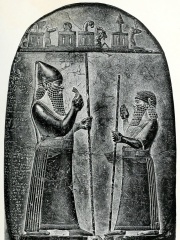
Marduk-apla-iddina II
POLITICIAN
800 BC - 760 BC
HPI: 68.36
Posizione: 16
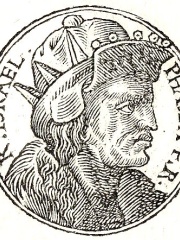
Pekahiah
POLITICIAN
800 BC - 760 BC
HPI: 68.26
Posizione: 17
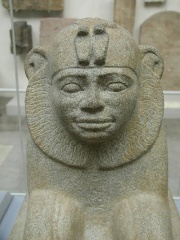
Taharqa
POLITICIAN
800 BC - 664 BC
HPI: 68.24
Posizione: 18
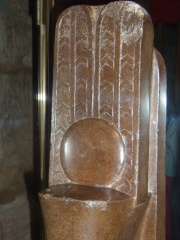
Tantamani
POLITICIAN
800 BC - 653 BC
HPI: 67.81
Posizione: 19
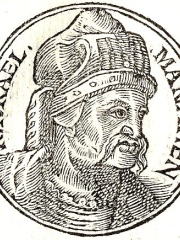
Menahem
POLITICIAN
800 BC - 760 BC
HPI: 67.76
Posizione: 20
Altre persone decedute nel 716 BC
Vai a tutte le classificheIn Sudan
Tra le persone nate in Sudan, Piye occupa la posizione 5 su 46. Prima di lui ci sono Omar al-Bashir (1944), Luqman (-1100), Mohamed Naguib (1901), e Muhammad Ahmad (1844). Dopo di lui ci sono Josephine Bakhita (1868), Gaafar Nimeiry (1930), Abdel Fattah al-Burhan (1960), John Garang (1945), Osman Hussein (1951), Abdalla Hamdok (1956), e Tayeb Salih (1929).
Altre persone nate in Sudan
Vai a tutte le classifiche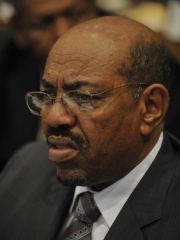
Omar al-Bashir
POLITICIAN
1944 - presente
HPI: 79.00
Posizione: 1

Luqman
WRITER
1100 BC - 1769
HPI: 74.76
Posizione: 2
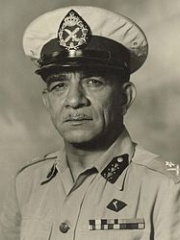
Mohamed Naguib
POLITICIAN
1901 - 1984
HPI: 74.48
Posizione: 3
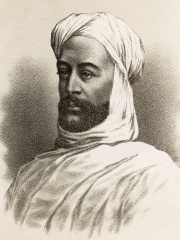
Muhammad Ahmad
RELIGIOUS FIGURE
1844 - 1885
HPI: 70.35
Posizione: 4
Piye
POLITICIAN
800 BC - 716 BC
HPI: 69.49
Posizione: 5
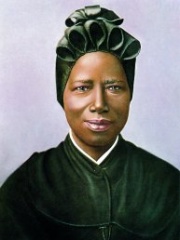
Josephine Bakhita
RELIGIOUS FIGURE
1868 - 1947
HPI: 68.83
Posizione: 6
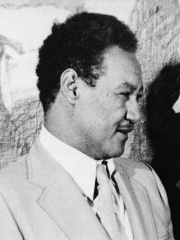
Gaafar Nimeiry
POLITICIAN
1930 - 2009
HPI: 68.38
Posizione: 7
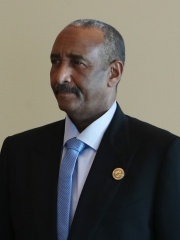
Abdel Fattah al-Burhan
POLITICIAN
1960 - presente
HPI: 67.61
Posizione: 8
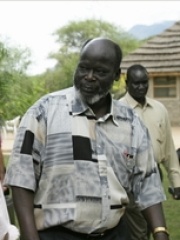
John Garang
POLITICIAN
1945 - 2005
HPI: 65.06
Posizione: 9

Osman Hussein
POLITICIAN
1951 - presente
HPI: 63.27
Posizione: 10
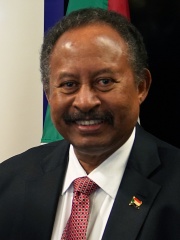
Abdalla Hamdok
POLITICIAN
1956 - presente
HPI: 62.30
Posizione: 11
Tayeb Salih
WRITER
1929 - 2009
HPI: 62.20
Posizione: 12
Tra Politico in Sudan
Tra Politico nati in Sudan, Piye occupa la posizione 3. Prima di lui ci sono Omar al-Bashir (1944), e Mohamed Naguib (1901). Dopo di lui ci sono Gaafar Nimeiry (1930), Abdel Fattah al-Burhan (1960), John Garang (1945), Osman Hussein (1951), Abdalla Hamdok (1956), Ibrahim Abboud (1900), Hassan Al-Turabi (1932), Abdallahi ibn Muhammad (1846), e Ismail al-Azhari (1901).
Omar al-Bashir
1944 - presente
HPI: 79.00
Posizione: 1
Mohamed Naguib
1901 - 1984
HPI: 74.48
Posizione: 2
Piye
800 BC - 716 BC
HPI: 69.49
Posizione: 3
Gaafar Nimeiry
1930 - 2009
HPI: 68.38
Posizione: 4
Abdel Fattah al-Burhan
1960 - presente
HPI: 67.61
Posizione: 5
John Garang
1945 - 2005
HPI: 65.06
Posizione: 6
Osman Hussein
1951 - presente
HPI: 63.27
Posizione: 7
Abdalla Hamdok
1956 - presente
HPI: 62.30
Posizione: 8
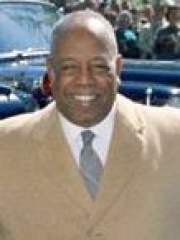
Ibrahim Abboud
1900 - 1983
HPI: 61.56
Posizione: 9

Hassan Al-Turabi
1932 - 2016
HPI: 61.48
Posizione: 10
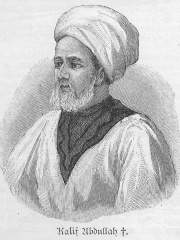
Abdallahi ibn Muhammad
1846 - 1899
HPI: 61.38
Posizione: 11
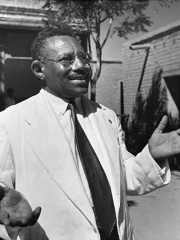
Ismail al-Azhari
1901 - 1969
HPI: 60.74
Posizione: 12




