Figura religiosa
Paula of Rome
347 - 406
VISUALIZZAZIONI SU IT.WIKIPEDIA (PV)
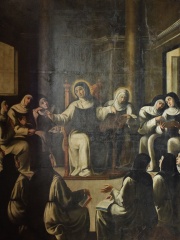
 Paula of Rome
La sua biografia è disponibile in 21 lingue su Wikipedia (in aumento rispetto a 19 nel 2024). Paula of Rome è la 998ª figura religiosa più popolare (in calo dal 929ª nel 2024), la 1337ª biografia più popolare dell'Italia (in aumento dal 1340ª nel 2019) e la 316ª figura religiosa più popolare dell'Italia.
Metriche di memorabilità
48k
Visualizzazioni
Ultimi 12 mesi
67.00
HPI
Indice di popolarità storica
Visualizzazioni della pagina di Paula of Rome per lingua
Tra Figura religiosa
Tra Figura religiosa, Paula of Rome occupa la posizione 998 su 3,187. Prima di lei ci sono Walter Kasper, Bernardin Gantin, Benedict the Moor, Gotthard of Hildesheim, Jeremias II of Constantinople, e Ascanio Sforza. Dopo di lei ci sono Otto of Bamberg, Sophronius of Jerusalem, Frumentius, Basil Fool for Christ, Peter Mogila, e Leopold Mandić.
Figura religiosa più popolari su Wikipedia
Vai a tutte le classifiche
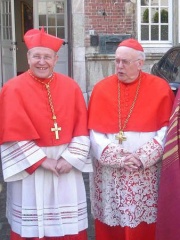
Walter Kasper
1933 - presente
HPI: 67.04
Posizione: 992
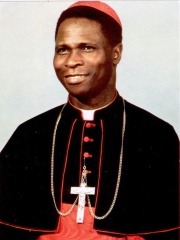
Bernardin Gantin
1922 - 2008
HPI: 67.03
Posizione: 993
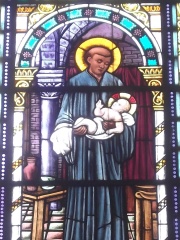
Benedict the Moor
1526 - 1589
HPI: 67.02
Posizione: 994
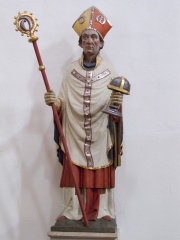
Gotthard of Hildesheim
960 - 1038
HPI: 67.02
Posizione: 995
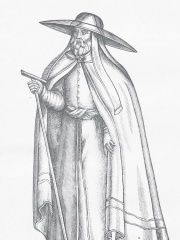
Jeremias II of Constantinople
1536 - 1595
HPI: 67.01
Posizione: 996
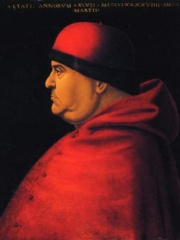
Ascanio Sforza
1455 - 1505
HPI: 67.01
Posizione: 997
Paula of Rome
347 - 406
HPI: 67.00
Posizione: 998
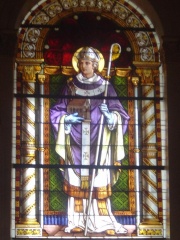
Otto of Bamberg
1060 - 1139
HPI: 66.99
Posizione: 999
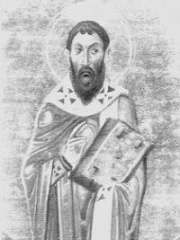
Sophronius of Jerusalem
560 - 638
HPI: 66.98
Posizione: 1,000
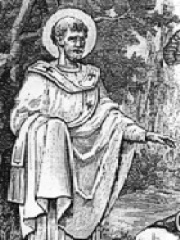
Frumentius
400 - 383
HPI: 66.97
Posizione: 1,001
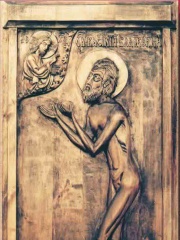
Basil Fool for Christ
1468 - 1552
HPI: 66.96
Posizione: 1,002
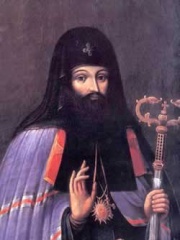
Peter Mogila
1596 - 1647
HPI: 66.94
Posizione: 1,003
Leopold Mandić
1866 - 1942
HPI: 66.93
Posizione: 1,004

Contemporanei
Tra le persone nate nel 347, Paula of Rome occupa la posizione 2. Prima di lei c'è Porphyry of Gaza. Dopo di lei c'è Faustina. Tra le persone decedute nel 406, Paula of Rome occupa la posizione 2. Prima di lei c'è Godigisel. Dopo di lei ci sono Radagaisus, e Gu Kaizhi.
Altre persone nate nel 347
Vai a tutte le classifiche
Porphyry of Gaza
RELIGIOUS FIGURE
347 - 420
HPI: 70.71
Posizione: 1
Paula of Rome
RELIGIOUS FIGURE
347 - 406
HPI: 67.00
Posizione: 2
Faustina
POLITICIAN
347 - 400
HPI: 64.23
Posizione: 3
Altre persone decedute nel 406
Vai a tutte le classifiche
Godigisel
POLITICIAN
359 - 406
HPI: 67.60
Posizione: 1
Paula of Rome
RELIGIOUS FIGURE
347 - 406
HPI: 67.00
Posizione: 2
Radagaisus
POLITICIAN
400 - 406
HPI: 66.82
Posizione: 3
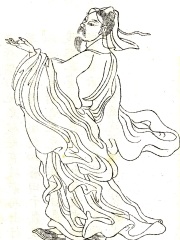
Gu Kaizhi
PAINTER
345 - 406
HPI: 66.60
Posizione: 4
In Italia
Tra le persone nate in Italia, Paula of Rome occupa la posizione 1,337 su NaN. Prima di lei ci sono Umberto Tozzi (1952), Giuseppe Conte (1964), Bernabò Visconti (1323), Benedict the Moor (1526), Orcagna (1315), e Ascanio Sforza (1455). Dopo di lei ci sono Agrippa Postumus (-12), Simon of Sicily (1093), Verres (-120), Renata Scotto (1934), Maria Pia of Savoy (1847), e Giovanni Domenico Tiepolo (1727).
Altre persone nate in Italia
Vai a tutte le classifiche
Umberto Tozzi
SINGER
1952 - presente
HPI: 67.04
Posizione: 1,331

Giuseppe Conte
POLITICIAN
1964 - presente
HPI: 67.03
Posizione: 1,332
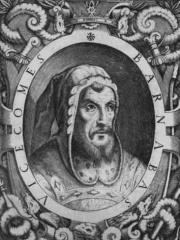
Bernabò Visconti
POLITICIAN
1323 - 1385
HPI: 67.03
Posizione: 1,333
Benedict the Moor
RELIGIOUS FIGURE
1526 - 1589
HPI: 67.02
Posizione: 1,334
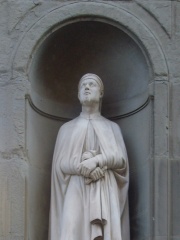
Orcagna
PAINTER
1315 - 1368
HPI: 67.02
Posizione: 1,335
Ascanio Sforza
RELIGIOUS FIGURE
1455 - 1505
HPI: 67.01
Posizione: 1,336
Paula of Rome
RELIGIOUS FIGURE
347 - 406
HPI: 67.00
Posizione: 1,337
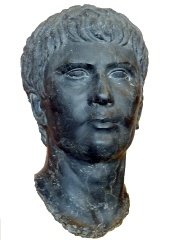
Agrippa Postumus
POLITICIAN
12 BC - 14
HPI: 66.99
Posizione: 1,338

Simon of Sicily
1093 - 1105
HPI: 66.98
Posizione: 1,339

Verres
POLITICIAN
120 BC - 43 BC
HPI: 66.98
Posizione: 1,340
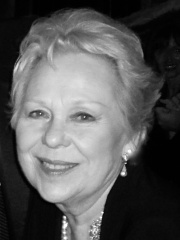
Renata Scotto
SINGER
1934 - 2023
HPI: 66.98
Posizione: 1,341
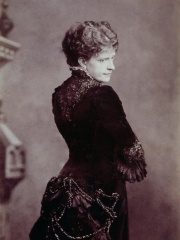
Maria Pia of Savoy
POLITICIAN
1847 - 1911
HPI: 66.97
Posizione: 1,342
Giovanni Domenico Tiepolo
PAINTER
1727 - 1804
HPI: 66.96
Posizione: 1,343
Tra Figura religiosa in Italia
Tra Figura religiosa nati in Italia, Paula of Rome occupa la posizione 316. Prima di lei ci sono Alfredo Ottaviani (1890), Antonio Quarracino (1923), Zita (1212), Methodios I of Constantinople (788), Benedict the Moor (1526), e Ascanio Sforza (1455). Dopo di lei ci sono Andrea Amati (1505), Teobaldo Boccapecci (1100), Mariano Rampolla (1843), Gerolamo Emiliani (1486), Carlo Maria Viganò (1941), e Veronica Giuliani (1660).
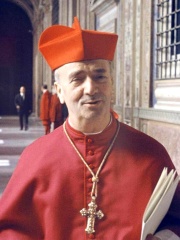
Alfredo Ottaviani
1890 - 1979
HPI: 67.16
Posizione: 310

Antonio Quarracino
1923 - 1998
HPI: 67.14
Posizione: 311

Zita
1212 - 1272
HPI: 67.05
Posizione: 312
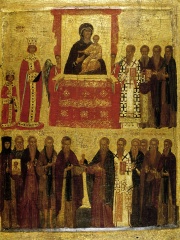
Methodios I of Constantinople
788 - 847
HPI: 67.05
Posizione: 313
Benedict the Moor
1526 - 1589
HPI: 67.02
Posizione: 314
Ascanio Sforza
1455 - 1505
HPI: 67.01
Posizione: 315
Paula of Rome
347 - 406
HPI: 67.00
Posizione: 316
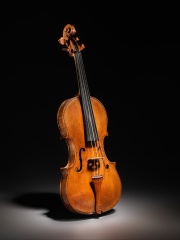
Andrea Amati
1505 - 1577
HPI: 66.84
Posizione: 317
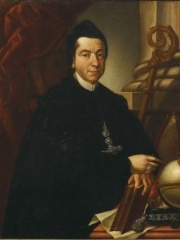
Teobaldo Boccapecci
1100 - 1126
HPI: 66.84
Posizione: 318
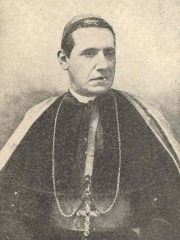
Mariano Rampolla
1843 - 1913
HPI: 66.82
Posizione: 319
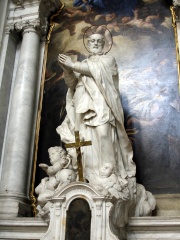
Gerolamo Emiliani
1486 - 1537
HPI: 66.80
Posizione: 320
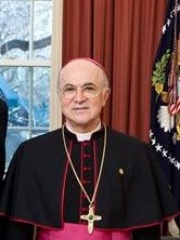
Carlo Maria Viganò
1941 - presente
HPI: 66.73
Posizione: 321
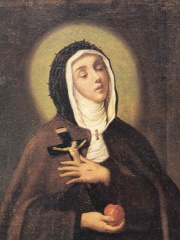
Veronica Giuliani
1660 - 1727
HPI: 66.60
Posizione: 322




