Figura religiosa
Naropa
1016 - 1100
VISUALIZZAZIONI SU IT.WIKIPEDIA (PV)

 Naropa
La sua biografia è disponibile in 20 lingue su Wikipedia. Naropa è il 1548° figura religiosa più popolare (in calo dal 1391° nel 2024), la 46ª biografia più popolare della Pakistan (in calo dal 32ª nel 2019) e il 4° figura religiosa più popolare della Pakistan.
Metriche di memorabilità
31k
Visualizzazioni
Ultimi 12 mesi
63.09
HPI
Indice di popolarità storica
Dati in evidenza
20
La biografia di Naropa copre 20 edizioni linguistiche di Wikipedia e ottiene un Indice di Popolarità Storica di 63.09.
Visualizzazioni della pagina di Naropa per lingua
Tra Figura religiosa
Tra Figura religiosa, Naropa occupa la posizione 1,548 su 3,189. Prima di lui ci sono Jacob Sprenger, Virginia Centurione Bracelli, Meher Baba, Thomas Williams, John XIV of Constantinople, e Ahmad al-Tijani. Dopo di lui ci sono Rimbert, Jean Zerbo, Ibn Asakir, Hujr ibn Adi, Michael the Syrian, e Benjamin I of Constantinople.
Figura religiosa più popolari su Wikipedia
Vai a tutte le classifiche

Jacob Sprenger
1435 - 1495
HPI: 63.12
Posizione: 1,542
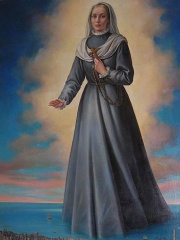
Virginia Centurione Bracelli
1587 - 1651
HPI: 63.12
Posizione: 1,543
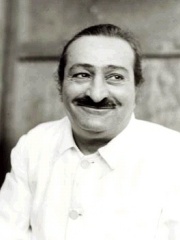
Meher Baba
1894 - 1969
HPI: 63.11
Posizione: 1,544
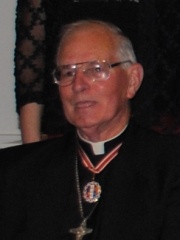
Thomas Williams
1930 - 2023
HPI: 63.11
Posizione: 1,545
John XIV of Constantinople
1282 - 1347
HPI: 63.11
Posizione: 1,546
Ahmad al-Tijani
1735 - 1815
HPI: 63.09
Posizione: 1,547
Naropa
1016 - 1100
HPI: 63.09
Posizione: 1,548

Rimbert
830 - 888
HPI: 63.09
Posizione: 1,549
Jean Zerbo
1943 - presente
HPI: 63.09
Posizione: 1,550

Ibn Asakir
1105 - 1176
HPI: 63.08
Posizione: 1,551
Hujr ibn Adi
600 - 660
HPI: 63.08
Posizione: 1,552

Michael the Syrian
1126 - 1199
HPI: 63.07
Posizione: 1,553
Benjamin I of Constantinople
1871 - 1946
HPI: 63.07
Posizione: 1,554

Contemporanei
Tra le persone nate nel 1016, Naropa occupa la posizione 9. Prima di lui ci sono Robert Guiscard, Béla I of Hungary, Ferdinand I of León, Casimir I the Restorer, Deokjong of Goryeo, e Emperor Xingzong of Liao. Dopo di lui ci sono Edward the Exile, Svein Knutsson, e Amadeus I, Count of Savoy. Tra le persone decedute nel 1100, Naropa occupa la posizione 11. Prima di lui ci sono Antipope Clement III, Gudrid Thorbjarnardóttir, George Kedrenos, Thorkell the Tall, Emperor Zhezong, e Bretislav II. Dopo di lui ci sono Stepanos Asoghik, Edmund of Scotland, Bhoja, e Leonti Mroveli.
Altre persone nate nel 1016
Vai a tutte le classifiche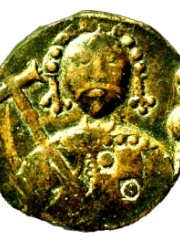
Robert Guiscard
NOBLEMAN
1016 - 1085
HPI: 75.16
Posizione: 3
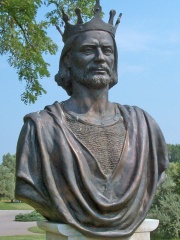
Béla I of Hungary
POLITICIAN
1016 - 1063
HPI: 72.18
Posizione: 4
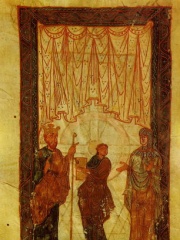
Ferdinand I of León
POLITICIAN
1016 - 1065
HPI: 70.48
Posizione: 5
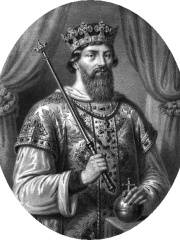
Casimir I the Restorer
POLITICIAN
1016 - 1058
HPI: 68.95
Posizione: 6

Deokjong of Goryeo
POLITICIAN
1016 - 1034
HPI: 64.05
Posizione: 7

Emperor Xingzong of Liao
POLITICIAN
1016 - 1055
HPI: 63.12
Posizione: 8
Naropa
RELIGIOUS FIGURE
1016 - 1100
HPI: 63.09
Posizione: 9

Edward the Exile
POLITICIAN
1016 - 1057
HPI: 62.55
Posizione: 10

Svein Knutsson
POLITICIAN
1016 - 1035
HPI: 62.16
Posizione: 11
Amadeus I, Count of Savoy
NOBLEMAN
1016 - 1051
HPI: 62.15
Posizione: 12
Altre persone decedute nel 1100
Vai a tutte le classifiche
Antipope Clement III
SOCIAL ACTIVIST
1025 - 1100
HPI: 69.51
Posizione: 5
Gudrid Thorbjarnardóttir
EXPLORER
1000 - 1100
HPI: 69.00
Posizione: 6

George Kedrenos
HISTORIAN
1100 - 1100
HPI: 66.85
Posizione: 7

Thorkell the Tall
POLITICIAN
901 - 1100
HPI: 65.72
Posizione: 8

Emperor Zhezong
POLITICIAN
1076 - 1100
HPI: 65.56
Posizione: 9
Bretislav II
POLITICIAN
1100 - 1100
HPI: 63.58
Posizione: 10
Naropa
RELIGIOUS FIGURE
1016 - 1100
HPI: 63.09
Posizione: 11

Stepanos Asoghik
HISTORIAN
1000 - 1100
HPI: 58.56
Posizione: 12

Edmund of Scotland
POLITICIAN
1100 - 1100
HPI: 57.82
Posizione: 13
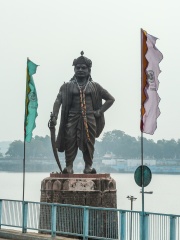
Bhoja
WRITER
1000 - 1100
HPI: 56.81
Posizione: 14

Leonti Mroveli
WRITER
HPI: 55.84
Posizione: 15
In Pakistan
Tra le persone nate in Pakistan, Naropa occupa la posizione 46 su 266. Prima di lui ci sono Imran Khan (1952), Guru Ram Das (1534), Hafiz Saeed (1950), Raja Dahir (663), Gulzarilal Nanda (1898), e Babita (1947). Dopo di lui ci sono Malik Ghulam Muhammad (1895), Amrita Pritam (1919), Khema (-550), Krishna Sobti (1925), Ghulam Ishaq Khan (1915), e Shujaat Hussain (1946).
Altre persone nate in Pakistan
Vai a tutte le classifiche
Imran Khan
POLITICIAN
1952 - presente
HPI: 65.38
Posizione: 40
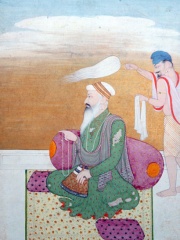
Guru Ram Das
SOCIAL ACTIVIST
1534 - 1581
HPI: 64.49
Posizione: 41

Hafiz Saeed
RELIGIOUS FIGURE
1950 - presente
HPI: 64.47
Posizione: 42

Raja Dahir
POLITICIAN
663 - 712
HPI: 64.28
Posizione: 43
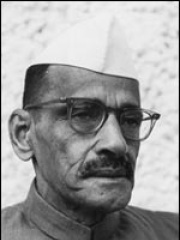
Gulzarilal Nanda
POLITICIAN
1898 - 1998
HPI: 64.24
Posizione: 44

Babita
ACTOR
1947 - presente
HPI: 63.68
Posizione: 45
Naropa
RELIGIOUS FIGURE
1016 - 1100
HPI: 63.09
Posizione: 46
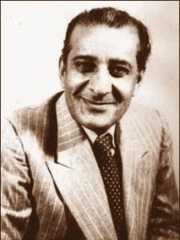
Malik Ghulam Muhammad
POLITICIAN
1895 - 1956
HPI: 62.90
Posizione: 47
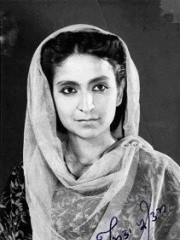
Amrita Pritam
WRITER
1919 - 2005
HPI: 62.74
Posizione: 48

Khema
POLITICIAN
550 BC - presente
HPI: 62.73
Posizione: 49
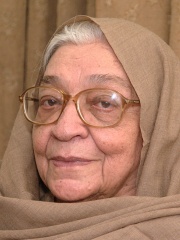
Krishna Sobti
WRITER
1925 - 2019
HPI: 62.45
Posizione: 50

Ghulam Ishaq Khan
POLITICIAN
1915 - 2006
HPI: 62.39
Posizione: 51
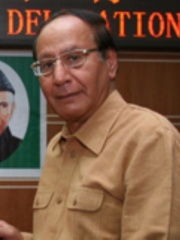
Shujaat Hussain
POLITICIAN
1946 - presente
HPI: 62.35
Posizione: 52
Tra Figura religiosa in Pakistan
Tra Figura religiosa nati in Pakistan, Naropa occupa la posizione 4. Prima di lui ci sono Guru Nanak (1469), Fariduddin Ganjshakar (1178), e Hafiz Saeed (1950). Dopo di lui ci sono Lokaksema (147), Valerian Gracias (1900), Mirza Masroor Ahmad (1950), e Khadim Hussain Rizvi (1966).
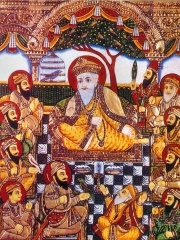
Guru Nanak
1469 - 1539
HPI: 85.46
Posizione: 1
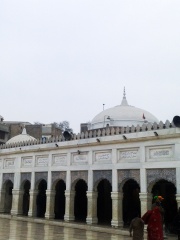
Fariduddin Ganjshakar
1178 - 1265
HPI: 68.11
Posizione: 2
Hafiz Saeed
1950 - presente
HPI: 64.47
Posizione: 3
Naropa
1016 - 1100
HPI: 63.09
Posizione: 4

Lokaksema
147 - 200
HPI: 61.42
Posizione: 5

Valerian Gracias
1900 - 1978
HPI: 53.28
Posizione: 6
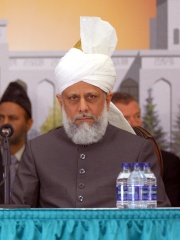
Mirza Masroor Ahmad
1950 - presente
HPI: 52.23
Posizione: 7
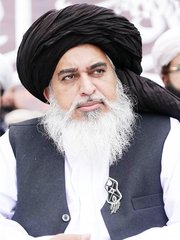
Khadim Hussain Rizvi
1966 - 2020
HPI: 40.53
Posizione: 8




