Politico
Josep Borrell
1947 - presente
VISUALIZZAZIONI SU IT.WIKIPEDIA (PV)
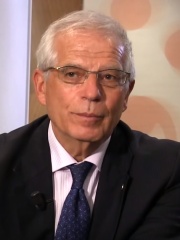

 Josep Borrell
La sua biografia è disponibile in 51 lingue su Wikipedia (in aumento rispetto a 49 nel 2024). Josep Borrell è il 1801° politico più popolare (in calo dal 687° nel 2024), la 136ª biografia più popolare della Spagna (in calo dal 64ª nel 2019) e il 38° politico più popolare della Spagna.
Metriche di memorabilità
200k
Visualizzazioni
Ultimi 12 mesi
72.83
HPI
Indice di popolarità storica
Dati in evidenza
#1
Josep Borrell è la personalità più memorabile tra le 2 persone illustri nate a La Pobla de Segur, Spagna.
51
La biografia di Josep Borrell compare in 51 edizioni linguistiche di Wikipedia — più del 90% di tutti i Politico.
24 apr
Josep Borrell condivide il compleanno (24 aprile) con Philippe Pétain, William the Silent e Vincent de Paul.
Visualizzazioni della pagina di Josep Borrell per lingua
Tra Politico
Tra Politico, Josep Borrell occupa la posizione 1,800 su 19,576. Prima di lui ci sono Edward, King of Portugal, Anitta, Æthelred the Unready, Lü Buwei, Stephen V of Hungary, e John Kerry. Dopo di lui ci sono Maymunah bint al-Harith, Necho II, Vishwanath Pratap Singh, José Manuel Barroso, Shivaji, e Katerina Sakellaropoulou.
Politico più popolari su Wikipedia
Vai a tutte le classifiche
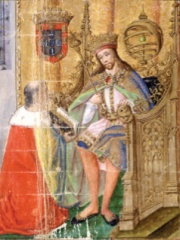
Edward, King of Portugal
1391 - 1438
HPI: 72.86
Posizione: 1,795
Anitta
1700 BC - 1740 BC
HPI: 72.85
Posizione: 1,796
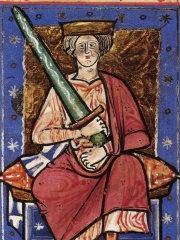
Æthelred the Unready
968 - 1016
HPI: 72.85
Posizione: 1,797
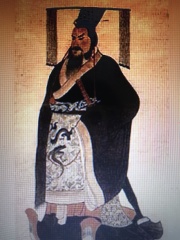
Lü Buwei
291 BC - 250 BC
HPI: 72.84
Posizione: 1,798
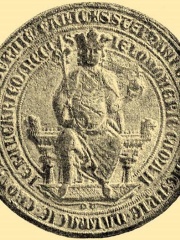
Stephen V of Hungary
1239 - 1272
HPI: 72.84
Posizione: 1,799
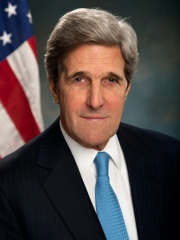
John Kerry
1943 - presente
HPI: 72.83
Posizione: 1,800
Josep Borrell
1947 - presente
HPI: 72.83
Posizione: 1,801

Maymunah bint al-Harith
594 - 674
HPI: 72.83
Posizione: 1,802
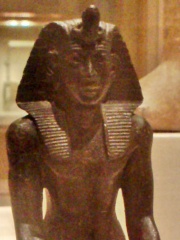
Necho II
625 BC - 595 BC
HPI: 72.82
Posizione: 1,803
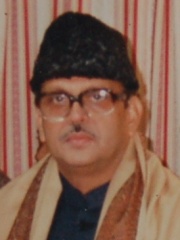
Vishwanath Pratap Singh
1931 - 2008
HPI: 72.82
Posizione: 1,804
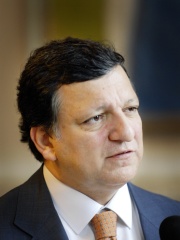
José Manuel Barroso
1956 - presente
HPI: 72.82
Posizione: 1,805
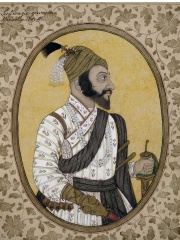
Shivaji
1627 - 1680
HPI: 72.81
Posizione: 1,806
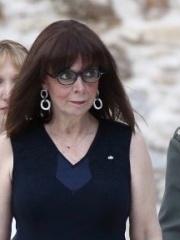
Katerina Sakellaropoulou
1956 - presente
HPI: 72.81
Posizione: 1,807

Contemporanei
Tra le persone nate nel 1947, Josep Borrell occupa la posizione 37. Prima di lui ci sono Gerd Binnig, Françoise Barré-Sinoussi, Paco de Lucía, France Gall, Michael Levitt, e Michael Porter. Dopo di lui ci sono Linda B. Buck, Kareem Abdul-Jabbar, Kevin Farrell, Tom Clancy, Roger D. Kornberg, e Sam Neill.
Altre persone nate nel 1947
Vai a tutte le classifiche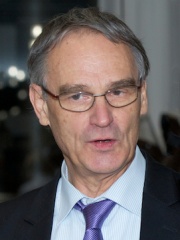
Gerd Binnig
PHYSICIST
1947 - presente
HPI: 73.15
Posizione: 31
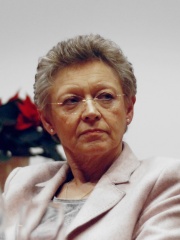
Françoise Barré-Sinoussi
BIOLOGIST
1947 - presente
HPI: 73.09
Posizione: 32
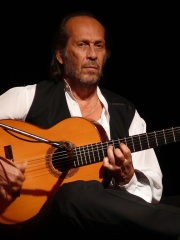
Paco de Lucía
MUSICIAN
1947 - 2014
HPI: 73.06
Posizione: 33

France Gall
SINGER
1947 - 2018
HPI: 72.97
Posizione: 34
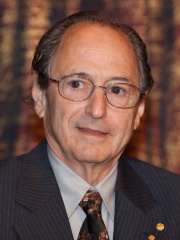
Michael Levitt
CHEMIST
1947 - presente
HPI: 72.94
Posizione: 35
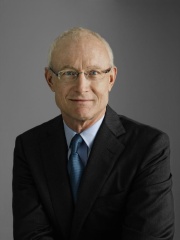
Michael Porter
ECONOMIST
1947 - presente
HPI: 72.84
Posizione: 36
Josep Borrell
POLITICIAN
1947 - presente
HPI: 72.83
Posizione: 37
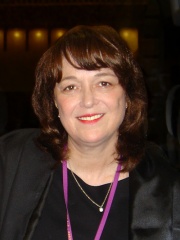
Linda B. Buck
BIOLOGIST
1947 - presente
HPI: 72.70
Posizione: 38
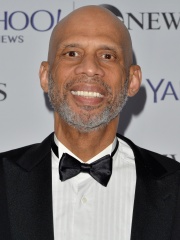
Kareem Abdul-Jabbar
BASKETBALL PLAYER
1947 - presente
HPI: 72.57
Posizione: 39
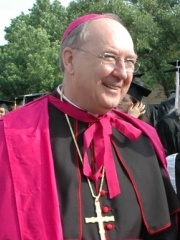
Kevin Farrell
RELIGIOUS FIGURE
1947 - presente
HPI: 72.27
Posizione: 40

Tom Clancy
WRITER
1947 - 2013
HPI: 72.02
Posizione: 41
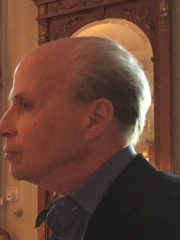
Roger D. Kornberg
CHEMIST
1947 - presente
HPI: 71.86
Posizione: 42
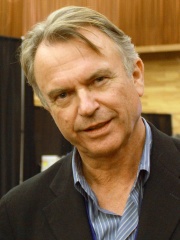
Sam Neill
ACTOR
1947 - presente
HPI: 71.59
Posizione: 43
In Spagna
Tra le persone nate in Spagna, Josep Borrell occupa la posizione 136 su 3,355. Prima di lui ci sono Peter of Castile (1334), Ricardo Zamora (1901), Francisco Suárez (1548), Paco de Lucía (1947), Ibn Hazm (994), e Josemaría Escrivá (1902). Dopo di lui ci sono Catherine of Navarre (1470), Princess Isabella of Parma (1741), Henry II of Navarre (1503), Diego de Almagro (1475), Isabella Clara Eugenia (1566), e Jacinto Benavente (1866).
Altre persone nate in Spagna
Vai a tutte le classifiche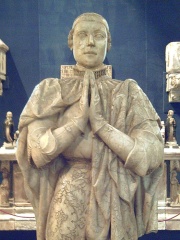
Peter of Castile
POLITICIAN
1334 - 1369
HPI: 73.17
Posizione: 130
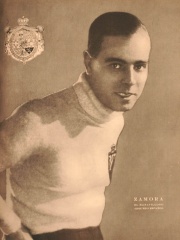
Ricardo Zamora
SOCCER PLAYER
1901 - 1978
HPI: 73.15
Posizione: 131
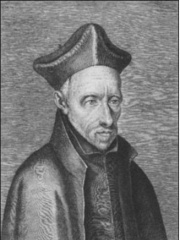
Francisco Suárez
PHILOSOPHER
1548 - 1617
HPI: 73.14
Posizione: 132
Paco de Lucía
MUSICIAN
1947 - 2014
HPI: 73.06
Posizione: 133
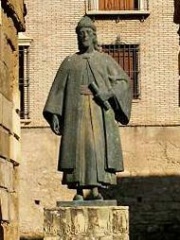
Ibn Hazm
RELIGIOUS FIGURE
994 - 1064
HPI: 72.87
Posizione: 134
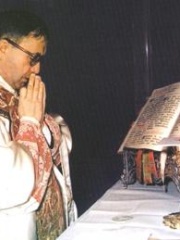
Josemaría Escrivá
RELIGIOUS FIGURE
1902 - 1975
HPI: 72.84
Posizione: 135
Josep Borrell
POLITICIAN
1947 - presente
HPI: 72.83
Posizione: 136
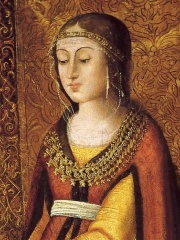
Catherine of Navarre
POLITICIAN
1470 - 1517
HPI: 72.72
Posizione: 137
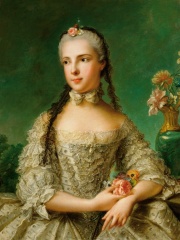
Princess Isabella of Parma
POLITICIAN
1741 - 1763
HPI: 72.63
Posizione: 138
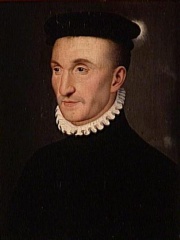
Henry II of Navarre
POLITICIAN
1503 - 1555
HPI: 72.54
Posizione: 139
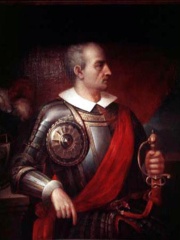
Diego de Almagro
EXPLORER
1475 - 1538
HPI: 72.51
Posizione: 140
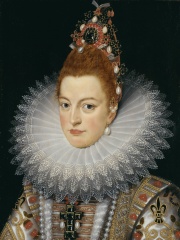
Isabella Clara Eugenia
POLITICIAN
1566 - 1633
HPI: 72.47
Posizione: 141
Jacinto Benavente
WRITER
1866 - 1954
HPI: 72.42
Posizione: 142
Tra Politico in Spagna
Tra Politico nati in Spagna, Josep Borrell occupa la posizione 38. Prima di lui ci sono Maria of Austria, Holy Roman Empress (1528), Pelagius of Asturias (685), Infante Juan, Count of Barcelona (1913), Manuel Azaña (1880), Ferdinand III of Castile (1199), e Peter of Castile (1334). Dopo di lui ci sono Catherine of Navarre (1470), Princess Isabella of Parma (1741), Henry II of Navarre (1503), Isabella Clara Eugenia (1566), Miguel Primo de Rivera (1870), e Alfonso VIII of Castile (1155).
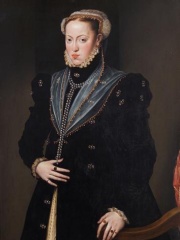
Maria of Austria, Holy Roman Empress
1528 - 1603
HPI: 73.99
Posizione: 32
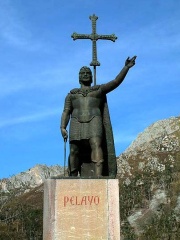
Pelagius of Asturias
685 - 737
HPI: 73.79
Posizione: 33
Infante Juan, Count of Barcelona
1913 - 1993
HPI: 73.75
Posizione: 34
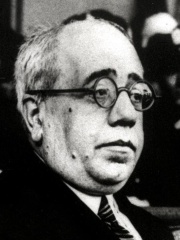
Manuel Azaña
1880 - 1940
HPI: 73.62
Posizione: 35
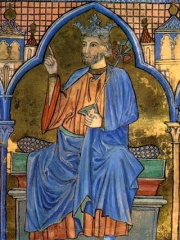
Ferdinand III of Castile
1199 - 1252
HPI: 73.30
Posizione: 36
Peter of Castile
1334 - 1369
HPI: 73.17
Posizione: 37
Josep Borrell
1947 - presente
HPI: 72.83
Posizione: 38
Catherine of Navarre
1470 - 1517
HPI: 72.72
Posizione: 39
Princess Isabella of Parma
1741 - 1763
HPI: 72.63
Posizione: 40
Henry II of Navarre
1503 - 1555
HPI: 72.54
Posizione: 41
Isabella Clara Eugenia
1566 - 1633
HPI: 72.47
Posizione: 42
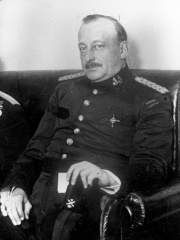
Miguel Primo de Rivera
1870 - 1930
HPI: 72.36
Posizione: 43
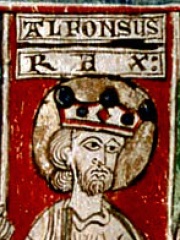
Alfonso VIII of Castile
1155 - 1214
HPI: 72.27
Posizione: 44




