Economist
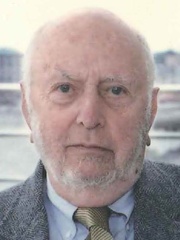
Michael Porter
American engineer and economist
1947 - today
EN.WIKIPEDIA PAGE VIEWS (PV)


 Michael Porter
His biography is available in 35 different languages on Wikipedia. Michael Porter is the 39th most popular economist (down from 29th in 2024), the 616th most popular biography from United States (down from 440th in 2019) and the 10th most popular American Economist. Learn more about Michael Porter's academic impact at Rankless.
Michael Porter is most famous for his five forces model, which is a framework for analyzing the competitive intensity of an industry. The five forces are: threat of new entrants, threat of substitutes, bargaining power of suppliers, bargaining power of buyers, and rivalry among existing competitors.
Memorability Metrics
170k
Page Views
Past 12 months
72.84
HPI
Historical Popularity Index
Page views of Michael Porter by language
Among Economists
Among economists, Michael Porter ranks 39 out of 414. Before him are Elinor Ostrom, Charles Cooley, Maurice Allais, Eugen Böhm von Bawerk, Simon Kuznets, and Carl Menger. After him are Barack Obama Sr., Léon Walras, Wassily Leontief, Leonid Hurwicz, John Hicks, and Jacques Delors.
Most Popular Economists in Wikipedia
Go to all Rankings
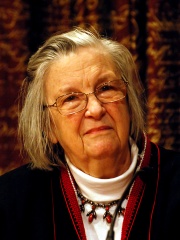
Elinor Ostrom
1933 - 2012
HPI: 73.30
Rank: 33
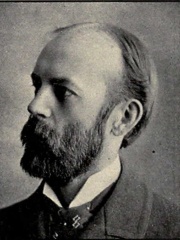
Charles Cooley
1864 - 1929
HPI: 73.19
Rank: 34
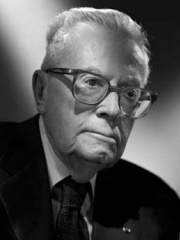
Maurice Allais
1911 - 2010
HPI: 73.08
Rank: 35
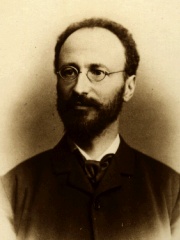
Eugen Böhm von Bawerk
1851 - 1914
HPI: 73.06
Rank: 36
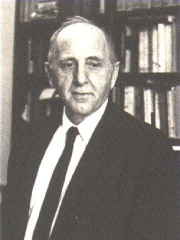
Simon Kuznets
1901 - 1985
HPI: 72.97
Rank: 37
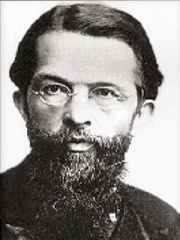
Carl Menger
1840 - 1921
HPI: 72.92
Rank: 38
Michael Porter
1947 - Present
HPI: 72.84
Rank: 39
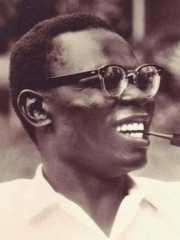
Barack Obama Sr.
1936 - 1982
HPI: 72.51
Rank: 40
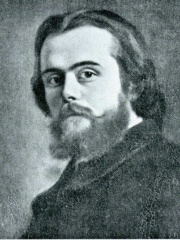
Léon Walras
1834 - 1910
HPI: 72.32
Rank: 41
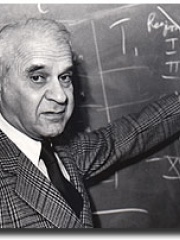
Wassily Leontief
1906 - 1999
HPI: 72.12
Rank: 42
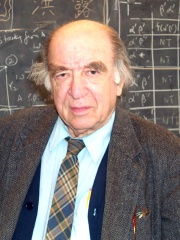
Leonid Hurwicz
1917 - 2008
HPI: 71.38
Rank: 43
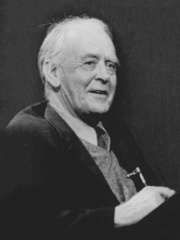
John Hicks
1904 - 1989
HPI: 71.34
Rank: 44
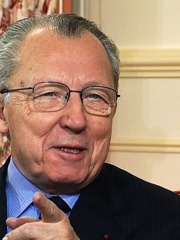
Jacques Delors
1925 - 2023
HPI: 71.31
Rank: 45

Contemporaries
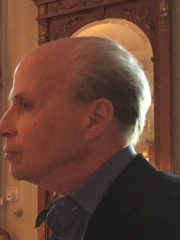
Among people born in 1947, Michael Porter ranks 36. Before him are Takeshi Kitano, Gerd Binnig, Françoise Barré-Sinoussi, Paco de Lucía, France Gall, and Michael Levitt. After him are Josep Borrell, Linda B. Buck, Kareem Abdul-Jabbar, Kevin Farrell, Tom Clancy, and Roger D. Kornberg.
Others Born in 1947
Go to all Rankings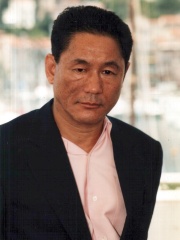
Takeshi Kitano
FILM DIRECTOR
1947 - Present
HPI: 73.76
Rank: 30
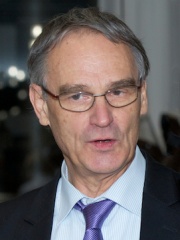
Gerd Binnig
PHYSICIST
1947 - Present
HPI: 73.15
Rank: 31

Françoise Barré-Sinoussi
BIOLOGIST
1947 - Present
HPI: 73.09
Rank: 32

Paco de Lucía
MUSICIAN
1947 - 2014
HPI: 73.06
Rank: 33

France Gall
SINGER
1947 - 2018
HPI: 72.97
Rank: 34
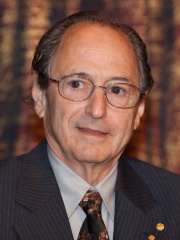
Michael Levitt
CHEMIST
1947 - Present
HPI: 72.94
Rank: 35
Michael Porter
ECONOMIST
1947 - Present
HPI: 72.84
Rank: 36

Josep Borrell
POLITICIAN
1947 - Present
HPI: 72.83
Rank: 37

Linda B. Buck
BIOLOGIST
1947 - Present
HPI: 72.70
Rank: 38
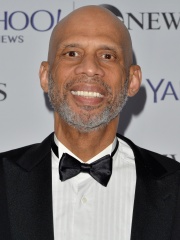
Kareem Abdul-Jabbar
BASKETBALL PLAYER
1947 - Present
HPI: 72.57
Rank: 39

Kevin Farrell
RELIGIOUS FIGURE
1947 - Present
HPI: 72.27
Rank: 40

Tom Clancy
WRITER
1947 - 2013
HPI: 72.02
Rank: 41
Roger D. Kornberg
CHEMIST
1947 - Present
HPI: 71.86
Rank: 42
In United States
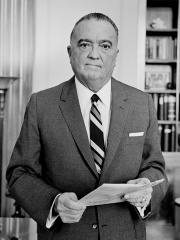
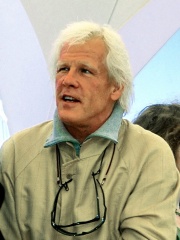
Among people born in United States, Michael Porter ranks 616 out of NaN. Before him are George Westinghouse (1846), J. Edgar Hoover (1895), Nick Nolte (1941), Jim Simons (1938), Howard Gardner (1943), and Warren Beatty (1937). After him are John Kerry (1943), Jerry Lewis (1926), Leon Cooper (1930), A. L. Kroeber (1876), Edward W. Morley (1838), and Mia Farrow (1945).
Others born in United States
Go to all Rankings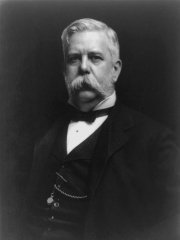
George Westinghouse
INVENTOR
1846 - 1914
HPI: 72.92
Rank: 610
J. Edgar Hoover
LAWYER
1895 - 1972
HPI: 72.91
Rank: 611
Nick Nolte
ACTOR
1941 - Present
HPI: 72.90
Rank: 612
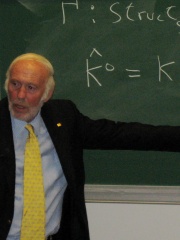
Jim Simons
MATHEMATICIAN
1938 - 2024
HPI: 72.89
Rank: 613
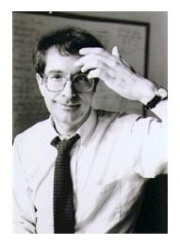
Howard Gardner
PSYCHOLOGIST
1943 - Present
HPI: 72.88
Rank: 614
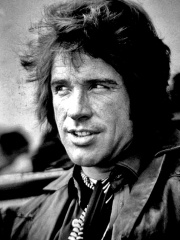
Warren Beatty
ACTOR
1937 - Present
HPI: 72.88
Rank: 615
Michael Porter
ECONOMIST
1947 - Present
HPI: 72.84
Rank: 616
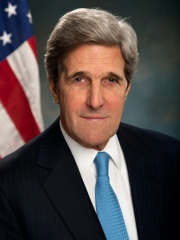
John Kerry
POLITICIAN
1943 - Present
HPI: 72.83
Rank: 617

Jerry Lewis
ACTOR
1926 - 2017
HPI: 72.82
Rank: 618
Leon Cooper
PHYSICIST
1930 - 2024
HPI: 72.81
Rank: 619
A. L. Kroeber
ANTHROPOLOGIST
1876 - 1960
HPI: 72.81
Rank: 620
Edward W. Morley
CHEMIST
1838 - 1923
HPI: 72.77
Rank: 621
Mia Farrow
ACTOR
1945 - Present
HPI: 72.75
Rank: 622
Among Economists In United States
Among economists born in United States, Michael Porter ranks 10. Before him are William F. Sharpe (1934), Robert Lucas Jr. (1937), Paul Samuelson (1915), Joseph Stiglitz (1943), Elinor Ostrom (1933), and Charles Cooley (1864). After him are Walt Whitman Rostow (1916), Edmund Phelps (1933), Gary Becker (1930), Jeffrey Sachs (1954), Theodore Schultz (1902), and Douglass North (1920).
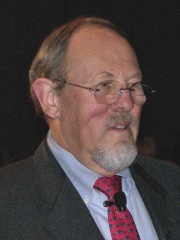
William F. Sharpe
1934 - Present
HPI: 74.32
Rank: 4
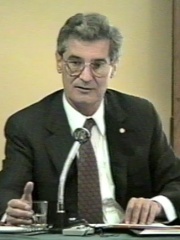
Robert Lucas Jr.
1937 - 2023
HPI: 74.05
Rank: 5
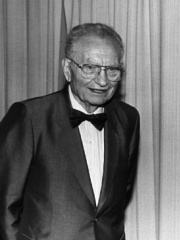
Paul Samuelson
1915 - 2009
HPI: 74.01
Rank: 6
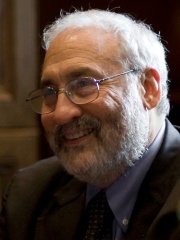
Joseph Stiglitz
1943 - Present
HPI: 73.63
Rank: 7
Elinor Ostrom
1933 - 2012
HPI: 73.30
Rank: 8
Charles Cooley
1864 - 1929
HPI: 73.19
Rank: 9
Michael Porter
1947 - Present
HPI: 72.84
Rank: 10
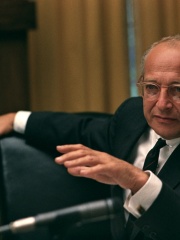
Walt Whitman Rostow
1916 - 2003
HPI: 71.27
Rank: 11
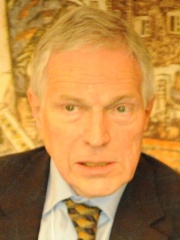
Edmund Phelps
1933 - 2026
HPI: 71.04
Rank: 12
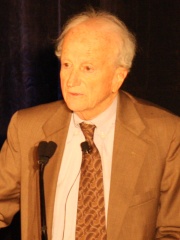
Gary Becker
1930 - 2014
HPI: 71.02
Rank: 13

Jeffrey Sachs
1954 - Present
HPI: 70.31
Rank: 14
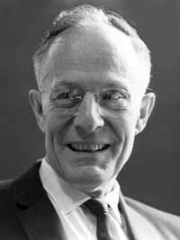
Theodore Schultz
1902 - 1998
HPI: 70.22
Rank: 15
Douglass North
1920 - 2015
HPI: 69.84
Rank: 16




