Figura religiosa
Januarius
272 - 305
VISUALIZZAZIONI SU IT.WIKIPEDIA (PV)
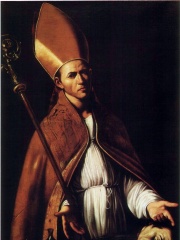
 Januarius
La sua biografia è disponibile in 39 lingue su Wikipedia (in aumento rispetto a 38 nel 2024). Januarius è il 480° figura religiosa più popolare (in calo dal 425° nel 2024), la 536ª biografia più popolare dell'Italia (in calo dal 482ª nel 2019) e il 225° figura religiosa più popolare dell'Italia.
Metriche di memorabilità
270k
Visualizzazioni
Ultimi 12 mesi
74.51
HPI
Indice di popolarità storica
Visualizzazioni della pagina di Januarius per lingua
Tra Figura religiosa
Tra Figura religiosa, Januarius occupa la posizione 480 su 3,187. Prima di lui ci sono Sabbatai Zevi, Alphonsus Liguori, Eber, Tarcisio Bertone, Mary of Egypt, e Isaac of Nineveh. Dopo di lui ci sono Gregory Palamas, Amenhotep I, Pope Agapetus II, Yasuke, Luis Antonio Tagle, e Saint Apollonia.
Figura religiosa più popolari su Wikipedia
Vai a tutte le classifiche

Sabbatai Zevi
1626 - 1676
HPI: 74.60
Posizione: 474
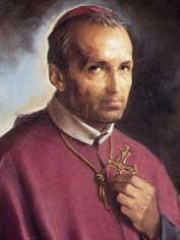
Alphonsus Liguori
1696 - 1787
HPI: 74.58
Posizione: 475
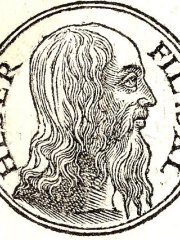
Eber
2038 BC - 1574 BC
HPI: 74.57
Posizione: 476
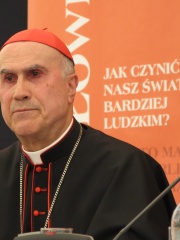
Tarcisio Bertone
1934 - presente
HPI: 74.55
Posizione: 477
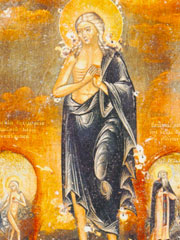
Mary of Egypt
344 - 421
HPI: 74.54
Posizione: 478
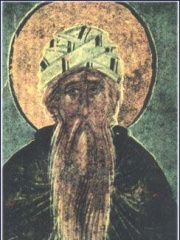
Isaac of Nineveh
640 - 700
HPI: 74.53
Posizione: 479
Januarius
272 - 305
HPI: 74.51
Posizione: 480
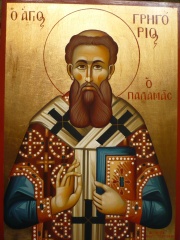
Gregory Palamas
1296 - 1359
HPI: 74.49
Posizione: 481

Amenhotep I
1530 BC - 1503 BC
HPI: 74.47
Posizione: 482
Pope Agapetus II
900 - 955
HPI: 74.45
Posizione: 483

Yasuke
1530 - presente
HPI: 74.43
Posizione: 484

Luis Antonio Tagle
1957 - presente
HPI: 74.40
Posizione: 485

Saint Apollonia
110 - 249
HPI: 74.33
Posizione: 486

Contemporanei
Tra le persone nate nel 272, Januarius occupa la posizione 2. Prima di lui c'è Constantine the Great. Dopo di lui c'è Fermin. Tra le persone decedute nel 305, Januarius occupa la posizione 4. Prima di lui ci sono Catherine of Alexandria, Porphyry, e Agnes of Rome. Dopo di lui ci sono Julian of Antioch, e Saint Alban.
Altre persone nate nel 272
Vai a tutte le classifiche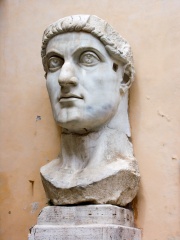
Constantine the Great
POLITICIAN
272 - 337
HPI: 89.00
Posizione: 1
Januarius
RELIGIOUS FIGURE
272 - 305
HPI: 74.51
Posizione: 2

Fermin
RELIGIOUS FIGURE
272 - 303
HPI: 63.73
Posizione: 3
Altre persone decedute nel 305
Vai a tutte le classifiche
Catherine of Alexandria
RELIGIOUS FIGURE
287 - 305
HPI: 81.57
Posizione: 1
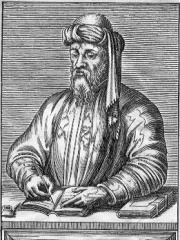
Porphyry
PHILOSOPHER
233 - 305
HPI: 80.06
Posizione: 2
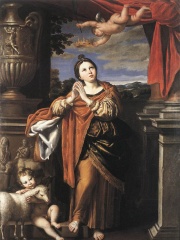
Agnes of Rome
RELIGIOUS FIGURE
291 - 305
HPI: 79.22
Posizione: 3
Januarius
RELIGIOUS FIGURE
272 - 305
HPI: 74.51
Posizione: 4

Julian of Antioch
RELIGIOUS FIGURE
231 - 305
HPI: 62.94
Posizione: 5
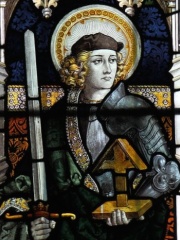
Saint Alban
RELIGIOUS FIGURE
300 - 305
HPI: 61.56
Posizione: 6
In Italia
Tra le persone nate in Italia, Januarius occupa la posizione 536 su NaN. Prima di lui ci sono Roberto Rossellini (1906), Giovanni Schiaparelli (1835), Ferdinando I de' Medici, Grand Duke of Tuscany (1549), Tarcisio Bertone (1934), Peter Damian (1007), e Trebonianus Gallus (206). Dopo di lui ci sono Gaius Gracchus (-154), Gabriele D'Annunzio (1863), Salvatore Riina (1930), Emilio Segrè (1905), Pope Agapetus II (900), e Theocritus (-315).
Altre persone nate in Italia
Vai a tutte le classifiche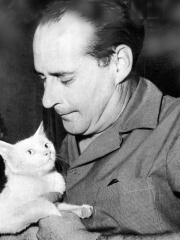
Roberto Rossellini
FILM DIRECTOR
1906 - 1977
HPI: 74.58
Posizione: 530
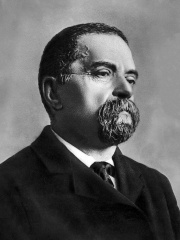
Giovanni Schiaparelli
ASTRONOMER
1835 - 1910
HPI: 74.56
Posizione: 531
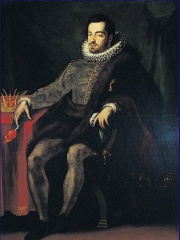
Ferdinando I de' Medici, Grand Duke of Tuscany
NOBLEMAN
1549 - 1609
HPI: 74.55
Posizione: 532
Tarcisio Bertone
RELIGIOUS FIGURE
1934 - presente
HPI: 74.55
Posizione: 533

Peter Damian
PHYSICIAN
1007 - 1072
HPI: 74.53
Posizione: 534
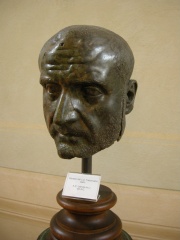
Trebonianus Gallus
POLITICIAN
206 - 253
HPI: 74.53
Posizione: 535
Januarius
RELIGIOUS FIGURE
272 - 305
HPI: 74.51
Posizione: 536
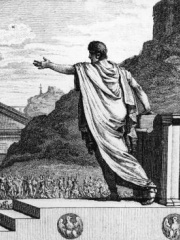
Gaius Gracchus
POLITICIAN
154 BC - 121 BC
HPI: 74.51
Posizione: 537
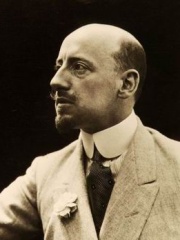
Gabriele D'Annunzio
WRITER
1863 - 1938
HPI: 74.51
Posizione: 538
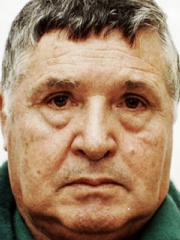
Salvatore Riina
MAFIOSO
1930 - 2017
HPI: 74.49
Posizione: 539
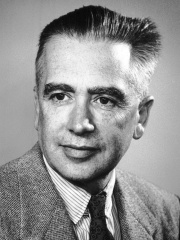
Emilio Segrè
PHYSICIST
1905 - 1989
HPI: 74.45
Posizione: 540
Pope Agapetus II
RELIGIOUS FIGURE
900 - 955
HPI: 74.45
Posizione: 541
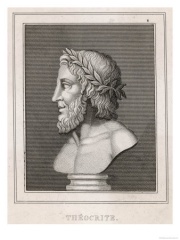
Theocritus
WRITER
315 BC - 260 BC
HPI: 74.44
Posizione: 542
Tra Figura religiosa in Italia
Tra Figura religiosa nati in Italia, Januarius occupa la posizione 225. Prima di lui ci sono Pope Hilarius (415), Pope Stephen VIII (900), Pope Valentine (780), Pope Miltiades (250), Alphonsus Liguori (1696), e Tarcisio Bertone (1934). Dopo di lui ci sono Pope Agapetus II (900), Pope Agapetus I (490), Pope Benedict V (930), Pope Stephen II (715), Pope Marcellinus (250), e Pope Boniface II (470).

Pope Hilarius
415 - 468
HPI: 74.81
Posizione: 219
Pope Stephen VIII
900 - 942
HPI: 74.77
Posizione: 220
Pope Valentine
780 - 827
HPI: 74.71
Posizione: 221
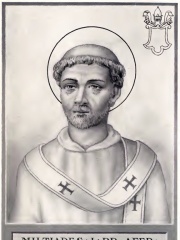
Pope Miltiades
250 - 314
HPI: 74.70
Posizione: 222
Alphonsus Liguori
1696 - 1787
HPI: 74.58
Posizione: 223
Tarcisio Bertone
1934 - presente
HPI: 74.55
Posizione: 224
Januarius
272 - 305
HPI: 74.51
Posizione: 225
Pope Agapetus II
900 - 955
HPI: 74.45
Posizione: 226
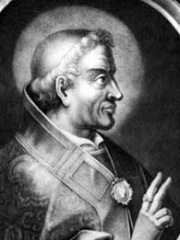
Pope Agapetus I
490 - 536
HPI: 74.22
Posizione: 227
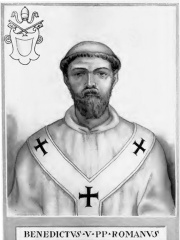
Pope Benedict V
930 - 965
HPI: 74.02
Posizione: 228

Pope Stephen II
715 - 757
HPI: 74.00
Posizione: 229
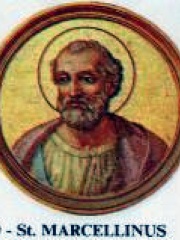
Pope Marcellinus
250 - 304
HPI: 73.77
Posizione: 230
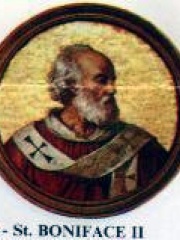
Pope Boniface II
470 - 532
HPI: 73.77
Posizione: 231




