Figura religiosa
Ibn Majah
824 - 886
VISUALIZZAZIONI SU IT.WIKIPEDIA (PV)

 Ibn Majah
La sua biografia è disponibile in 34 lingue su Wikipedia (in aumento rispetto a 33 nel 2024). Ibn Majah è il 577° figura religiosa più popolare (in calo dal 500° nel 2024), la 65ª biografia più popolare dell'Iran (in aumento dal 67ª nel 2019) e il 9° figura religiosa più popolare dell'Iran.
Metriche di memorabilità
58k
Visualizzazioni
Ultimi 12 mesi
72.73
HPI
Indice di popolarità storica
Visualizzazioni della pagina di Ibn Majah per lingua
Tra Figura religiosa
Tra Figura religiosa, Ibn Majah occupa la posizione 577 su 3,187. Prima di lui ci sono Pope Severinus, Pope Stephen V, Paul the Deacon, Meritaten, Nicodemus, e Musa al-Kadhim. Dopo di lui ci sono Kane Tanaka, Francis of Paola, Patriarch Kirill of Moscow, Hasan al-Askari, Saint Rosalia, e Marcel Lefebvre.
Figura religiosa più popolari su Wikipedia
Vai a tutte le classifiche
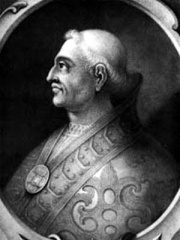
Pope Severinus
600 - 640
HPI: 72.83
Posizione: 571
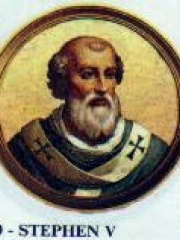
Pope Stephen V
850 - 891
HPI: 72.83
Posizione: 572

Paul the Deacon
720 - 799
HPI: 72.76
Posizione: 573
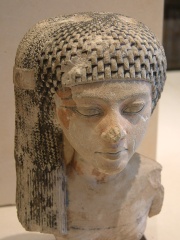
Meritaten
1400 BC - 1400 BC
HPI: 72.75
Posizione: 574

Nicodemus
50 BC - 100
HPI: 72.75
Posizione: 575
Musa al-Kadhim
745 - 799
HPI: 72.74
Posizione: 576
Ibn Majah
824 - 886
HPI: 72.73
Posizione: 577

Kane Tanaka
1903 - 2022
HPI: 72.71
Posizione: 578
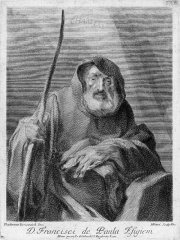
Francis of Paola
1416 - 1507
HPI: 72.69
Posizione: 579
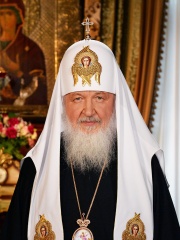
Patriarch Kirill of Moscow
1946 - presente
HPI: 72.65
Posizione: 580
Hasan al-Askari
846 - 874
HPI: 72.62
Posizione: 581

Saint Rosalia
1130 - 1166
HPI: 72.61
Posizione: 582
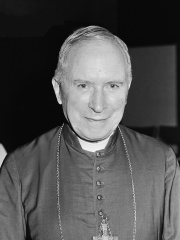
Marcel Lefebvre
1905 - 1991
HPI: 72.59
Posizione: 583

Contemporanei
Tra le persone nate nel 824, Ibn Majah occupa la posizione 2. Prima di lui c'è Al-Tirmidhi. Tra le persone decedute nel 886, Ibn Majah occupa la posizione 2. Prima di lui c'è Basil I. Dopo di lui ci sono Abu Maʿshar, Muhammad I of Córdoba, Joseph the Hymnographer, Bernard Plantapilosa, García Jiménez of Pamplona, e Adalbert I, Margrave of Tuscany.
Altre persone nate nel 824
Vai a tutte le classifiche
Al-Tirmidhi
RELIGIOUS FIGURE
824 - 892
HPI: 76.62
Posizione: 1
Ibn Majah
RELIGIOUS FIGURE
824 - 886
HPI: 72.73
Posizione: 2
Altre persone decedute nel 886
Vai a tutte le classifiche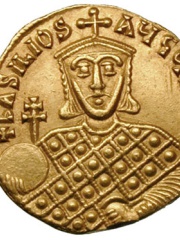
Basil I
POLITICIAN
811 - 886
HPI: 75.53
Posizione: 1
Ibn Majah
RELIGIOUS FIGURE
824 - 886
HPI: 72.73
Posizione: 2
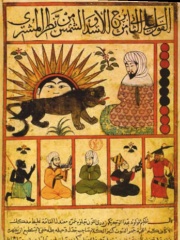
Abu Maʿshar
ASTRONOMER
787 - 886
HPI: 71.24
Posizione: 3
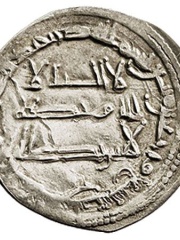
Muhammad I of Córdoba
POLITICIAN
823 - 886
HPI: 68.72
Posizione: 4
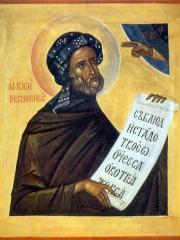
Joseph the Hymnographer
RELIGIOUS FIGURE
816 - 886
HPI: 61.44
Posizione: 5
Bernard Plantapilosa
POLITICIAN
841 - 886
HPI: 60.96
Posizione: 6

García Jiménez of Pamplona
POLITICIAN
800 - 886
HPI: 59.96
Posizione: 7

Adalbert I, Margrave of Tuscany
POLITICIAN
820 - 886
HPI: 57.09
Posizione: 8
In Iran
Tra le persone nate in Iran, Ibn Majah occupa la posizione 65 su NaN. Prima di lui ci sono Attar of Nishapur (1145), Moshe Katsav (1945), Masoud Barzani (1946), Abbas Kiarostami (1940), Masoud Pezeshkian (1954), e Cyaxares (-700). Dopo di lui ci sono Achaemenes (-800), Shapur II (309), Cyrus I (-690), Soraya Esfandiary-Bakhtiary (1932), Abu al-Wafa' Buzjani (940), e Tekuder (1247).
Altre persone nate in Iran
Vai a tutte le classifiche
Attar of Nishapur
WRITER
1145 - 1220
HPI: 73.64
Posizione: 59
Moshe Katsav
POLITICIAN
1945 - presente
HPI: 73.42
Posizione: 60
Masoud Barzani
POLITICIAN
1946 - presente
HPI: 73.21
Posizione: 61

Abbas Kiarostami
FILM DIRECTOR
1940 - 2016
HPI: 72.89
Posizione: 62
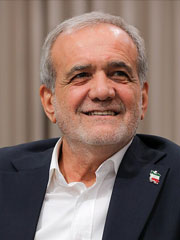
Masoud Pezeshkian
POLITICIAN
1954 - presente
HPI: 72.79
Posizione: 63
Cyaxares
POLITICIAN
700 BC - 584 BC
HPI: 72.79
Posizione: 64
Ibn Majah
RELIGIOUS FIGURE
824 - 886
HPI: 72.73
Posizione: 65
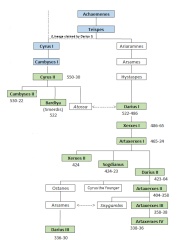
Achaemenes
POLITICIAN
800 BC - 700 BC
HPI: 72.65
Posizione: 66
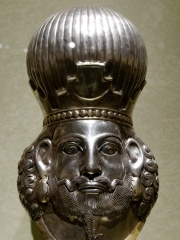
Shapur II
POLITICIAN
309 - 379
HPI: 72.64
Posizione: 67
Cyrus I
POLITICIAN
690 BC - 580 BC
HPI: 72.49
Posizione: 68

Soraya Esfandiary-Bakhtiary
COMPANION
1932 - 2001
HPI: 72.31
Posizione: 69
Abu al-Wafa' Buzjani
MATHEMATICIAN
940 - 998
HPI: 72.26
Posizione: 70
Tekuder
POLITICIAN
1247 - 1284
HPI: 72.05
Posizione: 71
Tra Figura religiosa in Iran
Tra Figura religiosa nati in Iran, Ibn Majah occupa la posizione 9. Prima di lui ci sono Bahá'u'lláh (1817), Esther (-600), Abdul Qadir Gilani (1078), Hasan-i Sabbah (1050), Muslim ibn al-Hajjaj (817), e Báb (1819). Dopo di lui ci sono `Abdu'l-Bahá (1844), Mordecai (null), Sasan (200), Anastasius of Persia (550), Hamza ibn-'Ali ibn-Ahmad (985), e Safi-ad-din Ardabili (1252).
Bahá'u'lláh
1817 - 1892
HPI: 81.34
Posizione: 3
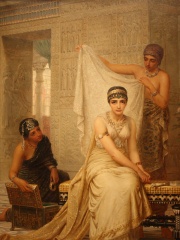
Esther
600 BC - 500 BC
HPI: 81.25
Posizione: 4
Abdul Qadir Gilani
1078 - 1166
HPI: 79.64
Posizione: 5
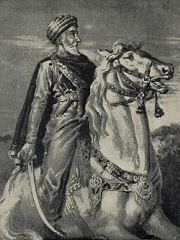
Hasan-i Sabbah
1050 - 1124
HPI: 79.08
Posizione: 6
Muslim ibn al-Hajjaj
817 - 875
HPI: 76.60
Posizione: 7
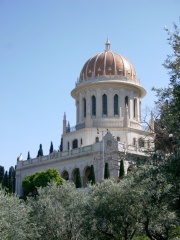
Báb
1819 - 1850
HPI: 73.80
Posizione: 8
Ibn Majah
824 - 886
HPI: 72.73
Posizione: 9
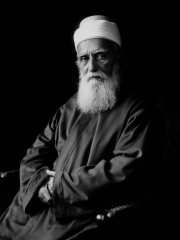
`Abdu'l-Bahá
1844 - 1921
HPI: 71.89
Posizione: 10

Mordecai
HPI: 70.14
Posizione: 11

Sasan
200 - 300
HPI: 67.65
Posizione: 12
Anastasius of Persia
550 - 628
HPI: 67.53
Posizione: 13

Hamza ibn-'Ali ibn-Ahmad
985 - 1021
HPI: 67.33
Posizione: 14
Safi-ad-din Ardabili
1252 - 1334
HPI: 67.23
Posizione: 15




