Figura religiosa
Honoratus
365 - 430
VISUALIZZAZIONI SU IT.WIKIPEDIA (PV)
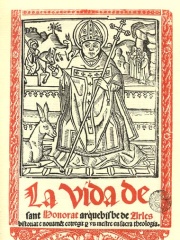
 Honoratus
La sua biografia è disponibile in 18 lingue su Wikipedia (in aumento rispetto a 16 nel 2024). Honoratus è il 1672° figura religiosa più popolare (in calo dal 1604° nel 2024), la 2434ª biografia più popolare della Germania (in aumento dal 2549ª nel 2019) e il 59° figura religiosa più popolare della Germania.
Metriche di memorabilità
15k
Visualizzazioni
Ultimi 12 mesi
62.46
HPI
Indice di popolarità storica
Dati in evidenza
#27,397
A oltre 15 secoli dalla morte, Honoratus occupa ancora la posizione n. 27,397 tra tutte le personalità di Pantheon.
1 gen
Honoratus condivide il compleanno (1 gennaio) con Mary, mother of Jesus, Saint Peter e Laozi.
Visualizzazioni della pagina di Honoratus per lingua
Tra Figura religiosa
Tra Figura religiosa, Honoratus occupa la posizione 1,672 su 3,187. Prima di lui ci sono Nicola Canali, Nathan, Shenoute, Jianzhen, Johann Theodor of Bavaria, e Peter of Sebaste. Dopo di lui ci sono Fray Tomás de Berlanga, Kuchum, Arlindo Gomes Furtado, Antônio de Castro Mayer, Stephen of Perm, e Anna Vyrubova.
Figura religiosa più popolari su Wikipedia
Vai a tutte le classifiche
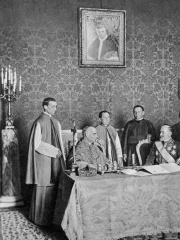
Nicola Canali
1874 - 1961
HPI: 62.50
Posizione: 1,666
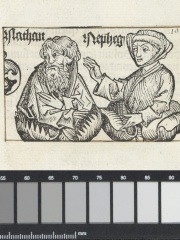
Nathan
1000 BC - 960 BC
HPI: 62.48
Posizione: 1,667
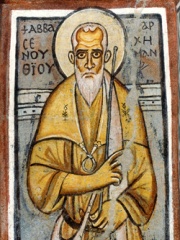
Shenoute
348 - 466
HPI: 62.47
Posizione: 1,668
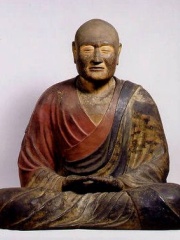
Jianzhen
688 - 763
HPI: 62.47
Posizione: 1,669
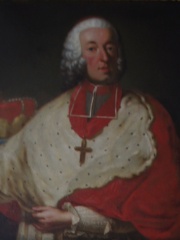
Johann Theodor of Bavaria
1703 - 1763
HPI: 62.47
Posizione: 1,670

Peter of Sebaste
345 - 390
HPI: 62.47
Posizione: 1,671
Honoratus
365 - 430
HPI: 62.46
Posizione: 1,672
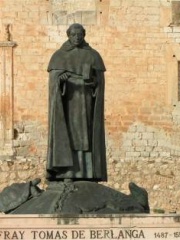
Fray Tomás de Berlanga
1487 - 1551
HPI: 62.46
Posizione: 1,673
Kuchum
1600 - 1601
HPI: 62.43
Posizione: 1,674
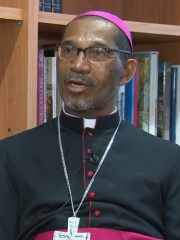
Arlindo Gomes Furtado
1949 - presente
HPI: 62.43
Posizione: 1,675
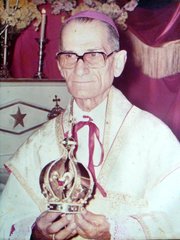
Antônio de Castro Mayer
1904 - 1991
HPI: 62.43
Posizione: 1,676
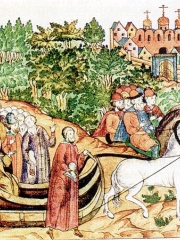
Stephen of Perm
1340 - 1396
HPI: 62.42
Posizione: 1,677
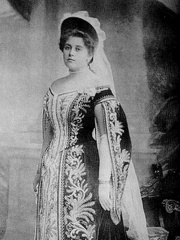
Anna Vyrubova
1884 - 1964
HPI: 62.38
Posizione: 1,678

Contemporanei
Tra le persone nate nel 365, Honoratus occupa la posizione 3. Prima di lui ci sono Tao Yuanming, e Serena. Tra le persone decedute nel 430, Honoratus occupa la posizione 5. Prima di lui ci sono Augustine of Hippo, Macrobius, Octar, e Saint Aurelius. Dopo di lui c'è Nilus of Sinai.
Altre persone nate nel 365
Vai a tutte le classifiche
Tao Yuanming
WRITER
365 - 427
HPI: 69.63
Posizione: 1
Serena
MILITARY PERSONNEL
365 - 408
HPI: 65.97
Posizione: 2
Honoratus
RELIGIOUS FIGURE
365 - 430
HPI: 62.46
Posizione: 3
Altre persone decedute nel 430
Vai a tutte le classifiche
Augustine of Hippo
PHILOSOPHER
354 - 430
HPI: 90.39
Posizione: 1
Macrobius
PHILOSOPHER
370 - 430
HPI: 68.81
Posizione: 2

Octar
POLITICIAN
350 - 430
HPI: 62.89
Posizione: 3

Saint Aurelius
RELIGIOUS FIGURE
301 - 430
HPI: 62.85
Posizione: 4
Honoratus
RELIGIOUS FIGURE
365 - 430
HPI: 62.46
Posizione: 5
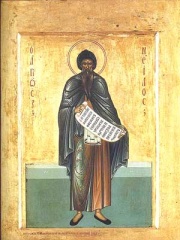
Nilus of Sinai
RELIGIOUS FIGURE
400 - 430
HPI: 59.20
Posizione: 6
In Germania
Tra le persone nate in Germania, Honoratus occupa la posizione 2,434 su 7,253. Prima di lui ci sono Karlheinz Deschner (1924), Reiner Stahel (1892), Uri Avnery (1923), Johann Theodor of Bavaria (1703), Maria Aurora von Königsmarck (1662), e Fred Uhlman (1901). Dopo di lui ci sono Ernst Chladni (1756), August Batsch (1761), Carl Ludwig Siegel (1896), Sebastian Haffner (1907), Princess Louise of Hesse-Darmstadt (1757), e William, Duke of Saxe-Weimar (1598).
Altre persone nate in Germania
Vai a tutte le classifiche
Karlheinz Deschner
WRITER
1924 - 2014
HPI: 62.47
Posizione: 2,428
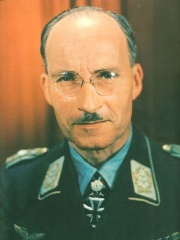
Reiner Stahel
MILITARY PERSONNEL
1892 - 1955
HPI: 62.47
Posizione: 2,429

Uri Avnery
WRITER
1923 - 2018
HPI: 62.47
Posizione: 2,430
Johann Theodor of Bavaria
RELIGIOUS FIGURE
1703 - 1763
HPI: 62.47
Posizione: 2,431
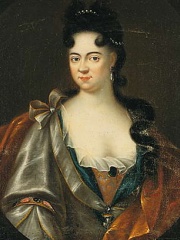
Maria Aurora von Königsmarck
POLITICIAN
1662 - 1728
HPI: 62.46
Posizione: 2,432

Fred Uhlman
WRITER
1901 - 1985
HPI: 62.46
Posizione: 2,433
Honoratus
RELIGIOUS FIGURE
365 - 430
HPI: 62.46
Posizione: 2,434
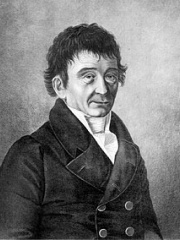
Ernst Chladni
PHYSICIST
1756 - 1827
HPI: 62.46
Posizione: 2,435
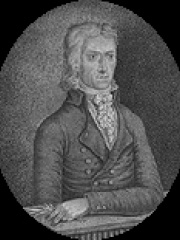
August Batsch
BIOLOGIST
1761 - 1802
HPI: 62.46
Posizione: 2,436
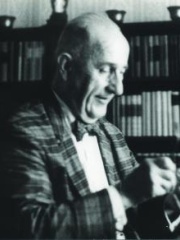
Carl Ludwig Siegel
MATHEMATICIAN
1896 - 1981
HPI: 62.45
Posizione: 2,437
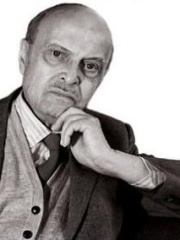
Sebastian Haffner
WRITER
1907 - 1999
HPI: 62.45
Posizione: 2,438
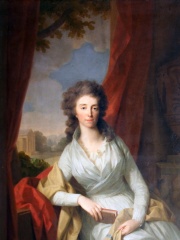
Princess Louise of Hesse-Darmstadt
NOBLEMAN
1757 - 1830
HPI: 62.45
Posizione: 2,439
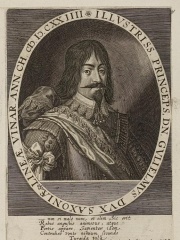
William, Duke of Saxe-Weimar
POLITICIAN
1598 - 1662
HPI: 62.44
Posizione: 2,440
Tra Figura religiosa in Germania
Tra Figura religiosa nati in Germania, Honoratus occupa la posizione 59. Prima di lui ci sono Walter Brandmüller (1929), Arp Schnitger (1648), Wolfgang of Regensburg (924), Benno (1010), Irmina of Oeren (700), e Johann Theodor of Bavaria (1703). Dopo di lui ci sono Anna Schäffer (1882), Adalbert of Hamburg (1000), Peter Schöffer (1420), Ludwig Müller (1883), Josef Frings (1887), e Poppo von Osterna (1200).

Walter Brandmüller
1929 - presente
HPI: 63.47
Posizione: 53
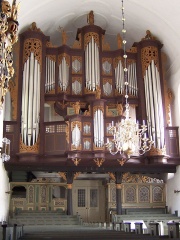
Arp Schnitger
1648 - 1719
HPI: 63.32
Posizione: 54
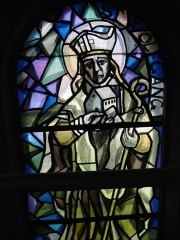
Wolfgang of Regensburg
924 - 994
HPI: 63.26
Posizione: 55
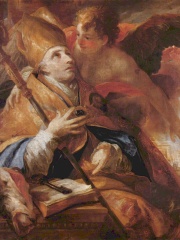
Benno
1010 - 1106
HPI: 62.91
Posizione: 56
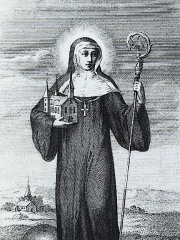
Irmina of Oeren
700 - 716
HPI: 62.60
Posizione: 57
Johann Theodor of Bavaria
1703 - 1763
HPI: 62.47
Posizione: 58
Honoratus
365 - 430
HPI: 62.46
Posizione: 59
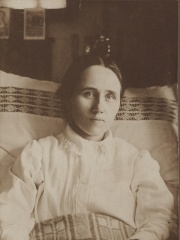
Anna Schäffer
1882 - 1925
HPI: 62.26
Posizione: 60
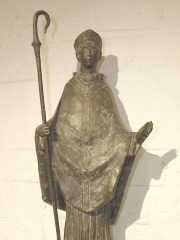
Adalbert of Hamburg
1000 - 1072
HPI: 62.23
Posizione: 61
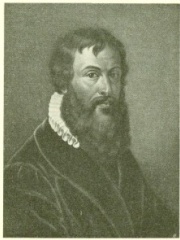
Peter Schöffer
1420 - 1503
HPI: 62.14
Posizione: 62
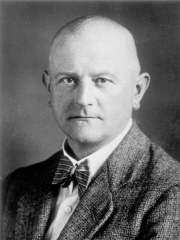
Ludwig Müller
1883 - 1945
HPI: 62.13
Posizione: 63
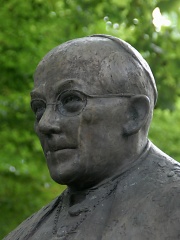
Josef Frings
1887 - 1978
HPI: 61.97
Posizione: 64
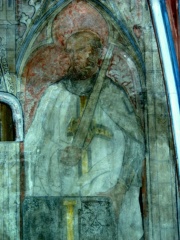
Poppo von Osterna
1200 - 1267
HPI: 61.86
Posizione: 65




