Figura religiosa
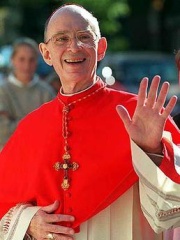
Gintaras Grušas
1961 - presente
IT.WIKIPEDIA PAGE VIEWS (PV)
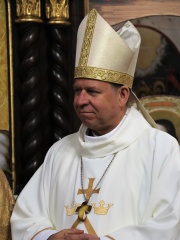
 Gintaras Grušas
La sua biografia è disponibile in 15 lingue su Wikipedia. Gintaras Grušas è il 3085° figura religiosa più popolare (in calo dal 2944° nel 2024), la 11961ª biografia più popolare della Stati Uniti (in calo dal 10269ª nel 2019) e il 109° figura religiosa più popolare della Stati Uniti.
Memorability Metrics
11k
Page Views
Past 12 months
50.68
HPI
Historical Popularity Index
Page views of Gintaras Grušas by language
Among Figura religiosas
Among figura religiosas, Gintaras Grušas ranks 3,085 out of 3,187. Before him are Fortunatus Nwachukwu, Peter Hollingworth, Abdul Rahman, Ricardo Vidal, John Shelby Spong, and Mostafa Pourmohammadi. After him are Dávid Bartimej Tencer, Richard Cushing, Katharine Jefferts Schori, Antonio Napolioni, Hilarion Kapral, and Wulfstan.
Most Popular Figura Religiosas in Wikipedia
Go to all Rankings
Fortunatus Nwachukwu
1960 - Present
HPI: 50.94
Rank: 3,079
Peter Hollingworth
1935 - 2026
HPI: 50.91
Rank: 3,080

Abdul Rahman
1965 - Present
HPI: 50.87
Rank: 3,081

Ricardo Vidal
1931 - 2017
HPI: 50.85
Rank: 3,082

John Shelby Spong
1931 - 2021
HPI: 50.84
Rank: 3,083

Mostafa Pourmohammadi
1960 - Present
HPI: 50.68
Rank: 3,084
Gintaras Grušas
1961 - Present
HPI: 50.68
Rank: 3,085

Dávid Bartimej Tencer
1963 - Present
HPI: 50.66
Rank: 3,086
Richard Cushing
1895 - 1970
HPI: 50.63
Rank: 3,087
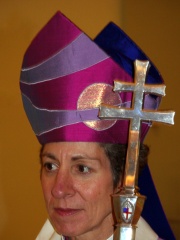
Katharine Jefferts Schori
1954 - Present
HPI: 50.60
Rank: 3,088
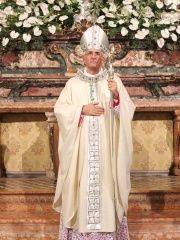
Antonio Napolioni
1957 - Present
HPI: 50.59
Rank: 3,089
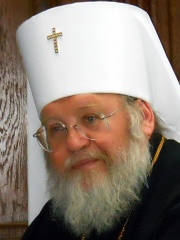
Hilarion Kapral
1948 - 2022
HPI: 50.53
Rank: 3,090
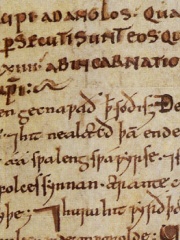
Wulfstan
HPI: 50.51
Rank: 3,091

Contemporaries
Among people born in 1961, Gintaras Grušas ranks 572. Before him are Viktor Pasulko, Jodi Benson, Håkan Hardenberger, Einars Repše, Vida Vencienė, and Koichi Hashiratani. After him are Matthias Brandt, Tomi Poikolainen, Kim Turner, Gary Cherone, Ricardo Mangue Obama Nfubea, and Pål Gunnar Mikkelsplass.
Others Born in 1961
Go to all Rankings
Viktor Pasulko
SOCCER PLAYER
1961 - Present
HPI: 50.76
Rank: 567
Jodi Benson
ACTOR
1961 - Present
HPI: 50.76
Rank: 568

Håkan Hardenberger
MUSICIAN
1961 - Present
HPI: 50.76
Rank: 569

Einars Repše
POLITICIAN
1961 - Present
HPI: 50.75
Rank: 570

Vida Vencienė
POLITICIAN
1961 - Present
HPI: 50.72
Rank: 571

Koichi Hashiratani
SOCCER PLAYER
1961 - Present
HPI: 50.71
Rank: 572
Gintaras Grušas
RELIGIOUS FIGURE
1961 - Present
HPI: 50.68
Rank: 573

Matthias Brandt
ACTOR
1961 - Present
HPI: 50.66
Rank: 574
Tomi Poikolainen
ATHLETE
1961 - Present
HPI: 50.63
Rank: 575

Kim Turner
ATHLETE
1961 - Present
HPI: 50.63
Rank: 576

Gary Cherone
SINGER
1961 - Present
HPI: 50.61
Rank: 577
Ricardo Mangue Obama Nfubea
POLITICIAN
1961 - Present
HPI: 50.61
Rank: 578
Pål Gunnar Mikkelsplass
SKIER
1961 - Present
HPI: 50.56
Rank: 579
In Stati Uniti
Among people born in Stati Uniti, Gintaras Grušas ranks 11,961 out of NaN. Before him are Tom Carper (1947), Bruce Weitz (1943), Tatyana Ali (1979), Krystal Jung (1994), Damon Runyon (1880), and Chris Hughes (1983). After him are John Hiatt (1952), Kimberly Guilfoyle (1969), Matthew Davis (1978), C. J. Ramone (1965), Leon Rippy (1949), and Al Franken (1951).
Others born in Stati Uniti
Go to all Rankings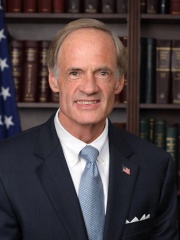
Tom Carper
POLITICIAN
1947 - Present
HPI: 50.69
Rank: 11,955
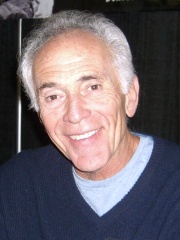
Bruce Weitz
ACTOR
1943 - Present
HPI: 50.69
Rank: 11,956

Tatyana Ali
ACTOR
1979 - Present
HPI: 50.68
Rank: 11,957

Krystal Jung
ACTOR
1994 - Present
HPI: 50.68
Rank: 11,958
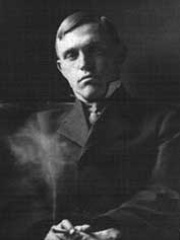
Damon Runyon
WRITER
1880 - 1946
HPI: 50.68
Rank: 11,959
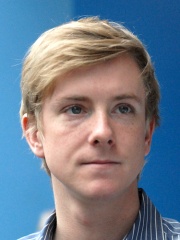
Chris Hughes
BUSINESSPERSON
1983 - Present
HPI: 50.68
Rank: 11,960
Gintaras Grušas
RELIGIOUS FIGURE
1961 - Present
HPI: 50.68
Rank: 11,961

John Hiatt
MUSICIAN
1952 - Present
HPI: 50.68
Rank: 11,962

Kimberly Guilfoyle
LAWYER
1969 - Present
HPI: 50.68
Rank: 11,963

Matthew Davis
ACTOR
1978 - Present
HPI: 50.67
Rank: 11,964
C. J. Ramone
SINGER
1965 - Present
HPI: 50.67
Rank: 11,965

Leon Rippy
ACTOR
1949 - Present
HPI: 50.67
Rank: 11,966

Al Franken
PRESENTER
1951 - Present
HPI: 50.67
Rank: 11,967
Among Figura religiosas In Stati Uniti
Among figura religiosas born in Stati Uniti, Gintaras Grušas ranks 109. Before him are James Aloysius Hickey (1920), Lillian Disney (1899), David Miscavige (1960), Ezra Taft Benson (1899), Peter the Aleut (1800), and John Shelby Spong (1931). After him are Richard Cushing (1895), Katharine Jefferts Schori (1954), Terence Cooke (1921), John Hagee (1940), Scott Hahn (1957), and Joseph Bernardin (1928).
James Aloysius Hickey
1920 - 2004
HPI: 51.40
Rank: 103
Lillian Disney
1899 - 1997
HPI: 51.35
Rank: 104

David Miscavige
1960 - Present
HPI: 51.19
Rank: 105
Ezra Taft Benson
1899 - 1994
HPI: 51.11
Rank: 106
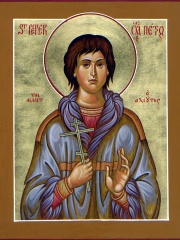
Peter the Aleut
1800 - 1815
HPI: 51.09
Rank: 107
John Shelby Spong
1931 - 2021
HPI: 50.84
Rank: 108
Gintaras Grušas
1961 - Present
HPI: 50.68
Rank: 109
Richard Cushing
1895 - 1970
HPI: 50.63
Rank: 110
Katharine Jefferts Schori
1954 - Present
HPI: 50.60
Rank: 111
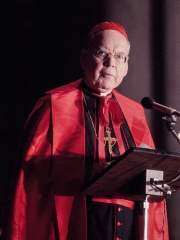
Terence Cooke
1921 - 1983
HPI: 50.49
Rank: 112
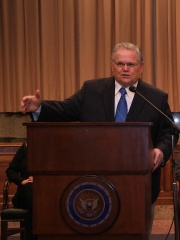
John Hagee
1940 - Present
HPI: 49.47
Rank: 113
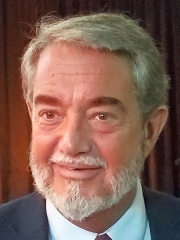
Scott Hahn
1957 - Present
HPI: 49.38
Rank: 114
Joseph Bernardin
1928 - 1996
HPI: 48.97
Rank: 115




