Politico
Emperor Ankō
401 - 456
IT.WIKIPEDIA PAGE VIEWS (PV)
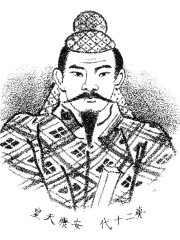
 Emperor Ankō
La sua biografia è disponibile in 35 lingue su Wikipedia. Emperor Ankō è il 4191° politico più popolare (in calo dal 3980° nel 2024), la 251ª biografia più popolare della Giappone (in calo dal 226ª nel 2019) e il 81° politico più popolare della Giappone.
Memorability Metrics
70k
Page Views
Past 12 months
67.66
HPI
Historical Popularity Index
Page views of Emperor Ankō by language
Among Politicos
Among politicos, Emperor Ankō ranks 4,189 out of 19,576. Before him are Empress Kōken, Sin-Muballit, Ernest Augustus, Duke of Brunswick, Khalil Sultan, Pedro Pablo Kuczynski, and William Bradford. After him are Hasdrubal the Boetharch, Liutprand of Cremona, William V, Duke of Bavaria, Demetrios Palaiologos, Constantine Bodin, and Archduchess Auguste Ferdinande of Austria.
Most Popular Politicos in Wikipedia
Go to all Rankings
Empress Kōken
718 - 770
HPI: 67.67
Rank: 4,185
Sin-Muballit
1900 BC - 1793 BC
HPI: 67.66
Rank: 4,186
Ernest Augustus, Duke of Brunswick
1887 - 1953
HPI: 67.66
Rank: 4,187
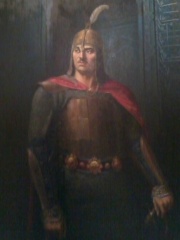
Khalil Sultan
1384 - 1411
HPI: 67.66
Rank: 4,188
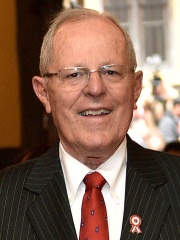
Pedro Pablo Kuczynski
1938 - Present
HPI: 67.66
Rank: 4,189
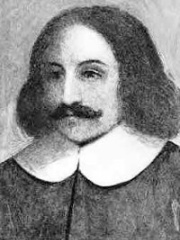
William Bradford
1590 - 1657
HPI: 67.66
Rank: 4,190
Emperor Ankō
401 - 456
HPI: 67.66
Rank: 4,191
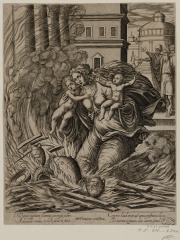
Hasdrubal the Boetharch
200 BC - 160 BC
HPI: 67.66
Rank: 4,192
Liutprand of Cremona
922 - 972
HPI: 67.65
Rank: 4,193
William V, Duke of Bavaria
1548 - 1626
HPI: 67.65
Rank: 4,194
Demetrios Palaiologos
1407 - 1470
HPI: 67.65
Rank: 4,195
Constantine Bodin
1072 - 1108
HPI: 67.65
Rank: 4,196
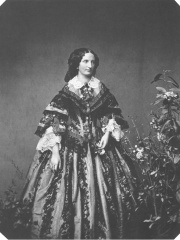
Archduchess Auguste Ferdinande of Austria
1825 - 1864
HPI: 67.65
Rank: 4,197

Contemporaries
Among people born in 401, Emperor Ankō ranks 5. Before him are Leo I the Thracian, Theodosius II, Buddhaghosa, and Aelia Eudocia. After him are Stobaeus, Barsanuphius, Palladius, Mamertus, Hermias, Solomon, and Hilary of Arles. Among people deceased in 456, Emperor Ankō ranks 1. After him are Rechiar, and Talorc I.
Others Born in 401
Go to all Rankings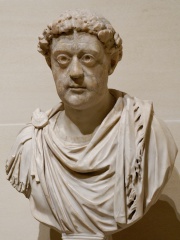
Leo I the Thracian
POLITICIAN
401 - 474
HPI: 81.08
Rank: 1
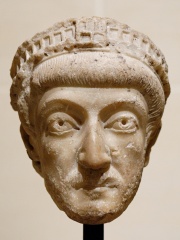
Theodosius II
POLITICIAN
401 - 450
HPI: 77.83
Rank: 2
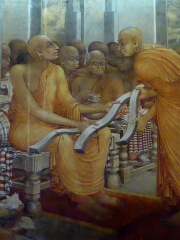
Buddhaghosa
PHILOSOPHER
401 - 500
HPI: 76.08
Rank: 3
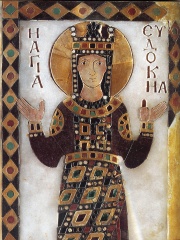
Aelia Eudocia
WRITER
401 - 460
HPI: 69.36
Rank: 4
Emperor Ankō
POLITICIAN
401 - 456
HPI: 67.66
Rank: 5

Stobaeus
WRITER
401 - 401
HPI: 67.32
Rank: 6
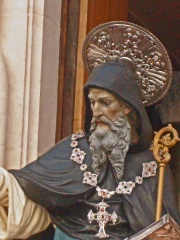
Barsanuphius
RELIGIOUS FIGURE
401 - 540
HPI: 64.08
Rank: 7
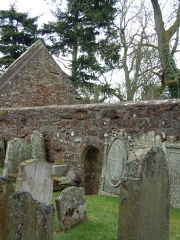
Palladius
RELIGIOUS FIGURE
401 - 450
HPI: 63.47
Rank: 8
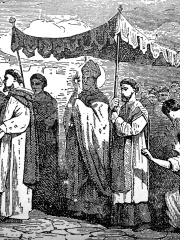
Mamertus
RELIGIOUS FIGURE
401 - Present
HPI: 63.29
Rank: 9

Hermias
PHILOSOPHER
401 - 450
HPI: 62.70
Rank: 10

Solomon
MILITARY PERSONNEL
401 - 544
HPI: 62.53
Rank: 11
Hilary of Arles
RELIGIOUS FIGURE
401 - 449
HPI: 59.75
Rank: 12
Others Deceased in 456
Go to all RankingsEmperor Ankō
POLITICIAN
401 - 456
HPI: 67.66
Rank: 1
Rechiar
POLITICIAN
500 - 456
HPI: 63.14
Rank: 2

Talorc I
POLITICIAN
HPI: 55.90
Rank: 3
In Giappone
Among people born in Giappone, Emperor Ankō ranks 251 out of NaN. Before him are Yohji Yamamoto (1943), Kōnosuke Matsushita (1894), Osamu Yamaji (1929), Emperor Seinei (444), Emperor Hanzei (336), and Inejiro Asanuma (1898). After him are Emperor Go-Kashiwabara (1464), Yasukazu Tanaka (1933), Prince Naruhiko Higashikuni (1887), Ryōji Noyori (1938), Mori Ōgai (1862), and Kitasato Shibasaburō (1853).
Others born in Giappone
Go to all Rankings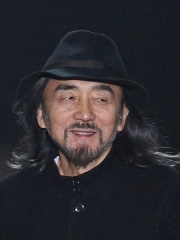
Yohji Yamamoto
FASHION DESIGNER
1943 - Present
HPI: 67.71
Rank: 245
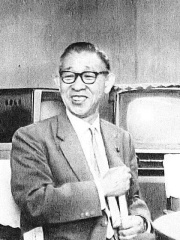
Kōnosuke Matsushita
INVENTOR
1894 - 1989
HPI: 67.71
Rank: 246

Osamu Yamaji
SOCCER PLAYER
1929 - 2021
HPI: 67.70
Rank: 247
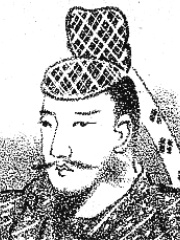
Emperor Seinei
POLITICIAN
444 - 484
HPI: 67.70
Rank: 248

Emperor Hanzei
POLITICIAN
336 - 410
HPI: 67.70
Rank: 249
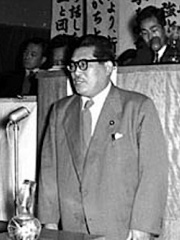
Inejiro Asanuma
POLITICIAN
1898 - 1960
HPI: 67.67
Rank: 250
Emperor Ankō
POLITICIAN
401 - 456
HPI: 67.66
Rank: 251
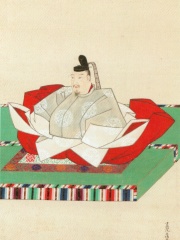
Emperor Go-Kashiwabara
POLITICIAN
1464 - 1526
HPI: 67.63
Rank: 252

Yasukazu Tanaka
SOCCER PLAYER
1933 - Present
HPI: 67.59
Rank: 253
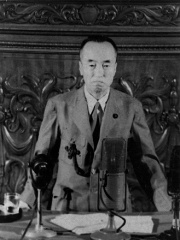
Prince Naruhiko Higashikuni
POLITICIAN
1887 - 1990
HPI: 67.58
Rank: 254
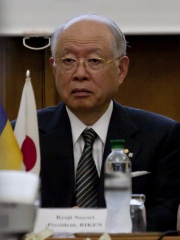
Ryōji Noyori
CHEMIST
1938 - Present
HPI: 67.55
Rank: 255
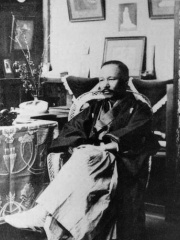
Mori Ōgai
WRITER
1862 - 1922
HPI: 67.53
Rank: 256
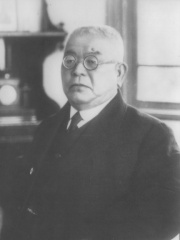
Kitasato Shibasaburō
PHYSICIAN
1853 - 1931
HPI: 67.52
Rank: 257
Among Politicos In Giappone
Among politicos born in Giappone, Emperor Ankō ranks 81. Before him are Emperor Go-Mizunoo (1596), Emperor Kenzō (450), Emperor Shōkō (1401), Emperor Seinei (444), Emperor Hanzei (336), and Inejiro Asanuma (1898). After him are Emperor Go-Kashiwabara (1464), Prince Naruhiko Higashikuni (1887), Empress Jingū (169), Ashikaga Yoshimitsu (1358), Katō Kiyomasa (1561), and Emperor Go-Fushimi (1288).
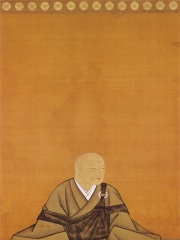
Emperor Go-Mizunoo
1596 - 1680
HPI: 67.82
Rank: 75
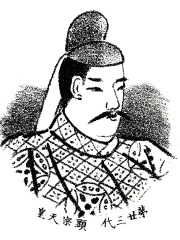
Emperor Kenzō
450 - 487
HPI: 67.81
Rank: 76
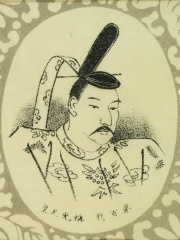
Emperor Shōkō
1401 - 1428
HPI: 67.72
Rank: 77
Emperor Seinei
444 - 484
HPI: 67.70
Rank: 78
Emperor Hanzei
336 - 410
HPI: 67.70
Rank: 79
Inejiro Asanuma
1898 - 1960
HPI: 67.67
Rank: 80
Emperor Ankō
401 - 456
HPI: 67.66
Rank: 81
Emperor Go-Kashiwabara
1464 - 1526
HPI: 67.63
Rank: 82
Prince Naruhiko Higashikuni
1887 - 1990
HPI: 67.58
Rank: 83
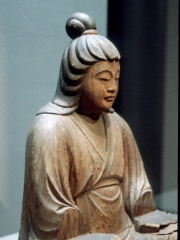
Empress Jingū
169 - 269
HPI: 67.51
Rank: 84
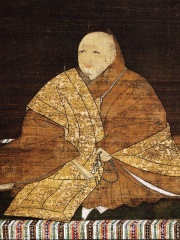
Ashikaga Yoshimitsu
1358 - 1408
HPI: 67.50
Rank: 85
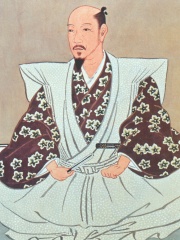
Katō Kiyomasa
1561 - 1611
HPI: 67.45
Rank: 86
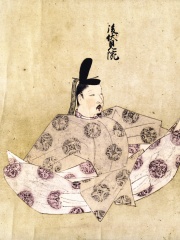
Emperor Go-Fushimi
1288 - 1336
HPI: 67.39
Rank: 87




