Calciatore
Diego Placente
1977 - presente
IT.WIKIPEDIA PAGE VIEWS (PV)
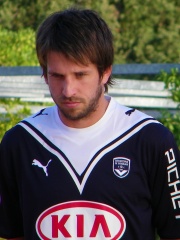
 Diego Placente
La sua biografia è disponibile in 29 lingue su Wikipedia (in aumento rispetto a 28 nel 2024). Diego Placente è il 6585° calciatore più popolare (in calo dal 5038° nel 2024), la 688ª biografia più popolare dell'Argentina (in calo dal 620ª nel 2019) e il 336° calciatore più popolare dell'Argentina.
Memorability Metrics
150k
Page Views
Past 12 months
49.95
HPI
Historical Popularity Index
Page views of Diego Placente by language
Among Calciatores
Among calciatores, Diego Placente ranks 6,579 out of 21,273. Before him are Yuta Shimomura, Leonardo Véliz, José Miracca, André Egli, Ammar Souayah, and Kyriakos Papadopoulos. After him are Benoît Assou-Ekotto, Thomas Delaney, Jan Suchopárek, Juan Musso, Damien Duff, and Włodzimierz Ciołek.
Most Popular Calciatores in Wikipedia
Go to all Rankings

Yuta Shimomura
1990 - Present
HPI: 49.96
Rank: 6,579
Leonardo Véliz
1945 - Present
HPI: 49.96
Rank: 6,580

José Miracca
1903 - 2000
HPI: 49.96
Rank: 6,581
André Egli
1958 - Present
HPI: 49.95
Rank: 6,582

Ammar Souayah
1957 - Present
HPI: 49.95
Rank: 6,583
Kyriakos Papadopoulos
1992 - Present
HPI: 49.95
Rank: 6,584
Diego Placente
1977 - Present
HPI: 49.95
Rank: 6,585
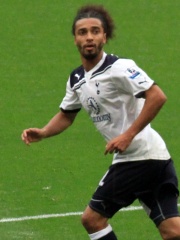
Benoît Assou-Ekotto
1984 - Present
HPI: 49.95
Rank: 6,586
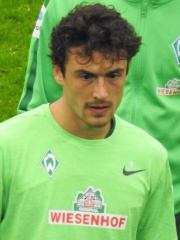
Thomas Delaney
1991 - Present
HPI: 49.94
Rank: 6,587
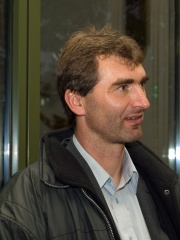
Jan Suchopárek
1969 - Present
HPI: 49.94
Rank: 6,588

Juan Musso
1994 - Present
HPI: 49.94
Rank: 6,589

Damien Duff
1979 - Present
HPI: 49.94
Rank: 6,590
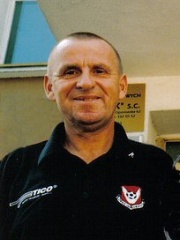
Włodzimierz Ciołek
1956 - Present
HPI: 49.94
Rank: 6,591

Contemporaries
Among people born in 1977, Diego Placente ranks 314. Before him are James Van Der Beek, Radu Jude, Marco Storari, Alexander Morozevich, Tadaaki Matsubara, and Konstantin Zyryanov. After him are Javier Botet, Justo Villar, Danijel Šarić, Atsushi Yanagisawa, Alessandro Lucarelli, and Felix van Groeningen.
Others Born in 1977
Go to all Rankings
James Van Der Beek
ACTOR
1977 - 2026
HPI: 50.16
Rank: 308

Radu Jude
FILM DIRECTOR
1977 - Present
HPI: 50.10
Rank: 309
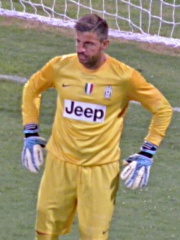
Marco Storari
SOCCER PLAYER
1977 - Present
HPI: 50.10
Rank: 310
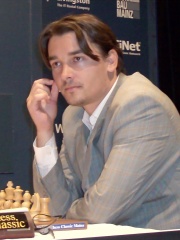
Alexander Morozevich
CHESS PLAYER
1977 - Present
HPI: 50.07
Rank: 311

Tadaaki Matsubara
SOCCER PLAYER
1977 - Present
HPI: 50.02
Rank: 312
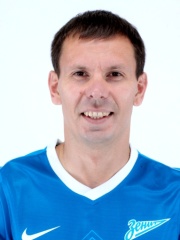
Konstantin Zyryanov
SOCCER PLAYER
1977 - Present
HPI: 50.00
Rank: 313
Diego Placente
SOCCER PLAYER
1977 - Present
HPI: 49.95
Rank: 314

Javier Botet
ACTOR
1977 - Present
HPI: 49.92
Rank: 315
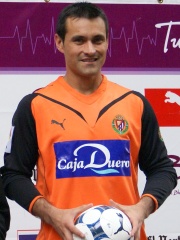
Justo Villar
SOCCER PLAYER
1977 - Present
HPI: 49.89
Rank: 316
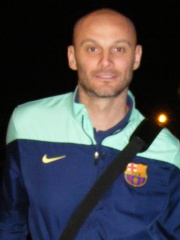
Danijel Šarić
HANDBALL PLAYER
1977 - Present
HPI: 49.88
Rank: 317

Atsushi Yanagisawa
SOCCER PLAYER
1977 - Present
HPI: 49.88
Rank: 318

Alessandro Lucarelli
SOCCER PLAYER
1977 - Present
HPI: 49.86
Rank: 319

Felix van Groeningen
FILM DIRECTOR
1977 - Present
HPI: 49.85
Rank: 320
In Argentina
Among people born in Argentina, Diego Placente ranks 688 out of NaN. Before him are Amado Boudou (1962), José Van Tuyne (1954), Fernando Cáceres (1969), Cristian Ansaldi (1986), Lisandro Martínez (1998), and Luis Lucchetti (1902). After him are Juan Musso (1994), Claudia Piñeiro (1960), Nahuel Pérez Biscayart (1986), Benjamín Rojas (1985), Gonzalo Montiel (1997), and Mariana Enríquez (1973).
Others born in Argentina
Go to all Rankings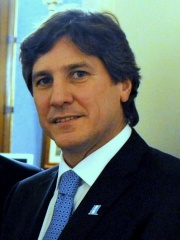
Amado Boudou
POLITICIAN
1962 - Present
HPI: 50.07
Rank: 682
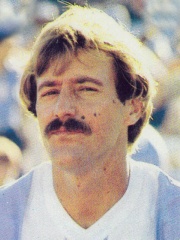
José Van Tuyne
SOCCER PLAYER
1954 - Present
HPI: 50.07
Rank: 683

Fernando Cáceres
SOCCER PLAYER
1969 - Present
HPI: 50.00
Rank: 684

Cristian Ansaldi
SOCCER PLAYER
1986 - Present
HPI: 49.97
Rank: 685

Lisandro Martínez
SOCCER PLAYER
1998 - Present
HPI: 49.97
Rank: 686
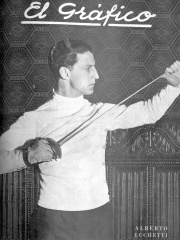
Luis Lucchetti
ATHLETE
1902 - 1990
HPI: 49.96
Rank: 687
Diego Placente
SOCCER PLAYER
1977 - Present
HPI: 49.95
Rank: 688
Juan Musso
SOCCER PLAYER
1994 - Present
HPI: 49.94
Rank: 689

Claudia Piñeiro
WRITER
1960 - Present
HPI: 49.94
Rank: 690

Nahuel Pérez Biscayart
ACTOR
1986 - Present
HPI: 49.92
Rank: 691

Benjamín Rojas
ACTOR
1985 - Present
HPI: 49.92
Rank: 692

Gonzalo Montiel
SOCCER PLAYER
1997 - Present
HPI: 49.90
Rank: 693

Mariana Enríquez
WRITER
1973 - Present
HPI: 49.87
Rank: 694
Among Calciatores In Argentina
Among calciatores born in Argentina, Diego Placente ranks 336. Before him are Fernando Cavenaghi (1983), Rodolfo Arruabarrena (1975), José Van Tuyne (1954), Fernando Cáceres (1969), Cristian Ansaldi (1986), and Lisandro Martínez (1998). After him are Juan Musso (1994), Gonzalo Montiel (1997), Eduardo Coudet (1974), Mariano Andújar (1983), Nicolás Gaitán (1988), and Rubén Cano (1951).

Fernando Cavenaghi
1983 - Present
HPI: 50.17
Rank: 330
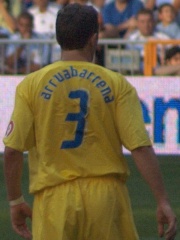
Rodolfo Arruabarrena
1975 - Present
HPI: 50.08
Rank: 331
José Van Tuyne
1954 - Present
HPI: 50.07
Rank: 332
Fernando Cáceres
1969 - Present
HPI: 50.00
Rank: 333
Cristian Ansaldi
1986 - Present
HPI: 49.97
Rank: 334
Lisandro Martínez
1998 - Present
HPI: 49.97
Rank: 335
Diego Placente
1977 - Present
HPI: 49.95
Rank: 336
Juan Musso
1994 - Present
HPI: 49.94
Rank: 337
Gonzalo Montiel
1997 - Present
HPI: 49.90
Rank: 338

Eduardo Coudet
1974 - Present
HPI: 49.86
Rank: 339

Mariano Andújar
1983 - Present
HPI: 49.84
Rank: 340

Nicolás Gaitán
1988 - Present
HPI: 49.83
Rank: 341

Rubén Cano
1951 - Present
HPI: 49.78
Rank: 342




