Fußballspieler
Ángel Correa
1995 - heute
DE.WIKIPEDIA PAGE VIEWS (PV)
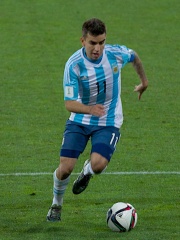

 Ángel Correa
Seine Biografie ist in 46 verschiedenen Sprachen auf Wikipedia verfügbar (gestiegen von 45 im Jahr 2024). Ángel Correa ist der 4,684th beliebteste Fußballspieler (gesunken vom 4,032nd im Jahr 2024), die 569th beliebteste Biografie aus Argentinien (gesunken vom 540th im Jahr 2019) und der 272nd beliebteste aus Argentinien Fußballspieler.
Memorability Metrics
630k
Page Views
Past 12 months
53.24
HPI
Historical Popularity Index
Page views of Ángel Correa by language
Among Fußballspielers
Among fußballspielers, Ángel Correa ranks 4,678 out of 21,273. Before him are Boris Razinsky, Josef Streb, Serge Chiesa, Arnór Guðjohnsen, Atilio López, and Manuel Lapuente. After him are François Bourbotte, Vikash Dhorasoo, Julio Dely Valdés, José Kléberson, Júnior Baiano, and Luis Regueiro.
Most Popular Fußballspielers in Wikipedia
Go to all Rankings

Boris Razinsky
1933 - 2012
HPI: 53.25
Rank: 4,678

Josef Streb
1912 - 1986
HPI: 53.25
Rank: 4,679
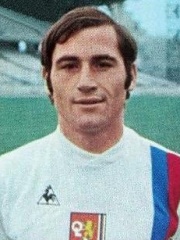
Serge Chiesa
1950 - Present
HPI: 53.25
Rank: 4,680
Arnór Guðjohnsen
1961 - Present
HPI: 53.25
Rank: 4,681

Atilio López
1925 - 2016
HPI: 53.24
Rank: 4,682

Manuel Lapuente
1944 - 2025
HPI: 53.24
Rank: 4,683
Ángel Correa
1995 - Present
HPI: 53.24
Rank: 4,684
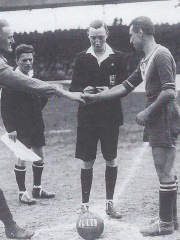
François Bourbotte
1913 - 1972
HPI: 53.23
Rank: 4,685
Vikash Dhorasoo
1973 - Present
HPI: 53.23
Rank: 4,686
Julio Dely Valdés
1967 - Present
HPI: 53.23
Rank: 4,687
José Kléberson
1979 - Present
HPI: 53.23
Rank: 4,688
Júnior Baiano
1970 - Present
HPI: 53.23
Rank: 4,689

Luis Regueiro
1943 - Present
HPI: 53.22
Rank: 4,690

Contemporaries
Among people born in 1995, Ángel Correa ranks 49. Before him are Niklas Süle, Presnel Kimpembe, Dominik Livaković, Katherine McNamara, Divock Origi, and Krzysztof Piątek. After him are Anthony Martial, David Raya, Juan Hernangómez, Álvaro Odriozola, Eldor Shomurodov, and Nayeon.
Others Born in 1995
Go to all Rankings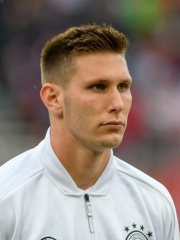
Niklas Süle
SOCCER PLAYER
1995 - Present
HPI: 53.82
Rank: 43
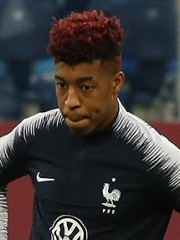
Presnel Kimpembe
SOCCER PLAYER
1995 - Present
HPI: 53.77
Rank: 44

Dominik Livaković
SOCCER PLAYER
1995 - Present
HPI: 53.71
Rank: 45

Katherine McNamara
ACTOR
1995 - Present
HPI: 53.70
Rank: 46
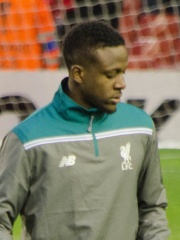
Divock Origi
SOCCER PLAYER
1995 - Present
HPI: 53.70
Rank: 47

Krzysztof Piątek
SOCCER PLAYER
1995 - Present
HPI: 53.49
Rank: 48
Ángel Correa
SOCCER PLAYER
1995 - Present
HPI: 53.24
Rank: 49
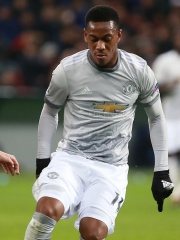
Anthony Martial
SOCCER PLAYER
1995 - Present
HPI: 53.00
Rank: 50
David Raya
SOCCER PLAYER
1995 - Present
HPI: 52.96
Rank: 51
Juan Hernangómez
BASKETBALL PLAYER
1995 - Present
HPI: 52.53
Rank: 52
Álvaro Odriozola
SOCCER PLAYER
1995 - Present
HPI: 52.43
Rank: 53
Eldor Shomurodov
SOCCER PLAYER
1995 - Present
HPI: 52.40
Rank: 54

Nayeon
SINGER
1995 - Present
HPI: 52.39
Rank: 55
In Argentinien
Among people born in Argentinien, Ángel Correa ranks 569 out of NaN. Before him are Niní Marshall (1903), Graciela Borges (1941), Alberto Sainz (1937), Arturo Rodríguez (1907), Federico Edwards (1931), and Pablo Paz (1973). After him are Andrea del Boca (1965), Juan José Pizzuti (1927), Oliverio Girondo (1891), Víctor Peralta (1908), Bruno Pesaola (1925), and Leo Franco (1977).
Others born in Argentinien
Go to all Rankings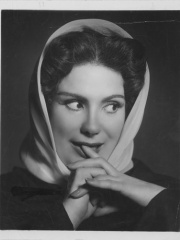
Niní Marshall
ACTOR
1903 - 1996
HPI: 53.52
Rank: 563
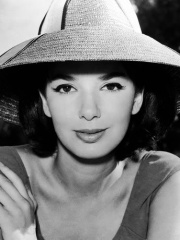
Graciela Borges
ACTOR
1941 - Present
HPI: 53.44
Rank: 564
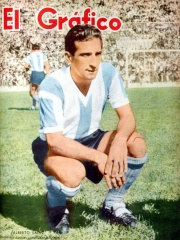
Alberto Sainz
SOCCER PLAYER
1937 - 2016
HPI: 53.38
Rank: 565
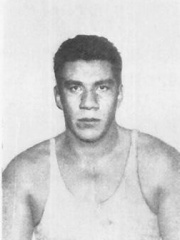
Arturo Rodríguez
BOXER
1907 - 1982
HPI: 53.35
Rank: 566
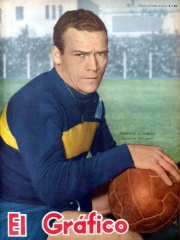
Federico Edwards
SOCCER PLAYER
1931 - 2016
HPI: 53.35
Rank: 567

Pablo Paz
SOCCER PLAYER
1973 - Present
HPI: 53.31
Rank: 568
Ángel Correa
SOCCER PLAYER
1995 - Present
HPI: 53.24
Rank: 569

Andrea del Boca
ACTOR
1965 - Present
HPI: 53.20
Rank: 570
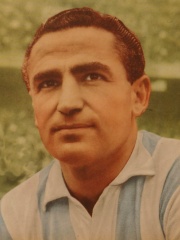
Juan José Pizzuti
SOCCER PLAYER
1927 - 2020
HPI: 53.12
Rank: 571
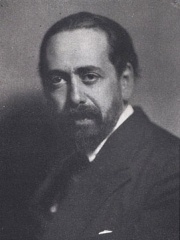
Oliverio Girondo
WRITER
1891 - 1967
HPI: 53.11
Rank: 572
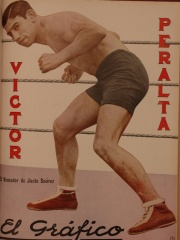
Víctor Peralta
ATHLETE
1908 - 1995
HPI: 53.09
Rank: 573
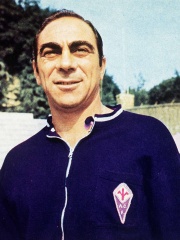
Bruno Pesaola
SOCCER PLAYER
1925 - 2015
HPI: 53.08
Rank: 574
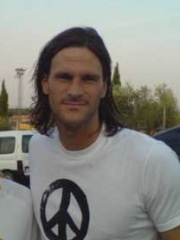
Leo Franco
SOCCER PLAYER
1977 - Present
HPI: 53.02
Rank: 575
Among Fußballspielers In Argentinien
Among fußballspielers born in Argentinien, Ángel Correa ranks 272. Before him are Enzo Trossero (1953), Roberto Mouzo (1953), Andrés D'Alessandro (1981), Alberto Sainz (1937), Federico Edwards (1931), and Pablo Paz (1973). After him are Juan José Pizzuti (1927), Bruno Pesaola (1925), Leo Franco (1977), Ramón Quiroga (1950), Pedro Ochoa (1900), and Paul Sturzenegger (1902).
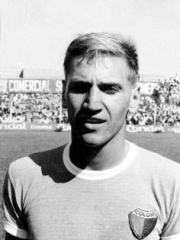
Enzo Trossero
1953 - Present
HPI: 53.59
Rank: 266
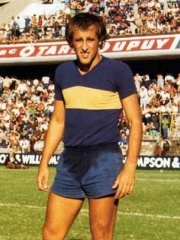
Roberto Mouzo
1953 - Present
HPI: 53.57
Rank: 267
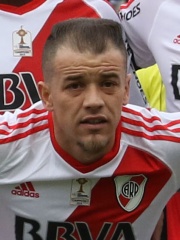
Andrés D'Alessandro
1981 - Present
HPI: 53.54
Rank: 268
Alberto Sainz
1937 - 2016
HPI: 53.38
Rank: 269
Federico Edwards
1931 - 2016
HPI: 53.35
Rank: 270
Pablo Paz
1973 - Present
HPI: 53.31
Rank: 271
Ángel Correa
1995 - Present
HPI: 53.24
Rank: 272
Juan José Pizzuti
1927 - 2020
HPI: 53.12
Rank: 273
Bruno Pesaola
1925 - 2015
HPI: 53.08
Rank: 274
Leo Franco
1977 - Present
HPI: 53.02
Rank: 275
Ramón Quiroga
1950 - Present
HPI: 52.97
Rank: 276
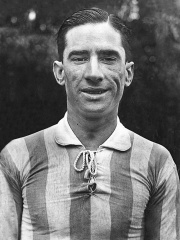
Pedro Ochoa
1900 - 1947
HPI: 52.97
Rank: 277

Paul Sturzenegger
1902 - 1970
HPI: 52.95
Rank: 278




