Scrittore
Anna Wintour
1949 - presente
VISUALIZZAZIONI SU IT.WIKIPEDIA (PV)

 Anna Wintour
La sua biografia è disponibile in 49 lingue su Wikipedia (in aumento rispetto a 48 nel 2024). Anna Wintour è la 176ª scrittore più popolare (in aumento dal 203ª nel 2024), la 157ª biografia più popolare della Regno Unito (in calo dal 148ª nel 2019) e la 18ª scrittore più popolare della Regno Unito.
Metriche di memorabilità
2.7M
Visualizzazioni
Ultimi 12 mesi
78.83
HPI
Indice di popolarità storica
Dati in evidenza
49
La biografia di Anna Wintour compare in 49 edizioni linguistiche di Wikipedia — più del 90% di tutti i Scrittore.
3 nov
Anna Wintour condivide il compleanno (3 novembre) con Gerd Müller, Emperor Meiji e Osman II.
22×
La pagina Wikipedia di Anna Wintour ha registrato 2.7M visualizzazioni nell'ultimo anno — 22 volte la media dei Scrittore.
Visualizzazioni della pagina di Anna Wintour per lingua
Tra Scrittore
Tra Scrittore, Anna Wintour occupa la posizione 176 su 7,302. Prima di lei ci sono Rudyard Kipling, Pindar, Nicolas Flamel, André Breton, Wisława Szymborska, e William Faulkner. Dopo di lei ci sono John Milton, Charlotte Brontë, Nizami Ganjavi, Stéphane Mallarmé, Fernando Pessoa, e Al-Masudi.
Scrittore più popolari su Wikipedia
Vai a tutte le classifiche
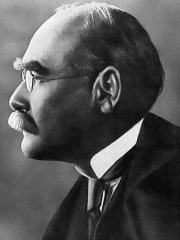
Rudyard Kipling
1865 - 1936
HPI: 79.04
Posizione: 170
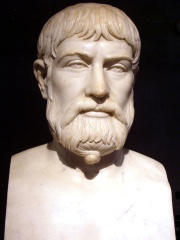
Pindar
517 BC - 437 BC
HPI: 79.03
Posizione: 171
Nicolas Flamel
1330 - 1425
HPI: 79.01
Posizione: 172
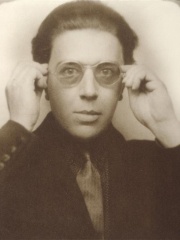
André Breton
1896 - 1966
HPI: 79.00
Posizione: 173
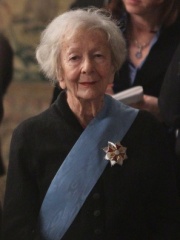
Wisława Szymborska
1923 - 2012
HPI: 78.89
Posizione: 174
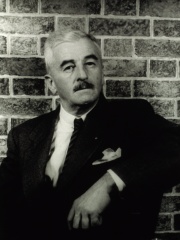
William Faulkner
1897 - 1962
HPI: 78.87
Posizione: 175
Anna Wintour
1949 - presente
HPI: 78.83
Posizione: 176
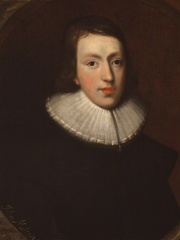
John Milton
1608 - 1674
HPI: 78.82
Posizione: 177
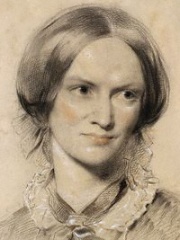
Charlotte Brontë
1816 - 1855
HPI: 78.80
Posizione: 178
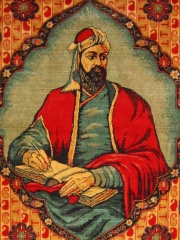
Nizami Ganjavi
1141 - 1209
HPI: 78.77
Posizione: 179
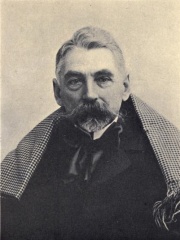
Stéphane Mallarmé
1842 - 1898
HPI: 78.77
Posizione: 180
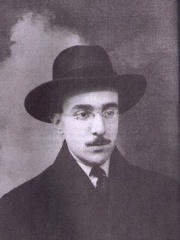
Fernando Pessoa
1888 - 1935
HPI: 78.77
Posizione: 181
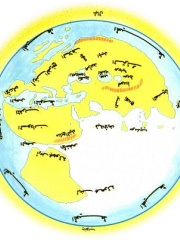
Al-Masudi
896 - 956
HPI: 78.74
Posizione: 182

Contemporanei
Tra le persone nate nel 1949, Anna Wintour occupa la posizione 12. Prima di lei ci sono Mohammed bin Rashid Al Maktoum, Haruki Murakami, Roger Taylor, Nawaz Sharif, António Guterres, e Meryl Streep. Dopo di lei ci sono Pedro Almodóvar, Ashraf Ghani, Richard Gere, Mark Knopfler, Abdullah Öcalan, e Bernard Arnault.
Altre persone nate nel 1949
Vai a tutte le classifiche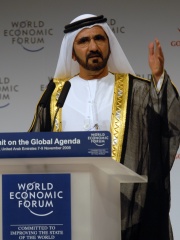
Mohammed bin Rashid Al Maktoum
POLITICIAN
1949 - presente
HPI: 80.63
Posizione: 6

Haruki Murakami
WRITER
1949 - presente
HPI: 80.40
Posizione: 7

Roger Taylor
MUSICIAN
1949 - presente
HPI: 79.86
Posizione: 8

Nawaz Sharif
POLITICIAN
1949 - presente
HPI: 79.46
Posizione: 9
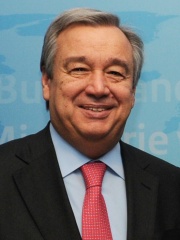
António Guterres
POLITICIAN
1949 - presente
HPI: 79.33
Posizione: 10
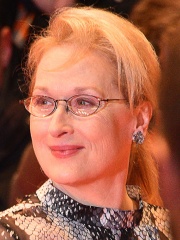
Meryl Streep
ACTOR
1949 - presente
HPI: 79.15
Posizione: 11
Anna Wintour
WRITER
1949 - presente
HPI: 78.83
Posizione: 12

Pedro Almodóvar
FILM DIRECTOR
1949 - presente
HPI: 78.76
Posizione: 13

Ashraf Ghani
POLITICIAN
1949 - presente
HPI: 78.69
Posizione: 14
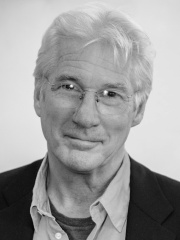
Richard Gere
ACTOR
1949 - presente
HPI: 78.57
Posizione: 15

Mark Knopfler
MUSICIAN
1949 - presente
HPI: 78.32
Posizione: 16

Abdullah Öcalan
EXTREMIST
1949 - presente
HPI: 78.23
Posizione: 17

Bernard Arnault
BUSINESSPERSON
1949 - presente
HPI: 77.91
Posizione: 18
In Regno Unito
Tra le persone nate in Regno Unito, Anna Wintour occupa la posizione 157 su 8,785. Prima di lei ci sono Alan Rickman (1946), Marianne Faithfull (1946), Thomas Andrews (1873), Princess Margaret, Countess of Snowdon (1930), Neville Chamberlain (1869), e Liam Neeson (1952). Dopo di lei ci sono Andrew Lloyd Webber (1948), John Milton (1608), Charlotte Brontë (1816), Arthur Henderson (1863), John Macleod (1876), e William Pitt, 1st Earl of Chatham (1708).
Altre persone nate in Regno Unito
Vai a tutte le classifiche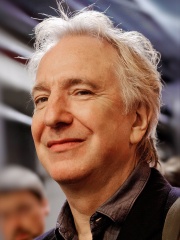
Alan Rickman
ACTOR
1946 - 2016
HPI: 79.04
Posizione: 151
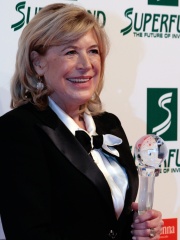
Marianne Faithfull
SINGER
1946 - 2025
HPI: 79.01
Posizione: 152
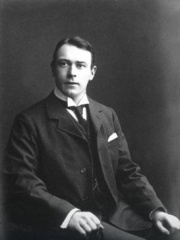
Thomas Andrews
DESIGNER
1873 - 1912
HPI: 78.98
Posizione: 153
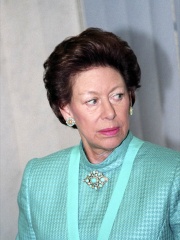
Princess Margaret, Countess of Snowdon
NOBLEMAN
1930 - 2002
HPI: 78.94
Posizione: 154
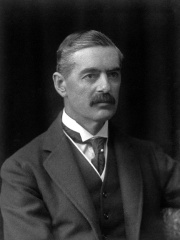
Neville Chamberlain
POLITICIAN
1869 - 1940
HPI: 78.91
Posizione: 155
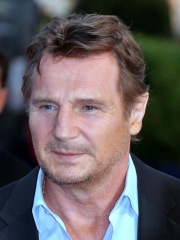
Liam Neeson
ACTOR
1952 - presente
HPI: 78.88
Posizione: 156
Anna Wintour
WRITER
1949 - presente
HPI: 78.83
Posizione: 157

Andrew Lloyd Webber
COMPOSER
1948 - presente
HPI: 78.83
Posizione: 158
John Milton
WRITER
1608 - 1674
HPI: 78.82
Posizione: 159
Charlotte Brontë
WRITER
1816 - 1855
HPI: 78.80
Posizione: 160
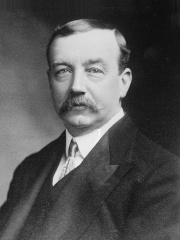
Arthur Henderson
POLITICIAN
1863 - 1935
HPI: 78.77
Posizione: 161
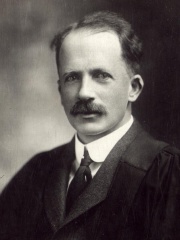
John Macleod
CHEMIST
1876 - 1935
HPI: 78.77
Posizione: 162
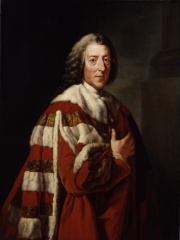
William Pitt, 1st Earl of Chatham
POLITICIAN
1708 - 1778
HPI: 78.70
Posizione: 163
Tra Scrittore in Regno Unito
Tra Scrittore nati in Regno Unito, Anna Wintour occupa la posizione 18. Prima di lei ci sono Lewis Carroll (1832), Emily Brontë (1818), Mary Shelley (1797), Elizabeth Barrett Browning (1806), Robert Louis Stevenson (1850), e Walter Scott (1771). Dopo di lei ci sono John Milton (1608), Charlotte Brontë (1816), Geoffrey Chaucer (1343), Aldous Huxley (1894), Terry Pratchett (1948), e William Blake (1757).
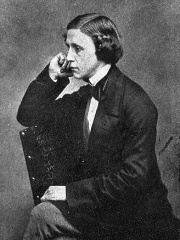
Lewis Carroll
1832 - 1898
HPI: 80.04
Posizione: 12
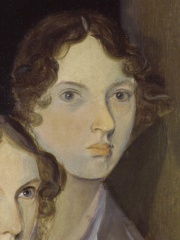
Emily Brontë
1818 - 1848
HPI: 79.72
Posizione: 13
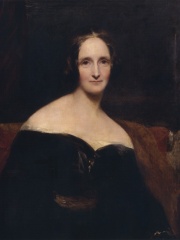
Mary Shelley
1797 - 1851
HPI: 79.46
Posizione: 14
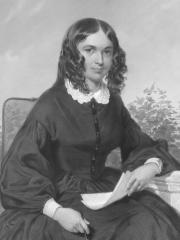
Elizabeth Barrett Browning
1806 - 1861
HPI: 79.12
Posizione: 15
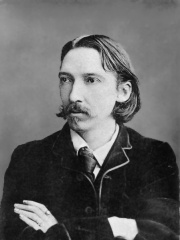
Robert Louis Stevenson
1850 - 1894
HPI: 79.06
Posizione: 16
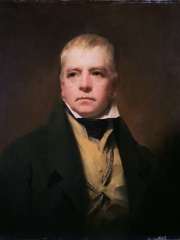
Walter Scott
1771 - 1832
HPI: 79.04
Posizione: 17
Anna Wintour
1949 - presente
HPI: 78.83
Posizione: 18
John Milton
1608 - 1674
HPI: 78.82
Posizione: 19
Charlotte Brontë
1816 - 1855
HPI: 78.80
Posizione: 20
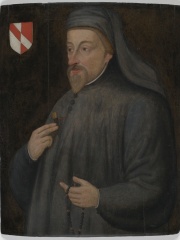
Geoffrey Chaucer
1343 - 1400
HPI: 78.27
Posizione: 21
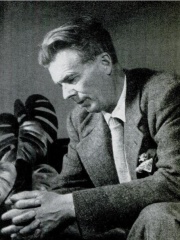
Aldous Huxley
1894 - 1963
HPI: 78.24
Posizione: 22

Terry Pratchett
1948 - 2015
HPI: 78.12
Posizione: 23
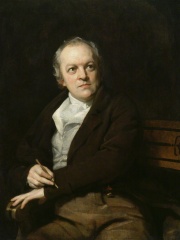
William Blake
1757 - 1827
HPI: 77.20
Posizione: 24




