Író
Julia Balbilla
72 - 130
HU.WIKIPEDIA OLDALMEGTEKINTÉSEK (PV)

 Julia Balbilla
Életrajza 21 különböző nyelven érhető el a Wikipédián (növekedés 16-ről 2024-ben). Julia Balbilla a 4,169th legnépszerűbb író (növekedés a 5,497th-ről 2024-ben), a 3,340th legnépszerűbb életrajz Olaszország országából (növekedés a 3,851st-ről 2019-ben) és a 229th legnépszerűbb Olaszországból író.
Ismertségi mutatók
9.9k
Oldalmegtekintések
Elmúlt 12 hónap
57.61
HPI
Történelmi népszerűségi index
Adatérdekességek
+12k
Julia Balbilla 12,436 helyet javított a Pantheon globális HPI-rangsorában, a(z) 60,328. helyről a(z) 47,975. helyre lépett.
Julia Balbilla oldalmegtekintései nyelvenként
A(z) Író között
A(z) Író között Julia Balbilla a(z) 4,169. helyen áll 7,707 közül. Előtte állnak: Juhan Smuul, Yahya Kemal Beyatlı, Josef Kajetán Tyl, Pepetela, Jan Brzechwa, és David Shore. Utána következnek: Cordelia Edvardson, René Wellek, Fakhruddin As'ad Gurgani, Hart Crane, Dušan Kovačević, és Alexander McCall Smith.
A legnépszerűbb Író a Wikipédián
Összes rangsor megtekintése
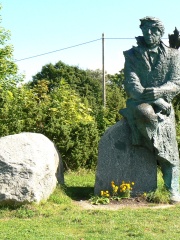
Juhan Smuul
1922 - 1971
HPI: 57.62
Helyezés: 4,163
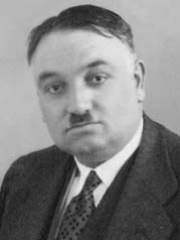
Yahya Kemal Beyatlı
1884 - 1958
HPI: 57.62
Helyezés: 4,164
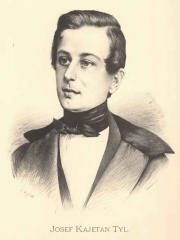
Josef Kajetán Tyl
1808 - 1856
HPI: 57.62
Helyezés: 4,165
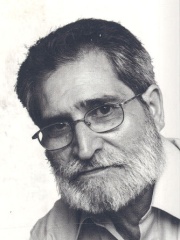
Pepetela
1941 - napjainkig
HPI: 57.61
Helyezés: 4,166
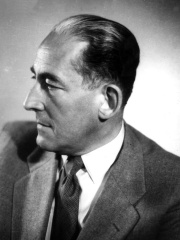
Jan Brzechwa
1898 - 1966
HPI: 57.61
Helyezés: 4,167

David Shore
1959 - napjainkig
HPI: 57.61
Helyezés: 4,168
Julia Balbilla
72 - 130
HPI: 57.61
Helyezés: 4,169
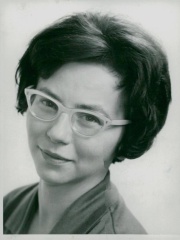
Cordelia Edvardson
1929 - 2012
HPI: 57.60
Helyezés: 4,170

René Wellek
1903 - 1995
HPI: 57.60
Helyezés: 4,171

Fakhruddin As'ad Gurgani
1001 - 1054
HPI: 57.60
Helyezés: 4,172
Hart Crane
1899 - 1932
HPI: 57.60
Helyezés: 4,173
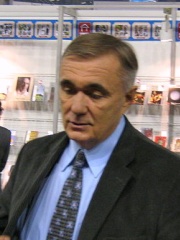
Dušan Kovačević
1948 - napjainkig
HPI: 57.59
Helyezés: 4,174
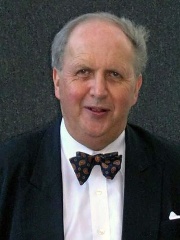
Alexander McCall Smith
1948 - napjainkig
HPI: 57.59
Helyezés: 4,175

Kortársak
A(z) 72. évben születettek között Julia Balbilla a(z) 2. helyen áll. Előtte áll: Yamato Takeru. A(z) 130. évben elhunytak között Julia Balbilla a(z) 6. helyen áll. Előtte állnak: Apollodorus of Damascus, Antinous, Emperor Keikō, Publius Juventius Celsus, és Marinus of Tyre.
További személyek, akik a(z) 72. évben születtek
Összes rangsor megtekintése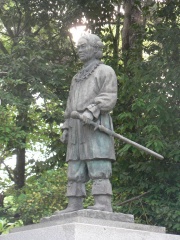
Yamato Takeru
POLITICIAN
72 - 113
HPI: 66.06
Helyezés: 1
Julia Balbilla
WRITER
72 - 130
HPI: 57.61
Helyezés: 2
További személyek, akik a(z) 130. évben hunytak el
Összes rangsor megtekintése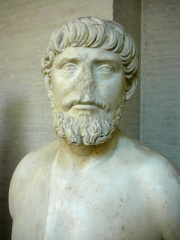
Apollodorus of Damascus
ARCHITECT
50 - 130
HPI: 76.33
Helyezés: 1
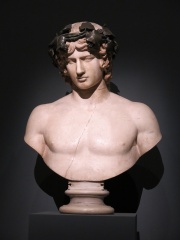
Antinous
COMPANION
111 - 130
HPI: 74.42
Helyezés: 2
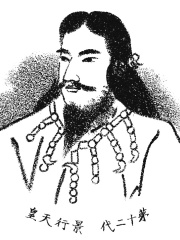
Emperor Keikō
POLITICIAN
13 BC - 130
HPI: 68.03
Helyezés: 3

Publius Juventius Celsus
POLITICIAN
67 - 130
HPI: 64.73
Helyezés: 4
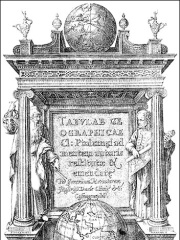
Marinus of Tyre
GEOGRAPHER
100 - 130
HPI: 62.61
Helyezés: 5
Julia Balbilla
WRITER
72 - 130
HPI: 57.61
Helyezés: 6
A(z) Olaszország rangsorában
A(z) Olaszország területén születettek között Julia Balbilla a(z) 3,340. helyen áll 5,905 közül. Előtte állnak: Stephan El Shaarawy (1992), Antonio Maria Bononcini (1677), Francesco Bartolozzi (1725), Attilio Giovannini (1924), Franco Riccardi (1905), és Stefano Gabbana (1962). Utána következnek: Giulio Cabianca (1923), Steno (1917), Antonino Rocca (1921), Radoald of Benevento (650), Silvio Orlando (1957), és Uberto Pasolini (1957).
További személyek, akik Olaszország területén születtek
Összes rangsor megtekintése
Stephan El Shaarawy
SOCCER PLAYER
1992 - napjainkig
HPI: 57.64
Helyezés: 3,334
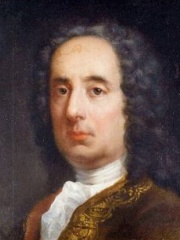
Antonio Maria Bononcini
MUSICIAN
1677 - 1726
HPI: 57.64
Helyezés: 3,335
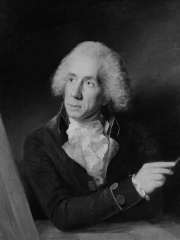
Francesco Bartolozzi
POLITICIAN
1725 - 1815
HPI: 57.64
Helyezés: 3,336
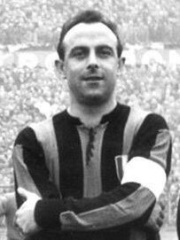
Attilio Giovannini
SOCCER PLAYER
1924 - 2005
HPI: 57.63
Helyezés: 3,337
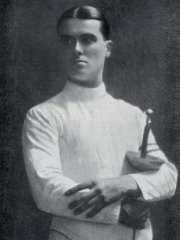
Franco Riccardi
FENCER
1905 - 1968
HPI: 57.62
Helyezés: 3,338
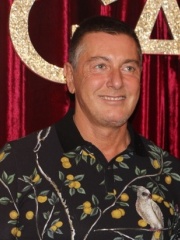
Stefano Gabbana
DESIGNER
1962 - napjainkig
HPI: 57.62
Helyezés: 3,339
Julia Balbilla
WRITER
72 - 130
HPI: 57.61
Helyezés: 3,340
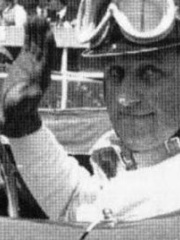
Giulio Cabianca
RACING DRIVER
1923 - 1961
HPI: 57.61
Helyezés: 3,341

Steno
FILM DIRECTOR
1917 - 1988
HPI: 57.60
Helyezés: 3,342
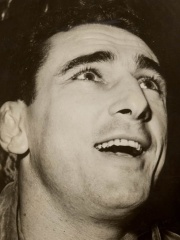
Antonino Rocca
WRESTLER
1921 - 1977
HPI: 57.60
Helyezés: 3,343

Radoald of Benevento
NOBLEMAN
650 - 651
HPI: 57.60
Helyezés: 3,344
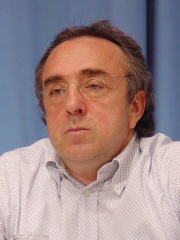
Silvio Orlando
ACTOR
1957 - napjainkig
HPI: 57.58
Helyezés: 3,345
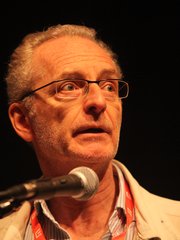
Uberto Pasolini
FILM DIRECTOR
1957 - napjainkig
HPI: 57.58
Helyezés: 3,346
A(z) Író között – Olaszország
A(z) Olaszország területén született Író között Julia Balbilla a(z) 229. helyen áll. Előtte állnak: Valerio Massimo Manfredi (1942), Ugo Betti (1892), Luciano De Crescenzo (1928), Laura Cereta (1469), Nossis (null), és Vasco Pratolini (1913). Utána következnek: Francesco Mario Pagano (1748), Vincenzo Cerami (1940), Giovanni Battista Giraldi (1504), Elisabetta Dami (1958), Cesare Balbo (1789), és Giuseppe Adami (1878).
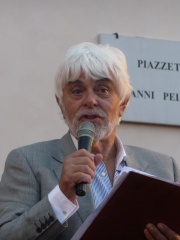
Valerio Massimo Manfredi
1942 - napjainkig
HPI: 58.13
Helyezés: 223

Ugo Betti
1892 - 1953
HPI: 58.06
Helyezés: 224
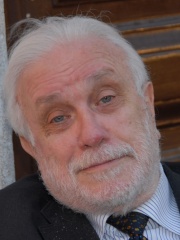
Luciano De Crescenzo
1928 - 2019
HPI: 58.01
Helyezés: 225
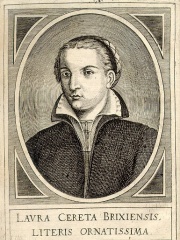
Laura Cereta
1469 - 1499
HPI: 57.82
Helyezés: 226
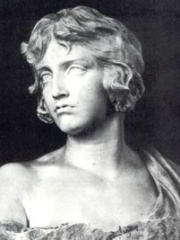
Nossis
HPI: 57.80
Helyezés: 227
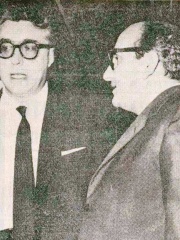
Vasco Pratolini
1913 - 1991
HPI: 57.67
Helyezés: 228
Julia Balbilla
72 - 130
HPI: 57.61
Helyezés: 229
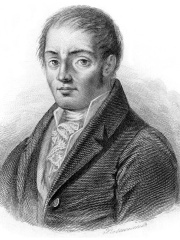
Francesco Mario Pagano
1748 - 1799
HPI: 57.56
Helyezés: 230

Vincenzo Cerami
1940 - 2013
HPI: 57.53
Helyezés: 231
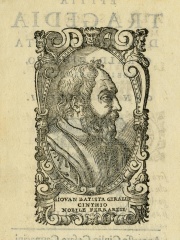
Giovanni Battista Giraldi
1504 - 1574
HPI: 57.31
Helyezés: 232
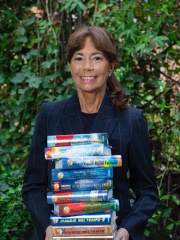
Elisabetta Dami
1958 - napjainkig
HPI: 57.25
Helyezés: 233
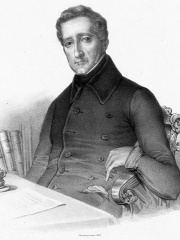
Cesare Balbo
1789 - 1853
HPI: 57.19
Helyezés: 234
Giuseppe Adami
1878 - 1946
HPI: 57.18
Helyezés: 235




