Politicien
Lee Hoi-chang
1935 - aujourd'hui
FR.WIKIPEDIA PAGE VIEWS (PV)
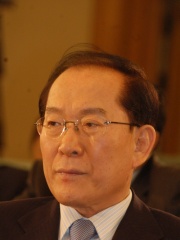
 Lee Hoi-chang
Sa biographie est disponible en 19 langues sur Wikipédia. Lee Hoi-chang est le 11,977th politicien le plus populaire (en hausse du 13,779th en 2024), la 107th biographie la plus populaire du Corée du Nord (en baisse du 102nd en 2019), ainsi que le 75th politicien du Corée du Nord le plus populaire.
Memorability Metrics
47k
Page Views
Past 12 months
59.37
HPI
Historical Popularity Index
Page views of Lee Hoi-chang by language
Among Politiciens
Among politiciens, Lee Hoi-chang ranks 11,971 out of 19,576. Before him are Agvan Dorzhiev, Itamar Ben-Gvir, Sonexay Siphandone, Ahmad Al-Abdullah Al-Sabah, Terry Sawchuk, and Ferenc Nagy. After him are Sitt al-Mulk, Abdul Rahim Khan-I-Khana, Fernando Tambroni, Puzur-Inshushinak, Bebiankh, and Cornelis Lely.
Most Popular Politiciens in Wikipedia
Go to all Rankings
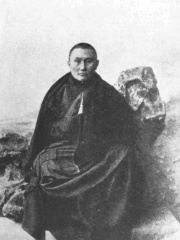
Agvan Dorzhiev
1853 - 1938
HPI: 59.37
Rank: 11,971
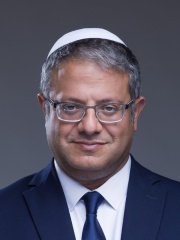
Itamar Ben-Gvir
1976 - Present
HPI: 59.37
Rank: 11,972
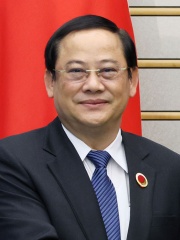
Sonexay Siphandone
1966 - Present
HPI: 59.37
Rank: 11,973
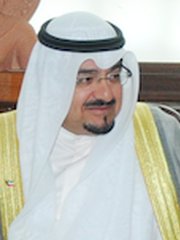
Ahmad Al-Abdullah Al-Sabah
1952 - Present
HPI: 59.37
Rank: 11,974
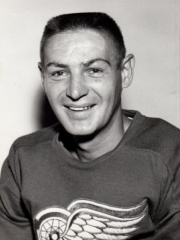
Terry Sawchuk
1929 - 1970
HPI: 59.37
Rank: 11,975
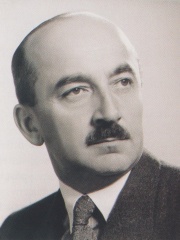
Ferenc Nagy
1903 - 1979
HPI: 59.37
Rank: 11,976
Lee Hoi-chang
1935 - Present
HPI: 59.37
Rank: 11,977

Sitt al-Mulk
970 - 1023
HPI: 59.37
Rank: 11,978
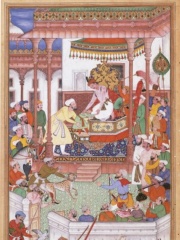
Abdul Rahim Khan-I-Khana
1556 - 1627
HPI: 59.36
Rank: 11,979
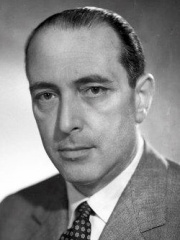
Fernando Tambroni
1901 - 1963
HPI: 59.36
Rank: 11,980
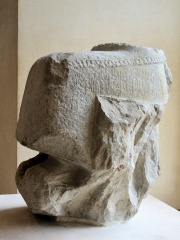
Puzur-Inshushinak
2300 BC - Present
HPI: 59.36
Rank: 11,981
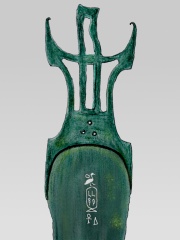
Bebiankh
1700 BC - 1700 BC
HPI: 59.36
Rank: 11,982
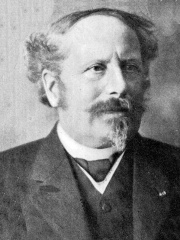
Cornelis Lely
1854 - 1929
HPI: 59.36
Rank: 11,983

Contemporaries
Among people born in 1935, Lee Hoi-chang ranks 222. Before him are Judith Reisman, Gerhard Mitter, Sandra Harding, Jean Tiberi, Mohammed Basindawa, and Yury Vlasov. After him are Michael Ballhaus, Vladica Popović, Ghita Nørby, Armando Picchi, Dragan Tomić, and Fortunato Baldelli.
Others Born in 1935
Go to all Rankings
Judith Reisman
POLITICIAN
1935 - 2021
HPI: 59.69
Rank: 216
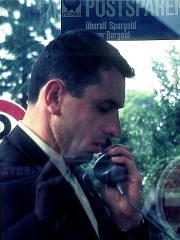
Gerhard Mitter
RACING DRIVER
1935 - 1969
HPI: 59.64
Rank: 217

Sandra Harding
PHILOSOPHER
1935 - 2025
HPI: 59.55
Rank: 218
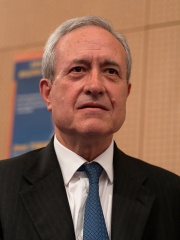
Jean Tiberi
POLITICIAN
1935 - 2025
HPI: 59.52
Rank: 219
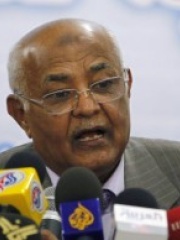
Mohammed Basindawa
POLITICIAN
1935 - Present
HPI: 59.42
Rank: 220
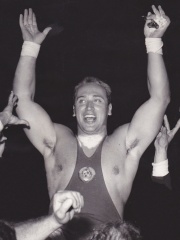
Yury Vlasov
WRITER
1935 - 2021
HPI: 59.41
Rank: 221
Lee Hoi-chang
POLITICIAN
1935 - Present
HPI: 59.37
Rank: 222
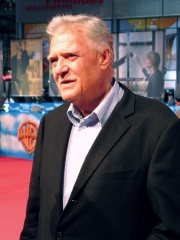
Michael Ballhaus
ACTOR
1935 - 2017
HPI: 59.36
Rank: 223

Vladica Popović
SOCCER PLAYER
1935 - 2020
HPI: 59.29
Rank: 224
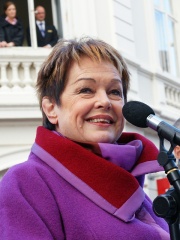
Ghita Nørby
ACTOR
1935 - Present
HPI: 59.28
Rank: 225
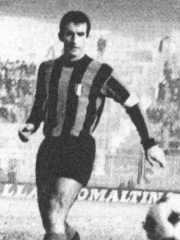
Armando Picchi
SOCCER PLAYER
1935 - 1971
HPI: 59.23
Rank: 226
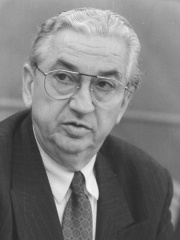
Dragan Tomić
POLITICIAN
1935 - 2022
HPI: 59.23
Rank: 227
Fortunato Baldelli
RELIGIOUS FIGURE
1935 - Present
HPI: 59.19
Rank: 228
In Corée du Nord
Among people born in Corée du Nord, Lee Hoi-chang ranks 107 out of NaN. Before him are Kwon Ki-ok (1901), Kim Hyon-hui (1962), Hong Song-nam (1929), Chung Mong-koo (1938), Paek Nam-sun (1929), and Francis Hong Yong-ho (1906). After him are Yang Song-guk (1944), Akira Takarada (1934), Kim Sowol (1902), Ahn Changho (1876), Kim Sol-song (1974), and Ri Yong-ho (1956).
Others born in Corée du Nord
Go to all Rankings
Kwon Ki-ok
POLITICIAN
1901 - 1988
HPI: 59.98
Rank: 101
Kim Hyon-hui
WRITER
1962 - Present
HPI: 59.76
Rank: 102
Hong Song-nam
POLITICIAN
1929 - 2009
HPI: 59.51
Rank: 103
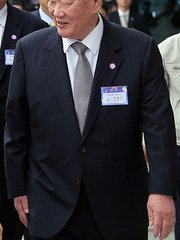
Chung Mong-koo
BUSINESSPERSON
1938 - Present
HPI: 59.42
Rank: 104
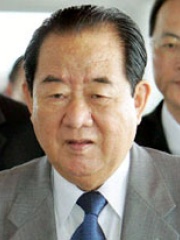
Paek Nam-sun
POLITICIAN
1929 - 2007
HPI: 59.41
Rank: 105
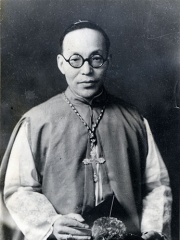
Francis Hong Yong-ho
RELIGIOUS FIGURE
1906 - 2013
HPI: 59.37
Rank: 106
Lee Hoi-chang
POLITICIAN
1935 - Present
HPI: 59.37
Rank: 107

Yang Song-guk
SOCCER PLAYER
1944 - Present
HPI: 59.32
Rank: 108
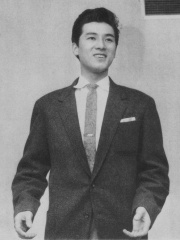
Akira Takarada
ACTOR
1934 - 2022
HPI: 58.57
Rank: 109
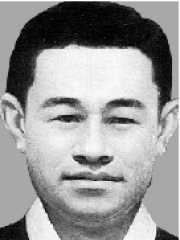
Kim Sowol
WRITER
1902 - 1934
HPI: 58.56
Rank: 110
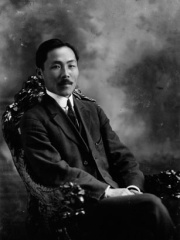
Ahn Changho
POLITICIAN
1876 - 1938
HPI: 58.06
Rank: 111

Kim Sol-song
POLITICIAN
1974 - Present
HPI: 57.51
Rank: 112
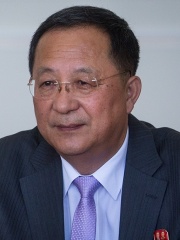
Ri Yong-ho
DIPLOMAT
1956 - 2022
HPI: 57.49
Rank: 113
Among Politiciens In Corée du Nord
Among politiciens born in Corée du Nord, Lee Hoi-chang ranks 75. Before him are Han Myeong-sook (1944), Pak Thae-song (1955), Minjung of Goguryeo (10), Kwon Ki-ok (1901), Hong Song-nam (1929), and Paek Nam-sun (1929). After him are Ahn Changho (1876), Kim Sol-song (1974), Choe Thae-bok (1930), Kim Yong-chol (1946), Chang Sang (1939), and Pak Ui-chun (1932).
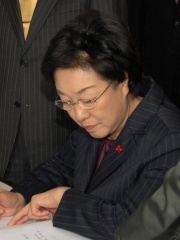
Han Myeong-sook
1944 - Present
HPI: 61.79
Rank: 69
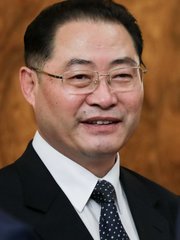
Pak Thae-song
1955 - Present
HPI: 61.44
Rank: 70
Minjung of Goguryeo
10 - 48
HPI: 61.08
Rank: 71
Kwon Ki-ok
1901 - 1988
HPI: 59.98
Rank: 72
Hong Song-nam
1929 - 2009
HPI: 59.51
Rank: 73
Paek Nam-sun
1929 - 2007
HPI: 59.41
Rank: 74
Lee Hoi-chang
1935 - Present
HPI: 59.37
Rank: 75
Ahn Changho
1876 - 1938
HPI: 58.06
Rank: 76
Kim Sol-song
1974 - Present
HPI: 57.51
Rank: 77

Choe Thae-bok
1930 - 2024
HPI: 57.10
Rank: 78
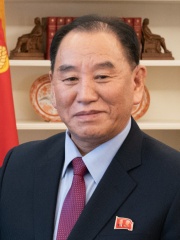
Kim Yong-chol
1946 - Present
HPI: 56.70
Rank: 79

Chang Sang
1939 - Present
HPI: 56.26
Rank: 80
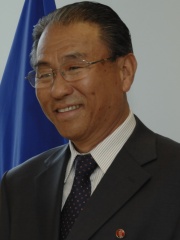
Pak Ui-chun
1932 - Present
HPI: 56.24
Rank: 81




